
If you or someone you love is living with cancer, it’s completely normal to look for gentle, practical ways to feel stronger day to day—especially when appetite is low, energy is unpredictable, or treatment side effects make eating feel like work. Juicing often comes up in those moments because it can be a simple way to get fluids and nutrients in a form that’s easier to sip than chew.
At the same time, cancer nutrition can be emotionally loaded. There’s a lot of hype online, and some of it can sound like juice is a “fix.” It isn’t. But when used thoughtfully, juice can be a supportive tool—one small part of nourishing the body during treatment or recovery.
In this guide, we’ll focus on:
- Cancer-friendly juice ingredients that are naturally rich in nutrients and protective plant compounds
- Simple, realistic combinations (including gentle options for sensitive stomachs)
- Safety tips—because some juices can be too acidic, too sugary, or interfere with certain medications
- A careful, respectful look at traditional juices, including buah merah (Papua red fruit), as complementary nutrition—not a cure
A quick note before we begin: your oncology team and an oncology-trained dietitian are the best place to get personalized guidance, especially if there are issues like weight loss, diabetes, mouth sores (mucositis), low white blood cells, kidney concerns, or tube feeding. This article is for supportive education, not medical advice.
Can Juicing Really Help with Cancer?
Juicing can be helpful, but it’s important to put it in the right box: juice isn’t a cancer treatment and it isn’t a cure. What it can be is a practical way to support nourishment—especially on days when eating feels difficult. This is exactly the supportive intent we’re aiming for in this article: nutrition, antioxidants, and comfort without false promises.
What nutrition professionals generally agree on
Most oncology dietitians focus on a few priorities: maintaining weight when needed, getting enough protein and calories, staying hydrated, and managing side effects (like nausea, taste changes, mouth soreness, or low appetite). In that context, juice can sometimes help because it’s easy to sip and can add flavor and nutrients when plain water or solid food is unappealing. For example, Memorial Sloan Kettering notes that fruit juices are often easy to drink and can help “perk up” your taste—alongside other nourishing drinks like shakes and smoothies.
But dietitians also tend to emphasize that juice works best as a supplement, not a replacement for meals—because cancer and treatment can increase the body’s need for energy and building blocks (especially protein), and juice alone usually can’t cover that.
Whole-food juices—not detox fads
Where juicing often goes wrong is when it turns into a “detox” storyline. Many reputable cancer centers caution against cleanses or juice-only fasts during treatment because they can lead to low energy, nutrient gaps, and other problems at a time when the body is already under stress. MD Anderson specifically advises against detoxes/cleanses/fasts for people undergoing cancer treatment and recommends checking with your doctor if you’re unsure.
A grounded way to think about it:
- A small glass of vegetable-forward juice can be a supportive add-on.
- A juice-only cleanse is more likely to reduce overall nutrition (and can be risky during treatment).
Why juice isn’t “automatically healthy” (and how to make it smarter)
Even when you use great ingredients, juicing has trade-offs:
- Less fiber: Juicing removes much of the fiber that helps support digestion and steadier blood sugar. Harvard Health points out that juice generally has less fiber than whole produce and fruit juices can raise blood sugar more quickly.
- Blood sugar swings: Mayo Clinic also notes that whole fruits contain fiber that slows digestion and can help prevent quick blood sugar rises—whereas juice can act faster in the body.
That doesn’t mean “never drink juice.” It just means make it more balanced (for example: keep it mostly vegetables, watch portions, and consider pairing it with a small snack that contains protein or healthy fat—something we’ll cover later in the guidelines section).
A safety note that really matters during treatment
If someone is immunocompromised (for instance, during certain chemo regimens), food safety becomes extra important. Some centers advise avoiding unpasteurized juices and ciders in higher-risk situations. Memorial Sloan Kettering’s neutropenic diet guidance includes avoiding unpasteurized juice/cider. American Cancer Society guidance for people with weakened immune systems also lists unpasteurized fruit and vegetable juices among items to avoid.
(If this applies to you, it’s worth asking your care team what they recommend—practices can differ by hospital and by your lab results.)
Bottom line: Juicing can support comfort and nutrient intake, but it should be whole-food based, used in moderation, and tailored to treatment realities—not used as a cleanse or a substitute for medical care.
Key Benefits of Juicing for Cancer Patients
Juice can’t treat cancer, but it can play a supportive role in day-to-day nourishment—especially when treatment side effects make eating harder than usual. The key is to use juice as a nutrition tool, not a “detox cure.”
Nutrient Density in an Easy-to-Digest Form
When appetite is low or chewing feels tiring, a small glass of juice can be an easier way to take in micronutrients and fluids. This is one reason juice often appeals to patients dealing with appetite loss, nausea, fatigue, taste changes, or mouth discomfort—it’s quick, drinkable, and doesn’t require much effort.
Cancer nutrition guidance from the National Cancer Institute includes the idea that juices (along with soups, smoothies, and milkshakes) can be helpful when you don’t feel like eating solid foods.
A gentle reality check that helps keep expectations grounded:
- Juice is mostly vitamins, minerals, and plant compounds, plus water.
- It usually doesn’t provide much protein, and often lacks the fiber you’d get from whole fruits and vegetables.
So, for many people, the most supportive approach is juice alongside meals/snacks, or choosing smoothies sometimes when you need something more filling (because smoothies can keep more of the whole-food texture and can be made more calorie- and protein-friendly).
Hydration and Detoxification Support
Hydration is a big deal in cancer care. People can become dehydrated more easily during treatment—especially if there’s vomiting, diarrhea, poor intake, or just “everything tastes off.” Your care team may also emphasize hydration around certain medications.
Rather than thinking about juice as a “detox,” it’s more accurate (and safer) to say this: fluids support your body’s normal systems, including the liver and kidneys, which already work hard every day to process and clear waste products. Juice can be one palatable way to increase fluid intake when plain water isn’t appealing.
Some cancer centers give specific hydration instructions for certain chemotherapy drugs (for example, cisplatin), showing how strongly clinicians prioritize fluid intake in those situations.
A practical tip many patients find helpful: think “small sips, often” rather than forcing big amounts at once—especially if nausea is part of the picture. (Your care team’s advice comes first, since needs vary.)
Antioxidant Protection and Immune Support
Fruits and vegetables contain natural plant compounds—like polyphenols, flavonoids, anthocyanins, and carotenoids—that help give plants their color and can act as antioxidants in the diet. In simple terms, antioxidants help the body manage oxidative stress (an imbalance that can increase when the body is under strain).
This is one reason many nutrition guidelines encourage eating a colorful variety of plant foods. The American Cancer Society notes that colorful vegetables and fruits are rich in important nutrients and antioxidants (and, when eaten whole, they also provide fiber and water).
It’s also worth saying gently: “immune support” doesn’t mean a juice will magically “boost” immunity on command—especially during cancer treatment, when the immune system can be affected in complex ways. What juice can do is contribute helpful nutrients (like vitamin C and carotenoids) as part of an overall pattern of nourishment.
If you want, I can keep this section very practical as we go—like matching juice styles to common situations (sore mouth, nausea days, constipation, low appetite) without overpromising.

Best Juices for Cancer: Top Ingredients and Combos
When you’re choosing juices during cancer care, it helps to think in “themes” rather than trends: hydration, gentle digestion, steady energy, and colorful plant compounds (like beta-carotene, anthocyanins, polyphenols, and curcumin). The goal isn’t to find a magical recipe—it’s to find options your body can tolerate and actually wants.
Below are supportive, commonly used combinations from the brief, with simple ways to make them and adjustments for sensitive days.
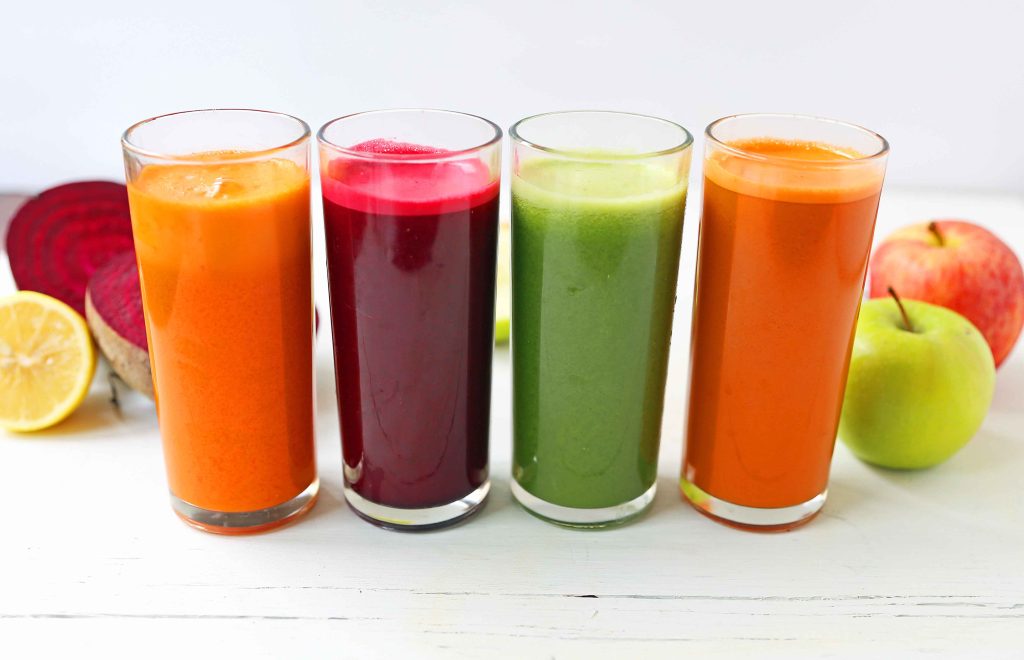
1. Carrot, Beetroot, and Apple Juice
This combo is popular because it’s nutrient-dense but still drinkable—earthy from beet, sweet from apple, and smooth from carrot. The brief highlights beta-carotene (carrot), betalains (beet), and vitamin C (apple) as key nutrition points.
Why people like it (supportively):
- Carrots bring beta-carotene, a plant pigment your body can convert into vitamin A, which plays a role in immune function and tissue maintenance.
- Beets contain betalains—natural pigments studied for antioxidant activity.
- Apples soften the flavor and add a gentle sweetness, which can help when taste changes make vegetables hard to tolerate.
Easy method (juicer or blender-strain):
- A few carrots
- A small beet (peeled if you prefer a milder taste)
- A small apple (cored)
- Optional: a squeeze of lemon if acidity isn’t an issue for you
Sensitive-day tweaks:
- If it feels “too strong,” dilute with water or serve over ice.
- If blood sugar is a concern, go lighter on apple and heavier on carrot/beet.
2. Pomegranate and Blueberry Juice
This is your “deep color” option. The brief calls out ellagic acid (often discussed alongside pomegranate’s tannins) and anthocyanins (blueberries)—two categories of polyphenols that get a lot of research attention for their antioxidant properties.
To be clear and fair: a lot of the excitement here comes from lab and early research on plant compounds—not proof that drinking these juices treats cancer. But as part of an overall nourishing pattern, this can be a gentle way to add polyphenol-rich fruit when appetite is low. Pomegranate juice is widely described in the scientific literature as rich in polyphenols (including tannins and anthocyanins), with ellagic-acid-related compounds contributing to antioxidant capacity.
Easy method:
- Unsweetened pomegranate juice (or arils blended and strained)
- A handful of blueberries (blend and strain, or use a juicer if you have one)
Taste + tolerance tips:
- If it’s too tart, mix with cool water or a milder base (like peeled cucumber juice).
- If mouth sores are an issue, skip tart juices for now and lean toward gentler options (we’ll cover this more in the “when juicing helps—and when it’s not” section later).
3. Turmeric and Ginger Shot with Lemon
The brief frames this as an “anti-inflammatory and gut-friendly” shot built around curcumin (turmeric) and gingerol (ginger), with lemon for brightness, plus a note to add black pepper to help curcumin absorption. It’s true that curcumin on its own is poorly absorbed, and research supports that piperine (from black pepper) can improve curcumin bioavailability.
A gentle way to do it (not too intense):
- Fresh ginger (a small knob)
- Fresh turmeric (or a small pinch of powder)
- Lemon juice (optional, based on tolerance)
- A tiny pinch of black pepper
- Enough water to make it easy to sip
Important cautions:
- If you take blood thinners, have reflux, or your stomach is easily irritated during treatment, this may be too strong. In that case, think “ginger tea strength” rather than a concentrated shot.
- If you’re not sure about herb–drug interactions for your specific regimen, your oncology pharmacist or dietitian can guide you.
4. Buah Merah Juice (Red Fruit from Papua)
Buah merah (often identified as Pandanus conoideus) is native to Papua and is traditionally used as a nourishing food. In the brief, it’s highlighted for tocotrienols/tocopherols (vitamin E family), beta-carotene, and oleic acid. Scientific writing on buah merah commonly describes its profile as including carotenoids and vitamin E compounds, along with fatty acids like oleic and linoleic acid.
Here’s the most grounded way to look at it in a cancer-support context:
- Buah merah can be seen as a traditional nutrient-dense food, especially valued for its natural pigments (carotenoids) and vitamin E-related compounds.
- That makes it interesting from a nutrition perspective—but it’s still complementary nourishment, not a substitute for treatment.
How people often use it:
- Many preparations are more like an extract or oil-rich drink than a thin “juice.”
- Because it can be rich and intense, some people take it in small amounts or mix it into a milder juice base (like carrot or papaya).
Practical safety notes:
- Choose products made with good hygiene and storage practices. If you’re immunocompromised, ask your care team about pasteurization and food safety for any bottled product.
5. Papaya, Kale, and Lime Juice
This one is often chosen when digestion feels “sluggish.” The brief points to papaya’s digestive enzymes, plus chlorophyll (kale) and vitamin C (lime), and frames it as supportive after chemo for digestion.
Easy method:
- Ripe papaya (peeled, seeds removed)
- A small handful of kale (tender leaves are easiest)
- Lime juice (optional—skip if your mouth or stomach is sensitive)
- Water as needed to blend smoothly, then strain if you prefer it thinner
Make it gentler:
- If kale tastes too bitter, swap it for a milder green (like baby spinach) on tough-taste days.
- If lime stings, leave it out completely—papaya can stand on its own.
6. Wheatgrass and Green Apple Juice
The brief uses phrases like “alkalizing” and “blood cleansing,” and highlights chlorophyll as a key component. In everyday wellness culture, wheatgrass is often talked about in those terms. From a cautious, evidence-respecting perspective: it’s more reliable to say wheatgrass offers plant compounds and micronutrients, and some people enjoy it as a small add-on—while remembering that the body’s pH is tightly regulated on its own.
A balanced way to use it:
- Wheatgrass (small amount—because the flavor is strong)
- Green apple to make it easier to drink
- Optional: cucumber for a softer, fresher taste
When to skip it:
- If nausea is high, strong grassy flavors can be a trigger.
- If you’re immunocompromised, be careful with anything that’s hard to wash well or is prepared outside your control.
Guidelines for Making and Drinking Juice During Cancer
According to a document (your content brief, undated), the safest way to use juice during cancer care is as supportive nutrition—made from clean ingredients, without added sugar, and as a supplement rather than a meal replacement.
Here are the most practical guidelines to keep juice helpful (and not stressful).
Choose ingredients with safety in mind
- Use organic ingredients if possible—mainly to reduce what you don’t want on the peel or leaves.
- Whether organic or not, wash produce very well and trim away any bruised or moldy spots.
- If your immune system is weakened (for example, during certain chemotherapy periods), ask your care team whether you should follow extra food-safety rules. The American Cancer Society advises people with a weak immune system to ask for pasteurized fruit juices and avoid “fresh-squeezed” juices in restaurants.
Avoid added sugar (and keep fruit-heavy juices “occasional”)
- The brief is clear: avoid added sugar or syrups.
- A simple way to do that is to make your base mostly vegetables and use fruit mainly for taste.
- This matters because juice can raise blood sugar quickly, partly because it has less fiber than whole fruit. Harvard Health explains that juicing reduces fiber, and fruit juices tend to be absorbed faster than whole fruit.
Fresh is great—but “fresh” isn’t always safest
- Your brief prefers fresh, cold-pressed juice. That can taste wonderful, but it’s not automatically the safest option for everyone.
- If infection risk is a concern, many cancer centers recommend pasteurized juice products. Memorial Sloan Kettering’s neutropenic diet guidance lists unpasteurized fruit/vegetable juices among items to avoid. The American Cancer Society also recommends pasteurized juices for people with weakened immunity.
A helpful middle ground for many people: make juice at home with careful washing, and if you buy bottled juice during treatment, pick pasteurized options.
Don’t replace meals—use juice to “bridge the gap”
- Your brief emphasizes: don’t replace meals—supplement, not substitute.
- The National Cancer Institute echoes this approach: it encourages high-protein/high-calorie foods when needed and suggests juices, smoothies, milkshakes, or soups when solid food isn’t appealing.
If juice is making you too full to eat, one small trick from NCI is to drink most fluids between meals (small sips with meals are fine).
Slow absorption by adding “something that sticks”
Your brief recommends blending with protein or fat sources (like chia or flax) to slow absorption. This is one of the most realistic upgrades you can make.
Ways to do it (pick what fits your appetite):
- Add chia or ground flax (more smoothie-style than strained juice)
- Pair your juice with a small snack that includes protein or fat (for example: yogurt, eggs, tofu, nuts/nut butter, or a nutrition drink recommended by your team)
This approach can help juice feel steadier and more satisfying—especially if blood sugar swings or “energy crashes” are an issue.
Monitor for allergies, sensitivities, and blood sugar spikes
Your brief also flags: monitor for allergies or blood sugar spikes. In real life, that can look like:
- Starting with small amounts, then increasing only if it sits well
- Noting whether certain ingredients worsen nausea, reflux, diarrhea, or mouth irritation
- Being extra mindful if you have diabetes or steroid-related high blood sugar (your care team may have specific goals and strategies)
Check for medication interactions before adding “special” juices
Some juices and concentrated plant ingredients can interfere with medications.
- Memorial Sloan Kettering notes that grapefruit/grapefruit juice can interact with many medications, and specifically advises avoiding it with tamoxifen.
- The FDA explains that grapefruit juice can block an enzyme (CYP3A4) in the gut, which can increase levels of certain drugs in the body.
So if you’re unsure about a juice ingredient (especially grapefruit, Seville orange, or concentrated herb “shots”), your safest move is: ask your oncology pharmacist or dietitian.
Expert Tips: When Juicing is Helpful—and When It’s Not
According to an undated content brief you provided, juicing can be most helpful when it’s tailored to the phase of care and current symptoms—and it should be avoided (or paused) when certain side effects are active. It also emphasizes that patients should consult an oncology dietitian or oncologist for personalized guidance.
During chemotherapy: keep it mild, gentle, and non-acidic
The brief recommends mild, non-acidic juices during chemotherapy. Practically, that usually means:
- Choose vegetable-forward blends with a little fruit for taste (think: carrot, cucumber, peeled apple, pear).
- Dilute stronger juices with water if they feel too intense.
- Serve cool or room temperature if smells or strong flavors trigger nausea.
- If taste changes make everything “metallic” or “too sweet,” try simpler combos (one or two ingredients) rather than a “kitchen sink” juice.
Food safety matters extra during chemo. If your immune system is suppressed, many cancer centers recommend avoiding unpasteurized juices/ciders.
After surgery: focus on comfort and digestion support
The brief notes that after surgery, the focus should be on gut support. In real-life terms, many people do best with:
- Simple, low-irritation juices (for example, diluted carrot or peeled cucumber juice)
- Small sips rather than large servings
- Avoiding very acidic mixes (like strong citrus) if the stomach feels raw or refluxy
If a care team has given a specific post-op diet progression (clear liquids → full liquids → soft foods), follow that first—juice can fit in, but the timing and texture may matter a lot.
When juicing is not helpful: mucositis, severe nausea, or diarrhea
Your brief is very direct: avoid juice if the patient has mucositis, severe nausea, or diarrhea.
Here’s why—and what to do instead:
If there’s mucositis (mouth sores):
- Acidic juices (citrus, pineapple, pomegranate) can sting badly.
- Even “healthy” ginger shots can burn.
- Better options are usually cool, bland fluids and smoother textures (often smoothies or oral nutrition drinks recommended by the care team), depending on what’s tolerated.
If nausea is severe:
- Strong smells and concentrated flavors can trigger gagging.
- Try very diluted, chilled, mild juices—or pause juice entirely and focus on whatever fluids stay down.
If diarrhea is active:
- Juice can worsen diarrhea because it’s low-fiber and can be high in certain sugars.
- Hydration becomes the priority; your team may suggest specific rehydration strategies.
(When symptoms are intense, it’s completely okay if the “best” option is simply what you can tolerate that day.)
A simple decision rule: choose juice when it helps you eat and drink more overall
A supportive way to judge whether juicing is working for you:
- Helpful: juice increases your overall fluid intake, makes it easier to get some nutrients in, and doesn’t replace needed meals.
- Not helpful: juice makes symptoms worse, spikes blood sugar, fills you up so you eat less, or becomes stressful to maintain.
The National Cancer Institute includes juices among options that can help when you don’t feel like eating, alongside soups and smoothies—but the bigger goal is still adequate nourishment overall.
Always loop in your care team for “special cases”
The brief reminds readers to consult a dietitian or oncologist. This matters even more if any of these apply:
- Diabetes or steroid-related high blood sugar
- Kidney issues (some produce can be high in potassium)
- Blood thinners or medications with known food interactions (for example, grapefruit juice can interact with many drugs)
- Very low white blood cells (food safety rules may change)
Herbal and Traditional Juices for Holistic Support
Buah Merah Juice (Red Fruit from Papua)
In Papua, buah merah (Pandanus conoideus) is often talked about as more than just a “health trend.” For many families, it’s a traditional food—prepared and shared in ways that feel cultural and familiar, not clinical. Some research literature also describes P. conoideus as being used by local inhabitants as food and a source of oil, and sometimes in ritual or traditional medicine contexts.
From a nutrition angle, what makes buah merah distinctive is its natural pigment + oil-rich profile:
- Carotenoids (the red-orange pigments, including beta-carotene–type compounds) and
- Vitamin E family compounds (often discussed as tocopherols/tocotrienols in research contexts), plus
- Unsaturated fatty acids, with some studies of red fruit oil showing oleic acid as a prominent fatty acid.
How to keep the framing responsible (and helpful):
- Think of buah merah as a traditional, nutrient-dense food that can be included as tolerated—not as a treatment replacement.
- If you’re using a bottled/extracted product, go small and slow at first. Oil-rich preparations can feel heavy during chemo or periods of nausea.
- Prioritize food safety and reputable handling, especially if immunity is low (ask your care team whether pasteurized options are preferred).
Herbal Add-ons to Juice (Optional)
Your brief suggests a few optional herbal add-ins—ashwagandha, moringa, and cat’s claw or astragalus—with an overall tone of “support, with caution.”
This caution matters because major cancer centers emphasize that herbs can interact with chemotherapy and other medications in different ways (for example, by affecting drug metabolism or increasing side effects such as bleeding risk).
Here’s a grounded way to discuss each option:
Ashwagandha (adaptogen-style support)
Ashwagandha (Withania somnifera) is widely used in Ayurvedic traditions and is commonly taken for stress, fatigue, or general “tonic” support.
Practical caution: MSK notes concerns around immune stimulation in certain contexts (for example, autoimmune disorders).
How to use this responsibly: If someone is in active treatment, it’s best to treat ashwagandha like a supplement-level herb (not a casual “juice ingredient”) and clear it with the oncology team.
Moringa (nutrition-forward, but supplements are concentrated)
Moringa (Moringa oleifera) is often used as a food plant, and MSK notes it’s generally safe to eat moringa leaves/seeds and to drink moringa powder mixed with liquids—but also emphasizes talking with a healthcare provider before using moringa supplements, because supplements are stronger and can interact with medications.
How to use this responsibly: Culinary amounts (food-level) are usually the gentlest approach; avoid “mega-dose” powders unless your care team is on board.
Cat’s claw or astragalus (immune-focused herbs—use with extra caution)
These are often marketed for “immune support,” but during cancer treatment that can be complicated.
- Cat’s claw: MSK reports GI complaints (nausea/diarrhea/stomach discomfort) and flags potential interactions (including possibly increasing effects of anticoagulants or some cardiovascular drugs, with bleeding risk being one concern).
- Astragalus: MSK notes astragalus can antagonize immunosuppressants, and also describes potential concerns around hormonal therapies due to estrogenic properties (clinical relevance may vary).
How to use these responsibly: For most patients in active treatment, these are “ask-first herbs.” If they’re used at all, consider them closer to a supplement than a food—meaning they should be reviewed by an oncology pharmacist/dietitian.
A simple rule that keeps this section safe:
If an herb is mainly being used for a “therapeutic effect,” treat it like a medication decision—check for interactions first.
Myths to Avoid About Juicing and Cancer
When people first hear that “juice helps with cancer,” it’s easy to find blogs or videos that sound convincing—but much of that information mixes truth, hope, and misunderstanding. Your content brief points out several common myths and emphasizes setting realistic expectations based on evidence, not marketing.
Let’s clear up a few of the biggest ones.
Myth 1: “Juicing cures cancer.”
This is one of the most persistent and harmful claims.
No scientific or clinical evidence supports the idea that juice—no matter how pure, green, or “alkaline”—can cure cancer.
Juice may support the body during treatment by offering hydration, nutrients, and comfort, but it does not replace medical therapy. Cancer centers such as MD Anderson and Memorial Sloan Kettering warn against believing in “detox cures,” fasting protocols, or miracle juices promoted online.
In real life, the most consistent results come from medical care plus good nutrition—including plenty of fruits and vegetables as food.
Myth 2: “Juicing detoxifies the body.”
This phrase sounds appealing, but your body already has a built-in detox system—the liver, kidneys, lungs, and skin handle that every minute of every day.
Nutrition professionals explain that juice may help hydration, which in turn supports those organs, but the juice itself isn’t doing the “detoxing.” In other words, drinking beet or celery juice doesn’t “flush” chemotherapy out faster—it simply supports hydration and recovery in a normal physiological way.
So instead of thinking “detox,” think support—hydration, nourishment, and energy balance.
Myth 3: “Only alkaline juice prevents cancer.”
The “alkaline diet” trend is built on a misunderstanding.
While fruits and vegetables can have an “alkaline effect” in the body, your blood pH is tightly regulated by biological systems and does not change based on what you drink.
There is no credible evidence that making the body more “alkaline” can prevent or reverse cancer. However, alkaline-style juices—those rich in vegetables and low in sugar—can be a healthy choice simply because they’re nutrient-dense.
So: keep the vegetables, skip the “alkaline cure” claim.
Myth 4: “More juice is always better.”
Too much of anything—even juice—can cause problems.
Juice-only diets may lead to fatigue, dizziness, unstable blood sugar, or nutrient loss, and they may interfere with treatment recovery if they displace protein and calories that the body needs. MD Anderson and other major centers caution strongly against juice cleanses and fasting during cancer treatment.
The best approach is moderation: small glasses, mostly vegetable-based, paired with meals or snacks. Your care team may even encourage higher-calorie drinks (like smoothies or fortified shakes) when energy needs are higher.
Myth 5: “Natural means safe.”
Even plant-based or herbal juices can cause harm if used in the wrong context.
For example:
- Grapefruit juice can interfere with certain chemotherapy and hormonal drugs (including tamoxifen).
- Strong herbal additions (like concentrated turmeric, cat’s claw, or astragalus) can interact with medications or increase bleeding risk.
So “natural” doesn’t automatically mean “harmless.” Always check with your oncology pharmacist or dietitian before adding new herbal or concentrated juice ingredients.
When you understand what juice can—and can’t—do, it becomes a helpful tool instead of a distraction. Juicing can be a bridge for nutrition and comfort, but not a shortcut or substitute for cancer therapy.
Takeaway: Nourishment, Not Miracles
If you’re considering juice during cancer care, the most helpful mindset is simple: juice is supportive nutrition, not a treatment. It can make it easier to stay hydrated and take in some plant-based nutrients on hard days—but it shouldn’t replace medical therapy or the meals your body may need to maintain strength.
What to remember (the “keep it real” version)
- Use juice to support intake, especially when appetite is low or chewing feels difficult.
- Prioritize safety and tolerance: clean ingredients, careful handling, and pause juice if it worsens nausea, diarrhea, or mouth pain.
- Keep it mostly vegetables, use fruit for taste, and avoid added sugar.
- Don’t let juice crowd out protein and calories—those often matter a lot during treatment and recovery.
- Ask before adding herbs or “shots.” Concentrated herbs can interact with medications, so it’s worth checking with your oncology team.
A gentle note on traditional foods like ant nest plant.
Traditional foods such as ant nest plant can absolutely have a place as culturally meaningful nourishment—especially when they’re used like food (small amounts, consistently, safely), not framed as a cure.
Your best next step
If you want juice to actually help (instead of becoming one more stressful “rule”), aim for one practical goal:
- Choose one or two recipes that feel good in your body, and use them on the days they make eating and drinking easier.
Conclusion: The “best juice for cancer” is the one that helps you stay nourished and hydrated safely—without big promises, extreme cleanses, or pressure. Start small, keep it gentle, and let your care team guide the details for your specific treatment and symptoms.