Introduction
If you’ve just noticed a bit of blood after wiping, or a strange itch or discomfort around your rectum, you might be wondering—is this the start of hemorrhoids? The good news is, if it’s stage 1, you’ve caught it early. And that matters more than you think.
Stage 1 hemorrhoids are the mildest form of this very common condition. At this point, the swollen veins inside the anal canal haven’t bulged out (prolapsed), and symptoms are usually minor—often easy to miss or dismiss. But while stage 1 might not sound serious, ignoring it could allow it to progress into more painful, persistent stages.
In this article, we’ll walk you through what stage 1 hemorrhoids are, how to recognize them, and—most importantly—how to treat them naturally at home. You’ll learn about gentle herbal options, healing foods, simple daily habits, and when it might be time to check with a doctor.
If you’re hoping to avoid medications, prevent future flare-ups, or just get ahead of the discomfort, you’re in the right place. Let’s start by understanding exactly what stage 1 hemorrhoids are and why now is the best time to act.
What Is a Stage 1 Hemorrhoid?
Definition and Medical Classification
A stage 1 hemorrhoid refers to an internal hemorrhoid in its earliest form. These are small, swollen blood vessels located inside the rectum, just above the opening of the anus. At this stage, they haven’t bulged outward, which means there’s no prolapse—one of the main indicators of more advanced hemorrhoids.
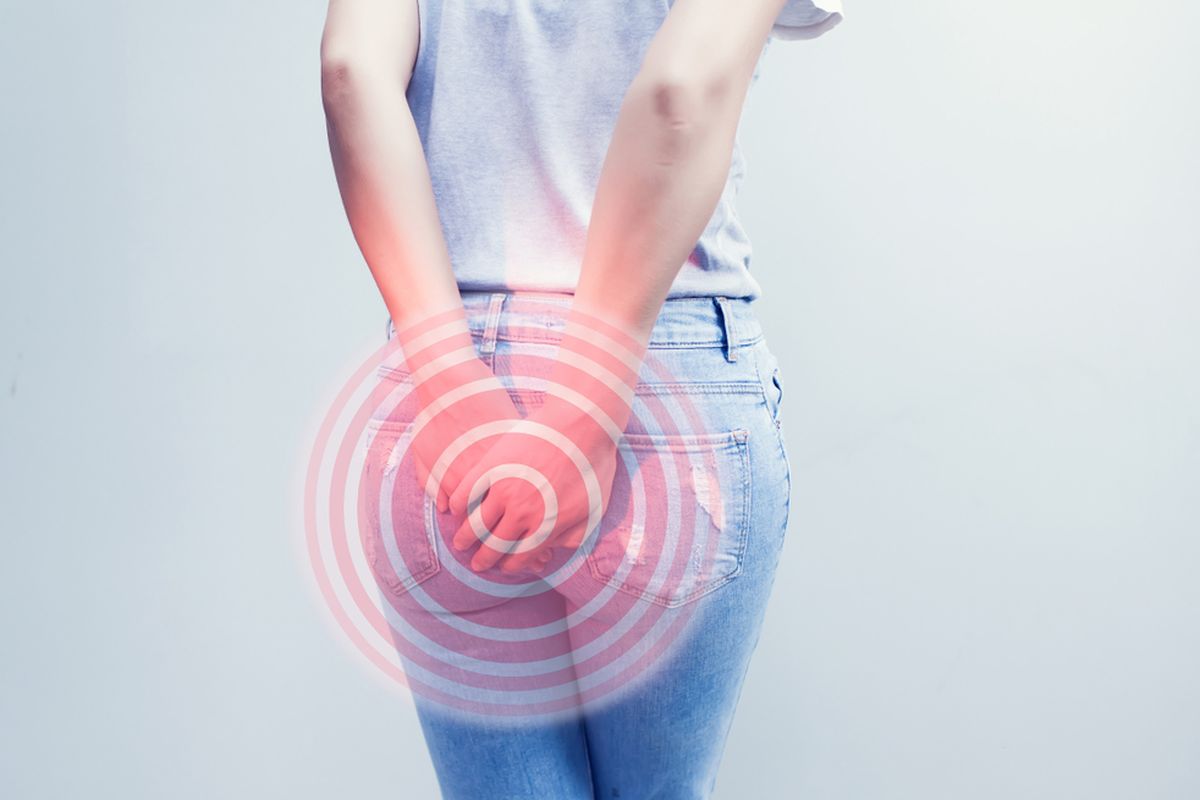
Stage 1 hemorrhoids are often painless. Because they sit inside the anal canal, many people don’t even realize they have them at first. They may only notice a small amount of bright red blood on toilet paper or in the toilet bowl after a bowel movement. This bleeding is usually the first and most common sign.
It’s important to understand that stage 1 is a medical classification used mainly for internal hemorrhoids. External hemorrhoids, which form under the skin around the anus, follow a different path and aren’t categorized by stages in the same way.
Common Early Symptoms
Recognizing stage 1 symptoms can be tricky because they’re usually subtle. However, knowing what to look for can help you take action early. Common signs include:
- Bright red blood after wiping: This is often the first sign and may look more dramatic than it is.
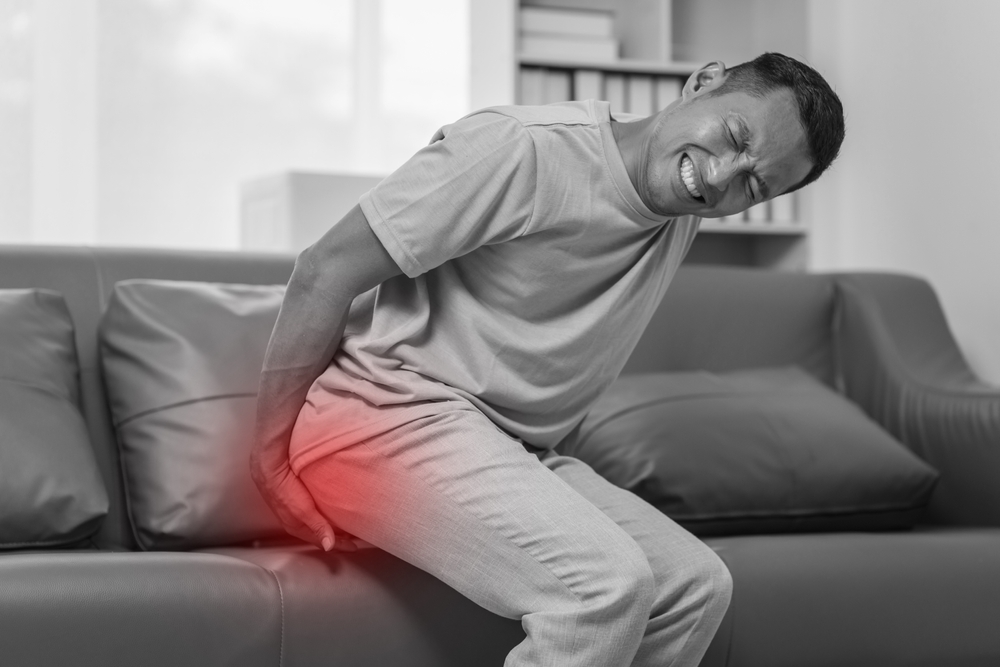
- Mild rectal discomfort: A feeling of pressure or fullness, especially after sitting for a long time.
- Itchiness or irritation: This may occur around the anus if mucus leaks from the rectum.
- A sensation of incomplete bowel movement: You may feel like something is still there, even after finishing.
While these symptoms might seem minor, they’re worth paying attention to—especially if they recur. Early awareness gives you the best chance to manage hemorrhoids naturally before they worsen.
Causes of Stage 1 Hemorrhoids
Hemorrhoids don’t appear out of nowhere. Even in their earliest form, they usually develop because of repeated pressure or strain on the veins in the rectal area. Understanding the common causes of stage 1 hemorrhoids can help you prevent them from progressing—or from forming in the first place.
Here are the key contributors:
Chronic Constipation or Straining
When you regularly strain during bowel movements, you put extra pressure on the veins in the anal canal. Over time, this pressure weakens the vein walls and causes them to swell. Constipation makes things worse, as hard stools are more difficult to pass and require more effort.
Low Fiber Diet
\A lack of hemorrhoid dietary fiber is one of the most common underlying causes. Fiber helps soften stools and makes them easier to pass. Without enough fiber, bowel movements become irregular, harder, and more stressful on your system.
Dehydration
When your body lacks enough water, your stool becomes dry and hard. This leads to straining during defecation, which in turn irritates the anal veins. Proper hydration is essential for smooth digestion and regularity.
Sitting Too Long
Extended periods of sitting—especially on hard surfaces or the toilet—can reduce blood flow and add pressure to the rectal veins. Whether it’s due to a sedentary job or long commutes, sitting for hours at a time can gradually contribute to the development of hemorrhoids.
Pregnancy (for Women)
Pregnancy naturally puts more pressure on the lower abdomen and pelvis. The growing uterus can compress veins in the rectal area, increasing the risk of hemorrhoids. Hormonal changes and constipation during pregnancy can also play a role.
Lack of Exercise
Physical activity keeps your digestive system moving. Without regular movement, bowel function slows down, often leading to constipation. Inactive muscles in the lower body can also reduce blood circulation, which may contribute to hemorrhoidal swelling.
Stress or Poor Gut Health
Ongoing stress can disrupt digestion and lead to constipation or diarrhea—both of which can irritate the anal veins. An unhealthy gut microbiome may also lead to irregular bowel habits, increasing the risk of hemorrhoids over time.
Early Stage Treatments That Work
The good news about stage 1 hemorrhoids is that they’re often reversible with consistent self-care. At this stage, natural and lifestyle-based approaches can be very effective—not only in relieving current symptoms but also in preventing further development. Here’s how to start healing from the inside out.
Lifestyle Adjustments
Small daily changes can make a big difference in relieving pressure on the rectal veins and supporting long-term healing:
- Don’t delay bowel movements: If you feel the urge, go. Holding it in leads to harder stools and more straining later.
- Avoid straining during defecation: Relax and take your time on the toilet. Forcing it puts unnecessary pressure on hemorrhoidal tissue.
- Use a footstool for natural squat position: Elevating your feet while sitting on the toilet mimics a squatting posture, which aligns the rectum more naturally and helps reduce strain.
These habits improve bowel flow and reduce pressure—two key goals in early hemorrhoid care.
Warm Sitz Baths
A sitz bath is a shallow, warm bath that soothes the anal area. It’s one of the simplest, most effective ways to manage discomfort from early hemorrhoids.
- How often to do them: Once or twice daily, especially after bowel movements, for 10–15 minutes.
- Benefits for early stage: Warm water increases blood flow, relaxes the area, and helps reduce inflammation or irritation. You can also add soothing herbs like chamomile or salt to the water for added relief.
Sitz baths are particularly helpful if you experience itchiness, irritation, or a sensation of swelling.
Herbal Solutions
Certain herbs are known for their anti-inflammatory, soothing, or vein-supporting properties. When used correctly, they can enhance the body’s natural healing process.
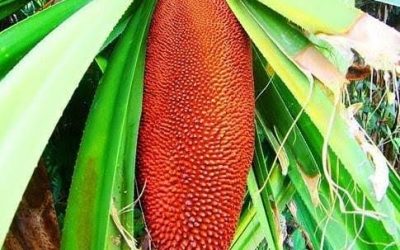
- Buah Merah oil: Traditionally used in Papua, this bright red oil is rich in natural antioxidants and supports vascular health. Applied topically or taken as a supplement, it may help reduce inflammation in hemorrhoidal veins.
- Witch hazel: A classic topical remedy. Its natural astringent properties help shrink swollen tissue and relieve itching.
- Aloe vera gel: Cooling and gentle, aloe can soothe irritation when applied around the anal area.
- Horse chestnut & butcher’s broom: Often used in Europe to strengthen blood vessels and reduce swelling.
- Flavonoid-rich extracts: Compounds found in citrus fruits and certain herbs may support circulation and reduce vein inflammation when taken consistently.
Always use clean, natural products and monitor your body’s response, especially when applying topicals to sensitive areas.
Best Diet for Stage 1 Hemorrhoids
What you eat plays a huge role in preventing and healing stage 1 hemorrhoids. The goal is to keep your digestion smooth, your stools soft, and your bowel movements regular. This takes pressure off the rectal veins and gives them a chance to recover naturally. Here’s how to adjust your diet for better results.
Increase Fiber Intake
Fiber is your first line of defense. It helps bulk up and soften stool, making it easier to pass without strain. Aim to get fiber from whole, natural sources rather than supplements alone.
Include these fiber-rich foods in your daily meals:
- Whole grains: Brown rice, oats, quinoa, and whole wheat bread.
- Legumes: Lentils, chickpeas, black beans, and kidney beans.
- Fruits with skin: Apples, pears, berries, and plums—all packed with both soluble and insoluble fiber.
- Vegetables: Leafy greens like spinach, cruciferous veggies like broccoli and Brussels sprouts, and root vegetables like carrots and sweet potatoes.
Start increasing fiber gradually to avoid bloating or gas, and balance it with plenty of fluids.
Stay Hydrated
Water works hand-in-hand with fiber. Without enough liquid, fiber can actually slow digestion and harden stool. Staying hydrated keeps things moving comfortably.
- Drink 2–3 liters of water daily, depending on your activity level and environment.
- Coconut water is a natural electrolyte source and can be a hydrating alternative.
- Herbal teas such as chamomile, fennel, or ginger can soothe digestion and support hydration.
Try to spread your water intake throughout the day rather than drinking large amounts all at once.
Avoid Trigger Foods
Certain foods can irritate the digestive tract, lead to constipation, or cause inflammation—all of which can worsen hemorrhoid symptoms.
Reduce or eliminate the following if you’re dealing with stage 1 hemorrhoids:
- Spicy foods: Can aggravate sensitive tissue during bowel movements.
- Caffeine and alcohol: Both can dehydrate the body and slow digestion.
- Processed foods: Fast food, chips, and refined carbs often lack fiber and may contain additives that disrupt gut health.
A calm, balanced digestive system starts with what you feed it—nourish your body, and your veins will thank you.
Supplements and Natural Products
Alongside a balanced diet and healthy habits, certain natural supplements can support your body’s healing process from the inside out. These options are particularly helpful if you’re not getting enough nutrients through food alone, or if you’re looking to speed up relief without using harsh medications.
Psyllium Husk
Psyllium husk is a gentle, plant-based fiber supplement made from the outer shell of the Plantago ovata seed. It absorbs water in the gut, helping to soften stool and improve bowel movement regularity.
- Ideal for those struggling with constipation.
- Best taken with plenty of water to prevent blockage or bloating.
- Can be mixed into water, smoothies, or oatmeal.
Start with a small dose and increase gradually based on your needs.
Buah Merah Oil Capsules
Buah Merah oil, traditionally used in Papua, is rich in natural antioxidants and anti-inflammatory compounds. When taken in capsule form, it may support vascular health and reduce internal inflammation.
- Supports the strength of vein walls.
- Helps reduce oxidative stress in the rectal area.
- Complements topical treatments for more complete support.
Choose cold-pressed, high-quality oil for best results.
Probiotics for Gut Health
Your gut microbiome plays a key role in digestion and regularity. A healthy balance of gut bacteria can reduce bloating, ease constipation, and support smoother bowel movements.
- Look for multi-strain probiotics containing Lactobacillus and Bifidobacterium.
- Naturally found in fermented foods like yogurt, kefir, sauerkraut, and tempeh.
Improved gut health can also lower inflammation throughout the body, including in the anal region.
Topical Plant-Based Creams
In addition to internal supplements, certain plant-based creams can soothe external discomfort when needed.
- Look for creams with witch hazel, chamomile, aloe vera, or coconut oil.
- Apply gently to the affected area after cleansing, especially after bowel movements or before bed.
Avoid products with artificial fragrances or strong chemicals, which can irritate sensitive skin.
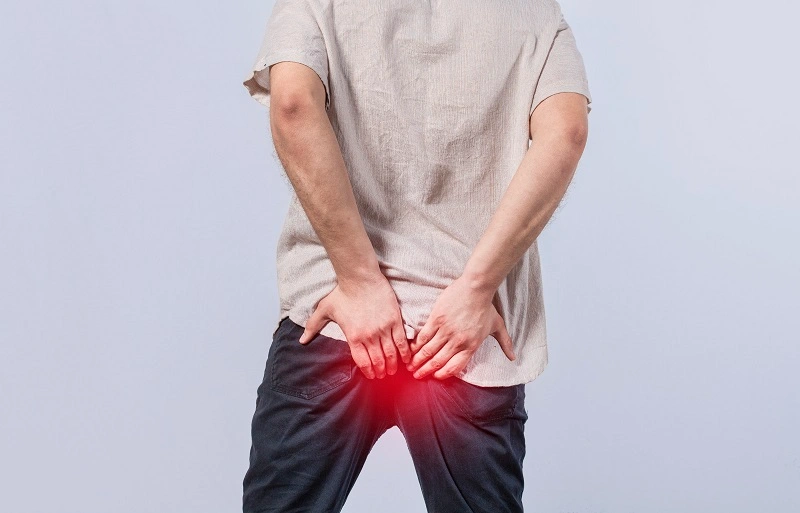
Can Stage 1 Hemorrhoids Go Away Naturally?
Yes, stage 1 hemorrhoids can often go away on their own—especially when you support your body with the right care. Because this is the mildest form of hemorrhoids, it responds well to natural treatments and lifestyle adjustments.
Timeline of Healing
With consistent attention to diet, hydration, hygiene, and herbal support, many people find relief from stage 1 symptoms within 1 to 2 weeks. The swelling can go down, bleeding may stop, and the area can return to normal. Everyone’s body is different, but the earlier you act, the quicker and smoother the recovery tends to be.
What Causes Relapse or Worsening
Even after symptoms improve, it’s important to maintain the habits that helped you heal. If not, hemorrhoids can return—or progress into a more advanced stage. Common relapse triggers include:
- Returning to a low-fiber diet or dehydration
- Straining during bowel movements
- Long periods of sitting without breaks
- Ignoring early warning signs like bleeding or itchiness
Consistency is key. Healing is not just about reducing symptoms—it’s about preventing the cycle from starting again.
When to See a Doctor
While most stage 1 hemorrhoids can be managed naturally at home, there are times when it’s important to seek medical advice. Knowing when to involve a professional can prevent complications and give you peace of mind.
Persistent Bleeding
If you continue to see bright red blood during or after bowel movements for more than a week, it’s best to check with a healthcare provider. Even small amounts of blood should be monitored if they don’t go away, as they could point to other conditions like anal fissures or polyps.
No Improvement After 2–3 Weeks
If your symptoms aren’t improving—despite using sitz baths, herbs, dietary changes, and supplements—it may be time for a closer look. A doctor can confirm whether it’s still stage 1 or if things have progressed to stage 2 or beyond.
Sudden Pain or Prolapse
Sharp pain, a visible lump, or a feeling of something bulging from the anus could mean a hemorrhoid has prolapsed or become thrombosed (clotted). These situations are not typical for stage 1 and require professional treatment.
Rule Out More Serious Issues
Rectal bleeding and discomfort can also be symptoms of other conditions, such as:
- Anal fissures (small tears in the anus)
- Colorectal polyps or inflammation
- In rare cases, colorectal cancer
A simple exam can rule these out and confirm that you’re dealing with a mild internal hemorrhoid—nothing more.
FAQs
Is stage 1 hemorrhoid permanent?
Not necessarily. With early treatment, many stage 1 hemorrhoids go away on their own. They are not considered permanent unless left untreated or repeatedly aggravated. Maintaining good habits is key to preventing them from returning.
Will it turn into stage 2?
It can, but it doesn’t have to. If you ignore the symptoms or continue straining, the hemorrhoid may begin to prolapse and move to stage 2. Taking early action with diet, hydration, and herbal support can stop this progression.
Can I use herbal products only?
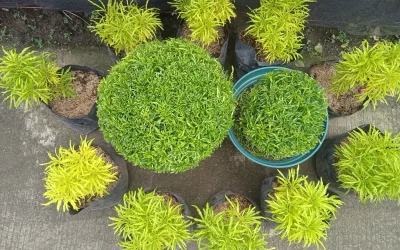
In many cases, yes. Herbal remedies like ant nest plant, witch hazel, and aloe vera can be enough for stage 1 relief—especially when combined with lifestyle changes. However, if symptoms persist, it’s wise to speak with a healthcare provider to rule out other issues.
Is walking helpful?
Yes, walking and other gentle exercises help stimulate digestion, improve circulation, and reduce pressure in the lower body. Even a short walk after meals can support regular bowel movements and prevent strain.
What if I don’t feel pain—am I still okay?
Absolutely. Stage 1 hemorrhoids are often painless. In fact, the most common signs are bleeding or a sense of fullness—not pain. As long as you’re not ignoring symptoms and are making healthy changes, you’re on the right track.
Also read: Myrmecodia: Herbal Benefits and Warnings
Conclusion
Stage 1 hemorrhoids may be small and easy to overlook, but they’re your body’s early signal to slow down, take care of your digestion, and support your veins naturally. The earlier you respond, the better your chances of healing without needing medical procedures.
With the right combination of fiber-rich foods, gentle habits, hydration, and trusted herbal remedies like Buah Merah oil, you can ease symptoms, shrink swelling, and prevent further progression—all from the comfort of your home.
Remember: consistency matters more than intensity. Treat your body with care, and it will respond. Whether you’re here out of curiosity, concern, or a desire to heal naturally, you’re taking a smart, proactive step toward lasting relief.
Feel free to browse our herbal wellness products to find what suits your needs!