Introduction
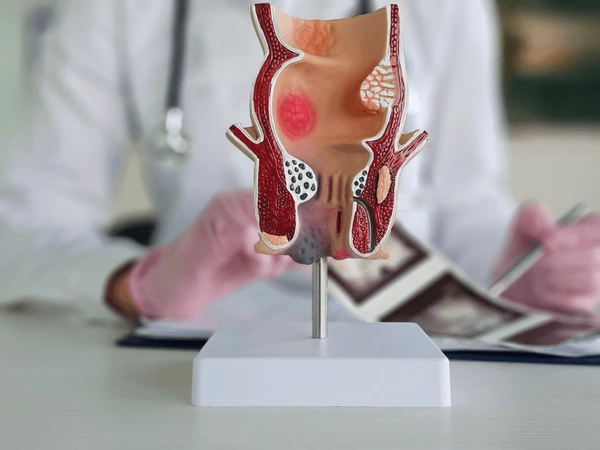
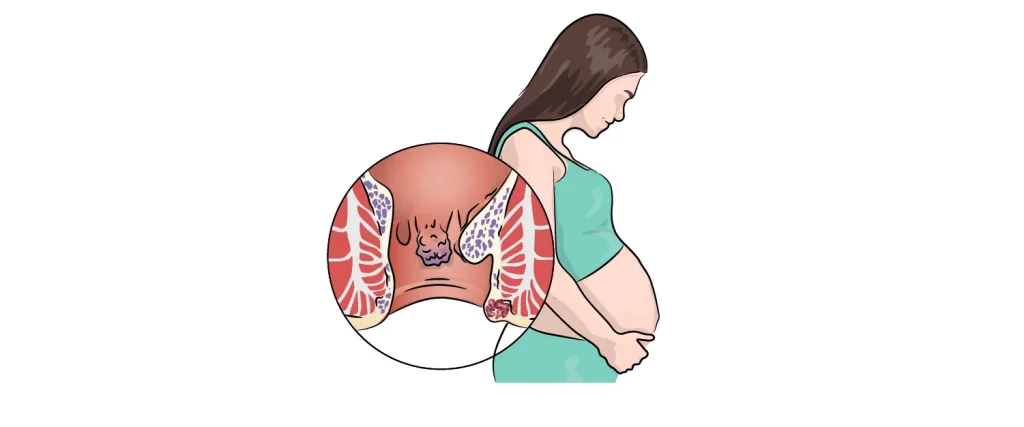
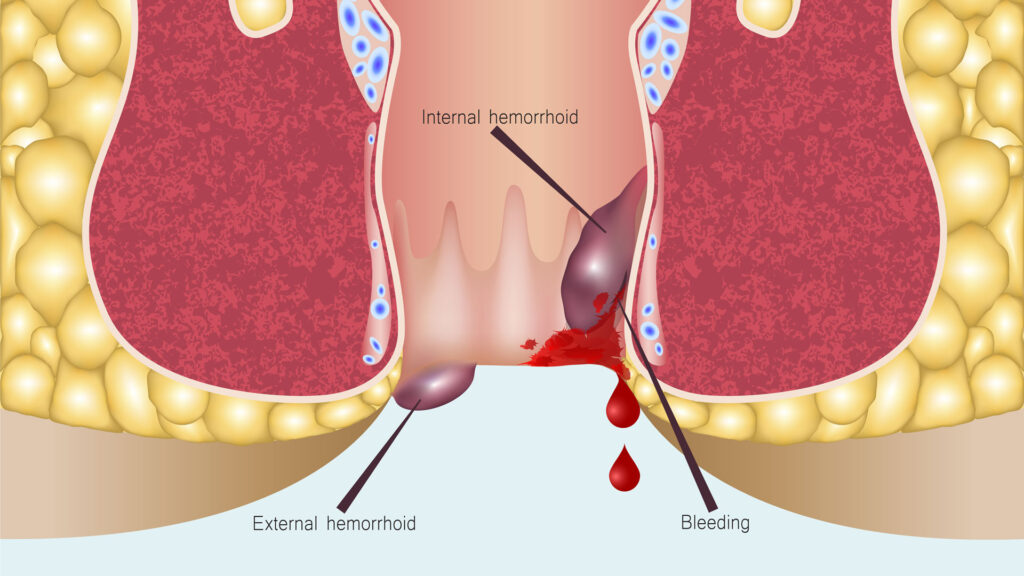
If you’re pregnant and dealing with hemorrhoids, you’re far from alone—and it’s okay to feel uncomfortable, frustrated, or even worried. Hemorrhoids, often described as swollen veins around the anus or lower rectum, are a surprisingly common issue during pregnancy, especially in the second and third trimesters. Though not dangerous in most cases, they can cause real discomfort—itching, pain, swelling, or even bleeding during bowel movements.
For many expectant mothers, this condition can feel both physically and emotionally overwhelming. You might feel embarrassed to talk about it, unsure of which treatments are safe, or anxious about how it could affect your pregnancy or delivery. Add to that the fear of using the wrong product or herb, and it’s easy to feel stuck without clear guidance.
But take a deep breath—you’re in the right place.
This article will walk you through gentle, natural ways to relieve hemorrhoids during pregnancy without compromising your or your baby’s safety. We’ll explore the causes of pregnancy-related hemorrhoids, safe home remedies, hemorrhoid diet and lifestyle tips, and when to seek medical advice. Whether you’re in your first trimester or nearing delivery, there are ways to ease the pain and prevent things from getting worse.
Let’s start by understanding why hemorrhoids happen in pregnancy and what’s going on inside your body when they do.
What Causes Hemorrhoids During Pregnancy?
Hemorrhoids often appear during pregnancy for a few key reasons, and understanding them can help you take steps to prevent or relieve the symptoms. These causes are mostly natural responses to the changes your body is going through, especially as the baby grows.
Increased Pressure from the Uterus
As your baby develops, the growing uterus puts extra pressure on the veins in your lower body—particularly those in the rectal and pelvic areas. This added pressure slows down blood flow and can cause the veins around the anus to swell. Hemorrhoids may be more noticeable when you’re sitting or lying down for long periods, especially in the third trimester when your uterus is at its largest.
Hormonal Changes That Slow Digestion
Pregnancy hormones like progesterone help relax your muscles to support your growing baby, but they also slow down digestion. This can lead to sluggish bowel movements and make you more prone to constipation, one of the biggest contributors to hemorrhoids. When stool sits in the colon too long, it becomes harder and more difficult to pass—leading to straining.
Constipation and Straining
Straining during bowel movements puts direct pressure on the rectal veins, which can cause or worsen hemorrhoids. Constipation is extremely common during pregnancy due to a combination of hormones, iron supplements, and less physical activity. If you’re pushing too hard or too often, hemorrhoids are more likely to form or become painful.
Sitting or Standing for Long Periods
Long periods of sitting—especially on the toilet—or standing without moving much can also lead to poor blood circulation in the lower body. This can make existing hemorrhoids swell or cause new ones to appear. Regular movement and changing positions throughout the day can help reduce this risk.
Is It Safe to Treat Hemorrhoids While Pregnant?
Yes, in most cases, it’s completely safe to treat hemorrhoids during pregnancy—especially when you use natural, gentle methods. Many expectant mothers find relief through simple lifestyle changes, home remedies, and pregnancy-safe herbal care. However, it’s essential to be cautious and informed, as not all treatments are safe for you or your baby.
Most Cases Improve with Lifestyle Changes
Mild to moderate hemorrhoids often improve with adjustments to your daily routine—like changing your diet, staying active, and taking warm sitz baths. These approaches don’t involve medications or invasive treatments and can significantly reduce discomfort while supporting your overall health during pregnancy.
Be Careful with Over-the-Counter Medications
While some over-the-counter creams and suppositories are marketed for hemorrhoid relief, many contain ingredients that may not be safe during pregnancy—especially if used frequently or without guidance. Always talk to your midwife or OB-GYN before applying anything medicated near the rectal area. Some topical steroids, for example, should be avoided unless your doctor specifically recommends them.
Choose Gentle, Natural Approaches First
Many pregnant women find that herbal and natural remedies work well for symptom relief, especially when applied topically. Soothing ingredients like aloe vera, witch hazel, or ant nest plant can calm inflammation and ease discomfort without putting your pregnancy at risk—as long as they’re pure and used properly.
Know When to Call Your Doctor
While most pregnancy-related hemorrhoids are harmless, some signs mean it’s time to get medical advice. If you’re experiencing bleeding, intense pain, or if the hemorrhoid feels like it’s protruding or won’t go back in, don’t wait. Also, if you’ve tried home treatments for more than a week with no relief, your provider can guide you toward safe next steps.
Safe and Effective Ways to Get Rid of Hemorrhoids While Pregnant
When you’re pregnant, the safest way to deal with hemorrhoids is through a combination of gentle self-care, pregnancy-friendly herbs, and small changes in your daily habits. Here are five proven, safe, and natural ways to find relief from hemorrhoid discomfort during pregnancy.
1. Warm Sitz Baths
A warm sitz bath is one of the simplest and most soothing remedies you can do at home. It helps reduce swelling, calms itching, and improves blood flow to the area—providing immediate, gentle relief.
How to Do It:
- Fill a clean shallow tub or a special sitz bath basin with warm (not hot) water.
- Sit in the water so that your hips and bottom are covered, and soak for about 15 minutes.
- Pat the area dry gently with a soft towel—don’t rub.
Safe Frequency:
You can safely do this 1 to 3 times a day, especially after bowel movements.
Optional Additions:
- Add a small handful of Epsom salt (if approved by your doctor).
- Steep a chamomile tea bag in the water for a calming anti-inflammatory effect.
2. Pregnancy-Safe Herbal Remedies
Certain herbal ingredients can provide cooling, anti-inflammatory relief when applied gently around the affected area. Always choose pure, fragrance-free, and alcohol-free versions, and patch test first.
- Buah Merah Oil: This traditional Papuan remedy is rich in natural antioxidants and anti-inflammatory compounds. Used topically, it may help soothe swollen veins and support skin healing. Use just a few drops and apply gently with clean hands or a cotton pad.
- Aloe Vera Gel: Choose pure, unscented aloe vera gel with no additives. Its natural cooling and anti-inflammatory properties help reduce burning or itching.
- Witch Hazel Pads: Look for alcohol-free, fragrance-free witch hazel pads. These are safe when used sparingly and can shrink swollen tissue naturally.
- Chamomile Compress: Brew chamomile tea, let it cool, and soak a soft cloth or pad in it. Apply to the area for a calming, plant-based treatment.
3. Adjust Your Diet
Diet plays a huge role in preventing and relieving hemorrhoids. By keeping your digestion regular and softening your stool, you reduce straining—a major trigger.
Add More Fiber:
- Whole grains like oats and brown rice
- Fruits with skin: apples, pears
- Leafy greens like spinach and kale
- Lentils, beans, and chia seeds
Stay Hydrated:
- Drink plenty of plain water throughout the day.
- Coconut water can help with hydration and electrolytes.
- Prune juice (in moderation) acts as a natural stool softener.
Avoid Common Triggers:
- Too much cheese, white bread, and processed snacks
- Spicy food that can irritate digestion
- Skipping meals, which disrupts regular bowel movements
4. Change Bathroom Habits
Small changes in how and when you go to the bathroom can make a big difference in healing and comfort.
- Don’t Delay Bowel Movements: When you feel the urge, go—waiting only makes stool harder to pass.
- Use a Footstool: Elevating your feet while on the toilet helps straighten the rectum, making it easier to pass stool without straining.
- Wipe Gently: Use plain water or pregnancy-safe wet wipes (unscented, alcohol-free) instead of dry toilet paper. Better yet, rinse with water and pat dry.
5. Light Movement and Posture Changes
Sitting or lying down too long can make hemorrhoids worse. Gentle movement helps blood circulate and keeps digestion active.
- Take Short Walks: Even 10–15 minutes a few times a day can help.
- Avoid Long Sitting Sessions: If you sit a lot during the day, use a cushion and take breaks to stand or stretch.
- Sleep on Your Left Side: This position improves blood flow and reduces pressure on the lower veins and organs.
Products and Ingredients to Avoid During Pregnancy
When treating hemorrhoids during pregnancy, it’s just as important to know what not to use. Some common over-the-counter or “natural” products may seem harmless but can pose risks to you or your baby if used improperly.
Over-the-Counter Corticosteroid Creams
Many hemorrhoid creams contain corticosteroids to reduce inflammation. While some are considered low-risk in short-term use, long-term application or high-potency versions may not be safe during pregnancy. These creams can thin the skin and may absorb into your bloodstream. Always consult your doctor before using any medicated cream, even if it’s labeled for hemorrhoids.
Essential Oils Without OB Approval
Essential oils like tea tree, peppermint, or eucalyptus are often promoted as natural remedies, but they can be too strong for pregnancy, especially when applied directly to sensitive areas. Some may cause allergic reactions or uterine contractions. Avoid essential oils unless your midwife or doctor gives the green light, and never apply them undiluted.
Harsh Astringents or Chemical-Based Ointments
Products that contain strong astringents, alcohol, or synthetic chemicals may dry out or irritate the skin around hemorrhoids. Avoid ointments or wipes with added fragrances, dyes, or preservatives, as these can increase discomfort and aren’t necessary for healing.
Laxatives Not Prescribed by a Doctor
While it’s important to avoid constipation, not all laxatives are safe during pregnancy. Some can trigger cramping or dehydration, which may be harmful in certain trimesters. Avoid stimulant laxatives unless your doctor has specifically recommended them. Opt instead for gentle dietary changes or natural stool softeners approved for pregnancy.
When to See a Doctor
Most pregnancy-related hemorrhoids can be managed safely at home, but there are times when it’s important to involve your healthcare provider. Knowing the signs of more serious issues can help you feel confident in your care and avoid complications.
Bright Red Bleeding
A small amount of blood on the toilet paper can be normal, especially if you’re constipated. But if you notice frequent or heavy bleeding from your rectum—especially if it’s not clearly related to straining during a bowel movement—call your doctor. They may want to check to rule out other causes and ensure you’re not developing anemia.
Sharp Pain or Prolapse
Hemorrhoids that suddenly become very painful, hard, or swollen may be thrombosed, meaning a blood clot has formed inside. These are not dangerous in most cases but can be very painful. If a hemorrhoid is protruding outside the anus and won’t go back in (prolapsed), that’s also a sign to seek medical advice.
No Relief After Home Treatment
If you’ve been following a natural care routine—like sitz baths, herbal compresses, and diet changes—for more than a week without improvement, it’s time to talk to your doctor. You may need a tailored approach or stronger treatments that are still safe during pregnancy.
If Hemorrhoids Affect Your Daily Life or Sleep
Pain that keeps you from sleeping, walking comfortably, or using the bathroom without distress should never be ignored. Your doctor can offer safe solutions to improve your comfort without harming your baby.
FAQs About Hemorrhoids and Pregnancy
Will it get worse during delivery?
It’s possible. The pressure from pushing during labor can cause existing hemorrhoids to swell more or new ones to appear. However, this isn’t always the case—and many women go through delivery without significant changes. Using preventive care during pregnancy can help reduce the risk of a severe flare-up during birth.
Can it go away after giving birth?
Yes, in many cases, pregnancy-related hemorrhoids improve or disappear completely after delivery, especially once the pressure from the uterus is gone and digestion normalizes. Continuing good habits postpartum—like staying hydrated, eating fiber-rich foods, and avoiding straining—can speed up healing.
Will it affect the baby?
No, hemorrhoids themselves do not affect your baby. They are a condition that affects you, not the fetus. However, untreated severe discomfort, bleeding, or infection could indirectly impact your well-being, which is why it’s important to manage them safely.
What if it bleeds?
A small amount of blood—especially bright red—on the toilet paper or in the stool is common with hemorrhoids. But if bleeding is frequent, heavy, or you’re unsure of the source, it’s best to check with your doctor to rule out other causes and ensure you’re not at risk for low iron or other complications.
Is surgery ever needed during pregnancy?
Surgery for hemorrhoids during pregnancy is very rare and usually only considered in severe, persistent cases that don’t respond to any other treatment and are causing significant pain or complications. Most doctors will recommend conservative care during pregnancy and consider surgical options only after delivery if needed.
Preventing Hemorrhoid Flare-Ups in Pregnancy
Once you’ve found relief, the next step is preventing hemorrhoids from coming back—or at least reducing the chances of a painful flare-up. These habits are not only safe during pregnancy but also support your overall well-being before and after birth.
Continue a Fiber-Rich Diet
A balanced, fiber-filled diet keeps your digestion regular and your stools soft—reducing the need to strain.
- Eat fruits and vegetables daily, especially those with skin.
- Choose whole grains like oats, brown rice, and barley.
- Include legumes like lentils, beans, and chickpeas.
- Snack on seeds like chia or flax, which also help hydration.
Stay Active
Gentle physical activity supports circulation and helps your digestive system stay on track.
- Take short daily walks, even around the house or garden.
- Try prenatal yoga or stretching to stay limber.
- Avoid sitting for long stretches; stand and stretch every hour if you work at a desk.
Avoid Heavy Lifting
Lifting heavy objects can strain the lower abdominal muscles and worsen hemorrhoids. Ask for help when needed, especially in later trimesters, and use proper posture to protect your pelvic area.
Use Herbal Products Regularly for Maintenance
Even after symptoms ease, applying herbal compresses or oils once or twice a week can help keep the area calm and healthy.
- A few drops of myrmecodia or aloe vera gel after a shower can soothe sensitive skin.
- Witch hazel pads (alcohol-free) may be used occasionally for freshness and tone.
Create a Postnatal Care Plan
Hemorrhoids can return after childbirth, especially if you had a long labor or pushed hard. Prepare ahead:
- Keep fiber and fluids a part of your daily routine.
- Stock gentle wipes and sitz bath supplies before birth.
- Discuss postpartum recovery tips with your midwife or doctor.
Conclusion
Hemorrhoids during pregnancy are a common and frustrating experience—but thankfully, they’re also very treatable with gentle, natural care. From warm sitz baths to pregnancy-safe herbs like ant nest plant and aloe vera, there are many ways to soothe discomfort without risking your health or your baby’s.
By understanding what causes hemorrhoids and making small shifts in your diet, bathroom habits, and movement, you can not only find relief but also reduce the chance of future flare-ups. And if symptoms ever become too painful or persistent, don’t hesitate to speak with your doctor—safe support is always available.
Your comfort matters, especially during such an important season of life. Healing takes time, but with care, patience, and the right support, you can feel better soon.
Feel free to browse our herbal wellness products to find what suits your needs!