Introduction
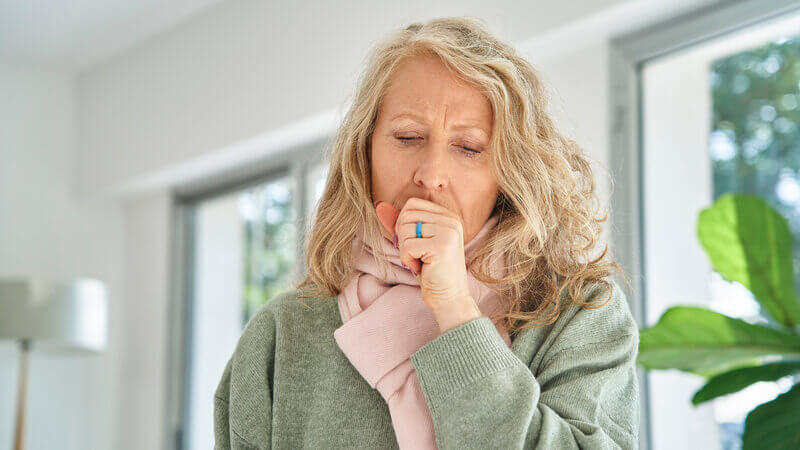
If you’ve been coughing a lot lately and suddenly noticed some discomfort “down there,” you’re not alone in wondering: Can coughing cause a hemorrhoid?
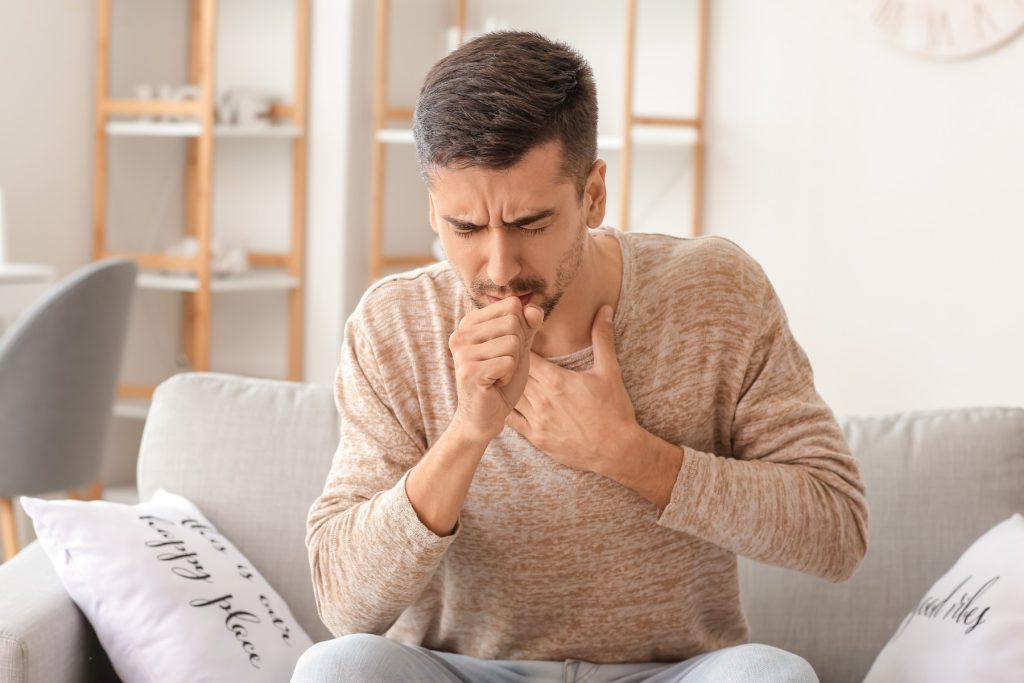
The short answer is yes—frequent, forceful coughing can contribute to the development or worsening of hemorrhoids. While coughing itself might seem harmless, repeated pressure in the abdominal and pelvic area can strain delicate veins in the rectum, leading to swelling, pain, and even rectal bleeding.
This connection is especially important for people who are already at higher risk—like those recovering from childbirth or surgery, those with chronic lung issues, or anyone dealing with constipation. If you fit into one of these categories, understanding how this works isn’t just helpful—it’s essential for your long-term comfort and wellness.
In this article, we’ll explore how coughing and hemorrhoids are linked, what signs to watch out for, and most importantly, what you can do to prevent or manage this uncomfortable situation—naturally and safely.
Can Coughing Cause a Hemorrhoid?
Many people are surprised to learn that something as common as coughing can be linked to hemorrhoids. But the science behind it is simple: when you cough forcefully and repeatedly, you increase pressure inside your abdomen. That internal force doesn’t just stay in your chest—it travels downward, affecting the veins in your lower rectum.
How Hemorrhoids Form
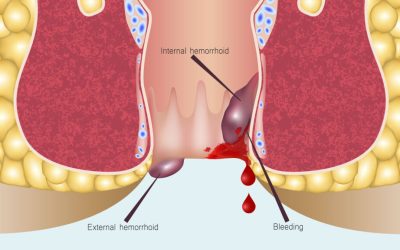
Hemorrhoids are swollen blood vessels in the lower rectum or anus. They can form when the veins in that area become irritated or over-pressurized. This often happens due to:
- Straining during bowel movements
- Sitting for long periods
- Chronic constipation or diarrhea
- Inflammation in the digestive tract
- Pregnancy or childbirth
But coughing—especially when frequent and intense—adds another layer of strain. Think of your rectal veins like small balloons. When you apply sudden pressure, they stretch. If that pressure happens over and over, the veins can swell, become inflamed, and start causing pain or bleeding.
Role of Intra-Abdominal Pressure
Every time you cough, sneeze, or even laugh hard, you briefly increase pressure inside your belly. This is called intra-abdominal pressure. It’s a normal body response—but when it happens repeatedly or forcefully, it can stress the veins around your rectum.
This same pressure mechanism is involved in:
- Heavy weightlifting
- Giving birth
- Constipation and pushing during bowel movements
- Certain types of exercise
Coughing fits, especially those that come with illnesses like bronchitis, asthma, or the flu, can have a similar effect. If your abdominal muscles are pushing downward with each cough, they can slowly weaken the tissue that supports your veins.
Types of Hemorrhoids That May Be Affected
Both internal and external hemorrhoids can be triggered or worsened by pressure from coughing:
- Internal hemorrhoids are located inside the rectum. You might not feel them at first, but coughing pressure can make them prolapse, meaning they bulge out through the anus and cause pain or bleeding.
- External hemorrhoids are under the skin around the anus. Pressure can cause them to swell or even clot, resulting in a hard, painful lump.
If you already have mild hemorrhoids, a severe coughing spell can be enough to cause a flare-up.
When Coughing Becomes a Risk
A single cough here or there won’t usually cause problems. But when coughing becomes chronic or forceful, it turns into a real risk factor—especially if other conditions are also putting pressure on your lower body.
Chronic Cough (Bronchitis, Asthma, COPD)
If you’re dealing with a long-term respiratory condition like chronic bronchitis, asthma, or chronic obstructive pulmonary disease (COPD), coughing is often part of your daily life. Unfortunately, this constant pressure on the abdomen builds up over time.
These repeated bouts of coughing can strain the pelvic floor and rectal veins, especially if you’re already prone to hemorrhoids due to lifestyle or age. It’s not uncommon for people with chronic lung issues to experience flare-ups in hemorrhoid symptoms—especially during cold weather or seasonal allergies.
Postpartum Recovery or Third Trimester Pregnancy
During pregnancy, your body undergoes major changes, including increased pressure in the abdomen from the growing uterus. If a cough enters the picture—whether from a cold or allergy—it can quickly tip the balance.
The third trimester is especially sensitive. The veins in your lower body are already under pressure, and the hormone progesterone causes blood vessels to relax, making them more prone to swelling. After childbirth, your pelvic floor is still healing, and coughing can delay that recovery or trigger hemorrhoids that didn’t appear during pregnancy.
Recent Surgery with Straining Risk
Recovering from abdominal or pelvic surgery? Coughing isn’t just painful—it can actually interfere with healing. Surgical sites and internal tissues are vulnerable, and coughing creates pressure that radiates through the core and down to the rectum. This is why doctors often recommend supporting your abdomen with a pillow when you need to cough post-op.
In this case, the risk isn’t just developing a new hemorrhoid—it’s reopening or straining healing tissue, which makes prevention and protection even more important.
Cough + Constipation = Compounding Pressure
On their own, coughing and constipation can each raise your risk of hemorrhoids. But when they happen together? The pressure multiplies. Constipation makes you strain during bowel movements, while coughing adds extra force from above.
This combination is particularly common during cold or flu season, when people often change their eating habits, drink less water, and use medications that dry out the body—all of which slow digestion. If you’re sick and coughing, don’t ignore your bowel habits. Keeping things moving gently can make a big difference in preventing rectal issues.
Symptoms to Watch For
If you’ve been coughing a lot and suspect something’s not quite right down below, your body might be giving you warning signs. Recognizing early symptoms of hemorrhoids triggered or worsened by coughing can help you take action before things get more painful.
Pain or Pressure During Bowel Movements
One of the first signs is a sense of discomfort or pressure when using the toilet. This can feel like a dull ache or a sharp pain, especially if internal hemorrhoids have become irritated or if external ones are swollen. If coughing has increased your intra-abdominal pressure, your bowel movements might feel more strained than usual.
Swelling Around the Anus After Coughing Fits
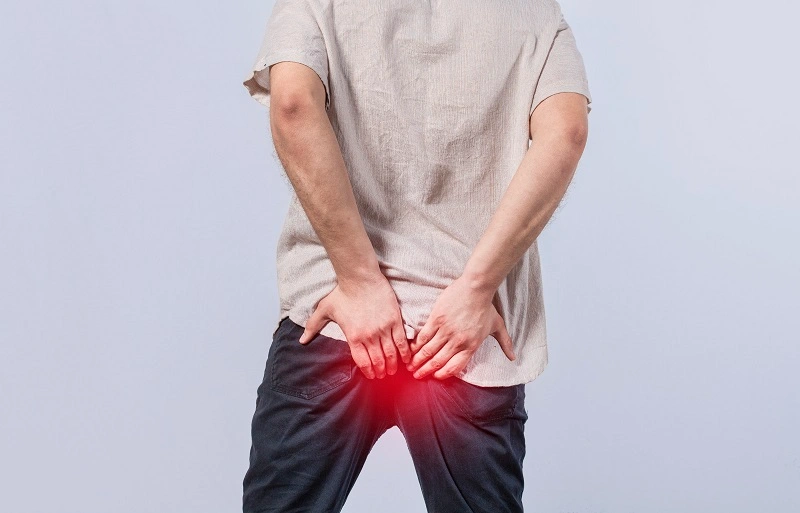
After a strong or prolonged coughing episode, you might notice puffiness or a bulge near your anus. This is a common sign of external hemorrhoids becoming inflamed. The area may feel tender to the touch or sore when sitting.
Bright Red Blood After Coughing and Defecation
Small amounts of bright red blood on toilet paper or in the bowl can appear if a hemorrhoid has been irritated or broken from pressure. While this might be alarming, it’s a fairly common symptom. Still, it’s a sign your body needs gentler handling—and possibly some soothing care.
If you notice blood right after both coughing and going to the bathroom, that could be a clue that your coughing is triggering a hemorrhoid response.
Throbbing Pain When Sitting
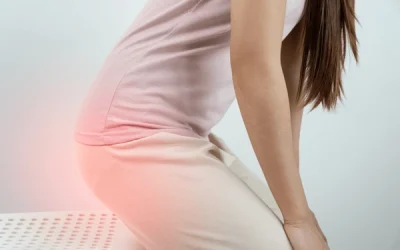
When external hemorrhoids are swollen, even simple activities like sitting can become uncomfortable. You might feel a deep, throbbing pain, especially after a long coughing fit. This discomfort can worsen if you sit for extended periods without movement.
Discomfort After Sneezing
Sneezing, like coughing, causes a sudden burst of intra-abdominal pressure. If sneezing leads to rectal discomfort, it’s likely that the tissue around your veins is already sensitive—another clue that hemorrhoids may be developing or worsening.
Safe Ways to Prevent Hemorrhoids if You Cough a Lot
If coughing is part of your daily life—whether from a lingering cold, asthma, or another condition—it’s essential to take steps that protect your rectal and vein health. The good news is, there are natural, simple strategies you can start today to reduce pressure and support your body’s resilience.
1. Manage the Underlying Cough
The first step is to address the cough itself, because prevention begins at the source of pressure.
- Treat respiratory issues properly: Whether it’s a viral infection, allergies, asthma, or chronic bronchitis, follow your doctor’s guidance and avoid self-medicating long-term.
- Avoid smoking and smoky environments: Smoke irritates the lungs and prolongs coughs, especially in people with sensitive airways.
- Use natural soothing aids: Herbal lozenges, warm teas with ginger or honey, and steam inhalation can calm the urge to cough.
- Try a humidifier: Dry indoor air often worsens coughing. Moisture in the air helps keep the throat and lungs more comfortable.
Relieving the cough doesn’t just make you feel better—it eases pressure on your abdominal wall and helps prevent hemorrhoid development.
2. Support Rectal Health Through Diet
Your digestive health plays a huge role in hemorrhoid prevention. One of the best defenses is to prevent constipation, so your body doesn’t have to strain during bowel movements (especially when also coughing).
- Eat fiber-rich foods: Think leafy greens, oats, sweet potatoes, bananas, papaya, and seeds like chia or flax.
- Avoid constipating foods: Too much processed food, dairy, or heavily spiced meals can irritate the gut and slow digestion.
- Stay hydrated: Water helps fiber do its job. Warm herbal teas can also be a gentle digestive aid, especially if you’re recovering from illness.
Making small dietary changes consistently is more powerful than relying on quick fixes when problems arise.
3. Strengthen Vein and Gut Health with Herbs
Certain traditional herbal remedies can support circulation, vein strength, and inflammation relief—all of which are helpful in preventing hemorrhoids, especially if you’re coughing regularly.
- Buah Merah Oil: Traditionally used in Papua Indonesia, this red fruit oil contains natural antioxidants and anti-inflammatory compounds. It may help support vein health and tissue repair when taken consistently as part of a balanced herbal routine.
- Horse chestnut and witch hazel: Known for their astringent properties, these are often used to support vein tone and reduce swelling (with doctor approval).
- Gotu kola: This herb supports circulation and connective tissue, making it a potential ally in maintaining healthy vein walls.
- Natural stool softeners: Prunes, aloe vera juice, and papaya are gentle ways to keep digestion moving without strain.
As always, it’s wise to consult your health provider—especially if you’re pregnant, breastfeeding, or taking medications.
4. Lifestyle Adjustments
Changing a few daily habits can make a significant difference in reducing strain from coughing.
- Don’t suppress or force coughs: Holding in a cough or coughing too forcefully can increase internal pressure even more.
- Brace your abdomen when you cough: Place a pillow or your hands over your lower belly to help absorb the force.
- Avoid sitting for too long: Especially on hard surfaces. Get up, stretch, or take short walks to keep blood flowing.
- Add gentle movement: Light stretching or walking supports circulation and keeps the pelvic area from becoming congested.
These small, mindful practices can relieve day-to-day pressure and support long-term comfort—even if your cough persists.
What If You Already Have Hemorrhoids and Are Coughing?
Coughing when you already have hemorrhoids can feel like adding fuel to a fire. The discomfort might increase, and the risk of a flare-up becomes real. But don’t panic—there are ways to minimize irritation, manage symptoms gently, and know when it’s time to seek medical advice.
Minimize Aggravation
To reduce discomfort and prevent further strain, try these soothing and supportive strategies:
- Sitz baths: Sitting in warm water for 10–15 minutes can relax the anal muscles and reduce inflammation. It’s especially helpful after coughing spells or bowel movements.
- Cold compresses: Applying a cool, soft compress to the anal area after a coughing fit can help reduce swelling and numb any sharp pain.
- Use gentle, herbal creams: Look for ointments with witch hazel, aloe vera, or chamomile. These natural ingredients help calm irritated tissue without the harshness of chemical treatments.
- Avoid harsh wiping: Use soft, unscented toilet paper or rinse gently with water. Consider using a bidet or wet wipes made for sensitive skin.
These steps won’t cure hemorrhoids, but they can help prevent them from worsening during a coughing episode.
Talk to a Doctor If You Notice:
While many mild hemorrhoid cases can be managed at home, certain symptoms should be checked by a medical professional:
- Persistent bleeding: Bright red blood that continues or increases could signal more than just a minor flare-up.
- Worsening during illness: If your hemorrhoids get significantly worse during a cold or flu, you may need supportive care to prevent complications.
- Pain while coughing or sitting: If the pressure causes sharp or lingering pain, your hemorrhoids may be severely inflamed or thrombosed (clotted).
- Signs of prolapse: A feeling of something “coming out” of the anus, especially after coughing, could mean an internal hemorrhoid has prolapsed and needs medical attention.
Don’t hesitate to seek help. Early care can prevent bigger problems down the road—and help you recover more comfortably.
Long-Term Prevention Strategy
If you’ve experienced hemorrhoids—or are at risk due to chronic coughing, constipation, or other factors—prevention is your best ally. By supporting your core, your veins, and your digestion, you can reduce the likelihood of flare-ups and protect yourself during future bouts of coughing or illness.
Strengthen the Core and Pelvic Area
Your core muscles and pelvic floor help support everything in your abdomen—including the veins around your rectum. When these muscles are weak (after childbirth, surgery, or illness), pressure from coughing has nowhere to go but downward.
- Light core exercises: Once you’re healed and cleared by a doctor, gentle moves like pelvic tilts, bridges, or modified planks can help strengthen your abdomen.
- Pelvic floor awareness: Learning to activate and relax the pelvic muscles (sometimes called Kegels) can improve blood flow and support proper function.
- Postpartum recovery: After birth, allow time for gradual healing. Avoid heavy lifting or forceful coughing without abdominal support.
Strength doesn’t mean strain. Think slow, gentle movements that build stability over time.
Maintain Digestive Health
A healthy digestive system reduces your risk of straining and keeps bowel movements smooth and regular.
- Eat consistent fiber: Build a routine that includes fiber at every meal—vegetables, fruits, grains, and seeds all help bulk and soften stool.
- Incorporate probiotic foods: Fermented foods like tempeh, kefir, kimchi, and yogurt (if tolerated) support gut balance.
- Stay active and hydrated: Movement stimulates digestion, and water keeps things moving without friction.
Digestive balance isn’t just about avoiding discomfort—it’s central to preventing hemorrhoids from forming in the first place.
Herbal Tonics for Long-Term Support
Some herbal supplements, when used regularly and responsibly, may help protect vein and tissue health:
- Buah Merah Oil capsules: Rich in antioxidants and anti-inflammatory compounds, this traditional oil may support overall vascular tone and tissue resilience, especially when used as part of a wellness routine.
- Gotu kola and rutin: Herbs and compounds known to promote vein integrity and circulation.
- Turmeric and ginger: Anti-inflammatory herbs that also aid digestion and reduce gut irritation.
As always, herbal tonics work best as part of a balanced lifestyle—not a replacement for medical care.
FAQs
Can coughing cause a hemorrhoid to burst?
While it’s rare, severe or repeated coughing can increase pressure enough to irritate or rupture an already inflamed hemorrhoid—especially if it’s external and swollen. If you notice a sudden increase in pain, swelling, or bleeding after coughing, it’s best to rest, apply a cold compress, and check in with your healthcare provider.
What about sneezing or vomiting?
Yes—sneezing and vomiting can have similar effects to coughing. They both create spikes in intra-abdominal pressure, which can strain rectal veins. If you’re already vulnerable, a strong sneeze or a bout of vomiting could potentially trigger a hemorrhoid flare-up or worsen existing symptoms.
Should I worry if I cough and see blood?
Not always—but don’t ignore it. If you notice bright red blood after coughing and using the bathroom, it may be from a minor hemorrhoid tear. But if the bleeding continues, increases, or comes with pain, get it checked to rule out other causes. Bleeding that occurs without bowel movement may signal something different and needs medical attention.
Is it safe to exercise with hemorrhoids and cough?
Light exercise like walking or gentle stretching is usually fine and can even help improve circulation and digestion. However, avoid straining exercises like heavy lifting or intense core workouts until your symptoms improve. And if coughing worsens your pain during movement, it’s a sign to rest or modify your routine.
Can I use herbal oil during flu if I have hemorrhoids?
Yes—many herbal oils, including ant nest plant, can be safely used during cold or flu season to support immune function, reduce inflammation, and ease digestive discomfort. Just be sure to use products that are gentle and natural, especially if applying topically near sensitive areas. If you’re pregnant or on medication, consult a healthcare provider before starting any herbal supplement.
Also read: Myrmecodia: Herbal Benefits and Warnings
Conclusion
So—can coughing cause a hemorrhoid? Yes, it can. When you cough frequently or forcefully, the pressure builds in your abdomen and travels downward, placing strain on the delicate veins in your rectal area. Over time, this can lead to the development or worsening of hemorrhoids—especially if other risk factors like constipation, pregnancy, or a sedentary lifestyle are also present.
But here’s the good news: it’s manageable. With a few mindful changes—like supporting your cough recovery, adjusting your hemorrhoid diet, using gentle herbal remedies, and protecting your core—you can reduce your risk and ease your symptoms naturally.
Whether you’re recovering from illness, navigating postpartum healing, or dealing with a chronic cough, small daily choices can protect your comfort and help prevent hemorrhoid flare-ups.
Feel free to browse our herbal wellness products to find what suits your needs!