Introduction
You’re in pain, and it’s not the kind of pain that’s easy to ignore. Maybe there’s a swollen lump near your anus that’s throbbing, itchy, or making it hard to sit. You’ve probably Googled your symptoms and figured out it’s a hemorrhoid. Now, you’re wondering something serious — can I pop a hemorrhoid?
Let’s pause here. That question usually comes from a place of urgency, fear, and frustration. It’s completely understandable. Hemorrhoids are uncomfortable and can feel like they’re about to burst, especially when they swell or turn bluish and tender. It’s tempting to treat them like a pimple — to push, prod, or even pop them in hopes of quick relief.
But here’s the truth: you should never, ever try to pop a hemorrhoid.
Doing so can lead to severe bleeding, infection, and complications that are far worse than the original discomfort. Thankfully, there are much safer, faster, and more natural ways to ease your symptoms and support your body’s healing process. This article will guide you through exactly why popping is dangerous, what to do instead, and how to recover comfortably — without risking more harm.
Let’s start by answering your most urgent question.
Can I Pop a Hemorrhoid? The Direct Answer
Let’s be absolutely clear: No, you should never pop a hemorrhoid. It is not a pimple. It’s a swollen blood vessel — and bursting it open can cause serious harm. Unlike the clogged pores on your skin, hemorrhoids are part of a delicate vascular system with far more blood flow, surrounded by sensitive tissue and nerve endings.
Trying to pop a hemorrhoid can cause it to rupture in a dangerous way, leading to uncontrolled bleeding, infection, and severe pain. Even if the pressure and swelling feel unbearable, forcing it open is not a safe or effective solution.
Why You Shouldn’t Treat Hemorrhoids Like Pimples
The temptation to pop comes from a natural instinct — when we see a swollen bump, we assume it’s something that needs to drain. That logic works for pimples, but hemorrhoids are completely different.
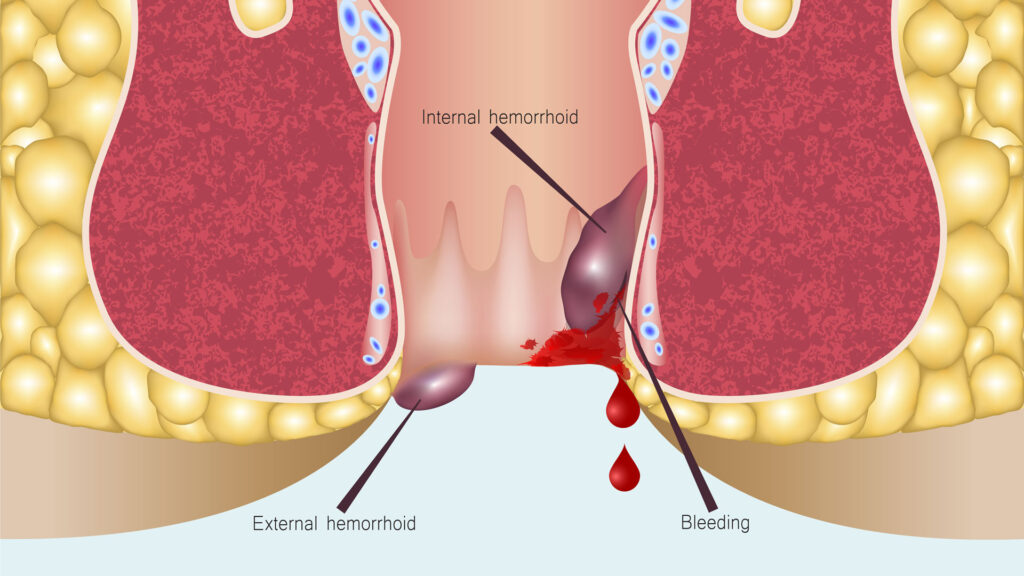
A pimple is a blocked pore filled with oil and bacteria, often close to the skin’s surface. A hemorrhoid, on the other hand, is a bulging vein under the skin or mucous membrane of the anal area. When irritated, it can become inflamed, thrombosed (filled with a blood clot), or even prolapsed (pushed outward). None of this is “drainable” in a safe way.
Why Hemorrhoids Bleed Heavily When Damaged
Hemorrhoids are part of the venous system that helps circulate blood back to the heart. These veins are under constant pressure, especially when you’re straining during bowel movements, lifting heavy objects, or even sitting for long periods.
If punctured, these vessels can bleed a lot. Not just a little spotting — we’re talking about potentially alarming, hard-to-control bleeding that may require emergency medical care.
In short: popping a hemorrhoid doesn’t help. It creates a wound in one of the most bacteria-rich and sensitive areas of the body, with risks that far outweigh any imagined relief.
What Happens If You Pop a Hemorrhoid
If you’re still considering popping a hemorrhoid, it’s important to understand exactly what can go wrong. The risks aren’t just hypothetical — many people have ended up in emergency rooms after trying to take matters into their own hands. Here’s what could happen:
Severe Bleeding Risk
A hemorrhoid is essentially a swollen, fragile blood vessel. When you pop it, you’re tearing into that vessel, which can release a significant amount of blood.
This isn’t like a nick from shaving — it’s a deep, vascular bleed that may not stop easily. In some cases, the bleeding can become so heavy that it leads to dizziness, weakness, or the need for medical intervention.
For people with anemia, blood clotting disorders, or those who are pregnant, the danger is even higher.
Infection and Abscess Formation
Your anal area is warm, moist, and full of bacteria — the perfect conditions for infection. Popping a hemorrhoid creates an open wound right in the middle of this environment.
From there, bacteria can easily enter the broken skin and cause cellulitis (a painful skin infection), or worse — a perianal abscess, which is a pocket of pus that may require surgical drainage. In rare but serious cases, this infection can spread deeper and lead to sepsis, a life-threatening condition.
Extreme Pain and Delayed Healing
There are a lot of nerve endings in and around the anus. When a hemorrhoid is popped, those nerves can be exposed, causing intense, burning pain that lasts far longer than the original discomfort.
Even worse, the torn tissue may not heal properly, leading to chronic wounds or repeated flare-ups. What started as a swollen lump can turn into a long-term issue that interferes with your daily life.
Worsening of Hemorrhoids
Sometimes, trying to fix a problem only makes it worse. Popping a hemorrhoid can cause scar tissue to form, which may trap blood flow and lead to even larger, more stubborn hemorrhoids later on.
In other cases, the trauma causes new hemorrhoids to form nearby. What was once a single sore lump could turn into a recurring, painful cycle of swelling and damage.
Why Hemorrhoids Sometimes Feel Like They Need to Be Popped
If you’re feeling intense pressure, swelling, or the urge to push on the lump, you’re not alone. Hemorrhoids — especially external ones — can create the illusion that they need to be drained or popped. But that sensation has a very different explanation.
Thrombosed Hemorrhoids: The Source of Pressure
In many cases, that “ready to burst” feeling comes from a thrombosed hemorrhoid. This happens when a blood clot forms inside an external hemorrhoid, causing it to swell quickly and become firm, bluish, and extremely tender to the touch.
The skin stretches tightly around the clot, which can make it look and feel like something is trapped under the surface — similar to a large, painful pimple. But this is not a blockage that needs squeezing. It’s a blood vessel injury, and applying pressure or trying to pop it can make everything worse.
The Illusion of Needing Relief
The anal area is rich in nerves. When there’s swelling or clotting, it sends strong signals to the brain — tightness, fullness, or a sense that something needs to “come out.” That can create an urge to push or press. But again, this is a vascular issue, not a fluid build-up that needs to be released.
Blood Clot Formation: A Body Response, Not a Blockage
The clot in a thrombosed hemorrhoid is your body’s way of responding to vein injury. It’s not pus, and it’s not meant to be removed by force. In some rare cases, doctors may make a small incision to relieve the pressure under sterile conditions, but this is a medical procedure — not something to attempt at home.
Internal vs External Hemorrhoids
Not all hemorrhoids are visible or cause the same sensation. Internal hemorrhoids form inside the rectum and may not be felt unless they prolapse (bulge out). These typically cause bleeding during bowel movements but don’t feel “pop-able.”
External hemorrhoids, especially when thrombosed, are the ones most likely to cause that bulging, painful pressure. But again, pressure doesn’t mean pop. It means soothe, support, and reduce inflammation — not rupture.
What To Do Instead of Popping a Hemorrhoid
The good news is, there are far safer and more effective ways to relieve hemorrhoid discomfort — without causing damage or risking infection. Whether you’re dealing with pain, swelling, or that constant pressure, here’s what you can do instead.
Immediate Relief Methods
Sometimes, you just want the pain and pressure to stop. These simple, gentle practices can calm inflammation and help you feel more comfortable right away:
- Warm Sitz Baths
Soaking your bottom in warm water (not hot) for 15–20 minutes can relax the anal muscles, reduce swelling, and ease pain. Do this two to three times daily or after bowel movements. Adding a handful of Epsom salts or soothing herbs like chamomile can enhance the effect. - Cold Compress Timing
For sharp pain or intense swelling, a cold pack wrapped in a clean cloth can help numb the area and reduce inflammation. Apply for 10–15 minutes at a time, but never place ice directly on the skin. - Gentle Cleansing Techniques
After using the toilet, avoid dry or rough toilet paper. Use unscented, alcohol-free wipes or rinse with water using a peri bottle. Pat dry with a soft towel — no rubbing.
Natural and Herbal Relief Options
Nature offers several soothing remedies that support healing and comfort without harsh chemicals:
- Aloe Vera Gel (Pure and Unscented)
Known for its cooling, anti-inflammatory effects, aloe vera can help soothe itching and irritation. Use only pure gel without added fragrance or alcohol. - Witch Hazel (Alcohol-Free)
Witch hazel is a classic remedy for hemorrhoids. It acts as a natural astringent, helping to shrink tissue and relieve burning or itching. Use pre-soaked pads or apply with a clean cotton ball. - Chamomile Compress
Brew a strong cup of chamomile tea, let it cool, then soak a soft cloth and apply it to the area. Chamomile is known for its calming and anti-inflammatory properties. - Turmeric Paste (For External Use Only)
Turmeric contains curcumin, a natural anti-inflammatory compound. A small amount of turmeric mixed with coconut oil may reduce swelling — but always test on a small patch first to avoid irritation. - Buah Merah Oil
Traditionally used in Papua, Buah Merah oil is valued for its natural antioxidant properties and support for circulation. Applied topically (in diluted form), it may help reduce inflammation and promote skin repair around the affected area.
Diet Changes That Reduce Pressure
What you eat can directly affect how much strain you put on hemorrhoids:
- High-Fiber Foods
Think fruits, vegetables, oats, legumes, and seeds. Fiber softens stool and makes it easier to pass without straining. - Hydration
Drinking enough water helps keep your digestive system moving smoothly. Aim for consistent hydration throughout the day, especially if increasing your fiber intake. - Stool Softening Strategies
Prunes, psyllium husk, or natural fiber supplements (if needed) can ease bowel movements. Avoid laxatives unless recommended by a healthcare provider.
Bathroom Behavior Fixes
Changing small habits in the bathroom can prevent hemorrhoids from getting worse:
- No Straining
Don’t force a bowel movement. Let it come naturally. Straining increases pressure on swollen veins. - No Phone Sitting
Avoid lingering on the toilet, especially with distractions like your phone. The longer you sit, the more pressure you place on hemorrhoids. - Footstool Posture
Elevate your feet with a small stool when sitting on the toilet. This changes the angle of your body and makes bowel movements easier.
How Long Hemorrhoids Take to Heal
When you’re in pain, it’s natural to wonder how long this will last. The healing time for hemorrhoids varies depending on the type, severity, and how you care for them. The good news is, most hemorrhoids do heal — especially when treated gently and supported with healthy habits.
Mild Hemorrhoids Timeline
For mild external or internal hemorrhoids that are not thrombosed or prolapsed, healing can happen within a few days to a week. These often respond well to sitz baths, anti-inflammatory herbs, and simple lifestyle adjustments.
If you catch them early and avoid straining, these minor flare-ups can resolve quickly.
Thrombosed Hemorrhoids Timeline
Thrombosed hemorrhoids — the kind with a blood clot that causes sudden swelling and intense pain — can take two to three weeks to heal on their own. The clot may slowly reabsorb, and the swelling will gradually go down.
In some cases, a doctor might offer to remove the clot in the first 72 hours if the pain is severe. Otherwise, the body naturally breaks it down over time. As it heals, the skin may remain slightly stretched or form a small tag.
What Speeds Healing
- Consistent sitz baths to reduce swelling and improve circulation
- Natural topicals like aloe vera, witch hazel, and Buah Merah oil
- High-fiber diet and hydration to prevent further strain
- Gentle hygiene to avoid irritating the area
- Rest — try not to sit or stand too long
What Delays Healing
- Straining on the toilet
- Poor hygiene or wiping too aggressively
- Ignoring symptoms or continuing harmful habits
- Tight clothing that traps moisture and heat
- Infections or scratching the area
Healing takes patience, but if you avoid aggravating the area and support your body with gentle care and good nutrition, most hemorrhoids improve significantly within a few weeks.
When a Hemorrhoid Bursts on Its Own
Sometimes, a hemorrhoid can rupture spontaneously — especially a thrombosed external hemorrhoid. This can be alarming, but it’s not always a medical emergency. Understanding what just happened and how to respond safely is key.
What Spontaneous Rupture Means
When pressure builds up inside a thrombosed hemorrhoid, the thin skin over it may eventually tear open. This releases trapped blood — often dark, thick, and clotted — along with a small amount of bright red bleeding.
This sudden relief of pressure may reduce pain slightly, but the open wound left behind is now vulnerable to infection and further irritation. It’s essential to care for it properly to avoid complications.
How to Clean Safely
If a hemorrhoid bursts:
- Stay calm.
Bleeding may seem dramatic but usually slows after a few minutes. - Clean gently.
Rinse the area with warm water — no soap or harsh wipes. A sitz bath is ideal to keep it clean and reduce the risk of infection. - Pat dry with care.
Use a clean, soft towel and avoid rubbing. - Apply a soothing herbal compress.
Witch hazel pads, chamomile tea compresses, or diluted Buah Merah oil can help calm the tissue and support healing. - Wear clean, breathable underwear.
Use cotton, and change it if it becomes soiled to prevent bacterial growth. - Monitor for signs of infection such as increased redness, pus, or worsening pain.
When Emergency Care Is Needed
A burst hemorrhoid may not require a doctor’s visit if bleeding is light and stops quickly. However, seek medical attention immediately if:
- Bleeding continues heavily for more than 10 minutes
- You feel dizzy or faint
- The area becomes increasingly swollen, hot, or filled with pus
- You develop a fever
Even if things seem to improve, it’s wise to speak with a healthcare provider if the hemorrhoid was especially large or painful. They may want to rule out complications or help with long-term treatment.
When to See a Doctor Immediately
While many hemorrhoids can be treated safely at home, certain symptoms should never be ignored. If you notice any of the following, it’s time to stop home care and seek medical attention right away.
Heavy Bleeding
If you’re seeing large amounts of bright red blood — especially if it doesn’t stop within 10 to 15 minutes — this is not normal. Hemorrhoids can bleed, but persistent or heavy bleeding may signal a more serious issue or lead to dangerous blood loss. Always err on the side of caution.
Fever
A fever alongside a painful hemorrhoid could indicate infection, especially if the skin around the area becomes red, swollen, or warm. This may suggest an abscess or cellulitis, which requires prompt medical treatment — often antibiotics or surgical drainage.
Black or Tarry Stools
This is not a hemorrhoid symptom. Black stools may suggest bleeding higher in the digestive tract (such as the stomach or small intestine). This is a medical emergency and should be evaluated immediately.
Severe Pain That Doesn’t Improve
Some pain is expected with hemorrhoids, especially if thrombosed. But if the pain is worsening instead of improving, or makes it difficult to walk, sit, or sleep, it could mean something else is wrong — like a strangulated hemorrhoid or a deep infection.
No Improvement After 7 to 10 Days
Even mild hemorrhoids should start to feel better within a week, especially with proper care. If you’re doing all the right things but seeing no relief after 7 to 10 days, or if symptoms keep coming back, it’s time to check in with a doctor. They can rule out other conditions and offer advanced options for treatment.
Prevention So You Never Reach This Point Again
Once you’ve experienced the pain and worry of hemorrhoids, you’ll likely want to do everything possible to avoid going through it again. Fortunately, small daily habits can make a big difference in keeping hemorrhoids from coming back.
Daily Fiber Plan
A fiber-rich hemorrhoid diet is one of the most important tools for preventing hemorrhoids. Fiber softens stool, adds bulk, and helps you pass waste without straining.
- Aim for natural sources like papaya, bananas, sweet potatoes, leafy greens, brown rice, chia seeds, and legumes.
- Add slowly to avoid gas or bloating, and always pair fiber with plenty of water.
Hydration Targets
Staying hydrated helps your digestive system function smoothly and prevents constipation.
- Drink water consistently throughout the day.
- Coconut water and herbal teas can also support hydration and digestion.
Walking Routine
Movement supports healthy blood flow and bowel function.
- Try walking for at least 20–30 minutes per day.
- Avoid long periods of sitting, especially on hard surfaces or toilets.
Herbal Maintenance Support
Regular use of natural remedies can support long-term comfort and circulation:
- Witch hazel or aloe wipes for gentle cleansing
- Chamomile tea or turmeric for systemic anti-inflammatory support
- Buah Merah oil, traditionally used in Papua to nourish skin and promote blood vessel health, may be used externally as part of a daily care routine
These habits don’t just reduce the risk of flare-ups — they also support overall gut health and make bathroom visits far less stressful.
FAQs
What if my hemorrhoid already popped?
If your hemorrhoid has already burst on its own, focus on keeping the area clean and preventing infection. Use warm sitz baths, avoid touching or rubbing the area, and apply soothing natural remedies like aloe vera or witch hazel. Watch for signs of infection, and seek medical care if bleeding is heavy or pain worsens.
Can I drain a thrombosed hemorrhoid?
No — you should never try to drain a thrombosed hemorrhoid yourself. While a doctor may perform a minor procedure under sterile conditions within 72 hours of clot formation, doing this at home is extremely risky. It can lead to severe bleeding, infection, or permanent damage.
Is squeezing safer than popping?
No. Whether you pop, squeeze, prick, or press, you’re still applying trauma to a sensitive blood vessel. There’s no safe DIY method for relieving a swollen hemorrhoid through force. Relief should always come from reducing pressure and inflammation — not causing injury.
Can hemorrhoids turn into cancer?
Hemorrhoids themselves do not turn into cancer. However, some symptoms — such as bleeding, lumps, or rectal discomfort — can be similar to signs of colon or anal cancer. That’s why it’s important to speak with a doctor if symptoms persist or worsen, especially if you’re over 50 or have risk factors.
Do hemorrhoids go away on their own?
Some minor hemorrhoids can go away without treatment, especially if you improve your diet, hydration, and bathroom habits. However, without lifestyle changes, they’re likely to come back. Larger or thrombosed hemorrhoids may need active care to heal fully.
Also read: Myrmecodia: Herbal Benefits and Warnings
Conclusion
If you’ve been asking, “Can I pop a hemorrhoid?” — the honest, urgent answer is no. Hemorrhoids are not pimples. They’re swollen, fragile blood vessels that can bleed heavily, become infected, and cause long-term problems if damaged. Popping them may seem like a shortcut to relief, but it often leads to far more pain and complications.
The better path is gentle, natural healing. Warm sitz baths, soothing herbs, proper bathroom habits, and a fiber-rich diet can all reduce inflammation and support your body’s recovery. Traditional options like ant nest plant, valued in Papua for its natural antioxidant and anti-inflammatory properties, offer a nurturing way to care for your skin and circulation.
And remember: if you ever feel unsure, overwhelmed, or your symptoms aren’t improving — don’t hesitate to see a doctor. You deserve safe, effective relief and the peace of mind that comes with healing the right way.
Feel free to browse our herbal wellness products to find what suits your needs!