High blood pressure (hypertension) is tricky because many people feel completely fine—even when their readings are consistently high. That’s a big reason it’s often called a “silent killer”: it can quietly strain blood vessels and organs for years before anything feels obviously wrong.
Still, some people do notice subtle, easy-to-dismiss signs (like morning headaches, dizziness, or blurry vision). And in more serious situations—such as a hypertensive crisis—symptoms can become intense and urgent, including chest pain or shortness of breath, and that’s an emergency.
In this guide, you’ll learn:
- The early signs and “maybe-it’s-nothing” indicators people often overlook
- The serious symptoms that mean you should seek emergency care
- What to do if you suspect your blood pressure is high (including how to check accurately)
- Natural and herbal support strategies you can pair with healthy lifestyle habits—where herbs like buah merah can fit as supportive nutrition, not a replacement for medical care
When I write about herbs from Papua (including buah merah), I keep it grounded: traditional foods and botanicals may support overall cardiovascular wellness through general pathways like antioxidant and anti-inflammatory nutrition, but they’re not a “quick fix,” and they shouldn’t delay proper diagnosis or treatment.
What is High Blood Pressure?
High blood pressure—also called hypertension—means the force of your blood pushing against your blood vessel walls is consistently too high. Over time, that extra pressure can strain the heart and damage blood vessels, raising the risk of serious problems like heart disease and stroke.
The two numbers: systolic vs diastolic (what they actually mean)
A blood pressure reading is written like 120/80 mm Hg and includes two numbers:
- Systolic (top number): the pressure in your arteries when your heart beats and pumps blood out.
- Diastolic (bottom number): the pressure in your arteries when your heart relaxes between beats.
When either number is frequently elevated—especially the top number as we age—it can signal higher cardiovascular strain.
Why hypertension is called a “silent killer”
Here’s the frustrating part: most people with high blood pressure don’t feel symptoms. That’s why many health organizations describe it as a “silent killer”—it can quietly harm the heart, brain, kidneys, and eyes while you feel normal.
This is also why symptoms alone aren’t a reliable way to “self-diagnose.” The most dependable way to know is simple: measure your blood pressure—at a clinic, pharmacy, or with a validated home monitor.
In many U.S. health references, hypertension is often defined as consistently at or above 130/80 mm Hg, but exact categories can vary by guideline and country—so it’s best to follow your local clinical advice.
Common Symptoms of High Blood Pressure
First, an important reality check: most people with high blood pressure don’t feel any symptoms at all—even when readings are high. So symptoms can be a clue, but they’re not a reliable “test.” The only way to know is to measure your blood pressure.
That said, some people do notice signs—especially when blood pressure rises quickly, becomes severe, or starts affecting the eyes, brain, or heart.
Mild and Early-Stage Symptoms
These symptoms can happen for many reasons (stress, dehydration, lack of sleep, infections, eye strain, and more). So don’t panic—but take them seriously enough to check your BP.
Headaches (especially in the morning)
Some people report dull, pressure-like headaches—sometimes worst after waking. It’s not specific to hypertension, and many people with high BP don’t get headaches at all. If headaches are new, frequent, or severe, it’s worth checking a reading.
Dizziness or lightheadedness
This can feel like unsteadiness, “floating,” or a moment where you need to sit down. Dizziness is common in everyday life and doesn’t automatically mean hypertension, but it’s one of those “check your numbers” moments—especially if it repeats.
Nosebleeds (occasionally, not always)
Nosebleeds get linked to high blood pressure a lot, but they’re not a dependable sign. They may show up more when blood pressure is very high or during a crisis, but most nosebleeds are caused by dry air, allergies, irritation, or minor injury. Treat it as a prompt to check BP—not proof by itself.
Blurred or double vision
Vision changes can happen if high blood pressure affects blood vessels in the eyes (or if something urgent is going on neurologically). If you notice sudden blurring, doubled vision, or “weird” visual symptoms along with a high reading, don’t ignore it.
Fatigue or confusion
Feeling unusually tired, foggy, or mentally “off” can have many causes—but severe blood pressure changes can also be involved. If confusion is sudden, worsening, or paired with other red flags, treat it as urgent.
Serious and Dangerous Symptoms (Hypertensive Crisis)
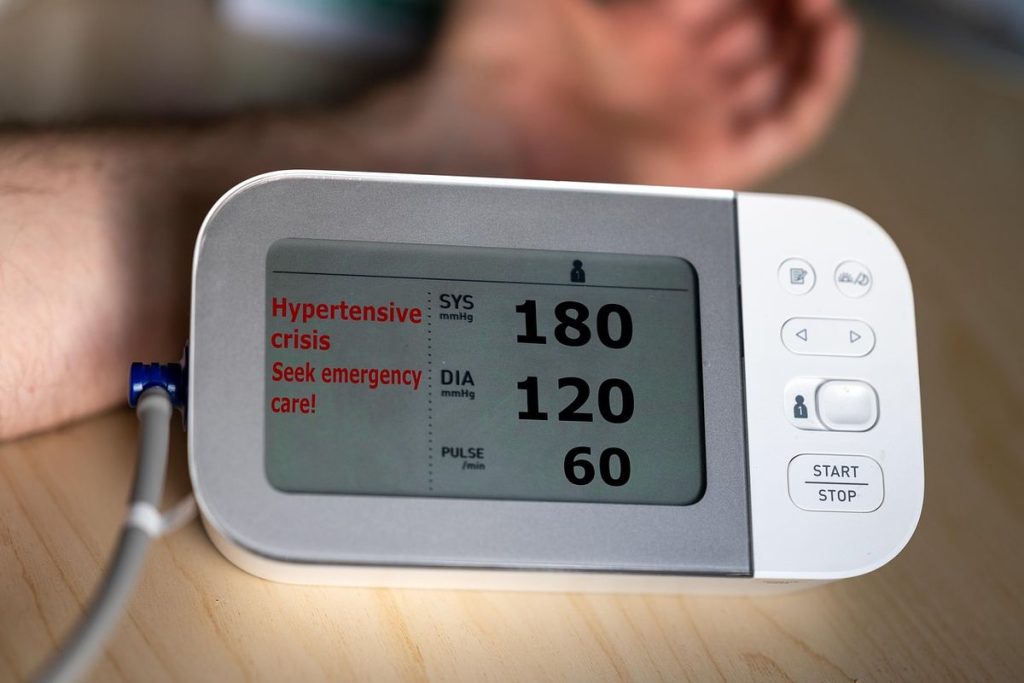
A hypertensive crisis is often described as blood pressure around 180/120 mm Hg or higher. What makes it dangerous isn’t just the number—it’s the possibility of organ damage (brain, heart, kidneys, eyes).
If any of the symptoms below happen—seek emergency care immediately.
Chest pain
This can signal a heart emergency. Don’t try to “wait it out.”
Severe anxiety / a sense that something is very wrong
People sometimes describe intense agitation or panic-like feelings during a crisis. Because anxiety symptoms can mimic heart issues (and vice versa), it’s safer to get checked urgently if it’s severe or comes with high BP or chest symptoms.
Shortness of breath
Breathing difficulty can indicate strain on the heart/lungs and needs urgent evaluation.
Irregular heartbeat / palpitations
A racing, skipping, or pounding heartbeat can happen with stress, caffeine, or fever—but in the setting of very high BP and other symptoms, it deserves emergency attention.
Pounding in the chest, neck, or ears
Some people notice a strong “thumping” or pulse sensation. On its own it can be benign, but alongside crisis-level BP or neurological symptoms, treat it as urgent.
Nausea or vomiting
These can occur during a hypertensive crisis, especially if the brain is being affected.
Also watch for stroke-like symptoms (even if they weren’t on your original checklist): sudden weakness/numbness on one side, difficulty speaking, or sudden vision changes. Those are emergency signs.
If you suspect a crisis: don’t drive yourself if you feel unwell—contact emergency services or get urgent help immediately.
Who Is Most at Risk?
High blood pressure doesn’t care how healthy or strong someone feels—it can creep in slowly and silently. That said, some people are more likely to develop it than others, based on a mix of genetics, lifestyle, age, and other health factors. Knowing your personal risk can help you stay ahead of problems before they start.
Age, genetics, and family history
Blood pressure tends to rise naturally with age, especially as arteries stiffen. If your parents or close relatives have high blood pressure, your risk is higher too. This isn’t about blame—it’s about knowing what runs in your family so you can take action early.
Lifestyle risk factors
Some habits and environmental factors can make high blood pressure more likely:
- Eating a diet high in salt and processed foods
- Lack of physical activity
- Smoking or regular alcohol use
- Chronic stress, especially if unmanaged over time
- Poor sleep quality or sleep apnea
All of these can add up—and sometimes they go unnoticed until something starts to feel “off.”
Weight and metabolic health
People who are overweight or have metabolic issues (like insulin resistance or type 2 diabetes) often face higher baseline blood pressure. This doesn’t mean you’ll definitely develop hypertension—but it means your heart and blood vessels are likely under more stress.
Certain medical conditions and medications
Conditions like kidney disease, thyroid disorders, or hormonal imbalances can cause secondary hypertension. Some medications—including certain painkillers, birth control pills, and decongestants—can also raise blood pressure. If you’re unsure, ask your doctor or pharmacist if anything you’re taking could be affecting your BP.
Access to healthy food, safe places to exercise, stress levels, and even how often someone sees a doctor can shape risk. In many communities—including rural areas of Indonesia—economic and social factors can influence blood pressure risk just as much as biology. That’s why awareness, education, and community support matter so much.
How to Know If Your Blood Pressure Is High
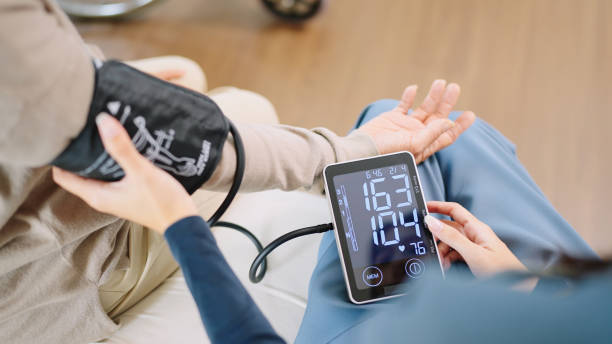
The only way to know for sure if your blood pressure is high is to measure it. You can’t rely on symptoms—many people feel completely fine even when their numbers are dangerously elevated. Luckily, it’s easy to monitor your blood pressure at home, in clinics, or even at some pharmacies.
What do the numbers mean?
Blood pressure readings are shown as two numbers, like 120/80 mm Hg:
- The top number (systolic) measures pressure when your heart beats
- The bottom number (diastolic) measures pressure when your heart rests between beats
General guideline categories (note: always follow your country’s official standards):
- Normal: less than 120/80 mm Hg
- Elevated: 120–129 systolic and less than 80 diastolic
- Stage 1 hypertension: 130–139 systolic or 80–89 diastolic
- Stage 2 hypertension: 140+ systolic or 90+ diastolic
- Hypertensive crisis: 180+/120+ mm Hg (emergency—seek help immediately)
Remember, one high reading doesn’t always mean you have hypertension. Stress, pain, caffeine, or talking during the test can cause temporary spikes. That’s why doctors often look at multiple readings over time before making a diagnosis.
Tips for checking blood pressure at home
If you’re using a home monitor, here’s how to get the most accurate results:
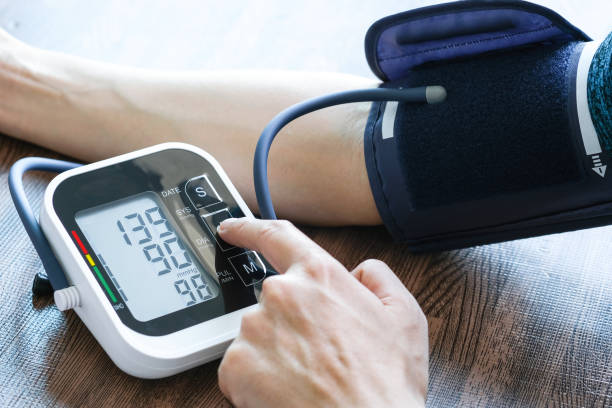
- Sit quietly for 5 minutes before measuring
- Rest your arm at heart level (on a table is ideal)
- Avoid caffeine, smoking, or exercise 30 minutes before
- Use a cuff that fits your upper arm properly
- Take two or three readings, a minute apart, and average them
- Track your numbers over days or weeks, not just once
Not all home monitors are equally reliable. Look for validated devices and bring yours to a clinic once to compare with a professional reading.
When to test your blood pressure
If you’re generally healthy, checking once every few months might be enough. But you may need to test more often if:
- You’ve had elevated readings in the past
- You’re at higher risk based on age, family history, or lifestyle
- You’re using herbal or natural strategies and want to track progress
- Your doctor recommends regular monitoring
If your readings are ever consistently above 130/80 mm Hg—or spike above 180/120 mm Hg even once—talk to a healthcare provider. Don’t wait for symptoms to appear.
Natural Support for Healthy Blood Pressure
High blood pressure isn’t something to ignore—but it’s also not something you’re powerless against. Many people can lower or manage their numbers naturally through consistent habits and supportive nutrition. While medications may be necessary for some, lifestyle is the foundation—and traditional herbal support can be a meaningful addition.
Lifestyle changes that matter most
Here’s what research and tradition both point to as key drivers of healthy blood pressure:
- Eating whole, minimally processed foods: Prioritize vegetables, fruits, nuts, seeds, and foods rich in potassium and magnesium.
- Reducing salt intake: Especially from processed snacks, instant noodles, and canned items.
- Moving your body regularly: Even simple walking can help relax blood vessels and improve circulation.
- Managing stress: Practices like breathing exercises, prayer, gardening, and time in nature all help lower nervous system strain.
- Getting good sleep: Restful sleep helps reset hormone and blood pressure rhythms.
- Quitting smoking and moderating alcohol: Both of these strongly affect blood vessel health.
None of these need to be perfect—consistency matters more than intensity. You don’t need a radical life overhaul. Even small, steady changes add up over time.
Traditional and herbal support
In many cultures, including in Papua, people have long turned to plants for support. These aren’t “cures,” but they can be part of a whole-body approach to cardiovascular wellness.
Some commonly used botanicals include:
- Garlic (bawang putih): May support circulation and reduce pressure slightly over time
- Celery seed (biji seledri): Traditionally used as a gentle diuretic
- Hibiscus (kembang sepatu): Consumed as tea for its refreshing and antioxidant properties
- Turmeric (kunyit): Contains curcumin, which supports anti-inflammatory balance
- Buah merah (red fruit from Papua): Traditionally eaten for general vitality, it’s rich in natural antioxidants like beta-carotene and tocopherols
How buah merah fits into a heart-supportive lifestyle
In Papua, buah merah is valued not just as food, but as part of a communal and healing tradition. It’s usually served in ceremonies or shared during family gatherings, where health is seen as something shared, not just personal.
Nutritionally, buah merah offers:
- Natural antioxidant compounds that may help protect blood vessel lining
- Carotenoids that support eye, heart, and immune function
- Healthy plant oils that contribute to anti-inflammatory balance
It’s not a medication—but it can be a meaningful supplemental food when included in a whole-food diet. Some people use buah merah oil or puree as a topping on rice, vegetables, or sago dishes. You don’t need large amounts—small, regular servings can gently support wellness.
A note of caution
If you’re on medication for blood pressure or have other conditions, always check with your doctor before adding strong herbal remedies. Some herbs can interact with medications or affect fluid and mineral balance.
Papuan traditional knowledge offers a valuable perspective, but it works best when combined with modern tools—like accurate testing, healthy habits, and honest conversations with your health provider.
When to Seek Help and What to Do Next
Knowing the symptoms and risks of high blood pressure is important—but knowing when to act is even more critical. Some signs should prompt an immediate visit to a clinic or hospital. Others are a cue to start tracking your health more closely and making changes at home.
Seek emergency help if you experience:
- Blood pressure at or above 180/120 mm Hg, especially if you also feel dizzy, nauseated, or have chest pain, confusion, or vision changes
- Symptoms of a possible stroke, such as slurred speech, sudden numbness or weakness (especially on one side), or loss of coordination
- Chest pressure, severe headache, or shortness of breath that comes on suddenly
Don’t try to self-diagnose or wait it out—get professional help right away.
Take action sooner—not later—if:
- Your BP readings are consistently above 130/80 mm Hg
- You’re noticing early signs like frequent headaches, dizziness, or fatigue
- You have family history or other risk factors but haven’t been checked in a while
In these cases, schedule a routine checkup. You can start with small steps—like checking your numbers weekly and adjusting your diet and activity. Natural support like buah merah or ant nest plant may be part of the picture, but it’s not a substitute for medical guidance.
Bottom line
High blood pressure may be silent, but it isn’t invisible if you know what to look for. Whether it’s a subtle headache or a more serious symptom, listening to your body—and checking your numbers—can make all the difference. Start small, stay consistent, and don’t be afraid to ask for help.