What Is the Papua New Guinea Jungle
Definition of jungle in this context
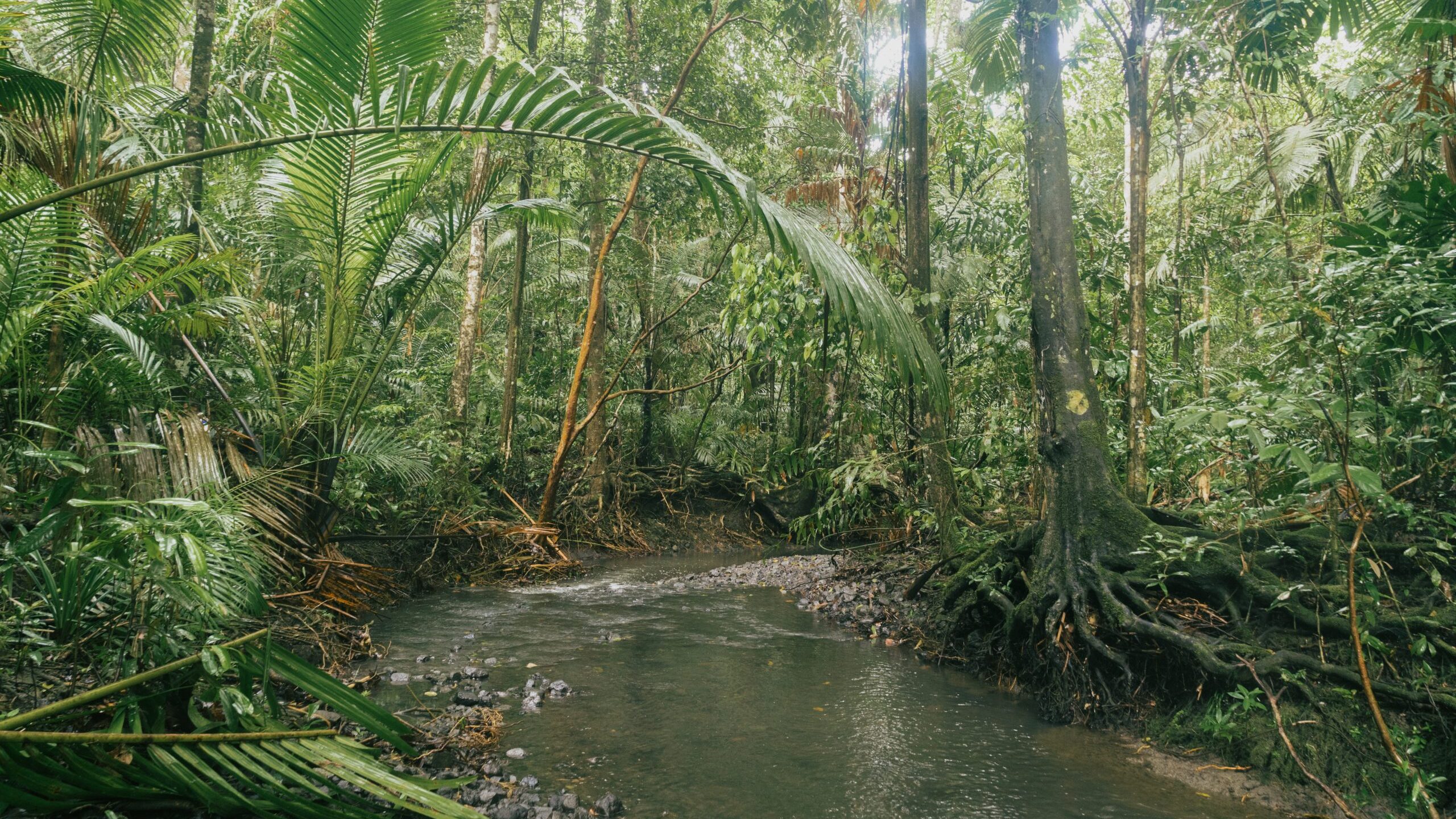
When people search for the Papua New Guinea jungle, they are usually referring to vast, dense tropical forest environments that cover much of the island. In everyday language, the word “jungle” often describes thick, hard-to-navigate vegetation filled with vines, towering trees, and constant humidity. Scientifically, however, the more accurate term is tropical rainforest.
A tropical rainforest is a complex ecosystem found near the equator, defined by high rainfall, warm temperatures, and layered plant growth. The “jungle” feeling comes from the densest parts of these forests—especially where sunlight struggles to reach the ground and plant life grows tightly packed together.
So while “jungle” and “rainforest” are often used interchangeably, they are not exactly the same.
- Rainforest refers to the full ecosystem, including all its layers and biodiversity.
- Jungle usually describes the thick, tangled sections, often in the understory or forest edge where vegetation is especially dense.
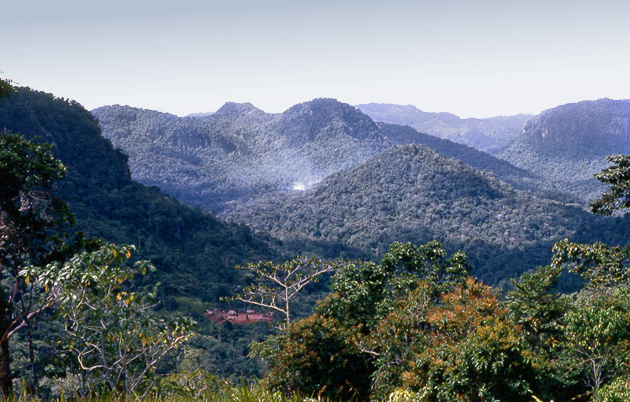
Papua New Guinea is part of the island of New Guinea, which hosts one of the largest continuous tropical forest systems in the world. These forests stretch across lowlands, mountains, river basins, and coastal zones, forming a mosaic of ecosystems rather than a single uniform jungle.
Why Papua New Guinea jungles are unique
The jungles of Papua New Guinea stand out for several reasons that go beyond just dense greenery. They are part of a region often described as one of the most biologically rich places on Earth.
High biodiversity
These forests are home to an extraordinary variety of life. Many plants and animals found here do not exist anywhere else. From vividly colored birds to unusual mammals adapted to life in the trees, biodiversity is a defining feature of the region.
Geographic isolation
For millions of years, New Guinea has remained relatively isolated from other landmasses. This isolation allowed species to evolve in unique ways, resulting in ecosystems that feel distinct even when compared to other tropical forests in Southeast Asia or the Amazon.
Complex terrain
The jungle is not flat or uniform. It includes:
- Lowland rainforests near sea level
- Swamps and river floodplains
- Steep mountain ranges rising into cooler cloud forests
This variation in elevation and landscape creates many micro-environments, each supporting different forms of life.
Limited industrial development in many areas
Large portions of Papua New Guinea’s forests remain relatively undisturbed compared to other tropical regions. While there are areas affected by development, many jungle regions still follow natural ecological patterns shaped over thousands of years.
All of these factors combine to create a jungle environment that is not just dense, but deeply layered in both ecological and cultural meaning. It is a place where plant life, wildlife, terrain, and human presence are closely interconnected.
Geography of the Jungle
Where the jungles are located
The jungles of Papua New Guinea are part of the larger island of New Guinea, one of the biggest tropical islands in the world. This island is divided into two main regions: the independent country of Papua New Guinea to the east, and Indonesian provinces to the west. Across both sides, dense rainforest stretches over vast distances, forming a continuous ecological system.
Within Papua New Guinea, jungle landscapes appear across a wide range of environments rather than in one single block. You will find them:
- In lowland areas, where forests grow thick and humid near sea level
- Along river basins, where water systems support lush plant life
- On hills and mountains, where forests gradually change with elevation
One of the most well-known jungle regions follows the Sepik River, a long and winding river that flows through remote forest areas. This river system supports wetlands, floodplains, and dense vegetation, creating a dynamic environment where land and water constantly interact.
Lowland forests tend to feel more like what many imagine as “jungle”—hot, dense, and layered with vines and tall trees. As the land rises, these forests transition into cooler, often mist-covered mountain forests, showing how geography shapes the character of the jungle itself.
Terrain and natural features
The terrain of Papua New Guinea’s jungle is anything but simple. It is a landscape defined by contrast, where different natural features exist close together and influence how ecosystems develop.
Dense vegetation
In many areas, plant growth is so thick that the forest appears almost impenetrable. Trees grow close together, while vines and climbing plants connect different layers of the forest. This density creates shaded interiors and a strong sense of enclosure.
Swamps and wetlands
Large sections of the jungle, especially near rivers and coastal zones, are made up of swamp forests and wetlands. These areas are often waterlogged, supporting plant species adapted to saturated soils. The shifting water levels also shape the surrounding vegetation over time.
Steep mountains and valleys
Papua New Guinea is known for its rugged interior. Mountain ranges rise sharply, with deep valleys cutting through them. Jungle ecosystems extend into these areas, but the environment changes as elevation increases—temperatures drop slightly, and plant types begin to shift.
River networks and floodplains
Rivers like the Sepik and many smaller tributaries create natural corridors through the forest. During periods of heavy rain, floodplains expand, bringing nutrients into the soil and supporting new plant growth.
Altogether, this varied terrain creates a patchwork of habitats. Instead of one uniform jungle, Papua New Guinea offers a collection of interconnected environments, each shaped by water, elevation, and natural patterns of growth.
Climate and Environmental Conditions
Tropical climate
The Papua New Guinea jungle exists within a tropical climate zone, which plays a central role in shaping everything you see—from towering trees to the smallest insects.
This climate is defined by three main characteristics:
High humidity
The air in the jungle is consistently moist. Humidity levels remain high throughout the year, creating a damp atmosphere where plants can thrive. Leaves often glisten with moisture, and even the soil holds water close to the surface.
Heavy rainfall patterns
Rain is a regular and expected part of life in these forests. Instead of distinct dry seasons, many areas experience rainfall spread across much of the year. Some regions receive intense downpours, sometimes daily, which help maintain the dense vegetation.
Warm temperatures year-round
Unlike temperate regions that go through clear seasonal changes, Papua New Guinea’s jungles stay warm throughout the year. Temperatures do not fluctuate dramatically, providing stable conditions for continuous plant and animal activity.
Together, these elements create an environment where growth rarely pauses. The jungle does not “rest” in the same way forests in cooler climates might.
How climate shapes the jungle
The tropical climate is not just a background condition—it actively shapes the structure and behavior of the jungle ecosystem.
Rapid plant growth
With constant warmth and abundant water, plants grow quickly and continuously. Trees can reach impressive heights, while smaller plants compete for any available light. This leads to dense vegetation and a layered forest structure.
Thick and interconnected vegetation
The combination of sunlight, moisture, and heat allows vines, lianas, and epiphytes to flourish. Plants often grow on top of or around each other, forming a tightly woven environment that defines the “jungle” experience.
Filtered sunlight and shaded interiors
Because the upper layers of the forest capture most of the sunlight, the lower levels receive only limited light. This creates a dim, humid environment on the forest floor, influencing which plants can survive there.
Seasonal variation in rainfall
Even though rain falls throughout the year, there can still be wetter and slightly drier periods. These shifts affect river levels, soil moisture, and plant cycles. In some areas, temporary flooding reshapes parts of the forest, adding nutrients and influencing new growth.
In simple terms, the climate acts as the engine of the Papua New Guinea jungle. It determines how fast plants grow, how dense the forest becomes, and how life adapts to constant warmth and moisture.
Structure of the Rainforest
Forest layers
One of the most fascinating aspects of the Papua New Guinea jungle is how it is built vertically. Rather than being a single continuous mass of greenery, the rainforest is organized into distinct layers, each with its own conditions, plant life, and animal activity.
Emergent layer
This is the highest level of the forest, where a few exceptionally tall trees rise above everything else. These trees can reach heights of 50 meters or more, standing directly in the sunlight. Their crowns are exposed to wind, heat, and rain, creating a more extreme environment compared to lower layers.
Canopy
Just below the emergent layer is the canopy, often described as the “roof” of the rainforest. This dense layer of interlocking tree crowns blocks most of the sunlight from reaching below. It is one of the most active parts of the jungle, home to many birds, insects, and tree-dwelling animals.
Understory
The understory sits beneath the canopy and receives only filtered light. Plants here tend to have large leaves to capture as much sunlight as possible. The air is still, humid, and shaded, creating a quieter environment compared to the lively canopy above.
Forest floor
At the base of the jungle is the forest floor, where very little sunlight reaches. This layer is often covered with fallen leaves, branches, and organic matter. Decomposition happens quickly in these warm, moist conditions, recycling nutrients back into the soil.
Together, these layers create a vertically complex ecosystem, where life is distributed from the ground all the way to the treetops.
Why forest layers matter
The layered structure of the rainforest is not just visually interesting—it plays a key role in how the entire ecosystem functions.
Light distribution
Sunlight is a limited resource in the jungle. The upper layers absorb most of it, leaving only small amounts for plants below. This creates natural competition and specialization, where each layer supports plants adapted to its light conditions.
Habitat diversity
Each layer provides a different type of habitat. For example:
- Birds and some mammals thrive in the canopy
- Insects and smaller animals often occupy the understory
- Ground-dwelling species live on the forest floor
This separation allows many species to coexist without directly competing for the same space.
Ecological balance
The interaction between layers helps maintain stability. Leaves fall from above and decompose below, nutrients cycle upward through roots, and animals move between layers for food and shelter. It is a continuous system where each level supports the others.
Understanding these layers helps you see the Papua New Guinea jungle not just as dense vegetation, but as a carefully balanced structure where every level has its own role.
Plant Life in the Jungle
Common vegetation types
The plant life in the Papua New Guinea jungle is what gives the forest its dense, layered character. Growth is constant, and many types of vegetation compete for space, sunlight, and moisture. Instead of a single dominant plant type, the jungle is made up of many forms of vegetation living closely together.
Tall hardwood trees
These are the backbone of the rainforest. Rising high into the canopy and sometimes into the emergent layer, these trees form the main structure of the forest. Their trunks are often straight and tall, with branches spreading wide at the top to capture sunlight.
Vines and lianas
Lianas are long, woody vines that climb up trees to reach sunlight. Rather than growing independently from the ground to the canopy, they use existing trees for support. In many areas, these vines create a network that links different parts of the forest together.
Epiphytes
Epiphytes are plants that grow on other plants, usually on tree branches. They do not take nutrients from the host tree but instead collect moisture and organic matter from the air. This group includes mosses, lichens, and certain flowering plants, adding another layer of life above the ground.
Ferns and mosses
Closer to the forest floor, ferns and mosses thrive in the shaded, humid environment. Their ability to grow in low light allows them to cover the ground, fallen logs, and even rocks, contributing to the soft, green appearance of the jungle interior.
Together, these vegetation types create a dense and interconnected system where plants grow not just side by side, but also on top of and around each other.
Unique plant species
Beyond general vegetation types, the Papua New Guinea jungle is known for a wide variety of distinctive plant species, many of which are closely tied to local ecosystems and ways of life.
Orchids
Papua New Guinea is home to a remarkable diversity of orchids. These plants often grow as epiphytes and are known for their intricate shapes and colors. They can be found attached to tree branches high above the forest floor.
Pandanus
Pandanus trees are easily recognized by their long, spiky leaves and unique root structures that sometimes appear to support the trunk above ground. They grow in various environments, from lowland forests to higher elevations, and are a familiar part of the landscape.
Sago palm
The sago palm is commonly found in swampy areas of the jungle. It plays an important role in certain local environments and is well adapted to waterlogged soils. Its presence often indicates wet, low-lying terrain.
Tree ferns
Tree ferns give parts of the jungle an almost ancient appearance. With tall, slender trunks and spreading fronds, they resemble plants from much earlier periods in Earth’s history. They are more commonly found in cooler or higher elevation forests.
These plant species highlight how diverse the jungle really is. Each one is adapted to a specific niche, whether that means growing high in the canopy, thriving in swampy ground, or surviving in shaded understory conditions.
Wildlife of Papua New Guinea Jungle
Mammals
The Papua New Guinea jungle is home to a wide range of mammals, many of which are adapted to life in trees rather than on the ground. This reflects the vertical nature of the rainforest, where food and shelter are often found above the forest floor.
Tree kangaroos
Among the most distinctive animals in the region, tree kangaroos are specially adapted for climbing. Unlike their ground-dwelling relatives in Australia, they have strong limbs and long tails that help them balance as they move through branches.
Cuscus
Cuscus are slow-moving, tree-dwelling marsupials with thick fur and large eyes. They spend much of their time resting in the canopy and become more active at night. Their movement is quiet and deliberate, blending into the calm rhythm of the forest.
Small marsupials
In addition to larger species, the jungle supports many smaller marsupials that live in different forest layers. Some stay close to the understory, while others move between branches in search of fruit, leaves, or insects.
These mammals show how life in the Papua New Guinea jungle often evolves around climbing, balancing, and navigating dense vegetation rather than open ground.
Birds
Birdlife in the Papua New Guinea jungle is especially well known for its diversity and visual richness. Many species live in the canopy, where food sources such as fruits and insects are abundant.
Birds of paradise
Often associated with this region, birds of paradise are known for their elaborate feathers and display behaviors. They are a symbol of the jungle’s biodiversity and are typically found in forested habitats where they perform courtship displays.
Cassowary
The cassowary is a large, ground-dwelling bird that moves through dense forest areas. It has strong legs and plays an important role in the ecosystem by helping disperse seeds through its diet.
Parrots
Various species of parrots inhabit the jungle, adding bright colors and distinctive calls to the forest soundscape. They are often seen in pairs or groups, moving between trees in search of food.
Together, these birds contribute to both the visual and acoustic identity of the rainforest, making the jungle feel alive with movement and sound.
Reptiles, amphibians, and insects
Beyond mammals and birds, a large part of the jungle’s biodiversity comes from smaller creatures that are often less visible but equally important.
Frogs and reptiles
The humid environment supports a variety of amphibians such as frogs, many of which are sensitive to changes in their surroundings. Reptiles, including lizards and snakes, are also present and occupy different ecological niches within the forest.
High insect diversity
Insects are one of the most abundant forms of life in the Papua New Guinea jungle. Beetles, butterflies, ants, and many other species play roles in pollination, decomposition, and the food chain.
Importance in the ecosystem
These smaller animals help maintain ecological balance. They break down organic material, support plant reproduction, and serve as food for larger species. Without them, the forest system would not function in the same way.
Overall, wildlife in the Papua New Guinea jungle reflects a deeply interconnected system where each species, large or small, contributes to the broader ecosystem.
Rivers and Jungle Ecosystems
Role of rivers
Rivers are a defining feature of the Papua New Guinea jungle. They are not just waterways cutting through the forest—they shape how ecosystems grow, connect, and sustain life.
One of the most well-known systems is the Sepik River, which flows through remote and heavily forested regions. Along its course, the river creates a network of tributaries, wetlands, and floodplains that support a wide range of plant and animal life.
Transport and natural pathways
In many forest regions, rivers act as natural corridors. They allow movement through otherwise dense vegetation and connect different parts of the jungle. Wildlife often gathers near riverbanks, where water and food are more accessible.
Nutrient cycling
During periods of heavy rain, rivers can overflow into surrounding areas, spreading nutrient-rich sediments. This process helps fertilize the soil, encouraging new plant growth and maintaining the productivity of the forest.
Habitat diversity
River edges, known as riparian zones, create unique environments within the jungle. These areas support plants and animals that are adapted to both land and water conditions, adding to the overall biodiversity of the region.
In this way, rivers are not separate from the jungle—they are deeply woven into its structure and function.
Wetlands and mangroves
Beyond flowing rivers, the Papua New Guinea jungle also includes extensive wetlands and coastal ecosystems that expand the definition of what the “jungle” can be.
Wetlands and swamp forests
In low-lying areas, especially near rivers, water can remain on the ground for long periods. This creates swamp forests where trees and plants are adapted to saturated soils. These environments may look quieter than upland forests, but they are rich in life and ecological activity.
Mangrove forests
Along coastal regions, mangrove forests form where land meets the sea. These plants are adapted to salty water and tidal changes, with distinctive root systems that rise above the surface. Mangroves help stabilize coastlines and provide shelter for many species.
Biodiversity significance
Wetlands and mangroves support a variety of life forms, including fish, birds, and small aquatic organisms. They often serve as breeding grounds and feeding areas, linking marine and forest ecosystems together.
These environments show that the Papua New Guinea jungle is not limited to inland forests. It extends outward into river systems, swamps, and coastal zones, forming a continuous and interconnected natural landscape.
Human Interaction with the Jungle
Indigenous communities and forests
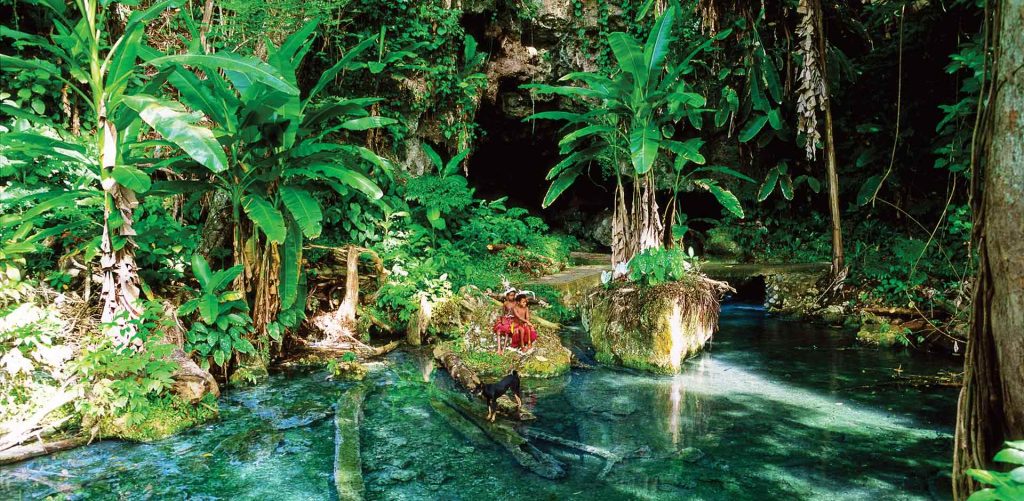
The Papua New Guinea jungle is not an empty wilderness. It is a lived-in landscape where many indigenous communities have long-standing relationships with the forest. These connections are shaped by daily life, cultural practices, and a deep familiarity with the environment.
For many communities, the forest provides essential resources such as food, building materials, and tools. Plants, trees, and waterways are part of everyday life, not separate from it. This relationship is based on observation and experience, built over generations of living close to the land.
Knowledge of the environment
Local knowledge of the forest is often highly detailed. People understand seasonal patterns, plant growth cycles, and animal behavior in ways that reflect long-term interaction with the ecosystem. This knowledge is usually passed down through stories, practice, and shared experience rather than written records.
Sustainable use practices
In many areas, communities use forest resources in ways that allow regeneration over time. This might include rotating garden areas, selective harvesting, or using materials without clearing large sections of forest. These practices are shaped by the need to maintain balance with the surrounding environment.
Rather than viewing the jungle as something to conquer or escape, it is often seen as a place of continuity—where nature and daily life are closely linked.
Village life near jungles
Village life near the jungle reflects a rhythm that follows natural patterns. Activities are often shaped by the surrounding environment, including weather, seasons, and available resources.
Hunting, fishing, and gardening
Many communities combine different ways of sourcing food:
- Fishing in rivers and wetlands
- Small-scale hunting in forest areas
- Gardening in cleared plots near villages
These activities are usually carried out on a local scale, supporting households and communities rather than large external markets.
Connection between people and forest
The relationship between people and the jungle is not only practical but also cultural. Forests can hold meaning through traditions, stories, and shared identity. Certain areas may be treated with respect due to their cultural significance, reflecting a broader connection to place.
Living with the environment
Homes and villages are often built using materials from nearby forests, such as wood, leaves, and fibers. The design of these spaces reflects adaptation to the climate—allowing airflow, providing shelter from rain, and blending into the surrounding landscape.
Overall, human interaction with the Papua New Guinea jungle is best understood as a continuous relationship rather than a simple use of resources. It is shaped by familiarity, adaptation, and a long history of living alongside one of the world’s most complex natural environments.
Biodiversity and Global Importance
Why the jungle is a biodiversity hotspot
The Papua New Guinea jungle is often described as a biodiversity hotspot, meaning it supports an exceptionally high number of species within a relatively concentrated area. This richness is not just about quantity, but also about uniqueness.
High number of species
Across its forests, rivers, and wetlands, the region is home to thousands of plant and animal species. From towering trees to microscopic organisms in the soil, life exists at every scale. Many areas remain only lightly studied, so the full extent of biodiversity is still being explored.
Endemic species
A striking feature of the New Guinea rainforest ecosystem is the presence of endemic species—plants and animals found nowhere else in the world. Examples include certain types of birds of paradise, tree kangaroos, and unique amphibians. This level of endemism is closely linked to the island’s long geographic isolation and varied terrain.
Multiple ecosystems in one region
Lowland rainforests, montane forests, wetlands, and mangroves all exist within Papua New Guinea. Each ecosystem supports different communities of life, increasing overall diversity. The transition between these environments also creates additional niches where species can adapt and evolve.
Because of these factors, the jungle is not just rich in life—it is also irreplaceable. Once lost, many of its species cannot simply be found elsewhere.
Scientific importance
Beyond its natural beauty, the Papua New Guinea jungle holds significant value for scientific understanding, especially in fields like tropical ecology and biodiversity research.
Research opportunities
Because many areas of the jungle remain less explored, scientists continue to study its ecosystems to better understand how species interact, adapt, and evolve. New species are still being documented, highlighting how much there is yet to learn.
Ecological insights
The rainforest offers a living example of how complex ecosystems function. Researchers study topics such as:
- Relationships between plants and pollinators
- Nutrient cycling within forest layers
- Adaptations to humid, low-light environments
These insights can help deepen general understanding of how ecosystems respond to environmental changes.
Global ecological relevance
Tropical forests like those in Papua New Guinea play a role in broader planetary systems, including climate patterns and carbon storage. While these processes are complex, they underline how local ecosystems can have global connections.
In this way, the Papua New Guinea jungle is not only important for the species that live within it, but also for what it can teach about nature as a whole.
Conservation and Environmental Challenges
Threats to the jungle
Although large parts of the Papua New Guinea jungle remain relatively intact, there are ongoing pressures that affect certain regions. These challenges are often connected to economic activity and changing land use patterns.
Logging
In some areas, forests are harvested for timber. This can lead to selective removal of trees or larger-scale clearing, depending on how operations are carried out. When not carefully managed, logging can alter forest structure and reduce habitat complexity.
Mining
Papua New Guinea is rich in natural resources, and mining activities take place in specific areas. These operations can change the landscape, especially when they involve clearing vegetation or altering waterways.
Deforestation
Deforestation may occur when forest land is converted for agriculture, infrastructure, or other uses. Instead of a continuous jungle, this can create fragmented patches of forest, which may affect how species move and interact.
These pressures do not impact all areas equally. Some regions remain remote and less affected, while others experience more visible environmental change.
Conservation efforts
Alongside these challenges, there are also ongoing efforts aimed at protecting the forest and supporting long-term ecological balance.
Community-based forest management
In many parts of Papua New Guinea, local communities play an important role in managing forest areas. Decisions about land use are often guided by traditional knowledge and local priorities, helping balance resource use with conservation.
Protected areas
Certain jungle regions are designated for protection, helping preserve biodiversity and maintain natural ecosystems. These areas may limit activities that could significantly alter the environment.
Growing awareness of conservation
There is increasing recognition of the ecological value of tropical forests, both locally and globally. This awareness can influence policies, research, and collaborative efforts focused on maintaining forest health.
Conservation in Papua New Guinea is not a single approach but a combination of local practices, national frameworks, and broader environmental understanding.
Common Misconceptions About Papua New Guinea Jungle
Jungle is not empty wilderness
A common idea about the Papua New Guinea jungle is that it is an untouched, empty wilderness. In reality, this view does not reflect how these landscapes actually function.
The jungle is full of life at every level. Plants, animals, insects, and microorganisms all interact within a tightly connected system. Even when it appears quiet, there is constant activity—from leaves decomposing on the forest floor to birds moving through the canopy.
It is also important to recognize that many parts of the jungle are home to communities. Indigenous groups have lived in these environments for generations, building knowledge and cultural practices closely tied to the forest. Their presence is part of the landscape, not separate from it.
Seeing the jungle as “empty” can overlook both its ecological richness and the human relationships that exist within it.
Not all areas are untouched
Another misconception is that the entire Papua New Guinea jungle is completely untouched or inaccessible. While there are remote regions with limited outside influence, the reality is more varied.
Some areas are:
- Remote and difficult to access, with dense forest and minimal infrastructure
- Partially developed, where villages, small roads, or local agriculture exist
- Connected to wider regions, especially near towns or coastal zones
This variation creates a landscape where natural forest and human activity often exist side by side. It also means that the jungle cannot be described as a single uniform space—it changes depending on location, accessibility, and local use.
Understanding these differences helps build a more accurate picture of the Papua New Guinea jungle as a dynamic environment, shaped by both natural processes and human presence over time.
Conclusion
Key takeaway
The Papua New Guinea jungle is best understood as a vast, living system rather than a single type of forest. It brings together dense tropical rainforest, complex terrain, rich biodiversity, and long-standing human connections to the land.
Across the island, the jungle takes many forms—lowland forests, mountain jungle, wetlands, and coastal mangroves. Each environment contributes to a broader ecological network where plants and animals adapt to specific conditions shaped by climate, elevation, and water systems.
What stands out most is the depth of biodiversity. Countless species, many found nowhere else, live within these forests. From the highest canopy to the shaded forest floor, life is layered and interconnected, creating a balance that has developed over long periods of time.
At the same time, the jungle is not separate from people. Indigenous communities continue to interact with these environments in ways that reflect familiarity, knowledge, and continuity. Their presence adds another dimension to how the forest is understood—not just as nature, but as part of everyday life.
Taken together, the Papua New Guinea jungle represents one of the most complex tropical ecosystems in the world. It combines natural diversity, geographic variation, and human connection, making it an important part of both regional landscapes and the wider global environment.