Nerve plants are popular tropical houseplants known for their green leaves and striking white, pink, or red veins. Their compact growth and decorative foliage make them a common choice for terrariums, indoor gardens, and small living spaces. However, before bringing one home, many plant owners ask an important question: are nerve plants toxic to people or pets?
Nerve plants, particularly Fittonia albivenis, are generally listed as non-toxic to cats and dogs in commonly referenced veterinary plant-safety resources. However, this classification does not mean the plant is edible or that every possible exposure is guaranteed to be harmless. The plant’s identity, the amount ingested, and any symptoms that develop are important considerations when assessing an unexpected exposure.
For households with children, it is also important to distinguish pet-toxicity classifications from evidence about human exposure. A plant considered non-toxic to cats and dogs should not automatically be assumed safe to eat or suitable for unrestricted access by young children.
Understanding the plant’s botanical identity and general safety profile can help households make informed decisions about its placement and care. This guide explores how to identify a nerve plant, what is known about its toxicity, and which practical precautions are appropriate when growing it around people and pets.
What Is a Nerve Plant?
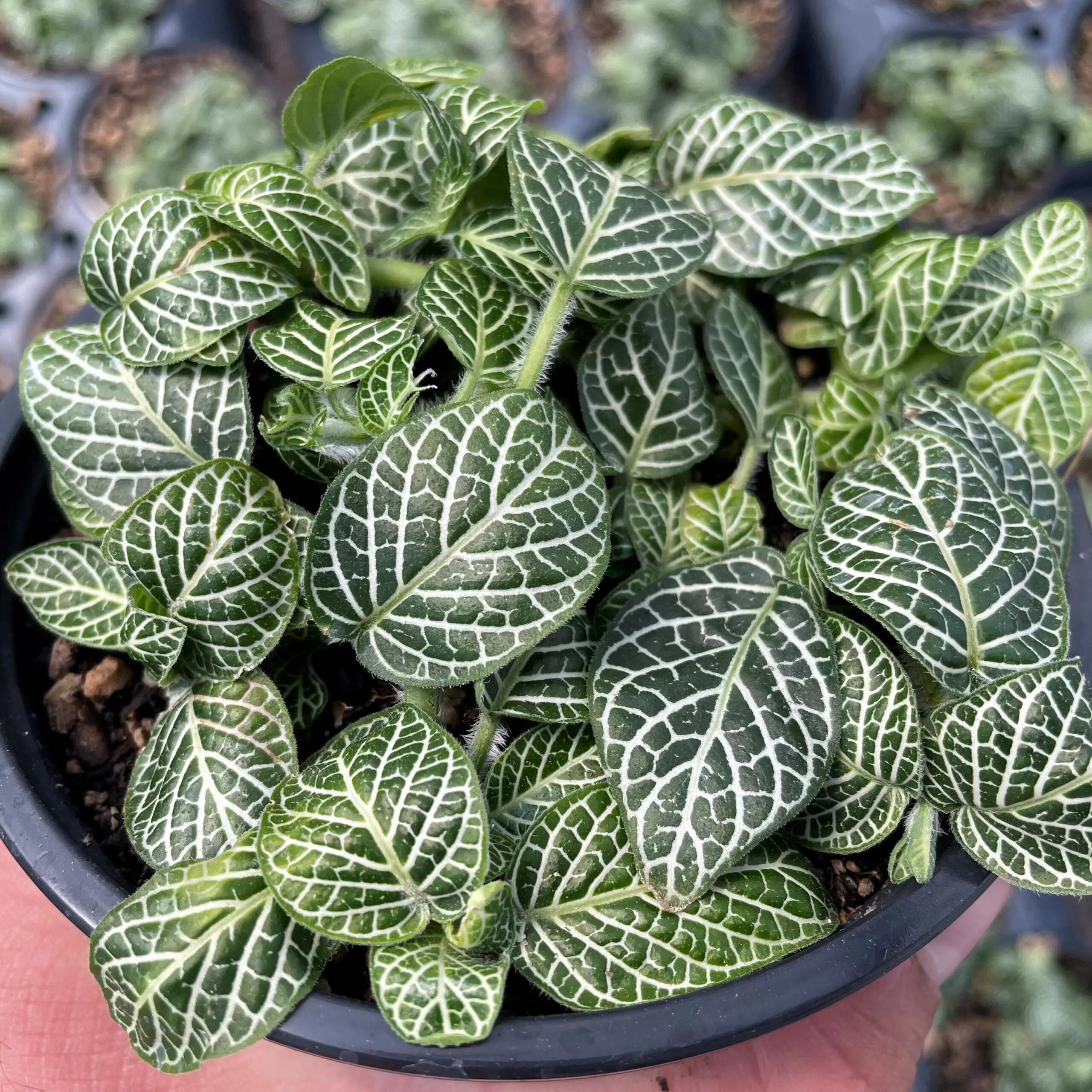
A nerve plant is a small tropical ornamental plant best known for its distinctive leaf patterns. The name commonly refers to Fittonia albivenis, a species in the Acanthaceae family. It is also known by common names such as mosaic plant and painted net leaf, which describe the intricate network of contrasting veins across its foliage.
Unlike houseplants grown primarily for their height or flowers, nerve plants are valued for their colorful leaves and compact growth habit. They generally spread close to the soil rather than developing tall, upright stems, making them suitable for decorative containers and small indoor displays.
Nerve plants are native to tropical regions of South America, where warm temperatures and humid conditions support their growth. Their preference for relatively consistent moisture and humidity makes them particularly popular in terrariums and other indoor environments designed to retain moisture.
Although their appearance is distinctive, understanding the plant’s botanical characteristics is useful when researching nerve plant safety. Common names can vary between regions, and plants with similar-looking leaves may belong to entirely different species.
How to Identify a Nerve Plant
The easiest way to recognize a nerve plant is by examining its foliage. Several characteristics can help distinguish Fittonia albivenis from other decorative houseplants.
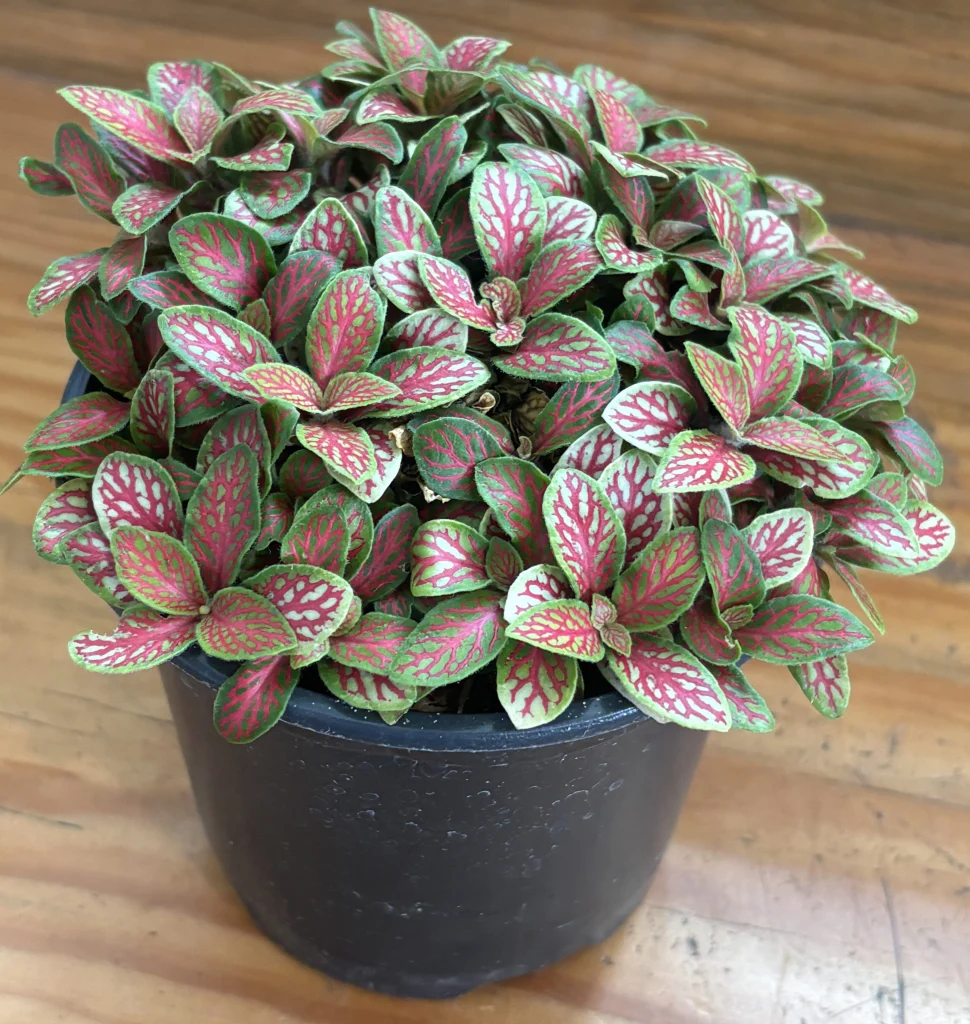
- Contrasting leaf veins: The most recognizable feature is a network of prominent veins that contrasts with the main leaf color. Depending on the variety, these veins may be white, pink, or reddish.
- Broad, patterned leaves: The leaves are generally oval to elliptical, with visible vein patterns that resemble a fine mosaic or net.
- Low-growing habit: Nerve plants tend to spread horizontally and remain relatively compact, rather than growing into tall shrubs or trees.
- Varied foliage colors: Different cultivars display different combinations of green leaves and colorful veins. The intensity of these patterns can vary with the cultivar and growing conditions.
Nerve plants may occasionally produce small flowers, but their foliage is the main reason they are cultivated as ornamental plants.
These features provide a useful starting point for identification. However, appearance alone may not establish the identity of an unfamiliar plant with complete certainty. A photograph, particularly one showing only a single leaf, may not capture enough botanical detail to distinguish similar species.
Why Is Accurate Plant Identification Important?
Accurate identification is essential when looking for reliable information about plant toxicity. The term nerve plant is a common name, not a universal scientific classification that guarantees every plant sold under that label belongs to the same species.
Different plants can share similar leaf shapes, colors, or vein patterns while having different characteristics. A plant mistakenly identified as Fittonia albivenis could therefore lead someone to consult safety information that does not apply to the actual species.
The scientific name provides a more precise starting point for botanical research. When checking a plant’s safety profile, look for its full scientific name on the nursery label or compare several identifying features with a reputable botanical reference.
Identification becomes especially important if a child or pet has chewed an unfamiliar plant. In that situation, retain a photograph of the whole plant and its leaves, and keep any available plant label. These details can help a healthcare professional or veterinarian determine which information is relevant.
The key takeaway: A nerve plant’s distinctive foliage makes it recognizable, but its scientific identity should be confirmed before relying on a toxicity classification. This is the foundation for understanding the plant’s safety around people and pets.
Are Nerve Plants Toxic to Humans?
Nerve plants (Fittonia albivenis) are ornamental plants grown for their attractive foliage rather than for food. Although they are generally listed as non-toxic to cats and dogs in commonly referenced veterinary resources, that classification should not be treated as definitive proof that every type of human exposure is harmless.
When considering nerve plant toxicity, it is important to distinguish between a plant’s established safety classification and the possible effects of accidental ingestion or individual sensitivity. Information about a plant’s toxicity may vary depending on the species identified, the type of exposure, and the reliability of the available evidence.
For everyday household use, nerve plants can be handled as ornamental plants, with ordinary hygiene and sensible precautions. However, their leaves should not be deliberately eaten, and uncertainty about an ingestion should be taken seriously.
Can Touching a Nerve Plant Cause Problems?
Routine handling of a correctly identified nerve plant is not generally associated with a major toxicity concern. Plant owners can usually carry out ordinary activities, such as moving a pot, inspecting the leaves, or maintaining the plant, while following normal gardening hygiene.
Nevertheless, individual responses to plants and gardening environments can vary. Some people may be sensitive to plant material, potting soil, fertilizers, or other products used during plant care. A reaction following contact does not necessarily mean the nerve plant itself is poisonous.
A few simple precautions can help make routine plant handling more comfortable:
- Wash your hands after pruning, repotting, or handling plant material.
- Avoid rubbing your eyes or touching your mouth while gardening.
- Use clean gardening tools when trimming leaves or maintaining the plant.
- Seek appropriate medical guidance if significant or persistent symptoms develop after contact.
These practices are general household hygiene measures. They do not imply that nerve plants are known to cause serious problems through ordinary touch.
What Happens If Someone Eats a Nerve Plant?
Nerve plants are not edible plants and should not be intentionally consumed. If someone accidentally swallows part of a nerve plant, the outcome cannot be predicted solely from the plant’s common name or its general classification in pet-safety references.
Relevant considerations include the person’s age, the amount of plant material swallowed, whether the plant was correctly identified, and whether fertilizers or other gardening products may also have been involved.
If accidental ingestion occurs, remove any remaining plant material from the mouth and rinse the mouth with water if the person can do so safely. Do not induce vomiting or attempt an improvised treatment. Contact a local poison information service or healthcare professional for advice tailored to the circumstances, particularly if a child is involved or the plant’s identity is uncertain.
Seek emergency assistance immediately if severe symptoms occur, including breathing difficulties, collapse, or seizures. Do not delay urgent care while trying to identify the plant.
The main point is that a general toxicity classification is not a guarantee about every possible human exposure. Accurate identification, the circumstances of ingestion, and any symptoms are more useful guides when deciding what help may be needed.
Are Nerve Plants Toxic to Cats and Dogs?
Nerve plants (Fittonia albivenis) are generally classified as non-toxic to cats and dogs in commonly referenced veterinary plant-safety resources. This makes them a plant worth considering for households with pets, although a non-toxic classification should not be interpreted as permission for animals to chew or eat the foliage freely.
Pet owners should distinguish between a plant’s recognized toxicity classification and the possible effects of eating plant material. Even when a plant is not known to contain toxins of concern to a particular animal, consuming unfamiliar vegetation may still cause digestive discomfort. There may also be separate risks if the plant has been treated with certain fertilizers, pesticides, or other gardening products.
Another important consideration is accurate identification. A plant sold under a familiar common name may not always be the species a pet owner assumes it is. Checking the scientific name helps ensure that the safety information being consulted applies to the correct plant.
Are Nerve Plants Safe for Cats?
Nerve plants are generally listed as non-toxic to cats in commonly used veterinary plant-safety references. Their colorful foliage and compact growth make them popular indoor decorations, but their accessibility can encourage curious cats to investigate them.
Some cats explore plants by sniffing, pawing, or chewing their leaves. If a cat eats nerve plant foliage, it may experience digestive discomfort simply because the plant material is unfamiliar and not part of its usual diet. The presence of symptoms does not, by itself, establish that the plant is poisonous.
Cat owners can reduce unnecessary exposure by placing nerve plants in stable locations where they are less likely to be disturbed. Providing appropriate enrichment and keeping the plant away from habitual chewing areas may also help discourage repeated contact.
If a cat chews a nerve plant and subsequently develops persistent vomiting, unusual behavior, or other concerning symptoms, contact a veterinarian. Do not automatically attribute the symptoms to the plant, because other exposures or unrelated conditions may be responsible.
Are Nerve Plants Safe for Dogs?
Nerve plants are also generally classified as non-toxic to dogs in commonly referenced veterinary resources. However, dogs may investigate houseplants while exploring their surroundings, particularly when a pot is within easy reach.
Eating a large amount of plant material can cause digestive upset, even when the plant is not classified as toxic. A dog’s response may also depend on the quantity consumed and whether the foliage was exposed to gardening chemicals.
To reduce avoidable problems, keep nerve plants in secure locations and discourage repeated chewing. If a dog unexpectedly eats the plant, observe its behavior and consider the circumstances of the exposure.
Contact a veterinarian if the dog develops concerning symptoms, consumes a substantial amount, or may have eaten a different or unidentified plant. Veterinary guidance is especially important when the plant’s identity or any treatment applied to it is uncertain.
What Should You Do If a Pet Eats a Nerve Plant?
If you discover that your cat or dog has chewed or swallowed part of a nerve plant, take a few practical steps to assess the situation.
- Prevent further access. Move the plant out of reach so the animal cannot continue eating it.
- Confirm the plant’s identity. Check the label for Fittonia albivenis and take a photograph if identification is uncertain.
- Consider other exposures. Check whether the plant was recently treated with fertilizer, pesticide, or another gardening product.
- Observe your pet. Pay attention to changes in behavior or signs of discomfort, without assuming that the plant is necessarily responsible.
- Contact a veterinarian when appropriate. Seek individualized advice if symptoms develop, a substantial amount was consumed, or the plant’s identity is uncertain.
Do not induce vomiting or administer home remedies unless a veterinary professional specifically instructs you to do so. If your pet develops severe symptoms, such as difficulty breathing, collapse, or seizures, seek emergency veterinary care immediately.
The most useful approach is to combine accurate plant identification with sensible household precautions. Although nerve plants are generally classified as non-toxic to cats and dogs, responsible placement and supervision help prevent unnecessary plant ingestion and confusion about possible exposures.
Are Nerve Plants Safe to Keep Around Children?
Nerve plants are commonly grown as decorative houseplants, but they should not be treated as edible or automatically safe for unrestricted access by young children. Although Fittonia albivenis is generally listed as non-toxic to cats and dogs, that classification does not establish that every type of human exposure is harmless.
Young children may explore their surroundings by touching leaves, pulling at stems, or putting unfamiliar objects in their mouths. For this reason, the most practical approach is to combine responsible plant placement with adult supervision and simple household safety habits.
Keeping a nerve plant at home does not necessarily mean it must be avoided in households with children. Instead, parents and caregivers should consider the child’s age, behavior, and ability to follow instructions when deciding where to position ornamental plants.
Practical Household Safety Precautions
A few straightforward precautions can help reduce accidental contact with plant material and gardening products.
- Choose an appropriate location. Place nerve plants where young children cannot easily reach, pull, or remove the leaves. Remember that children may climb on nearby furniture to reach a plant.
- Use stable pots and stands. Secure containers to reduce the likelihood of plants tipping over or soil spilling onto the floor.
- Keep plant material away from food. Avoid placing foliage where it could fall directly onto food preparation surfaces or into meals.
- Teach children about ornamental plants. Explain that houseplant leaves, flowers, stems, and soil should not be eaten.
- Clean up fallen material. Remove detached leaves and spilled potting mix from areas where children play.
- Store gardening products responsibly. Keep fertilizers, pesticides, and other plant-care products in their original containers and follow their label instructions.
- Practice basic hygiene. Encourage handwashing after gardening or handling potting materials.
If a child chews or swallows part of a nerve plant, remove any remaining plant material from the mouth if it can be done safely. Confirm the plant’s identity and contact a local poison information service or healthcare professional if there are concerns, particularly if the amount swallowed is uncertain or symptoms develop.
Do not assume that an exposure is harmless simply because the plant is generally classified as non-toxic to pets. If severe symptoms occur, including breathing difficulties, collapse, or seizures, seek emergency medical assistance immediately.
The key principle is prevention rather than alarm. Accurate plant identification, appropriate placement, and adult supervision help households enjoy ornamental plants while reducing avoidable exposure.
Nerve Plant Toxicity Compared With Other Houseplants
Not all decorative houseplants have the same toxicity profile. While some are generally classified as non-toxic to cats and dogs, others contain substances that can cause irritation or other adverse effects if an animal chews or swallows them.
Nerve plants (Fittonia albivenis) are generally listed as non-toxic to cats and dogs in commonly referenced veterinary plant-safety resources. However, this classification should not be applied to other plants simply because they have similar leaves or are sold alongside nerve plants in garden centers.
Understanding the differences between common houseplants helps plant owners make more informed choices, particularly when selecting foliage for homes with children or pets.
Comparing Nerve Plants With Other Indoor Plants
The following table compares nerve plants with three familiar houseplants. These classifications refer to their general pet-toxicity profiles, not a guarantee that every form of exposure is harmless.
| Plant name | Scientific name | General pet-toxicity classification | Important qualification |
| Nerve plant | Fittonia albivenis | Generally listed as non-toxic to cats and dogs | The ASPCA lists a nerve plant under Fittonia verschaffeltii. Confirm the species when checking a specific plant. |
| Pothos | Epipremnum aureum | Toxic to cats and dogs | Contains insoluble calcium oxalate crystals that can irritate the mouth and digestive tract. |
| Spider plant | Chlorophytum comosum | Listed as non-toxic to cats and dogs | Eating plant material may still cause digestive upset. |
| Peace lily | Spathiphyllum species | Toxic to cats and dogs | Contains insoluble calcium oxalates associated with oral irritation and other symptoms. |
The American Society for the Prevention of Cruelty to Animals (ASPCA) maintains a searchable database of plants classified as toxic or non-toxic to pets. Its listings are useful starting points, but they are not exhaustive and should be checked against the scientific name of the plant in question.
The comparison highlights an important distinction: a plant’s appearance does not determine its toxicity. Two houseplants may both have attractive green foliage but differ considerably in their pet-safety classifications.
For households with children or animals, check each plant individually rather than assuming that all ornamental foliage is equally safe. Also remember that a pet-toxicity classification is not a substitute for information about human exposure.
How to Grow and Handle Nerve Plants Responsibly
Growing nerve plants successfully involves providing suitable light, moisture, and humidity while maintaining good household hygiene. These tropical plants are valued for their decorative foliage, and appropriate care helps preserve the leaf patterns that make them popular indoor plants.
Responsible plant care also includes considering where the plant is placed, how it is handled, and whether children or pets can easily reach it. Although Fittonia albivenis is generally listed as non-toxic to cats and dogs, its ornamental status means it should not be treated as a food plant.
It is also important to distinguish between the plant’s natural characteristics and the products used to maintain it. Fertilizers, pesticides, and other gardening materials may present separate safety concerns, regardless of the plant’s own toxicity classification.
Light, Water, and Humidity Requirements
Nerve plants originate from tropical environments and generally grow best under conditions that provide consistent moisture, warmth, and suitable light.
- Light: Bright, indirect light is generally suitable for nerve plants. Strong direct sunlight can damage their leaves, while insufficient light may affect growth and foliage appearance.
- Water: Keep the potting mix consistently moist without allowing it to become waterlogged. Containers with adequate drainage help prevent excess water from accumulating around the roots.
- Humidity: Nerve plants typically benefit from relatively high humidity. Very dry indoor conditions may contribute to wilting, leaf stress, or reduced foliage quality.
- Temperature: Warm indoor conditions generally suit these tropical plants. Protecting them from cold drafts and sudden temperature changes can help maintain healthy growth.
- Potting mix: A moisture-retentive but well-draining potting mix supports the plant’s preference for consistent moisture while allowing excess water to escape.
Nerve plants may wilt noticeably when their growing medium becomes too dry. However, wilting can have several causes, including watering problems and environmental stress, so the condition should be assessed rather than automatically attributed to a single factor.
These care practices help maintain a healthy ornamental plant. They do not change its inherent toxicity classification, and a well-maintained plant should still be kept away from people or pets who might chew or swallow its leaves.
Pruning and Repotting Safely
Pruning and repotting are routine parts of nerve plant care. Pruning helps remove damaged foliage, while repotting provides additional room for root growth when a plant outgrows its container.
Although these activities are generally straightforward, a few precautions can help maintain a clean growing environment and reduce unnecessary household exposure.
Pruning nerve plants
Use clean scissors or gardening shears to trim damaged, wilted, or unwanted leaves. Remove plant material carefully and collect detached leaves rather than leaving them on floors, tables, or other surfaces accessible to children and pets.
Repotting nerve plants
Choose a container with drainage holes and prepare an appropriate potting mix before transferring the plant. Keep soil and gardening materials away from kitchen counters, food preparation areas, and places where children play. Clean up spilled soil after the task is complete.
Maintaining good hygiene
Wash your hands after pruning, repotting, or handling potting soil. Clean reusable gardening tools and store them in an appropriate location when not in use.
Handling fertilizers and pesticides
Read product labels before using fertilizers, pesticides, or other gardening products. Follow the specified handling and storage instructions, and keep these products away from children and pets.
These measures are sensible practices for caring for ornamental plants generally. They do not imply that nerve plants are inherently dangerous; rather, they help keep routine plant maintenance organized and reduce avoidable exposure to plant material and gardening products.
Frequently Asked Questions About Nerve Plant Toxicity
Are Nerve Plants Toxic to Humans?
Nerve plants (Fittonia albivenis) are ornamental plants rather than food plants. Although routine handling is not generally associated with a major toxicity concern, this does not establish that every possible exposure is harmless. If someone accidentally swallows part of the plant and has concerns or develops symptoms, seek advice from a healthcare professional or local poison information service.
Are Nerve Plants Toxic to Cats and Dogs?
Nerve plants are generally listed as non-toxic to cats and dogs in commonly referenced veterinary plant-safety resources. However, eating plant material may still cause digestive discomfort, and a misidentified plant or gardening-product exposure may present different risks. Consult a veterinarian if your pet develops concerning symptoms after chewing a plant.
Can You Touch a Nerve Plant?
Yes, routine handling of a correctly identified nerve plant is not generally associated with a major toxicity concern. As with other gardening activities, wash your hands afterward and avoid touching your eyes or mouth. If significant or persistent symptoms develop following contact, seek appropriate medical guidance.
What Should You Do If a Pet Eats a Nerve Plant?
Prevent further access to the plant, confirm its identity if possible, and observe your pet for unusual behavior or signs of discomfort. Contact a veterinarian if symptoms develop, a substantial amount was consumed, or the plant’s identity is uncertain. Do not induce vomiting or give home remedies unless a veterinary professional instructs you to do so. Severe symptoms require emergency veterinary attention.
Are Nerve Plants Safe for Homes With Children?
Nerve plants can be grown as ornamental houseplants in family homes, but children should not be encouraged to touch their mouths after handling foliage or to eat any plant material. Place the pot somewhere young children cannot easily reach, and supervise them around houseplants. Seek professional advice if a child swallows plant material and there is uncertainty about the exposure.
Are All Plants Called Nerve Plants Non-Toxic?
No generalization based on a common name is reliable for every plant. Common names can vary by region and may refer to different species. Check the scientific name, compare the plant’s identifying features, and consult a reputable botanical or veterinary toxicity reference before relying on a safety classification.
Conclusion: Are Nerve Plants Toxic?
Nerve plants, particularly Fittonia albivenis, are generally listed as non-toxic to cats and dogs in commonly referenced veterinary plant-safety resources. Their colorful foliage, compact growth, and suitability for indoor displays make them popular ornamental plants.
However, a non-toxic classification does not mean a plant is edible or that every possible exposure is risk-free. Eating plant material may cause discomfort, individual responses can vary, and plants that have been misidentified or treated with gardening products may present different concerns.
For households with children and pets, a few practical precautions can make plant ownership more manageable:
- Confirm the plant’s identity before relying on toxicity information.
- Keep ornamental plants out of reach of young children and discourage pets from chewing their leaves.
- Wash your hands after routine plant care and handle fertilizers or pesticides according to their labels.
- Seek appropriate professional advice if an accidental ingestion raises concerns or symptoms develop.
Ultimately, understanding the identity and general safety profile of a nerve plant helps you make informed decisions about where to grow it and how to care for it responsibly. With suitable placement, regular maintenance, and sensible household precautions, you can enjoy its distinctive foliage while reducing avoidable exposure to plant material.
If you’re looking for Papua herbal products, start with a trusted source. Experience authentic, high-quality red fruit products at Cahya Red Fruit Papua New Guinea! We offer a wide variety of items besides Red Fruit Papua New Guinea — including Papua ant nest and Papua kebar grass. Check out our herbal wellness product in our website!