Plants come in many forms, from tiny mosses growing on damp rocks to towering trees that shape entire forests. Although these organisms share several fundamental characteristics, they differ in their internal structures, methods of reproduction, and adaptations to their environments. Understanding the different classes of plants helps explain this diversity and shows how botanists organize plant life into meaningful groups.
Plant classification is the scientific process of grouping plants according to shared characteristics and evolutionary relationships. Botanists examine features such as leaves, stems, roots, vascular tissue, flowers, seeds, and spores to identify similarities and differences. Modern classification also uses genetic evidence to reveal how plant groups are related through evolution.
The phrase classes of plants is often used informally to describe major plant groups. In formal botanical taxonomy, however, a class is a specific rank within a hierarchy of scientific classification. This distinction matters because the broad groups introduced in educational guides do not all represent equivalent taxonomic ranks.
A useful starting point is to explore four major groupings of land plants: bryophytes, seedless vascular plants, gymnosperms, and angiosperms. Bryophytes include mosses and their relatives, while seedless vascular plants include familiar ferns and horsetails. Gymnosperms produce seeds that are not enclosed within an ovary-derived fruit, whereas angiosperms are flowering plants whose seeds develop inside fruits.
These groups differ in their anatomy, reproductive structures, and life cycles. By examining these characteristics, readers can better understand how plants are classified and why particular features distinguish one group from another.
This guide explores the main plant groups, their defining characteristics, and the ways they reproduce. It also compares vascular and nonvascular plants, explains the difference between seed-producing and spore-producing plants, and introduces familiar examples from different habitats. Along the way, it considers the importance of classifying plants for understanding biodiversity, including the remarkable variety of plant life found in Papua’s tropical forests.
What Are the Different Classes of Plants?
Plants are commonly grouped according to their internal structures, reproductive methods, and evolutionary relationships. These characteristics help botanists distinguish organisms that share important features while recognizing how different plant lineages developed over time.
In introductory biology, land plants are often organized into four broad educational groups: bryophytes, seedless vascular plants, gymnosperms, and angiosperms. Each group has distinctive characteristics, particularly in the way it transports water and nutrients and produces new generations.
- Bryophytes: Nonvascular land plants, including mosses, liverworts, and hornworts.
- Seedless vascular plants: Plants with vascular tissue that reproduce through spores, including ferns, horsetails, and lycophytes.
- Gymnosperms: Vascular seed plants that produce seeds not enclosed within an ovary-derived fruit, including pines and cycads.
- Angiosperms: Flowering plants whose ovules are enclosed within carpels and whose seeds typically develop inside fruits.
These categories provide a useful overview of plant diversity, but they should not be mistaken for four equivalent formal taxonomic classes. Botanical classification is more detailed, and scientists recognize numerous divisions, classes, orders, families, genera, and species.
How Botanists Classify Plants
Botanists use plant taxonomy to identify, name, and organize plants into a scientific classification system. They consider several characteristics rather than relying on a single visible feature.
Plant morphology refers to the form and external structures of a plant. Botanists examine leaves, stems, roots, flowers, and other visible features to identify similarities and differences between species. Leaf arrangement, flower structure, and the shape of reproductive organs can provide useful identification clues.
Plant anatomy focuses on internal structures. One important distinction is the presence or absence of vascular tissue, which transports water, minerals, and sugars throughout a plant. The development of roots, stems, leaves, and supportive tissues also helps distinguish major plant groups.
Reproductive structures provide another essential source of evidence. Some plants reproduce through spores, while others produce seeds. Among seed-producing plants, botanists distinguish gymnosperms from angiosperms by examining whether the ovules are enclosed within carpels and whether the seeds develop inside fruits.
Scientists also study evolutionary relationships, or phylogeny, to understand how different plants are related through common ancestry. Modern plant classification combines observable characteristics with molecular evidence, including comparisons of DNA sequences. This approach helps researchers identify relationships that may not be obvious from appearance alone.
Understanding how can plants be classified therefore requires looking beyond their size, shape, or habitat. Two plants may look similar but belong to different evolutionary lineages, while plants with noticeably different appearances may share a common ancestor.
Overview of the Major Plant Groups
The following table summarizes the defining characteristics of the four broad educational groups of land plants.
| Plant group | Vascular tissue | Reproductive structures | Examples |
| Bryophytes | Lack typical lignified vascular tissue | Spores | Mosses, liverworts, hornworts |
| Seedless vascular plants | Present | Spores produced in sporangia | Ferns, horsetails, lycophytes |
| Gymnosperms | Present | Seeds, often produced in cones or other reproductive structures | Pines, cycads, ginkgo |
| Angiosperms | Present | Flowers, ovules enclosed in carpels, and seeds typically enclosed in fruits | Orchids, grasses, palms, flowering trees |
This comparison highlights several important differences. Bryophytes generally remain small and rely on moisture for successful fertilization. Seedless vascular plants have specialized conducting tissues but reproduce without seeds. Gymnosperms and angiosperms both produce seeds, but they differ in how their ovules are enclosed and how their reproductive structures develop.
These distinctions also demonstrate the importance of classifying plants in biology: a consistent system makes it easier to study plant diversity, compare life cycles, and understand the relationships between species.
The groups introduced here are broad categories used to explain the diversity of land plants. The sections that follow examine each group in greater detail, beginning with bryophytes and their adaptations to moist environments.
1. Bryophytes: Nonvascular Plants
Bryophytes are a group of small land plants that lack the typical lignified vascular system found in ferns, conifers, and flowering plants. In traditional educational classifications, this group includes mosses, liverworts, and hornworts. They are particularly interesting because they illustrate how plants can survive on land without the specialized water-conducting tissues found in most familiar plants.
Bryophytes commonly grow in moist environments, including shaded forest floors, damp rocks, and tree trunks. However, their distribution is not limited to permanently wet locations. Some species can tolerate periods of dryness and become active again when moisture returns.
Key Characteristics of Bryophytes
One of the defining characteristics of bryophytes is the absence of the typical vascular tissues known as xylem and phloem. In vascular plants, xylem transports water and dissolved minerals, while phloem distributes sugars and other organic substances. Bryophytes generally rely on direct absorption and movement of water across their surfaces, which limits how efficiently they can transport materials over long distances.
This limitation helps explain why many bryophytes are relatively small. They also lack the true roots, stems, and leaves characteristic of vascular plants. Instead, they may have simpler structures that perform similar functions without sharing the same internal organization.
Many bryophytes possess structures called rhizoids. These thread-like structures help anchor the plant to surfaces such as soil, rocks, and tree bark. Unlike true roots, rhizoids do not form the same complex vascular system used to absorb and transport water throughout a plant.
Another important characteristic is their reproductive life cycle. Bryophytes exhibit alternation of generations, meaning their life cycles include two multicellular stages: a haploid gametophyte and a diploid sporophyte. The gametophyte is the dominant, familiar green stage in mosses and many other bryophytes. The sporophyte develops after fertilization and produces spores.
Fertilization generally depends on water because the sperm must move through a film of moisture to reach the egg. This requirement influences where many bryophytes grow and reproduce successfully.
Examples of Bryophytes
The three major lineages traditionally grouped as bryophytes are mosses, liverworts, and hornworts. Although they share some general characteristics, each has distinctive structures and growth patterns.
Mosses are often found growing in soft, green patches on soil, rocks, fallen logs, and tree trunks. Their small leafy shoots can form dense mats that retain moisture near the ground. Some mosses also contribute to habitat formation by creating surfaces where other small organisms can live.
One familiar example is Sphagnum, a genus of mosses associated with peat-forming wetlands in many parts of the world. Sphagnum can hold substantial quantities of water within its tissues and surrounding spaces. In suitable environments, accumulated plant material from these mosses contributes to peat formation over long periods.
Liverworts are another major bryophyte lineage. Some have flattened, ribbon-like bodies, while others resemble small leafy shoots. Marchantia is a commonly studied example of a thalloid liverwort. Its flattened body grows close to the surface, and some species produce distinctive structures involved in asexual reproduction.
Hornworts form the third major lineage. Many have a relatively simple, flattened green body, with elongated sporophytes that resemble narrow horns. These reproductive structures help distinguish hornworts from many mosses and liverworts.
Together, these examples demonstrate that nonvascular plants display considerable structural diversity despite their relatively simple conducting systems.
Where Bryophytes Grow
Bryophytes occur in a wide range of habitats, including tropical rainforests, temperate woodlands, wetlands, and cool mountain environments. In forests, they may grow on the ground, cover exposed roots, or form patches on tree trunks and shaded branches.
Moisture is particularly important because bryophytes absorb water directly across much of their surfaces, and their fertilization process generally requires water. Shaded locations can reduce evaporation and provide favorable conditions for growth.
However, not all bryophytes require constant moisture. Some species tolerate temporary drying and resume normal activity when water becomes available. These adaptations allow them to occupy habitats that experience changing environmental conditions.
In tropical regions such as Papua, mosses and liverworts can contribute to the vegetation of humid forest understories, damp slopes, and other suitable microhabitats. Their presence reflects the interaction between local moisture, temperature, light, and the availability of surfaces for attachment.
Although bryophytes are generally small, they are valuable components of plant communities. They can retain moisture, contribute to the formation of suitable microsites for other organisms, and participate in nutrient cycling. Studying them also helps explain the diversity of land plants and the different structural strategies plants use to survive on land.
2. Seedless Vascular Plants
Seedless vascular plants are plants that possess specialized conducting tissues but reproduce through spores rather than seeds. Unlike bryophytes, they have vascular systems that allow water, minerals, and sugars to move through their bodies more efficiently. This structural difference supports the development of larger leaves, more extensive stems, and true roots in many members of the group.
Ferns, horsetails, and lycophytes are familiar examples. They occur in a variety of environments, from humid tropical forests to wetlands and temperate woodlands. Although these plants do not produce flowers or seeds, their reproductive systems are well adapted to the environments in which they grow.
Defining Features of Seedless Vascular Plants
The most important characteristic of seedless vascular plants is the presence of vascular tissue. This tissue consists primarily of two transport systems: xylem and phloem.
Xylem transports water and dissolved minerals from the roots or other absorbing structures to the rest of the plant. Many vascular plants also have xylem containing lignin, a substance that strengthens cell walls and helps support upright growth.
Phloem transports sugars and other organic substances produced during photosynthesis to different parts of the plant. Together, these conducting tissues enable efficient long-distance transport and support more complex plant structures.
Most familiar seedless vascular plants possess true roots, stems, and leaves. Roots help anchor the plant and absorb water and minerals, stems support above-ground growth, and leaves capture light for photosynthesis. Their structures vary considerably, however, and not every species has the same arrangement or appearance.
Another defining feature is their reproductive method. Rather than forming seeds, these plants produce microscopic reproductive cells called spores. Spores develop in structures known as sporangia, which may occur on specialized leaves or in clusters on the undersides of fern fronds.
The visible plant is generally the diploid sporophyte, the stage that produces spores through meiosis. Under suitable conditions, a spore can germinate into a small haploid gametophyte. This gametophyte produces the reproductive cells involved in fertilization.
In most familiar ferns and other seedless vascular plants, fertilization depends on water because sperm must reach an egg. This is an important difference between these plants and seed plants, which use pollen to deliver male reproductive cells without requiring free-standing water for that transfer.
Main Types of Seedless Vascular Plants
Seedless vascular plants include several distinct lineages. Their shared ability to transport materials through vascular tissue does not mean that they all have the same evolutionary history or physical characteristics.
Ferns
Ferns are among the best-known seedless vascular plants. Many have large leaves called fronds, which may be divided into smaller leaflets. In numerous species, young fronds emerge in tightly coiled forms before gradually unfolding.
Ferns commonly produce spores in sporangia grouped into structures called sori, which often appear as small spots on the undersides of mature fronds. The arrangement and appearance of sori can help botanists distinguish different fern species.
One example is Pteridium, a genus that includes bracken ferns. Ferns occur in diverse habitats, including tropical forests, shaded slopes, open woodland, and other environments where suitable growing conditions are available.
Lycophytes
Lycophytes include clubmosses, spikemosses, and quillworts. Despite the word moss in the common name of some species, lycophytes are vascular plants and are not true mosses.
Many lycophytes have small leaves called microphylls, typically characterized by a single unbranched vein. Their spores are produced in sporangia, sometimes grouped into compact structures at the tips of stems.
These plants illustrate how different vascular plant lineages developed their own structural features while retaining spore-based reproduction.
Horsetails
Horsetails belong to the genus Equisetum. They are recognizable by their jointed stems, which often have distinct ridges, and their small, reduced leaves arranged around the stem.
Their sporangia occur in compact reproductive structures, commonly located at the tips of fertile shoots. Horsetails are frequently associated with moist habitats, including stream margins, wetlands, and damp ground.
The term pteridophytes is sometimes used in introductory biology to refer collectively to ferns and other seedless vascular plants. However, modern evolutionary classification recognizes that this traditional grouping does not represent one complete natural lineage in the same way as some other taxonomic groups.
How Seedless Vascular Plants Reproduce
The reproduction of seedless vascular plants follows a life cycle known as alternation of generations. This cycle includes a diploid sporophyte and a haploid gametophyte, each of which performs a different role.
The process can be summarized in four stages:
- Spore production: The mature sporophyte produces spores in sporangia through meiosis.
- Gametophyte development: A spore germinates under suitable conditions and grows into a haploid gametophyte.
- Fertilization: The gametophyte produces sperm and eggs. In familiar ferns, sperm require a film of water to reach an egg.
- New sporophyte growth: After fertilization, the resulting embryo develops into a new diploid sporophyte, which eventually matures and produces spores.
In many ferns, the gametophyte is a small, green structure that can be easily overlooked. The sporophyte, by contrast, is the familiar leafy plant. This contrasts with bryophytes, in which the gametophyte is generally the dominant visible stage.
Spore-based reproduction differs from seed-based reproduction because spores do not contain a multicellular plant embryo enclosed within a protective seed coat. Nevertheless, spores are effective reproductive structures for the species that produce them and can be dispersed by air or other environmental processes.
Examples and Habitats
Seedless vascular plants occupy a broad range of ecosystems. In tropical forests, ferns may grow on the forest floor, along stream banks, or on tree trunks and branches. Some species grow directly in soil, while others are epiphytes, meaning they grow on other plants for physical support without necessarily taking nutrients from them.
Horsetails often occur in moist ground, while different lycophytes inhabit forest floors, rocky surfaces, and other suitable locations. Their distribution depends on factors such as water availability, light, temperature, and the characteristics of the surrounding habitat.
In Papua’s tropical environments, ferns are a visible part of the diversity found beneath forest canopies and in humid mountain habitats. Different species occupy distinct ecological niches, demonstrating how vascular tissue and spore-based reproduction can support a variety of growth forms.
Seedless vascular plants are therefore an important group in understanding the different classes of plants. They combine specialized internal transport systems with reproductive methods that do not require seeds, occupying a distinct position between nonvascular plants and the seed-producing groups discussed next.
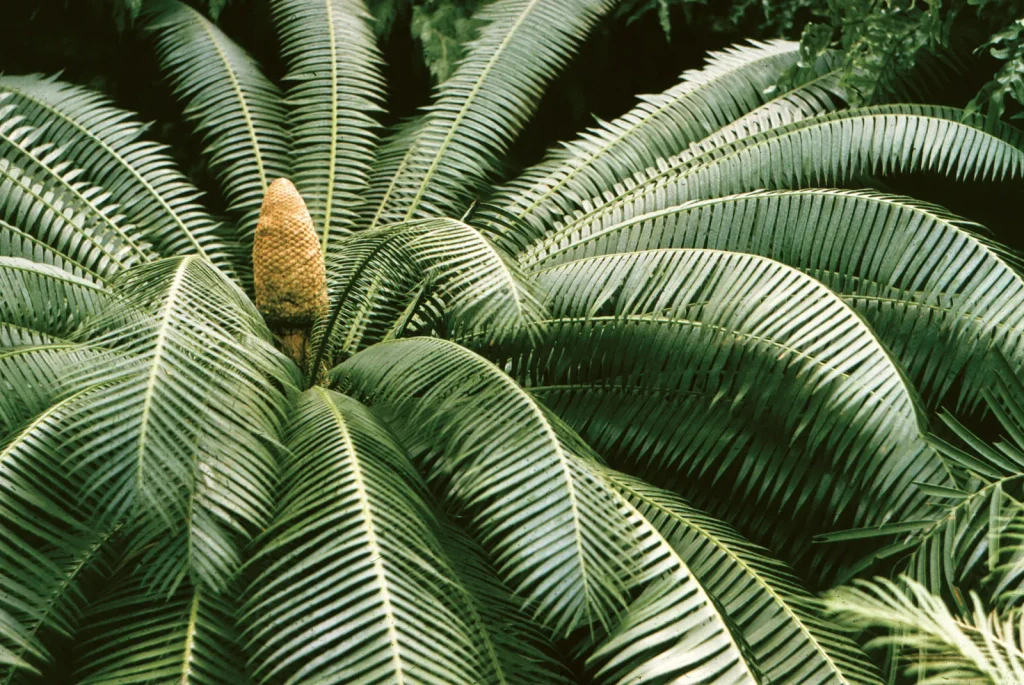
3. Gymnosperms: Plants with Exposed Seeds
Gymnosperms are vascular plants that produce seeds without enclosing their ovules within an ovary that develops into a fruit. The name gymnosperm comes from Greek words meaning “naked seed,” referring to this distinctive reproductive feature.
Like ferns, gymnosperms possess vascular tissue, including xylem and phloem. However, unlike ferns and other seedless vascular plants, they reproduce through seeds rather than spores as their primary means of producing new plants. Their reproductive structures vary among lineages, with cones being especially familiar in conifers.
Gymnosperms include pines, cycads, ginkgo, and gnetophytes. These plants differ in appearance, size, and habitat, demonstrating that seed production can occur in several distinct plant lineages.
What Makes Gymnosperms Different?
The defining feature of gymnosperms is how their seeds develop. Their ovules are not enclosed within carpels, the structures that form the protective reproductive chamber in flowering plants. As a result, gymnosperms do not produce fruits in the botanical sense.
Many gymnosperms produce separate pollen-producing and ovule-bearing cones. In conifers such as pines, pollen is commonly carried by wind from male cones to female cones. After pollination and subsequent fertilization, the ovules develop into seeds.
Pollen is an important evolutionary adaptation because it allows male reproductive cells to reach the female reproductive structures without requiring a film of water for their transfer. This distinguishes seed plants from familiar mosses and ferns, whose sperm generally depend on water to reach an egg.
Many conifers also have needle-like or scale-like leaves. These features, together with other adaptations such as protective leaf surfaces and regulated stomatal activity, can help limit water loss. However, not all gymnosperms share these characteristics. Some have broad leaves, and their habitats range from tropical regions to cooler forests.
Another important distinction is that gymnosperms and angiosperms both produce seeds, but their reproductive structures differ. Gymnosperm seeds are not enclosed within an ovary-derived fruit, whereas angiosperm seeds develop within fruits formed from the flower’s reproductive structures.
Major Groups of Gymnosperms
Gymnosperms comprise several living lineages, each with recognizable characteristics.
Conifers
Conifers are the largest living group of gymnosperms in terms of species diversity. They include pines, firs, spruces, cedars, and related trees and shrubs. Many conifers have woody stems and produce seeds in cones, although their precise reproductive structures vary.
Conifers are prominent in many temperate and boreal forests, where they provide food and shelter for wildlife and contribute to the structure of forest ecosystems. Some species also grow in subtropical and tropical environments.
Cycads
Cycads are often mistaken for palms because they may have stout trunks topped with large, compound leaves. However, cycads belong to a different evolutionary lineage and are not true palms.
Most living cycads produce separate male and female reproductive structures. Their large seeds and distinctive foliage make them recognizable examples of gymnosperm diversity. Many cycads grow in tropical or subtropical habitats, although individual species have different environmental requirements.
Ginkgo
The ginkgo, Ginkgo biloba, represents a distinctive gymnosperm lineage with only one living species. It is recognized by its fan-shaped leaves, which differ from the typical needle-like leaves of many conifers.
Ginkgo trees produce ovules that develop into seeds without being enclosed in an ovary-derived fruit. Their unusual reproductive and leaf characteristics make them important examples in studies of plant evolution and classification.
Gnetophytes
Gnetophytes are a diverse group of gymnosperms that includes the genera Ephedra, Gnetum, and Welwitschia. These plants differ considerably in form and habitat.
For example, Ephedra species often grow as shrubs in relatively dry environments, while Gnetum includes tropical plants with broad leaves. Welwitschia is a highly distinctive plant adapted to the arid conditions of southwestern Africa. Together, these examples show why gymnosperms should not be defined solely by the appearance of pine trees.
Examples and Ecological Importance
Gymnosperms play important roles in many ecosystems. Conifers can dominate extensive forests, creating habitats for animals, fungi, and other organisms. Their branches provide shelter, while their seeds serve as food for various wildlife species.
Their woody tissues also contribute to forest structure, and fallen leaves, needles, branches, and other plant material become part of the processes through which nutrients return to the soil.
Gymnosperms occur in a range of environmental conditions, from cold northern forests to tropical and subtropical landscapes. Their characteristics reflect different adaptations to temperature, moisture availability, soil conditions, and other environmental pressures.
Understanding gymnosperms helps clarify the distinction between seed-producing plants and spore-producing plants. It also prepares readers to explore angiosperms, the flowering plants that produce seeds enclosed within fruits.
4. Angiosperms: Flowering Plants
Angiosperms are flowering plants whose ovules are enclosed within carpels, the reproductive structures that form part of a flower. After fertilization, the ovules typically develop into seeds, while the ovary usually develops into a fruit. This reproductive feature distinguishes angiosperms from gymnosperms, whose seeds are not enclosed within an ovary-derived fruit.
Angiosperms are the most species-rich group of living land plants. They include grasses, orchids, palms, shrubs, fruit-bearing plants, and many of the trees that form tropical rainforests. Their remarkable diversity allows them to occupy habitats ranging from wetlands and grasslands to mountain slopes and dense forests.
Flowers are central to angiosperm reproduction, although they vary considerably in size, shape, color, and structure. Some attract insects, birds, or other animals, while others rely primarily on wind to transfer pollen. These different reproductive strategies have contributed to the diversity of flowering plants found around the world.
Defining Characteristics of Angiosperms
The defining feature of angiosperms is the enclosure of their ovules within carpels. A flower typically contains reproductive structures, although the arrangement and appearance of its parts differ among species.
The male reproductive structures commonly include stamens, which produce pollen grains. The female reproductive structures include carpels, which contain the ovules. Each ovule contains the female reproductive structures involved in producing the next generation.
Pollination occurs when pollen reaches a receptive part of a flower, such as the stigma. Pollination is not the same as fertilization: it is the transfer that allows the subsequent reproductive process to take place.
After pollen reaches the appropriate reproductive structure, a pollen tube commonly grows toward an ovule, enabling sperm cells to reach the female gametophyte. Following fertilization, the developing embryo is contained within a seed, while the ovary typically matures into a fruit.
Angiosperms also undergo a process called double fertilization. One sperm cell fuses with the egg cell to form the diploid zygote, which develops into the embryo. Another sperm cell typically fuses with the central cell to produce the endosperm, a tissue that nourishes the developing embryo.
These reproductive features distinguish flowering plants from other major plant groups. Their vascular systems also transport water, minerals, and sugars throughout the plant, supporting a wide variety of growth forms, from small herbs to massive forest trees.
Main Groups of Flowering Plants
Flowering plants contain numerous evolutionary lineages. Two particularly familiar groups are monocots and eudicots, which can often be distinguished by examining their seeds, leaves, flowers, and vascular structures.
Monocots
Monocots, or monocotyledons, generally produce embryos with one cotyledon, or seed leaf. Their leaves commonly display parallel venation, in which the main veins run alongside one another. Many monocots also have flower parts arranged in threes or multiples of three and fibrous root systems.
Examples include grasses, orchids, lilies, and palms. Rice and bananas are also familiar members of this group.
These characteristics are useful identification clues, but they are not universal rules. Botanists consider several features together when identifying a plant rather than relying on leaf shape or root structure alone.
Eudicots
Eudicots generally produce embryos with two cotyledons. Their leaves commonly have net-like venation, in which smaller veins branch and connect to form a network. Flower parts often occur in fours or fives, and many species develop a main taproot, although variations are common.
Examples include beans, roses, sunflowers, and many fruit trees. Eudicots include a broad range of plants, from small flowering herbs to large trees.
The term dicots has traditionally been used for flowering plants with two cotyledons. However, this older category includes some lineages that fall outside the eudicots in modern evolutionary classification. For this reason, monocots and eudicots are more useful when discussing major groups based on evolutionary relationships.
Both groups belong to the angiosperms and share the fundamental reproductive feature of enclosed ovules. Their differences reflect the diversity of structures that have evolved within flowering plants.
How Angiosperms Reproduce
The reproductive cycle of flowering plants begins with the development of flowers or other specialized reproductive structures. Pollen must reach a compatible reproductive structure for fertilization to proceed.
Pollination may occur through several mechanisms. Insects such as bees and butterflies transfer pollen while visiting flowers, and some plants are pollinated by birds or other animals. Other flowering plants release pollen that is carried by wind.
Once pollination occurs, fertilization may follow if the pollen is compatible and environmental conditions are suitable. The fertilized ovule develops into a seed containing an embryo, while the ovary typically develops into a fruit.
Fruits have important roles in protecting seeds and supporting their dispersal. Some are eaten by animals, which may carry or deposit the seeds elsewhere. Others have structures that help them travel through wind or water. Some fruits also release seeds directly when they mature.
Not every flowering plant produces a fleshy fruit. Dry fruits, such as grains and many pods, are also common. In botanical terms, the grain of a grass is a type of fruit, even though it may not resemble a typical apple or mango.
This variety of reproductive structures helps explain why angiosperms are successful across so many different habitats.
Examples of Angiosperms in Everyday Life
Flowering plants are part of everyday life in many ways. Food crops such as rice, bananas, beans, and numerous fruit trees belong to the angiosperms. Ornamental plants, including orchids and roses, are also members of this group.
Angiosperms include trees, shrubs, climbers, grasses, and herbaceous plants. The term herbaceous describes a growth form in which stems generally lack the persistent woody structure characteristic of trees and woody shrubs. It is not a separate taxonomic group.
Tropical rainforests contain especially diverse communities of flowering plants. Their trees form the canopy, while smaller shrubs, climbing plants, orchids, and other species occupy different levels of the forest.
In Papua, this diversity can be observed across lowland forests, mountain environments, and other tropical habitats. Orchids, palms, and flowering trees represent just a few examples of the many angiosperm lineages that contribute to regional plant diversity.
The angiosperms illustrate how reproductive structures can serve as important criteria in botanical classification. By examining flowers, ovules, seeds, and fruits alongside anatomical and genetic evidence, botanists can identify relationships among flowering plants and better understand their evolution.
Vascular vs. Nonvascular Plants
One of the most important distinctions in plant classification is whether a plant has specialized vascular tissue. This difference influences how water and nutrients move through the plant, how large it can grow, and how its body is organized.
Vascular plants possess conducting tissues called xylem and phloem. These tissues transport water, minerals, and sugars between different parts of the plant. Nonvascular plants, such as mosses and liverworts, lack the typical lignified vascular system found in vascular plants and generally rely more heavily on direct absorption and short-distance movement of water.
Both groups include plants adapted to different habitats. However, their internal structures and reproductive life cycles differ in several important ways.
Key Differences Between Vascular and Nonvascular Plants
| Characteristic | Vascular plants | Nonvascular plants |
| Vascular tissue | Xylem and phloem present | Typical lignified vascular system absent |
| Water and nutrient transport | Specialized conducting tissues | Primarily direct absorption and short-distance movement |
| Roots, stems, and leaves | True roots, stems, and leaves generally present | No true roots, stems, or leaves of the vascular type |
| Typical plant size | Ranges from tiny plants to very tall trees | Generally small and close to the growing surface |
| Dominant life-cycle stage | Sporophyte generally dominant | Gametophyte generally dominant |
| Reproductive methods | Spores or seeds, depending on the group | Spores |
| Examples | Ferns, pines, orchids, grasses | Mosses, liverworts, hornworts |
These differences describe broad patterns rather than rules that apply identically to every species.
Why Vascular Tissue Matters
Xylem and phloem allow vascular plants to move materials over longer distances. Xylem transports water and minerals, while phloem distributes sugars produced during photosynthesis and other organic substances.
Many vascular plants also develop lignified supporting tissues, which help their stems remain upright. Together, these features support a wide range of growth forms, including large trees, climbing plants, shrubs, and leafy ferns.
Nonvascular plants generally remain smaller because they lack the same specialized transport and support systems. Many grow as mats or cushions that remain close to the surfaces from which they absorb moisture.
However, small size does not mean that nonvascular plants are poorly adapted. Mosses and their relatives can thrive in habitats where moisture is readily available and can tolerate environmental conditions that would challenge other plants.
Differences in Reproduction and Life Cycles
Vascular and nonvascular plants also differ in the relative importance of the two generations in their life cycles.
In mosses and many other bryophytes, the haploid gametophyte is the dominant green plant body. The diploid sporophyte develops attached to and is often nutritionally dependent on the gametophyte.
In ferns and other familiar seedless vascular plants, the diploid sporophyte is the dominant, independent plant. Its sporangia produce spores, which can develop into gametophytes under suitable conditions.
Seed-producing vascular plants, including gymnosperms and angiosperms, also have a dominant sporophyte generation. Their gametophytes are highly reduced and develop within reproductive structures associated with pollen and ovules.
These distinctions help botanists understand the evolution of plant structures and reproductive strategies. They also explain why vascular tissue is a major criterion used when comparing the different classes of plants.
Seed Plants vs. Spore-Producing Plants
Another important distinction in plant classification is whether a plant reproduces through seeds or spores. Both are successful reproductive strategies, but they differ in structure, development, and the conditions required for reproduction.
Seed plants include gymnosperms and angiosperms. Spore-producing plants include bryophytes, such as mosses and liverworts, and seedless vascular plants, such as ferns and horsetails. Comparing these groups helps explain how plants reproduce and how different reproductive structures are associated with their evolutionary histories.
Seeds and spores should not be confused with one another. A seed contains a developing plant embryo protected by a seed coat and is often associated with stored food reserves or nutritive tissue. A spore is a reproductive cell that can develop into a new generation without first forming a seed.
How Seeds and Spores Differ
Seeds and spores serve different roles in the plant life cycle.
Seeds contain a multicellular embryo that can develop into a new plant when suitable conditions are available. The seed coat provides protection, while stored reserves or surrounding nutritive tissue can support early development. Depending on the species, seeds may remain dormant until environmental conditions favor germination.
Spores are generally single cells produced through meiosis in the diploid sporophyte generation. Under suitable conditions, a spore can germinate and develop into a haploid gametophyte. This gametophyte produces the reproductive cells involved in fertilization.
The distinction is particularly clear in ferns. A mature fern produces spores in structures called sporangia, often grouped into sori beneath its fronds. The spores do not grow directly into miniature fern sporophytes. Instead, they generally develop into small gametophytes, where fertilization takes place before a new sporophyte begins to grow.
In seed plants, the reproductive cycle includes pollen and ovules. Following pollination and fertilization, the ovule develops into a seed containing an embryo. This process allows the developing plant to remain protected during an important stage of its life cycle.
Why Seeds Matter in Plant Evolution
The evolution of seeds introduced several advantages for reproduction in terrestrial environments.
First, a seed protects the developing embryo with a covering that helps reduce damage from environmental conditions. Seeds may also contain reserves or be associated with nutritive tissues that support the embryo during early development.
Second, many seeds can remain dormant until conditions are suitable for germination. This ability allows a plant’s reproductive cycle to extend beyond the period when the seed first develops.
Third, pollen allows seed plants to transfer male reproductive cells without depending on free-standing water to carry sperm to the egg. In gymnosperms, pollen commonly reaches ovules directly or through specialized reproductive structures. In angiosperms, pollen lands on a receptive part of the flower, and a pollen tube typically grows toward an ovule.
These features helped seed plants reproduce in a wide range of terrestrial habitats. However, they do not make spore-producing plants less successful in their own environments. Mosses and ferns remain important components of many ecosystems because their reproductive strategies suit their ecological conditions.
Spore-producing plants can release large numbers of spores, and many species disperse them over considerable distances. Their success depends on factors such as moisture, temperature, habitat suitability, and the ability of new generations to establish themselves.
Understanding the difference between seeds and spores provides a useful foundation for comparing the major plant groups. It also demonstrates how reproductive structures help botanists classify plants and interpret the evolutionary relationships among them.
How Plant Classification Relates to Papua’s Biodiversity
Papua and the wider island of New Guinea are known for their diverse tropical environments, which support a wide range of plant communities. Lowland rainforests, mountain forests, wetlands, and other habitats provide different conditions for plant growth. Variations in rainfall, temperature, elevation, and sunlight help determine which species can thrive in each environment.
Plant classification provides a systematic way to understand this diversity. By identifying shared characteristics and evolutionary relationships, botanists can distinguish plant groups and investigate how different species occupy particular ecological niches.
Major Plant Groups in Papua’s Tropical Environments
Papua’s forests contain representatives of several major plant groups. Ferns, for example, are common in many humid forest environments, where suitable moisture and light conditions support their growth. Depending on the species, ferns may grow on the forest floor, along streams, or on tree trunks and branches.
Mosses and liverworts can occur on damp soil, rocks, fallen wood, and shaded tree surfaces. Their distribution often reflects local moisture conditions and the availability of suitable places to grow.
Flowering plants are another major component of tropical vegetation. Orchids, palms, shrubs, and flowering trees occupy different forest layers, from the understory to the canopy. Their reproductive structures and other botanical characteristics help researchers distinguish individual species and identify their relationships to broader plant groups.
Gymnosperms also contribute to plant diversity in some habitats, although their distribution varies according to the species and environmental conditions. The presence of different plant lineages across the region demonstrates that tropical biodiversity includes organisms with distinct evolutionary histories and adaptations.
Why Botanical Classification Matters for Biodiversity
Plant classification makes it easier to describe and compare species across different habitats. Botanists can use characteristics such as leaf structure, flowers, fruits, seeds, and spores to identify plants and organize information about their distribution.
Scientific names are especially important when common names vary between communities or languages. Botanical nomenclature gives each recognized species a standardized scientific name, helping researchers communicate clearly about the same organism.
For example, red fruit, commonly known in Indonesia as buah merah, is Pandanus conoideus, a flowering plant in the genus Pandanus and family Pandanaceae. Its classification places it within the angiosperms and connects it to a wider group of plants with shared botanical characteristics.
Understanding these relationships is valuable when documenting New Guinea flora, studying endemic plant species, and describing changes in plant communities over time. It also helps distinguish plants that may look similar but belong to different species or lineages.
Papua’s plant diversity illustrates why the importance of classifying plants extends beyond naming individual organisms. A clear classification system helps researchers organize botanical knowledge, compare habitats, and develop a more detailed understanding of the region’s ecological complexity.
Frequently Asked Questions About the Different Classes of Plants
What Are the Four Main Groups of Plants?
In introductory biology, land plants are commonly divided into four broad educational groups: bryophytes, seedless vascular plants, gymnosperms, and angiosperms.
Bryophytes include mosses, liverworts, and hornworts. Seedless vascular plants include ferns, horsetails, and lycophytes. Gymnosperms produce seeds that are not enclosed within an ovary-derived fruit, while angiosperms produce flowers and seeds that develop within fruits.
These categories are useful for learning about plant diversity, but they are not four equivalent formal taxonomic classes. Modern botanical classification organizes plants into a more detailed hierarchy based on their characteristics and evolutionary relationships.
What Is the Difference Between Gymnosperms and Angiosperms?
The main difference concerns how their seeds develop. Gymnosperms produce seeds that are not enclosed within an ovary-derived fruit. Pines and cycads are familiar examples.
Angiosperms are flowering plants whose ovules are enclosed within carpels. After fertilization, the ovules typically develop into seeds, while the ovary usually develops into a fruit. Orchids, grasses, bananas, and many fruit trees belong to this group.
Both groups have vascular tissue and reproduce through seeds, but their reproductive structures distinguish them.
Are Ferns Flowering Plants?
No. Ferns are seedless vascular plants, not flowering plants. They possess vascular tissue and generally have true roots, stems, and leaves, but they do not produce flowers or seeds.
Instead, ferns reproduce through spores produced in sporangia. In many species, these sporangia occur in clusters called sori, which can often be seen on the undersides of mature fronds.
Are Mosses and Ferns in the Same Plant Group?
Mosses and ferns are both spore-producing land plants, but they belong to different major groups.
Mosses are traditionally classified as bryophytes and lack the typical lignified vascular system found in vascular plants. Ferns have vascular tissue that transports water, minerals, and sugars throughout the plant.
Their life cycles also differ. The gametophyte is the dominant stage in mosses, whereas the sporophyte is the dominant stage in ferns.
What Are Monocots and Eudicots?
Monocots and eudicots are two major groups of flowering plants. Monocots generally have one cotyledon, or seed leaf, while eudicots generally have two.
Monocots commonly have parallel leaf venation and flower parts arranged in threes or multiples of three. Examples include grasses, orchids, and palms. Eudicots commonly have net-like leaf venation and flower parts arranged in fours or fives. Examples include beans, roses, and sunflowers.
These characteristics are useful identification clues rather than universal rules. Botanists consider multiple features and evolutionary evidence when identifying plants.
How Many Classes of Plants Are There?
There is no single universal number of plant classes because the answer depends on the taxonomic system and the meaning of the word class.
In everyday educational writing, the phrase may refer broadly to major plant groups, such as bryophytes, seedless vascular plants, gymnosperms, and angiosperms. In formal botanical taxonomy, however, a class is a specific rank between division or phylum and order.
The four broad groups are therefore best understood as an introduction to land plant diversity rather than a complete list of formal botanical classes.
Are Nerve Plants Toxic?
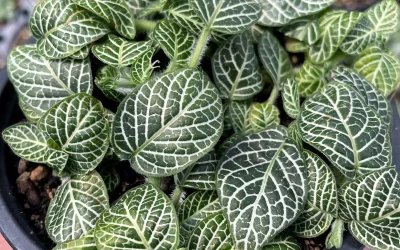
The name nerve plant commonly refers to Fittonia, a tropical ornamental plant known for its distinctive, contrasting leaf veins. It is a flowering plant in the family Acanthaceae.
For general botanical identification, the important point is that a common name does not always uniquely identify a species. If someone needs to determine whether a particular plant is toxic, its scientific name should be confirmed and its safety assessed using a reliable, species-specific source. Plants should not be assumed safe to eat simply because they are sold as ornamentals.
What Are 10 Resources From Plants?
Plants provide many useful materials and plant resources that people use in everyday life. Ten examples are:
- Food: Fruits, vegetables, grains, and legumes.
- Timber: Wood used in construction and furniture.
- Fibers: Plant materials used to make textiles, rope, and other products.
- Paper: Cellulose fibers processed into paper and cardboard.
- Oils: Vegetable oils used in cooking and manufacturing.
- Natural dyes: Plant-derived pigments used to color fabrics and other materials.
- Rubber: Natural latex obtained from certain plants, including rubber trees.
- Resins: Plant substances used in various industrial and craft applications.
- Ornamental materials: Flowers, foliage, and decorative plants used in landscaping.
- Fuel: Firewood and other plant-derived biomass used as energy sources.
These examples illustrate the variety of resources obtained from the plant kingdom. They describe general uses rather than making claims about medicinal effects or the suitability of a particular plant product.
Why Is Plant Classification Important?
Plant classification provides a consistent system for identifying organisms, comparing their characteristics, and understanding their evolutionary relationships. It helps botanists distinguish closely related species, organize scientific information, and study how different plants adapt to their habitats.
Classification is also useful in biodiversity research because it provides a common framework for documenting species in regions such as Papua and the wider island of New Guinea. By understanding how plants are related, researchers can describe plant communities more accurately and communicate their findings clearly.
Conclusion: Understanding the Different Classes of Plants
Understanding the different classes of plants provides a foundation for exploring the diversity of the plant kingdom. By examining plant structures, reproductive methods, and evolutionary relationships, botanists can organize thousands of species into meaningful groups and explain how they differ.
The four broad educational groups introduced in this guide each have distinctive characteristics. Bryophytes, including mosses and liverworts, lack the typical vascular system found in larger land plants. Seedless vascular plants, such as ferns and horsetails, possess specialized conducting tissues but reproduce through spores. Gymnosperms produce seeds that are not enclosed within ovary-derived fruits, while angiosperms are flowering plants whose seeds typically develop inside fruits.
Vascular tissue, reproductive structures, and genetic evidence all contribute to modern botanical classification. Features such as leaves, roots, flowers, cones, seeds, and spores provide useful identification clues, while molecular evidence helps scientists understand the evolutionary relationships between plant lineages.
These distinctions also help explain the remarkable variety of plants found in different environments. In Papua and the wider island of New Guinea, mosses, ferns, orchids, palms, and flowering trees occupy different ecological niches across tropical forests and mountain habitats. Studying their characteristics and relationships helps researchers document this biodiversity and improve our understanding of the natural world.
Ultimately, plant classification is more than a way to sort plants into categories. It is a scientific framework for recognizing shared characteristics, understanding plant evolution, and appreciating the diversity of life on Earth. By learning how the major plant groups differ, readers can develop a clearer understanding of the plants that surround them and the ecological communities in which they grow.
If you’re looking for Papua herbal products, start with a trusted source. Experience authentic, high-quality red fruit products at Cahya Red Fruit Papua New Guinea! We offer a wide variety of items besides Red Fruit Papua New Guinea — including Papua ant nest and Papua kebar grass. Check out our herbal wellness product in our website!