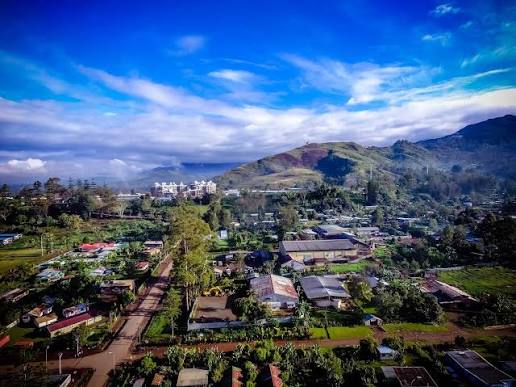
Goroka is the capital of Eastern Highlands Province in Papua New Guinea, located in the country’s mountainous Highlands Region. Known for its cool climate, thriving coffee industry, vibrant markets, educational institutions, and rich cultural traditions, the town serves as an important administrative and community centre surrounded by fertile valleys and forested hills.
Many people first hear about Goroka because of the Goroka Show, one of Papua New Guinea’s best-known cultural festivals, and the Asaro Mudmen, whose distinctive clay masks have become closely associated with the nearby Asaro Valley. Beyond these cultural highlights, Goroka is also recognised for its Highland coffee, local markets, research institutions, and its role as a gateway to the Eastern Highlands.
Although it is a relatively compact town, Goroka combines modern services with strong connections to surrounding farming communities. Visitors and researchers alike often associate the town with Highland traditions, agricultural production, community events, and the remarkable landscapes that define Papua New Guinea’s interior.
Goroka at a Glance
| Fact | Information |
| Country | Papua New Guinea |
| Province | Eastern Highlands Province |
| Region | Highlands Region |
| Approximate Elevation | Around 1,500–1,600 metres above sea level |
| Time Zone | Papua New Guinea Time (UTC+10) |
| Main Transport Gateway | Goroka Airport (GKA) |
| Common Languages | Tok Pisin, English, and various local languages |
| Currency | Papua New Guinea Kina (PGK) |
| Best Known For | Goroka Show, Asaro Mudmen, Highland coffee, cultural diversity, markets, and Eastern Highlands scenery |
Positioned among the fertile valleys of the Eastern Highlands, Goroka has become one of Papua New Guinea’s most recognised Highland destinations. Its elevation gives the town a noticeably cooler climate than many coastal areas, creating favourable conditions for Arabica coffee cultivation as well as a wide variety of vegetables and other agricultural crops.
Goroka also plays an important educational and research role within Papua New Guinea. Institutions such as the University of Goroka and several research organisations contribute to the town’s reputation as a centre for learning, while local markets, cafés, cultural venues, and community gatherings reflect everyday life in the Highlands.
Perhaps most importantly, Goroka offers insight into the cultural diversity of Papua New Guinea. The annual Goroka Show brings together performers from many different communities across the country, while nearby cultural sites connected with the Asaro Mudmen provide opportunities to learn about artistic traditions and local heritage. Together with its mountain landscapes, coffee-growing areas, and active town centre, these features make Goroka a distinctive destination within Papua New Guinea’s Highlands.
Where Is Goroka in Papua New Guinea
Goroka’s Position in the Eastern Highlands
Goroka is the capital of Eastern Highlands Province, one of the provinces that make up Papua New Guinea’s Highlands Region. The town sits within the country’s mountainous interior, surrounded by fertile valleys, rolling hills, forested slopes, and agricultural landscapes that have supported local communities for generations.
The town serves as the administrative centre of the province while also functioning as an important hub for education, commerce, agriculture, and public services. Its central location allows people from surrounding districts and rural communities to travel to Goroka for markets, schools, government offices, healthcare facilities, cultural events, and business activities.
The wider landscape around Goroka reflects the character of the Eastern Highlands. Coffee plantations, household gardens, cultivated fields, and patches of native vegetation are interspersed with villages and small settlements, creating a landscape where agriculture and community life remain closely connected.
Administratively, Goroka is part of Goroka District and includes the Goroka Urban Local Level Government, which manages the urban area while maintaining strong links with neighbouring rural communities. Rather than existing in isolation, the town forms part of a broader network of villages, valleys, and agricultural areas that define everyday life in the Eastern Highlands.
Because of its location at more than 1,500 metres above sea level, Goroka experiences a cooler Highland environment than many parts of Papua New Guinea’s coastline. This elevation contributes to the area’s distinctive scenery and supports crops such as Arabica coffee, vegetables, ginger, and sweet potatoes that thrive in the Highlands.
Goroka and Nearby Towns
Goroka occupies an important position within Papua New Guinea’s transport network. The town is connected to several other major Highland centres through the Highlands Highway, one of the country’s most significant overland routes linking inland communities with coastal regions.
Some of the better-known neighbouring towns include:
- Kainantu, located to the east in Eastern Highlands Province, known for its surrounding farming communities and coffee-growing areas.
- Kundiawa, situated to the west in Simbu Province, serving as another important Highland administrative centre.
- Mount Hagen, the capital of Western Highlands Province, recognised for its own cultural festival, agricultural economy, and role as a regional commercial hub.
- Lae, Papua New Guinea’s major port city on the northern coast, which provides an important connection between the Highlands and international shipping routes.
Although these towns are linked by the Highlands Highway, journeys through the Highlands often involve winding mountain roads, changing weather conditions, and varied terrain. As a result, travel distances may feel longer than they appear on a map, and travel times can differ depending on road conditions and local circumstances.
In addition to road access, Goroka Airport (GKA) provides domestic air connections that link the town with other parts of Papua New Guinea, making it one of the principal gateways to the Eastern Highlands.
Goroka Compared with Indonesian Papua
Because both areas occupy parts of the island of New Guinea, some readers wonder whether Goroka is located in Papua or Papua New Guinea. While their names are similar, they refer to different political and geographic regions.
Goroka is located in the independent country of Papua New Guinea. It is the capital of Eastern Highlands Province and lies within Papua New Guinea’s Highlands Region.
By contrast, the Indonesian provinces commonly known as Papua occupy the western half of the island and form part of the Republic of Indonesia. Papua New Guinea occupies the eastern half of the island and has its own national government, provinces, official institutions, and cultural diversity.
Despite sharing the island of New Guinea, the two countries have distinct administrative systems, histories, and national identities. Both regions are home to many Indigenous communities and hundreds of languages, but Goroka should always be identified as being in Papua New Guinea, not in the Indonesian provinces of Papua.
Geographically, Goroka’s Highland location also distinguishes it from many well-known coastal destinations in Papua New Guinea. Instead of beaches and lowland forests, the surrounding landscape is characterised by elevated valleys, cultivated gardens, mountain ridges, coffee-growing areas, and communities that have long adapted to life in the Highlands.
What Is Goroka Famous For
Goroka is known for its rich cultural heritage, cool Highland environment, thriving coffee industry, and role as the administrative centre of Eastern Highlands Province. While it is home to universities, research institutions, busy markets, and agricultural businesses, the town is perhaps best recognised internationally for the annual Goroka Show and the cultural traditions associated with the nearby Asaro Valley.
Rather than being defined by a single attraction, Goroka brings together many aspects of life in Papua New Guinea’s Highlands. Cultural celebrations, coffee production, traditional craftsmanship, community gatherings, and mountain landscapes all contribute to its identity.
The Goroka Show
The Goroka Show, also called the Goroka Cultural Show, is one of Papua New Guinea’s best-known cultural events. It brings together performers from many different communities across the country, creating a large gathering that celebrates music, dance, storytelling, craftsmanship, and cultural expression.
The event is widely recognised as one of Papua New Guinea’s longest-running major cultural festivals. Originally developed during the late colonial period, it created an opportunity for Highland communities to meet through organised cultural performances while also encouraging cultural exchange. Over time, it has grown into a nationally recognised celebration that attracts participants from numerous provinces rather than representing the traditions of a single community.
Visitors often encounter the term sing sing when reading about the Goroka Show. In Papua New Guinea, a sing sing refers to a gathering where communities present traditional songs, dances, costumes, body decoration, music, and ceremonial performances. Each participating cultural group presents its own distinctive styles, reflecting local histories, languages, and artistic traditions.
During the festival, visitors may see:
- Traditional dances accompanied by drums and singing
- Ceremonial body paint and decorative pigments
- Feathered headdresses and ornaments
- Shell jewellery and woven accessories
- Bilum bags and handmade crafts
- Community performances representing different regions of Papua New Guinea
One of the most important aspects of the Goroka Show is its diversity. It should not be described as a festival belonging to one tribe or one cultural group. Instead, it is a gathering where many communities present their own traditions while sharing the same event space.
The festival is generally held in September, around Papua New Guinea’s Independence Day celebrations. Because annual schedules can change, readers should always verify official event dates before making travel plans. The officially announced 2026 Goroka Show is scheduled for 18 to 20 September and marks the event’s 70th anniversary.
Although photography is common during public performances, respectful interaction remains important. Asking permission before taking close-up photographs, particularly outside formal performance areas, demonstrates courtesy and recognises that cultural presentations involve real communities rather than anonymous attractions.
The Asaro Mudmen
Another tradition closely associated with Goroka is that of the Asaro Mudmen, sometimes searched online as Asaro Mud Men. These performers are connected with communities in the Asaro Valley, located near Goroka in the Eastern Highlands.
The Asaro Mudmen are recognised for their distinctive appearance, which includes clay-covered bodies and carefully sculpted masks made from local clay. The masks vary considerably in shape, facial expression, and decorative details, reflecting artistic interpretation rather than following one fixed design. Slow, deliberate movements often form part of the performance, adding to its dramatic visual character.
Several different stories explain the origins of the Mudmen tradition. These stories have been shared and retold in different ways over time, and no single version should be presented as the definitive historical account. Instead, they are best understood as part of a broader body of local oral traditions that express community memory, identity, and cultural heritage.
Today, performances by the Asaro Mudmen may take place in different contexts. Visitors may encounter them during the Goroka Show alongside many other cultural groups, or through community-organised cultural presentations in the Asaro Valley. These settings differ from one another, and public performances may be adapted for educational or cultural exchange purposes rather than reproducing every aspect of community ceremonies.
Descriptions of the Asaro Mudmen should avoid sensational language such as “ghost tribe” or similar labels that oversimplify a living cultural tradition. A more accurate understanding recognises the performers as members of communities who continue to share aspects of their heritage through storytelling, artistry, and public cultural presentations.
Highland Coffee
Coffee is one of the defining agricultural products of the Eastern Highlands, and Goroka has become one of Papua New Guinea’s best-known coffee centres.
The region’s elevation, moderate temperatures, reliable rainfall, and fertile volcanic soils create favourable conditions for growing Arabica coffee. Across the Eastern Highlands, many smallholder farmers cultivate coffee alongside food gardens, combining commercial production with crops grown for household use and local markets.
After harvesting, coffee cherries pass through several stages of processing before becoming the green beans that are exported or roasted locally. Cafés, coffee processors, and agricultural events in Goroka reflect the importance of coffee to the regional economy and everyday life.
Coffee also connects Goroka with international markets. Beans produced in the Highlands are exported to buyers around the world, while locally roasted coffee is commonly enjoyed within Papua New Guinea. Events such as the PNG Coffee Festival further highlight the role of coffee in regional agriculture, community livelihoods, and cultural identity.
Rather than being viewed solely as an export commodity, coffee remains closely linked to the people who cultivate it, the Highland environment where it grows, and the communities that have developed generations of farming knowledge.
Bilum and Highland Crafts
A bilum is one of Papua New Guinea’s most recognisable traditional crafts. Made using a looping technique rather than woven on a loom, bilum bags have practical, artistic, and cultural importance throughout the country.
Traditionally, bilum could be made from plant fibres, while many contemporary artisans also use colourful commercial yarns. Designs, colours, and patterns vary widely between communities, families, and individual makers, reflecting personal creativity as well as regional traditions.
Bilum serve many everyday purposes. They may be used to carry fresh produce from gardens, transport personal belongings, or support children, making them both practical household items and expressions of craftsmanship.
The Goroka Market provides one of the best places to observe the role of bilum in everyday life. Alongside fresh vegetables, fruit, coffee, and household goods, local artisans often offer handmade bags, woven items, carvings, and other crafts that reflect the creativity of Eastern Highlands communities.
When purchasing handcrafted items, it is helpful to recognise them as the work of individual artisans and communities rather than simply as anonymous souvenirs. Supporting locally made crafts also acknowledges the knowledge, skill, and cultural traditions involved in their creation.
Bilum, like many forms of Highland craftsmanship, continue to evolve over time. Contemporary makers often combine traditional techniques with new materials and designs, demonstrating that these artistic traditions remain active parts of community life rather than historical objects preserved only for display.
A Brief History of Goroka
Goroka’s history reflects a long tradition of community life in Papua New Guinea’s Eastern Highlands as well as the town’s later development into an important administrative, educational, and agricultural centre. Today, Goroka combines modern institutions with enduring cultural traditions, serving as a meeting place for people from across the surrounding Highlands.
Understanding the town’s history begins long before the establishment of the modern urban centre. The valleys and mountain slopes surrounding Goroka have been home to diverse communities for countless generations, with well-developed systems of farming, trade, language, and cultural exchange shaping the region long before government offices, roads, and airports were introduced.
The Area Before the Growth of the Modern Town
Long before Goroka became an administrative centre, the Eastern Highlands were home to numerous Indigenous communities with their own languages, customs, and social structures. People cultivated fertile Highland valleys using farming techniques that supported families and communities through a wide range of locally grown crops.
Household gardens formed the foundation of daily life. Crops such as sweet potatoes (commonly known locally as kaukau), vegetables, bananas, sugar cane, and other plants were grown according to local environmental conditions. These agricultural practices were supported by generations of knowledge about seasonal cycles, soil management, and the Highland landscape.
Communities across the region also maintained extensive networks of exchange. Goods, ceremonial objects, food, and cultural knowledge moved between neighbouring valleys through established relationships that connected different language groups. These interactions strengthened social ties while allowing ideas, artistic traditions, and practical knowledge to spread throughout the Highlands.
Language diversity has long been one of the defining features of the Eastern Highlands. Rather than sharing a single language or cultural identity, the region has always been home to multiple communities, each with its own traditions, oral histories, and forms of artistic expression. Ceremonies, dances, body decoration, and storytelling developed within these communities while continuing to evolve over time.
Recognising this deeper history helps place Goroka within a much broader cultural landscape. The modern town emerged in an area that already possessed rich traditions of farming, craftsmanship, exchange, and community life.
Development as an Administrative Centre
During the twentieth century, Goroka gradually developed into one of Papua New Guinea’s principal Highland service centres. As administrative offices, transport infrastructure, educational facilities, and public institutions expanded, the town became increasingly important within the Eastern Highlands.
The establishment of government services encouraged further development of roads, markets, businesses, and public facilities. Air transport also became an important part of Goroka’s growth, allowing the town to maintain connections with other parts of Papua New Guinea despite the mountainous terrain.
Improved transport links, including the development of the Highlands Highway, strengthened Goroka’s role as a regional hub. The highway connected the town with other Highland centres and with the coastal city of Lae, supporting the movement of agricultural products, commercial goods, and people throughout the region.
Education also became a defining feature of Goroka’s development. Schools, teacher training institutions, and later the University of Goroka helped establish the town as an important centre for learning. Research organisations and public institutions further expanded Goroka’s role beyond administration, contributing to studies in agriculture, culture, language, and community development.
Markets grew alongside these institutions, creating spaces where farmers, artisans, traders, and residents from surrounding districts could exchange produce, handmade goods, and everyday necessities. As more services became concentrated in the town, Goroka developed into a meeting point for people from many parts of the Eastern Highlands.
The annual Goroka Show also became an increasingly significant cultural gathering during this period. Originally organised as an opportunity for Highland communities to come together through public cultural performances, it gradually developed into one of Papua New Guinea’s most recognised festivals, showcasing traditions from many different regions of the country.
Goroka Today
Modern Goroka reflects both continuity and change. It functions as the capital of Eastern Highlands Province while remaining closely connected to the surrounding rural communities that contribute to its cultural and economic life.
Government offices, educational institutions, research centres, businesses, cafés, markets, and accommodation operate alongside long-established farming communities and family gardens. Many residents move regularly between nearby villages and the town for work, education, trade, community events, and family connections, creating strong links between urban and rural life.
Agriculture continues to play a central role in the region. Coffee remains one of the area’s most important commercial crops, while local markets continue to offer vegetables, fruit, handicrafts, and other products supplied by surrounding communities. This close relationship between town and countryside gives Goroka a distinctive character compared with larger urban centres.
The town is also recognised for its contributions to education and research. Institutions such as the University of Goroka, the Papua New Guinea Institute of Medical Research, the National Film Institute, and the Melanesian Institute contribute to learning, documentation, and cultural understanding within Papua New Guinea. Together, these organisations support Goroka’s reputation as more than simply an agricultural town.
Cultural life likewise continues to evolve. Festivals, community gatherings, church events, sporting activities, theatre, music, and markets all form part of everyday life alongside long-established traditions. Rather than existing as a place where culture has remained unchanged, Goroka demonstrates how heritage and contemporary life coexist.
Today, the town serves multiple roles at once. It is an administrative capital, an educational centre, a coffee-growing hub, a transport gateway, and a place where diverse communities continue to express and celebrate their cultural identities. This combination of functions has made Goroka one of the most distinctive towns in Papua New Guinea’s Highlands Region.
Geography and Climate of Goroka
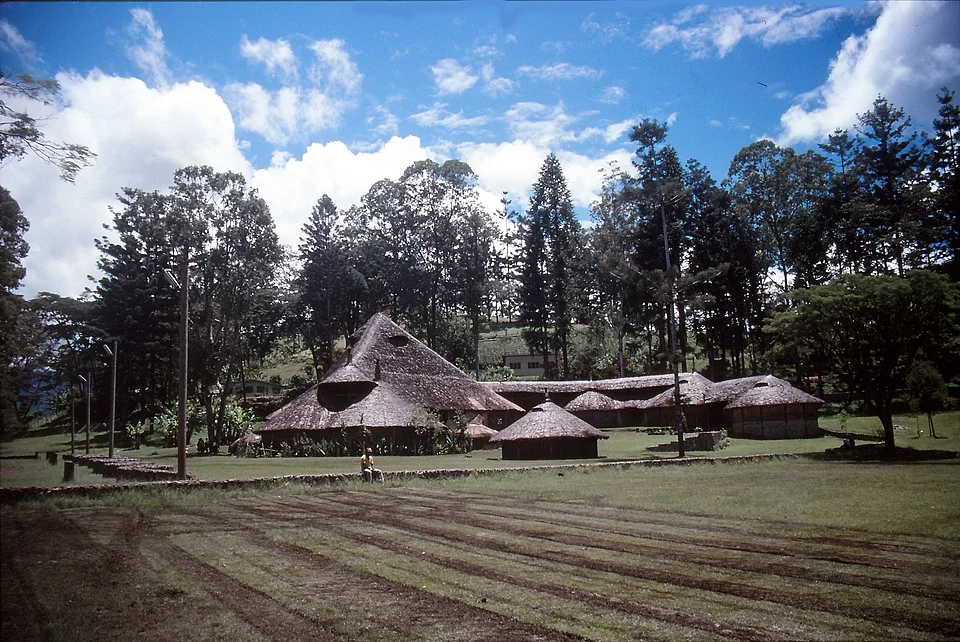
Goroka’s geography is one of the defining features of the town. Located in the mountainous interior of Papua New Guinea, it sits within a landscape of broad valleys, forested hills, cultivated gardens, and rolling Highland terrain. The combination of elevation, fertile soils, and abundant rainfall has shaped both the natural environment and the ways local communities have farmed and lived for generations.
Unlike many of Papua New Guinea’s coastal centres, Goroka experiences a relatively cool Highland climate. Its higher elevation creates milder daytime temperatures and cooler mornings and evenings, while rainfall throughout much of the year supports diverse vegetation and productive agricultural land.
Highland Elevation and Landscape
Goroka is situated at an elevation of approximately 1,500 to 1,600 metres above sea level, placing it among Papua New Guinea’s best-known Highland towns. This altitude influences not only the local climate but also the surrounding scenery, agriculture, and biodiversity.
The town lies within the Eastern Highlands, where mountain ridges and valleys form a varied landscape shaped by both natural processes and long-standing agricultural activity. Travelling through the area, it is common to see cultivated gardens, coffee plantations, grass-covered hillsides, patches of native forest, and small villages spread across the valleys.
Several notable geographical features are found within or near the wider Goroka area, including:
- The Asaro Valley, known for its agricultural landscapes and cultural traditions associated with the Asaro Mudmen.
- The Bena Bena Valley, another important Highland valley with farming communities and long-established settlement.
- Mount Gahavisuka, recognised for its montane vegetation and protected natural areas.
- Mount Kis (also written as Mt Kis or Mt Kiss), which provides elevated views across Goroka and the surrounding Highlands.
- The Daulo Pass, a scenic mountain route connecting parts of the Eastern Highlands.
These landscapes create an environment where cultivated land and natural vegetation exist side by side. Household gardens, coffee-growing areas, and market agriculture occupy many of the valleys, while higher elevations continue to support forests, native plants, and habitats for a variety of bird species.
Compared with lower-elevation coastal cities such as Lae or Port Moresby, Goroka generally experiences cooler conditions because of its altitude. Rather than tropical heat throughout the day, visitors often notice fresh mornings, comfortable afternoons, and cooler evenings that reflect its Highland setting.
Goroka Weather Through the Year
One of Goroka’s distinguishing characteristics is its relatively mild climate. Thanks to its elevation, temperatures tend to remain fairly consistent throughout the year, without the prolonged high heat often associated with tropical lowland regions.
Mornings are frequently cool, especially at higher elevations, while afternoons are usually warmer and comfortable. Evening temperatures often become cooler again as the sun sets behind the surrounding mountains.
Rainfall can occur during most months of the year, helping maintain the green landscapes that characterise the Eastern Highlands. Instead of having sharply defined wet and dry seasons, Goroka generally experiences changing rainfall patterns throughout the year, with precipitation possible during any month.
In broad terms:
- The middle months of the year are often considered relatively drier than other periods.
- Rain showers remain possible even during these generally drier months.
- Cloud cover and mist can develop quickly in mountainous areas.
- Weather conditions may vary between nearby valleys because of changes in elevation and terrain.
Because mountain weather can change from day to day, anyone planning outdoor activities should check a current local forecast closer to the time of travel. This is particularly useful for visits to viewpoints, nature parks, coffee-growing areas, and walking trails.
The combination of cooler temperatures, regular rainfall, and elevated terrain has contributed to Goroka’s reputation as having a pleasant Highland environment while supporting a wide range of agricultural activities.
How the Environment Shapes Local Agriculture
The natural environment around Goroka has played an important role in shaping local agriculture for generations. Fertile soils, moderate temperatures, and reliable rainfall create favourable conditions for cultivating both food crops and commercial agricultural products.
One of the region’s most recognised products is Arabica coffee, which grows particularly well in the cooler Highland climate. Coffee farms range from small family-managed plots to larger plantations, with many growers combining coffee production alongside household food gardens.
In addition to coffee, farmers commonly grow:
- Kaukau (the widely used local term for sweet potato)
- Various leafy and root vegetables
- Peanuts
- Ginger
- Bananas
- Citrus fruits
- Other seasonal fruit suited to Highland conditions
Household gardens remain an important feature of the rural landscape. Families cultivate crops for their own use while also supplying local markets, where fresh produce from surrounding communities is sold throughout the week. These markets provide a practical link between rural farming areas and Goroka’s urban centre.
Agriculture also influences everyday life beyond food production. Seasonal harvests, market days, coffee processing, and community exchange all contribute to the rhythm of life in the Eastern Highlands. Local knowledge about rainfall, soil conditions, planting seasons, and mountain environments continues to guide farming practices alongside more recent agricultural developments.
Together, Goroka’s geography and climate have helped shape a landscape where agriculture, community life, and the natural environment remain closely connected. The region’s mountain setting is not only part of its scenic appeal but also one of the reasons why coffee cultivation, productive gardens, and Highland communities continue to thrive across the Eastern Highlands.
Best Things to Do in Goroka
Although Goroka is best known for its cultural festivals, the town offers a wide variety of experiences throughout the year. Museums, markets, coffee-growing areas, viewpoints, cultural presentations, and natural attractions provide opportunities to explore the Eastern Highlands from different perspectives.
Rather than focusing on a single landmark, many visitors enjoy Goroka because it combines everyday community life with access to Highland landscapes and cultural heritage. Some attractions are located within the town itself, while others are found in nearby valleys and surrounding mountain areas.
Visit the J K McCarthy Museum
The J K McCarthy Museum is one of Goroka’s most frequently mentioned cultural attractions. Named after patrol officer and author James Kenneth McCarthy, the museum presents exhibitions related to the history, cultures, and development of Papua New Guinea, with a particular emphasis on the Highlands.
Displays may include:
- Historical photographs
- Traditional tools and household items
- Cultural objects from different communities
- Maps and archival materials
- Items illustrating aspects of regional history
As with many museums, exhibitions may change over time, so individual collections are not always permanently displayed. Checking current opening hours and exhibition information before visiting is recommended.
For visitors interested in understanding the broader historical and cultural context of the Eastern Highlands, the museum offers an informative introduction before exploring the surrounding region.
Explore the Goroka Market
The Goroka Market provides a window into everyday life in the Eastern Highlands. Rather than functioning solely as a visitor attraction, it serves as an important meeting place where farmers, artisans, traders, and residents buy and sell a wide range of locally produced goods.
Depending on the day and season, visitors may find:
- Fresh vegetables and fruit
- Sweet potatoes (kaukau)
- Peanuts and ginger
- Coffee beans and locally produced foods
- Bilum bags
- Handmade crafts
- Clothing and household goods
Walking through the market offers insight into the close relationship between Goroka and the surrounding farming communities. Produce from nearby valleys arrives alongside handcrafted items created by local artisans, reflecting the region’s agricultural and cultural diversity.
When visiting, respectful etiquette helps create a positive experience for everyone. Asking permission before photographing people or market stalls is considered courteous, particularly when taking close-up images. Bargaining practices may vary, so friendly conversation and mutual respect are generally more appropriate than assuming every price is negotiable. Being mindful of personal space and following local customs also contributes to respectful interaction.
Rather than describing the market simply as colourful or unusual, it is more meaningful to view it as an active community space where everyday economic and social life takes place.
Experience an Asaro Cultural Presentation
Many visitors associate Goroka with the Asaro Mudmen, and community-organised cultural presentations offer opportunities to learn more about this well-known tradition.
It is useful to distinguish between two different experiences:
- The Goroka Show, where Asaro performers appear alongside many other cultural groups from across Papua New Guinea.
- Community-based cultural presentations in the Asaro Valley, where visitors can learn about local traditions within their regional setting.
These presentations often include explanations of the clay masks, performance styles, and oral traditions connected with the Asaro Mudmen. They may also introduce aspects of local history, music, craftsmanship, and community life.
Because programmes are organised by local communities or recognised tourism providers, performances should not be expected every day. Advance arrangements through accommodation providers, recognised guides, or community hosts are often the most reliable way to organise a visit.
Participation fees, where applicable, may contribute to supporting performers, guides, and community activities. Visitors are encouraged to respect local guidance regarding photography, movement within community spaces, and appropriate behaviour during presentations.
Visit Mount Gahavisuka Provincial Park
Located near Goroka, Mount Gahavisuka Provincial Park (also written as Mount Gahavisuka) showcases part of the Eastern Highlands’ montane environment.
The park is known for:
- Highland forest landscapes
- Walking trails
- Native orchids
- Rhododendrons
- Mountain scenery
- Opportunities for observing local birdlife
The changing elevation supports a variety of plant communities that differ from those found in Papua New Guinea’s coastal regions. Depending on weather conditions and the season, visitors may experience clear mountain views or mist-covered forests that give the landscape a distinctive atmosphere.
Trail conditions, access arrangements, and available facilities may change over time, so checking current local information before visiting is advisable.
For those interested in the natural environment of the Highlands, Mount Gahavisuka provides a valuable contrast to Goroka’s markets, museums, and cultural attractions.
See Goroka from Mt Kis Lookout
For a broader view of the surrounding landscape, many visitors head to Mt Kis Lookout, also referred to as Mount Kis or Mt Kiss in different sources.
From higher ground, the lookout offers panoramic views across:
- Goroka town
- Nearby valleys
- Agricultural landscapes
- Coffee-growing areas
- Mountain ridges of the Eastern Highlands
Viewing the landscape from above helps illustrate why Goroka developed where it did. The surrounding valleys support farming and settlement, while the mountains shape the climate and geography that distinguish the region from Papua New Guinea’s coastal areas.
As access arrangements may vary, visitors should confirm current local information before planning a visit.
Learn About Highland Coffee
Coffee forms an important part of everyday life in the Eastern Highlands, making it one of the most interesting themes to explore while visiting Goroka.
Depending on local availability, visitors may be able to participate in experiences such as:
- Coffee plantation visits
- Guided farm tours
- Coffee tastings
- Local cafés featuring Highland beans
- Educational demonstrations of coffee processing
These experiences often explain how coffee develops from cherry to processed bean, introducing stages such as harvesting, pulping, drying, sorting, roasting, and brewing.
Because farms and processing facilities operate as working businesses, access is generally best arranged through recognised operators, accommodation providers, or local hosts. Available experiences may vary depending on the season and current activities.
Learning about coffee also provides insight into the relationship between agriculture, local livelihoods, and the Highland environment that supports one of Papua New Guinea’s best-known export crops.
Discover Local Theatre and Arts
Goroka also has an important place in Papua New Guinea’s creative and performing arts.
The town is associated with organisations such as the Raun Raun Theatre Company and the National Film Institute, both of which have contributed to documenting stories, supporting performances, and promoting artistic expression.
Depending on current schedules, visitors may find:
- Theatre performances
- Cultural presentations
- Film-related activities
- Community arts events
- Educational exhibitions
Since programmes change throughout the year, checking locally for upcoming events is recommended. Even when public performances are not scheduled, these institutions highlight Goroka’s ongoing contribution to storytelling and cultural documentation.
Take a Guided Village Excursion
Beyond Goroka town, guided visits to nearby communities can provide additional perspectives on life in the Eastern Highlands.
Areas such as the Asaro Valley and Bena Bena region are often included in community-based cultural experiences, where visitors may learn about farming, local craftsmanship, music, dance, and aspects of everyday community life.
A local guide or host helps facilitate communication, explain local customs, and ensure that visits take place respectfully. Advance arrangements are generally important because community activities vary and not all experiences are available on demand.
Visitors can also demonstrate respect by:
- Accepting invitations rather than entering community areas independently.
- Asking permission before taking photographs.
- Dressing appropriately for the setting.
- Respecting areas where access is restricted.
- Following guidance from hosts regarding gifts or community customs.
Village visits are best understood as opportunities for cultural exchange rather than attempts to observe communities as if they were museum exhibits. The Eastern Highlands continue to evolve, and many residents balance long-established traditions with education, business, farming, technology, and contemporary community life.
Together, these experiences illustrate why Goroka is more than a destination associated with a single festival. Museums, markets, coffee, cultural presentations, natural landscapes, and community activities each contribute to a fuller understanding of the Eastern Highlands and the diverse communities that call the region home.
Goroka’s Culture and Communities
Culture is one of the defining characteristics of Goroka, but it is important to understand that the town is not represented by a single tradition or community. As the capital of Eastern Highlands Province, Goroka brings together people from many different cultural backgrounds, languages, and villages. Daily life reflects both long-established customs and contemporary influences, creating a community where heritage and modern institutions exist side by side.
Markets, schools, churches, festivals, sporting events, and workplaces all provide opportunities for people from different parts of the Highlands to interact. This diversity is one of the reasons Goroka has become such an important cultural centre within Papua New Guinea.
Cultural Diversity in the Eastern Highlands
Eastern Highlands Province is home to numerous cultural communities and language groups, each with its own history, artistic traditions, customs, and forms of social organisation. Rather than speaking of a single “Goroka culture,” it is more accurate to recognise that the town serves as a meeting place for many different communities.
Although traditions vary from one area to another, several regional characteristics are commonly associated with the Eastern Highlands, including:
- Community gatherings and celebrations
- Traditional music and dance
- Decorative body art for festivals and ceremonies
- Bilum making and other forms of craftsmanship
- Gardening and agricultural knowledge
- Storytelling and oral traditions
- Participation in local markets
These shared features take different forms depending on the community, family, or occasion. Clothing, dance styles, ceremonial objects, and artistic designs are not identical across the province, and local variation remains an important part of cultural identity.
Everyday life also reflects ongoing connections between communities. Marriage, trade, education, sporting competitions, church activities, and regional festivals all encourage interaction across different language groups while allowing individual traditions to continue.
Events such as the Goroka Show demonstrate this diversity clearly. Rather than presenting one unified cultural tradition, the festival brings together performers from many parts of Papua New Guinea, each contributing distinct music, dance, costumes, and artistic expression.
Languages Spoken in and Around Goroka
Language diversity is another important feature of Goroka and the wider Eastern Highlands.
Three broad categories of language are commonly encountered:
- Tok Pisin, the country’s widely used lingua franca.
- English, which is used in education, government, business, and many official settings.
- Numerous local Indigenous languages, spoken within different communities across the province.
Among these, Tok Pisin plays a particularly important role because it allows people from different language backgrounds to communicate with one another. In markets, public transport, workplaces, and many everyday conversations, Tok Pisin often serves as the shared language between people whose first languages differ.
English is also widely recognised, particularly in schools, universities, government offices, and formal communication. Its use may vary depending on the setting, but it remains one of Papua New Guinea’s official languages.
Alongside these languages, the Eastern Highlands contains many local languages that continue to be spoken within families and communities. No single Indigenous language represents the entire province, and the variety of languages reflects the remarkable cultural diversity found throughout Papua New Guinea.
This multilingual environment contributes to Goroka’s identity as both a regional service centre and a meeting place for people from many different backgrounds.
Traditional Clothing and Body Decoration
Traditional clothing and body decoration are among the most recognisable aspects of Highland cultural festivals, particularly during events such as the Goroka Show. However, it is important to understand that ceremonial attire varies widely between communities and is typically worn for specific cultural occasions rather than as everyday clothing.
Festival dress may include combinations of:
- Feathered headdresses
- Shell ornaments
- Plant fibres
- Leaves and natural materials
- Decorative pigments and body paint
- Bilum bags
- Handmade jewellery and accessories
The colours, patterns, and materials used often reflect local artistic traditions and may carry cultural significance within individual communities. Because Papua New Guinea is home to hundreds of cultural groups, there is no single style of Highland ceremonial dress.
Body decoration also varies considerably. Painted designs, natural pigments, and ceremonial adornments may be created differently depending on the performance, celebration, or community involved. During public festivals, these visual elements contribute to the distinctive appearance of cultural presentations while also expressing identity and artistic creativity.
Outside festivals and ceremonies, everyday clothing in Goroka is similar to that worn in many other towns. Residents attend school, work, markets, churches, and sporting events wearing practical contemporary clothing suited to daily life.
Recognising this distinction helps avoid the misconception that ceremonial attire represents everyday appearance or that all Highland communities dress in the same way.
Modern Life in Goroka
While Goroka is widely recognised for its cultural heritage, it is also a contemporary provincial capital with a diverse and active community.
The town includes:
- Universities and schools
- Government offices
- Markets and retail businesses
- Cafés and restaurants
- Churches representing different denominations
- Sporting facilities
- Mobile communication services
- Banks and public institutions
Education plays an important role in daily life, with students travelling from different parts of the province to attend schools and higher education institutions. Government offices provide administrative services for Eastern Highlands Province, while businesses and markets support regional commerce.
Coffee remains an important part of the local economy, but it exists alongside education, public administration, tourism, research, and many other sectors. Residents may work in agriculture, teaching, healthcare, retail, transport, hospitality, or community organisations, reflecting the varied nature of Goroka’s economy.
Sport is another visible part of community life, and public events often bring together people from different backgrounds. Churches, community organisations, youth groups, and cultural associations also contribute to the town’s social fabric throughout the year.
Rather than existing in opposition, traditional practices and contemporary institutions often complement one another. A resident may participate in cultural festivals, attend university, visit local markets, work in a government office, and maintain close family connections with nearby villages. This combination of continuity and change is one of the defining features of Goroka today.
Understanding Goroka in this broader context helps move beyond stereotypes. The town is not simply a destination for cultural performances but a living community where heritage, education, agriculture, commerce, and modern public life continue to develop together.
Food and Agriculture in Goroka
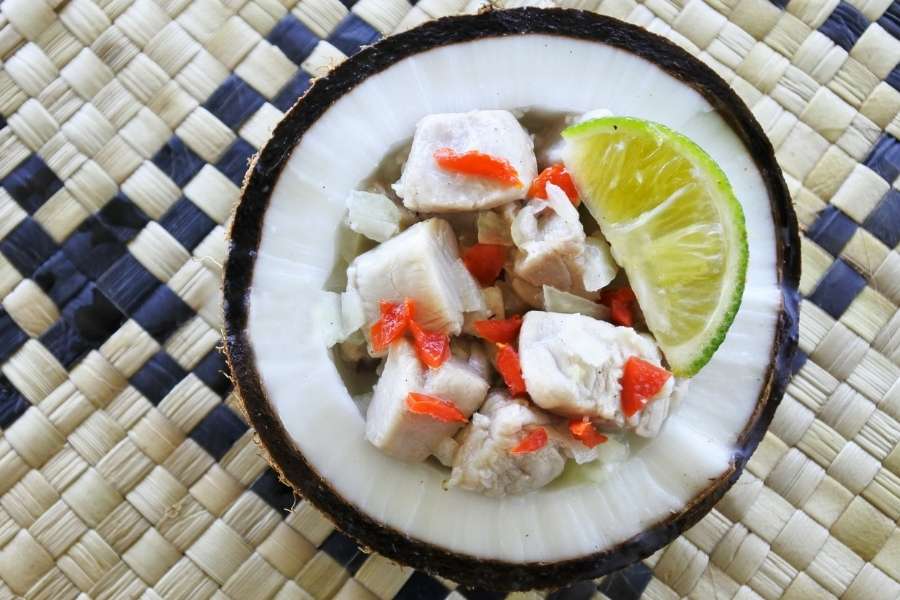
Food and agriculture play a central role in everyday life in Goroka and the surrounding Eastern Highlands. The region’s fertile valleys, moderate Highland climate, and long-established farming traditions support a wide range of crops that supply households, local markets, and commercial industries.
While coffee is the area’s best-known agricultural product, it is only one part of a diverse farming landscape. Household gardens remain an important feature of community life, providing fresh produce that contributes to local food systems and market trade. Together, traditional agricultural knowledge and modern farming practices shape the region’s agricultural identity.
Common Highland Crops
The Eastern Highlands provide favourable conditions for cultivating a variety of crops thanks to the combination of fertile soils, regular rainfall, and elevations of around 1,500 metres above sea level.
Among the crops commonly grown around Goroka are:
- Kaukau (sweet potato), a staple food throughout the Highlands
- Leafy vegetables
- Cabbage
- Carrots
- Peanuts
- Ginger
- Bananas
- Citrus fruits
- Coffee
Many households maintain family gardens where several crops are grown together. These gardens supply food for daily meals while also producing surplus vegetables and fruit that may be sold at local markets.
Markets in Goroka regularly receive fresh produce from surrounding villages and farming communities. Seasonal availability naturally changes throughout the year, meaning the selection of fruits and vegetables can vary depending on growing conditions and harvest periods.
Altitude has an important influence on what grows successfully in the Eastern Highlands. Compared with warmer coastal regions of Papua New Guinea, Goroka’s cooler climate supports crops that are well suited to Highland conditions, including Arabica coffee and a wide range of temperate vegetables.
Agriculture also contributes to the rhythm of daily life. Planting, harvesting, transporting produce to market, and caring for household gardens remain familiar activities across both rural communities and the areas surrounding Goroka town.
Mumu Cooking
One of Papua New Guinea’s best-known traditional cooking methods is the mumu, which continues to be prepared for many gatherings and special occasions throughout the Highlands.
A mumu is a cooking technique that uses heated stones to cook food slowly beneath layers of leaves and earth. Once the stones have been heated over a fire, food is carefully arranged with protective layers of leaves before being covered, allowing the ingredients to cook gradually using retained heat.
Depending on the community and the occasion, a mumu may include combinations of:
- Sweet potatoes (kaukau)
- Vegetables
- Greens
- Pork
- Chicken
- Other locally available ingredients
Recipes and preparation methods vary across Papua New Guinea, and there is no single standard version. Different communities have developed their own approaches based on local customs, available ingredients, and the purpose of the gathering.
While the mumu is widely recognised, it should not be assumed that every meal in Goroka is prepared using this method. In everyday life, families also use a variety of contemporary cooking techniques and kitchen equipment.
Today, mumu cooking is often associated with celebrations, family gatherings, community events, and cultural occasions where preparing and sharing food becomes part of the social experience as well as the meal itself.
Coffee Culture in Town
Coffee is deeply woven into Goroka’s identity. Beyond the farms and plantations that surround the town, locally grown coffee can also be experienced through cafés, coffee processors, markets, and community events that celebrate one of the Eastern Highlands’ most important agricultural products.
Arabica coffee grown in the Highlands passes through several stages before reaching a cup, including:
- Harvesting ripe coffee cherries.
- Removing the outer fruit.
- Drying and processing the beans.
- Sorting and grading.
- Roasting.
- Brewing.
Many cafés in Goroka serve locally roasted coffee, offering visitors an opportunity to experience beans grown in the surrounding Highlands. Depending on local availability, some businesses and growers may also offer educational visits or coffee tastings that explain different stages of production.
Coffee-related events, including regional festivals and agricultural exhibitions, further highlight the crop’s importance within the Eastern Highlands. These gatherings often showcase farming knowledge, coffee processing, and the work of growers from across the region.
Because cafés and businesses may change over time, it is helpful to verify whether specific establishments remain open before planning a visit. Rather than focusing on individual venues, Goroka’s broader coffee culture is best understood through its connection to local farmers, processors, markets, and the surrounding agricultural landscape.
Today, coffee continues to link Goroka with both local communities and international markets. At the same time, it remains an everyday part of life in the town, enjoyed in homes, cafés, community gatherings, and conversations throughout the Eastern Highlands.
The close relationship between agriculture, local food production, and coffee cultivation illustrates how Goroka’s natural environment continues to shape the region’s economy, community life, and cultural identity.
How to Get to Goroka
As the capital of Eastern Highlands Province, Goroka is one of the main gateways to Papua New Guinea’s Highlands Region. Visitors typically reach the town by domestic air travel or by road via the Highlands Highway, depending on their itinerary and travel plans.
Because transport schedules, road conditions, and local services can change over time, it is useful to confirm current information directly with airlines, accommodation providers, or local transport operators before travelling.
Flights to Goroka Airport
For many visitors, flying is the most direct way to reach Goroka. The town is served by Goroka Airport, whose airport code is GKA.
Goroka Airport provides domestic connections with other parts of Papua New Guinea, with many journeys involving Port Moresby, the country’s capital and primary international aviation gateway. Travellers arriving from overseas typically connect through Port Moresby before continuing to Goroka on a domestic flight.
Air travel offers convenient access to the Eastern Highlands while also providing aerial views of Papua New Guinea’s mountainous interior. The surrounding Highlands feature dramatic ridges, valleys, and cultivated landscapes that become visible during favourable weather conditions.
Domestic services may vary throughout the year depending on airline operations and seasonal demand. For this reason, travellers should check current schedules, baggage policies, and flight availability directly with the operating airline before departure rather than relying on published timetables in evergreen travel guides.
Travelling by the Highlands Highway
Another way to reach Goroka is via the Highlands Highway, one of Papua New Guinea’s most important road corridors.
The highway links the Highlands with the northern coastal city of Lae and continues through several major Highland centres, connecting communities, agricultural regions, and provincial capitals across the interior.
For Goroka, the Highlands Highway plays an important role in:
- Moving agricultural products, including coffee and fresh produce.
- Connecting businesses and regional markets.
- Supporting travel between Highland towns.
- Linking rural communities with administrative and commercial centres.
Road journeys through the Highlands differ from travel across flatter landscapes. Mountain passes, winding roads, changing weather, and varying road conditions all influence travel times, which means journeys may take longer than map distances suggest.
Because conditions can change, travellers planning road transport are encouraged to arrange travel through recognised local operators or accommodation providers who can provide current information about available services and routes.
Beyond its practical role, the Highlands Highway also offers changing views of valleys, cultivated hillsides, villages, rivers, and mountain scenery that reflect the diverse landscapes of Papua New Guinea’s interior.
Getting Around Goroka
Once in Goroka, visitors generally use a combination of arranged transport and walking, depending on where they plan to explore.
Common ways of getting around include:
- Accommodation transfers arranged by hotels or guesthouses.
- Vehicles organised through local guides or tour providers.
- Local taxi services, where available.
- Walking within suitable parts of the town centre.
- Pre-arranged transport for excursions to surrounding attractions.
Many of Goroka’s museums, markets, cafés, and public institutions are located within or close to the town centre, making it possible to visit several places during the same outing when appropriate.
Attractions located outside the town, such as Mount Gahavisuka Provincial Park, coffee-growing areas, or community-based cultural sites in the Asaro Valley, usually require organised transport. Local guides and accommodation providers can often assist with arranging vehicles and coordinating visits based on current access conditions.
For visitors planning cultural presentations, village excursions, or coffee-related experiences, making arrangements in advance is generally helpful. Some activities operate only by prior booking or through community hosts, while others may depend on weather, seasonal activities, or local availability.
Goroka’s role as both an administrative centre and a regional transport hub means it remains well connected to surrounding communities while retaining the relaxed character of a Highland town. Whether arriving by air or road, travellers often find that the journey itself provides an introduction to the landscapes, agriculture, and cultural diversity that define the Eastern Highlands.
When to Visit Goroka
Goroka can be explored throughout the year, with each season offering a slightly different perspective on the Eastern Highlands. Some visitors plan their trip around the famous Goroka Show, while others prefer quieter periods when markets, coffee-growing areas, museums, and surrounding landscapes can be experienced at a more relaxed pace.
Because the town’s climate remains relatively mild year-round, the best time to visit often depends more on personal interests than on dramatic seasonal weather changes. Cultural festivals, agricultural activities, and community events all contribute to Goroka’s appeal at different times of the year.
Visiting for the Goroka Show
For many travellers, the highlight of a visit to Goroka is the Goroka Show, one of Papua New Guinea’s most recognised cultural festivals.
The event is generally held in September, close to Papua New Guinea’s Independence Day celebrations, and brings together performers from many different cultural communities across the country. Traditional music, dance, ceremonial dress, body decoration, handcrafted items, and community performances create an opportunity to experience the cultural diversity of Papua New Guinea in one location.
The officially announced 2026 Goroka Show is scheduled for 18–20 September, marking the festival’s 70th anniversary. As dates and event arrangements can change from year to year, visitors should always confirm the latest schedule through official organisers before making travel plans.
Visiting during the festival offers several advantages:
- A chance to see performances by cultural groups from different regions.
- Opportunities to learn about traditional music, dance, and craftsmanship.
- A lively atmosphere throughout Goroka during the celebration.
- Cultural exhibitions, craft displays, and community events taking place alongside the main performances.
At the same time, the Goroka Show is one of the busiest periods of the year for the town. Accommodation and transport may experience higher demand than usual, so planning ahead is often helpful for those wishing to attend.
It is also worth remembering that the Goroka Show represents only one aspect of the region’s cultural life. Many traditions continue to be practised within communities throughout the year, both during and outside major public festivals.
Visiting Outside Festival Season
Travelling outside the festival period offers a different but equally rewarding perspective on Goroka.
Without the larger crowds associated with the Goroka Show, visitors often have more opportunities to explore the town’s everyday rhythm. Markets continue to operate, cafés serve locally grown Highland coffee, museums remain valuable places to learn about regional history, and the surrounding landscapes retain their scenic appeal.
Depending on local arrangements, visitors may also explore:
- Coffee-growing areas.
- Community-organised cultural presentations.
- Highland viewpoints.
- Nature parks.
- Local craft markets.
- Educational and cultural institutions.
Outside festival season, Goroka often has a quieter atmosphere that allows visitors to spend more time exploring individual attractions and learning about daily life in the Eastern Highlands.
Importantly, cultural traditions should not be viewed as existing only during organised festivals. Community life, agriculture, craftsmanship, language, music, and social gatherings continue throughout the year, even when large public celebrations are not taking place.
Weather Considerations
Goroka’s Highland elevation gives it a climate that is generally cooler than many coastal parts of Papua New Guinea.
Visitors can usually expect:
- Mild daytime temperatures.
- Cool mornings.
- Cooler evenings.
- The possibility of rainfall during most months of the year.
Although the middle part of the year is often regarded as relatively drier than other periods, rainfall remains possible at any time because of the region’s mountainous environment. Conditions can also change quickly, with sunshine, cloud, and mist sometimes occurring within the same day.
Lightweight clothing that can be layered is often suitable for Goroka’s changing temperatures, and carrying rain protection can be useful during outdoor activities such as visits to markets, viewpoints, nature parks, or coffee-growing areas.
Before travelling, checking an up-to-date local weather forecast is advisable, particularly if planning excursions into the surrounding Highlands where weather conditions may vary with elevation.
Overall, Goroka’s relatively consistent climate means there is no single season that defines the destination. Whether visiting during the lively atmosphere of the Goroka Show or during quieter months focused on coffee, landscapes, museums, and community experiences, the town offers opportunities to learn about the culture, agriculture, and natural environment of Papua New Guinea’s Eastern Highlands throughout the year.
Suggested Two-Day Goroka Itinerary
A two-day visit provides enough time to explore Goroka’s town centre, learn about its cultural heritage, enjoy locally grown coffee, and experience some of the surrounding Highland landscapes. The itinerary below is intended as a flexible example rather than a fixed schedule. The availability of attractions, community visits, weather conditions, and local events may vary, so activities should be adapted based on current circumstances.
Day One: Discover Goroka Town and Local History
The first day focuses on Goroka’s urban centre, introducing visitors to the town’s history, markets, coffee culture, and surrounding scenery.
Morning: Explore the Goroka Market
Begin the day with a visit to the Goroka Market, where residents from nearby communities bring fresh produce, handcrafted items, and everyday goods.
Walking through the market offers an opportunity to observe daily life while learning about the region’s agricultural diversity. Depending on the season, stalls may feature:
- Fresh vegetables and fruit
- Kaukau (sweet potatoes)
- Peanuts and ginger
- Locally grown coffee
- Bilum bags
- Handmade crafts
- Household items
When exploring the market, asking permission before photographing people or individual stalls demonstrates courtesy and respect. Taking time to speak with vendors, where appropriate, can also provide insight into the products grown and made throughout the Eastern Highlands.
Late Morning: Visit the J K McCarthy Museum
Continue to the J K McCarthy Museum, where exhibits introduce aspects of Papua New Guinea’s history and cultural diversity.
Depending on current displays, visitors may see historical photographs, cultural objects, maps, traditional tools, and materials related to the Highlands. The museum provides useful background for understanding many of the places and traditions encountered throughout the rest of the trip.
Since exhibitions may change over time, checking current opening hours before visiting is recommended.
Lunch: Enjoy Local Highland Coffee
After exploring the museum, consider visiting a local café serving coffee grown in the surrounding Highlands.
Many cafés feature beans produced in nearby farming areas, offering an opportunity to appreciate one of the Eastern Highlands’ most important agricultural products while taking a break during the day.
Rather than focusing on a particular café, this stop is intended to highlight Goroka’s close connection with coffee cultivation and the role it plays in everyday community life.
Afternoon: Visit a Viewpoint
Later in the day, head to Mt Kis Lookout (also referred to as Mount Kis or Mt Kiss, depending on local usage) or another recognised viewpoint overlooking Goroka.
From higher ground, visitors can better appreciate the geography of the Eastern Highlands, including:
- Goroka town
- Mountain ridges
- Agricultural valleys
- Coffee-growing landscapes
- Surrounding Highland communities
Seeing the landscape from above provides helpful context for understanding how elevation, agriculture, and settlement have shaped the region.
Evening: Explore Local Arts and Community Activities
If public events are taking place during your visit, the evening may provide opportunities to attend:
- Theatre performances
- Community arts programmes
- Cultural exhibitions
- Craft displays
- Local music events
Schedules vary throughout the year, so it is worthwhile checking with accommodation providers or local cultural institutions to see whether any public activities are planned during your stay.
Even without a scheduled performance, spending the evening in Goroka’s town centre offers another perspective on daily life in the provincial capital.
Day Two: Experience Eastern Highlands Culture and Landscapes
The second day moves beyond the town centre to explore the surrounding cultural landscapes, coffee-growing areas, and natural attractions that characterise the Eastern Highlands.
Morning: Visit an Asaro Cultural Site or Coffee-Growing Area
Begin with a pre-arranged visit to either:
- A community-based cultural presentation in the Asaro Valley, or
- A recognised coffee-growing area or plantation experience.
An Asaro visit may include demonstrations connected with the Asaro Mudmen tradition, explanations of local history, and opportunities to learn about community heritage from local hosts.
Alternatively, a coffee-focused visit can introduce visitors to different stages of coffee cultivation and processing, from growing coffee cherries to preparing roasted beans.
Because these experiences depend on community participation and seasonal activities, arranging visits through recognised guides, accommodation providers, or local hosts is recommended.
Midday: Community-Hosted Meal or Cultural Demonstration
Where available, a community-hosted meal or cultural demonstration can add further context to the visit.
Activities vary depending on the host community and may include:
- Traditional cooking demonstrations.
- Agricultural discussions.
- Bilum making.
- Music and dance presentations.
- Craft demonstrations.
- Conversations about local farming and daily life.
Participation should always follow the guidance of local hosts, recognising that communities determine how and when cultural knowledge is shared with visitors.
Afternoon: Explore Mount Gahavisuka Provincial Park
Spend the afternoon exploring Mount Gahavisuka Provincial Park, one of the Eastern Highlands’ best-known natural attractions.
Depending on current access and weather conditions, visitors may enjoy:
- Walking trails
- Highland forest scenery
- Native orchids
- Rhododendrons
- Mountain viewpoints
- Opportunities to observe local birdlife
Trail conditions can vary throughout the year, making it useful to confirm access arrangements before visiting.
For those interested in the Highland environment, the park complements the cultural experiences of the morning by showcasing the landscapes that support the region’s agriculture and biodiversity.
Return to Goroka
After exploring the surrounding Highlands, return to Goroka before evening.
This flexible itinerary balances the town’s museums, markets, and cafés with opportunities to experience nearby cultural landscapes and natural attractions. However, every visit will differ depending on current weather, community schedules, seasonal agricultural activities, opening hours, and local arrangements.
Rather than following a rigid programme, visitors can adapt the itinerary to match their interests while allowing time for unexpected discoveries throughout the Eastern Highlands.
Responsible Cultural Engagement in Goroka
Exploring Goroka offers opportunities to learn about the diverse communities, traditions, and landscapes of Papua New Guinea’s Eastern Highlands. Respectful cultural engagement helps create positive experiences for both visitors and local residents while recognising that cultural heritage is a living part of everyday life rather than a performance created solely for tourism.
Whether attending the Goroka Show, visiting a local market, joining a community-based cultural presentation, or exploring nearby villages, thoughtful interactions contribute to mutual understanding and appreciation.
Ask Before Taking Photographs
Photography is a popular way to remember a visit, but it is also an activity that involves people, communities, and shared spaces. Asking permission before taking photographs—particularly close-up images of individuals, artisans, performers, or community activities—is a simple gesture of respect.
Even during public events such as the Goroka Show, where photography is generally common, courtesy remains important. Purchasing an event ticket does not automatically mean that every individual wishes to be photographed in every situation.
When visiting villages, markets, or community-organised cultural sites, local guides or hosts can often advise on appropriate photography practices. In some situations, people may be happy to pose for photographs, while in others they may prefer privacy or ask that certain activities not be photographed.
Respecting these preferences helps create positive interactions and acknowledges that visitors are participating in shared community spaces.
Use Respectful Terminology
The language used to describe people and cultures shapes how they are understood.
When writing or speaking about Goroka and the Eastern Highlands, it is more accurate and respectful to use terms such as:
- Indigenous communities
- Cultural groups
- Language groups
- Performers
- Artisans
- Residents
- Community members
These expressions recognise the diversity and individuality of the people who live in the region.
By contrast, outdated descriptions such as primitive tribes, Stone Age culture, untouched people, savages, or similar expressions reduce complex societies to stereotypes and do not accurately represent contemporary Papua New Guinea.
It is equally important not to define communities solely through ceremonial clothing or festival performances. People in Goroka participate in education, agriculture, business, government, sport, research, and many other aspects of modern life while also maintaining cultural traditions that continue to evolve.
Using respectful, accurate language encourages a more balanced understanding of the Eastern Highlands and its communities.
Support Community-Organised Experiences
Many cultural activities around Goroka are organised by local communities, recognised guides, or regional tourism providers working together with community members.
Examples may include:
- Community-based cultural presentations
- Guided visits to the Asaro Valley
- Coffee-growing experiences
- Bilum demonstrations
- Craft workshops
- Village visits
Choosing organised experiences helps visitors learn directly from local hosts who can explain customs, history, and traditions within their own cultural context.
When purchasing handmade crafts such as bilum bags, carvings, or woven items, buying directly from artisans or community markets can also provide an opportunity to support local craftsmanship while recognising the knowledge and creativity behind each piece.
Where visitor fees apply, they should be explained clearly by organisers. Rather than assuming that any particular operator is community-owned or managed, it is best to rely on information provided by recognised local organisations or hosts.
Recognise Cultural Performance as Living Heritage
One of the most valuable ways to understand Goroka is to recognise that its cultural traditions are living and continually evolving.
Public performances presented during the Goroka Show or community cultural programmes are often designed to share aspects of local heritage with wider audiences. These presentations may differ from ceremonies or practices held within family, community, or ceremonial settings.
This does not make them less meaningful. Instead, it reflects the way communities choose to present their traditions in different contexts while balancing cultural continuity with public education and cultural exchange.
It is also important to remember that the Goroka Show brings together performers from many different regions of Papua New Guinea. Each participating community decides how it wishes to represent its own music, dance, clothing, and artistic traditions, meaning there is no single performance style that represents the entire country.
Approaching these experiences with curiosity, respect, and an openness to learn allows visitors to appreciate both the diversity and the contemporary relevance of Papua New Guinea’s cultural heritage.
Responsible cultural engagement is ultimately about recognising that Goroka is not simply a destination to observe—it is a living provincial capital where communities continue to celebrate their heritage while participating in education, agriculture, business, research, and everyday life. Respectful interaction helps ensure that cultural exchange remains meaningful for everyone involved.
Goroka Compared with Other Papua New Guinea Destinations
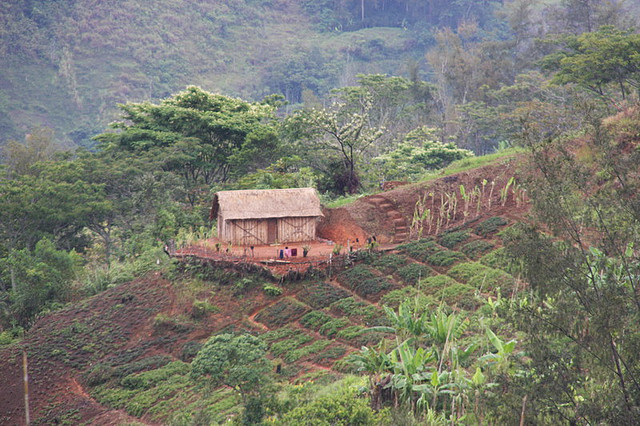
Papua New Guinea is home to a wide variety of destinations, each offering its own landscapes, cultural experiences, and historical significance. Goroka stands out as the administrative centre of Eastern Highlands Province and is widely recognised for its Highland setting, coffee-growing regions, educational institutions, and cultural events.
Rather than viewing one destination as better than another, it is more helpful to understand how Goroka differs from other major towns and cities. Each location reflects a different aspect of Papua New Guinea’s geography, economy, and cultural diversity.
Goroka vs Port Moresby
Goroka and Port Moresby serve very different roles within Papua New Guinea.
Port Moresby, located on the country’s southern coast, is the national capital. It is the centre of government, diplomacy, and many national institutions. The city also features museums, cultural centres, coastal landscapes, and a large urban population representing communities from across Papua New Guinea.
Goroka, by comparison, is a Highland provincial capital situated in the mountainous interior. Instead of a coastal environment, it is surrounded by fertile valleys, coffee plantations, and mountain scenery. The town has a cooler climate because of its higher elevation and is closely connected with agriculture, education, and regional administration.
Some key differences include:
| Goroka | Port Moresby |
| Located in Eastern Highlands Province | Located in National Capital District |
| Highland mountain setting | Coastal setting overlooking the Coral Sea |
| Known for coffee, cultural festivals, and Highland communities | Known for national government, museums, business, and administration |
| Cooler Highland climate | Warmer tropical coastal climate |
| Gateway to the Eastern Highlands | Main international gateway to Papua New Guinea |
Visitors interested in Highland landscapes, coffee-growing areas, and cultural festivals may find Goroka particularly appealing, while those interested in national museums, government institutions, and coastal attractions may choose to spend time in Port Moresby. Many broader Papua New Guinea itineraries include both destinations because they showcase different parts of the country.
Goroka vs Mount Hagen
Goroka and Mount Hagen are both important towns within Papua New Guinea’s Highlands Region, yet each has its own character and regional identity.
Mount Hagen is the capital of Western Highlands Province, while Goroka serves as the capital of Eastern Highlands Province. Both towns function as administrative centres, support agricultural economies, and are connected by the Highlands Highway.
The two destinations also host well-known cultural festivals:
- Goroka is associated with the Goroka Show, which brings together performers from many parts of Papua New Guinea.
- Mount Hagen is known for the Mount Hagen Cultural Show, another major Highland festival featuring performances by communities from across the region.
Although both towns share a Highland environment, the surrounding landscapes, neighbouring communities, and regional traditions differ. Coffee production is important in both provinces, while local farming, markets, and cultural practices reflect the distinct identities of their respective communities.
For travellers exploring Papua New Guinea’s interior, Goroka and Mount Hagen often complement one another rather than competing as destinations. Visiting both allows for a broader appreciation of the diversity found across the Highlands.
Goroka vs Lae
Goroka and Lae differ significantly in geography, climate, and regional function.
Lae, located on Papua New Guinea’s northern coast, is the country’s largest commercial and industrial city. As a major port, it plays an important role in shipping, manufacturing, and trade. The city also serves as the eastern gateway to the Highlands via the Highlands Highway.
Goroka, in contrast, is an inland Highland town with a strong focus on agriculture, education, and provincial administration. Its elevated location gives it a noticeably cooler climate than Lae, while the surrounding valleys support coffee cultivation and a wide variety of agricultural crops.
The two destinations can be compared in several ways:
| Goroka | Lae |
| Inland Highland town | Coastal commercial city |
| Around 1,500–1,600 metres above sea level | Near sea level |
| Cooler Highland climate | Warmer tropical climate |
| Coffee-growing region | Major transport and shipping hub |
| Mountain valleys and Highland scenery | Coastal plains and port facilities |
Lae often serves as an important transport link for travellers heading toward the Highlands, while Goroka offers opportunities to experience mountain landscapes, cultural traditions, coffee-growing areas, and the distinctive environment of Eastern Highlands Province.
Although these destinations differ in geography and atmosphere, each contributes to a broader understanding of Papua New Guinea. Port Moresby highlights the country’s role as an independent nation and administrative centre, Lae reflects its commercial importance and coastal connections, while Goroka provides insight into the landscapes, agriculture, cultural diversity, and community life of the Highlands.
Understanding these differences helps place Goroka within the wider context of Papua New Guinea, showing that its identity extends well beyond the famous Goroka Show to include education, coffee production, regional history, and the everyday life of the Eastern Highlands.
Frequently Asked Questions About Goroka Papua New Guinea
Where is Goroka located?
Goroka is located in Eastern Highlands Province in the independent country of Papua New Guinea. It serves as the provincial capital and is situated in the country’s mountainous Highlands Region, surrounded by fertile valleys, coffee-growing areas, and Highland communities.
Its central position within the Eastern Highlands makes Goroka an important administrative, educational, agricultural, and transport hub for the surrounding region.
What is Goroka best known for?
Goroka is best known for several defining features that together shape its identity:
- The Goroka Show, one of Papua New Guinea’s longest-running and most recognised cultural festivals.
- The Asaro Mudmen, whose distinctive clay masks are associated with communities in the nearby Asaro Valley.
- Highland Arabica coffee production.
- The cool mountain environment of the Eastern Highlands.
- Local markets where fresh produce and handcrafted bilum bags are commonly found.
- Educational and research institutions that serve the wider Highlands.
Although the Goroka Show is internationally recognised, it represents only one aspect of the town. Goroka is also an important centre for agriculture, education, government services, and everyday community life.
Is Goroka in Papua or Papua New Guinea?
Goroka is located in Papua New Guinea, an independent country occupying the eastern half of the island of New Guinea.
It is not located in the Indonesian provinces commonly referred to as Papua, which occupy the western half of the island.
Although both regions share the island of New Guinea geographically, they belong to different countries and have separate governments, administrative systems, and regional identities.
What province is Goroka in?
Goroka is the capital of Eastern Highlands Province.
The province forms part of Papua New Guinea’s Highlands Region and includes a variety of mountain landscapes, farming communities, coffee-growing areas, and diverse cultural and language groups.
What is the elevation of Goroka?
Goroka sits at an elevation of approximately 1,500 to 1,600 metres above sea level.
Different references may provide slightly different figures depending on the measurement point, but the town’s Highland location is the reason for its generally cooler climate compared with many coastal parts of Papua New Guinea.
What languages are spoken in Goroka?
Several languages are spoken in and around Goroka.
The most commonly encountered include:
- Tok Pisin, widely used as a shared language throughout Papua New Guinea.
- English, particularly in education, government, and business.
- Numerous local Indigenous languages spoken by different communities across Eastern Highlands Province.
Because the province contains many language groups, no single Indigenous language represents the entire region.
When is the Goroka Show held?
The Goroka Show is generally held in September, around Papua New Guinea’s Independence Day celebrations.
Because annual schedules can change, visitors should verify the official dates each year before making travel arrangements.
For 2026, the event is scheduled for 18 to 20 September, celebrating the 70th anniversary of the Goroka Show.
Who are the Asaro Mudmen?
The Asaro Mudmen are performers associated with communities in the Asaro Valley, near Goroka.
They are recognised for wearing sculpted clay masks and covering their bodies with clay during cultural performances. Their distinctive appearance has become one of Papua New Guinea’s most widely recognised cultural images.
Several different oral traditions explain the origins of the Mudmen, and these stories vary between communities. Rather than presenting one version as historical fact, it is more appropriate to understand them as part of the region’s rich cultural heritage and storytelling traditions.
Today, Asaro Mudmen performances may be presented during cultural festivals such as the Goroka Show or through community-organised cultural experiences in the Asaro Valley.
What grows around Goroka?
The fertile Highland environment supports a wide variety of agricultural crops.
Common products grown around Goroka include:
- Arabica coffee
- Kaukau (sweet potatoes)
- Vegetables
- Peanuts
- Ginger
- Bananas
- Citrus fruits
- Other seasonal produce suited to Highland conditions
Many households maintain gardens alongside commercial farming, while local markets provide a place for growers to sell fresh produce throughout the year.
How do visitors reach Goroka?
Most visitors reach Goroka by domestic flight through Goroka Airport (GKA), often connecting from Port Moresby.
The town can also be reached by road via the Highlands Highway, which links Goroka with Lae and other Highland centres.
Flight schedules, road conditions, and transport services may change, so checking current arrangements before travelling is recommended.
How many days are needed in Goroka?
A stay of two to three days allows enough time to explore many of Goroka’s main attractions, including:
- The Goroka Market
- The J K McCarthy Museum
- Local cafés serving Highland coffee
- Nearby viewpoints
- Community-organised cultural experiences
- Natural attractions such as Mount Gahavisuka Provincial Park
Visitors attending the Goroka Show or planning organised village and coffee excursions may wish to allow additional time, depending on their interests and available activities.
What can visitors buy in Goroka?
Goroka’s markets and craft sellers offer a variety of locally produced items that reflect the region’s agricultural and artistic traditions.
Common purchases may include:
- Handmade bilum bags
- Locally produced coffee
- Wood carvings
- Woven handicrafts
- Traditional craft items
- Fresh market produce
When purchasing natural or cultural objects, it is helpful to check whether any export regulations or permit requirements apply before taking items out of Papua New Guinea.
These frequently asked questions provide an overview of Goroka’s location, culture, agriculture, transport, and community life. Together, they highlight why the town is recognised as one of Papua New Guinea’s most significant Highland destinations, offering far more than its famous cultural festival alone.
Conclusion
Goroka is much more than the setting for one of Papua New Guinea’s most celebrated cultural festivals. As the capital of Eastern Highlands Province, it serves as an important administrative, educational, agricultural, and cultural centre that reflects the diversity of the country’s mountainous interior.
Its elevated location creates a distinctive Highland environment where fertile valleys support coffee cultivation, household gardens, and productive farming communities. Local markets, research institutions, museums, and community events all contribute to the town’s identity, while the surrounding landscapes provide opportunities to appreciate the natural character of the Eastern Highlands.
The Goroka Show remains one of the town’s best-known cultural landmarks, bringing together performers from many different communities across Papua New Guinea. However, the festival represents only one part of Goroka’s story. Throughout the year, visitors can also learn about the traditions associated with the Asaro Mudmen, explore Highland coffee culture, discover locally made bilum, visit museums and viewpoints, and experience the everyday rhythm of life in a provincial Highland town.
Understanding Goroka also means recognising the diversity that defines the Eastern Highlands. Multiple language groups, long-established farming traditions, evolving artistic practices, and contemporary institutions all contribute to a community where cultural heritage continues to develop alongside modern education, commerce, and public life.
For anyone interested in learning more about Papua New Guinea, Goroka offers a meaningful introduction to the country’s Highland landscapes, agricultural traditions, and cultural richness. Whether exploring local markets, enjoying Highland coffee, visiting nearby cultural sites, or attending the Goroka Show, the town provides an opportunity to better understand the people, environments, and traditions that make the Eastern Highlands such a distinctive part of Papua New Guinea.
If you’re looking for Papua herbal products, start with a trusted source. Experience authentic, high-quality red fruit products at Cahya Red Fruit Papua New Guinea! We offer a wide variety of items besides Red Fruit Papua New Guinea — including Papua ant nest and Papua kebar grass. Check out our herbal wellness product in our website!