Mount Hagen, Papua New Guinea, is one of the country’s most important cities in the Highlands Region. It serves as the capital of Western Highlands Province and is located in the fertile Wahgi Valley (also commonly spelled Waghi Valley) at an elevation of approximately 1,600 to 1,700 metres above sea level. Thanks to its central location, the city has become an important hub for administration, commerce, agriculture, education, and transportation across the surrounding Highlands.
One point that often causes confusion is that Mount Hagen refers to both a city and a nearby mountain. The city itself is situated on the valley floor rather than on a mountain summit, while the nearby mountain shares the same name and forms part of the broader Highland landscape. Throughout this guide, the distinction between the urban centre and the mountain will be explained to help readers better understand the region.
Mount Hagen is widely recognised for its rich cultural diversity, productive agricultural landscape, and role as a gateway to the Highlands of Papua New Guinea. The city is especially known for the Mount Hagen Cultural Show, an annual gathering where cultural groups from different parts of the country present organised sing-sing performances featuring music, dance, ceremonial dress, body decoration, and traditional instruments. Rather than representing a single community, the event brings together participants from multiple cultural backgrounds and highlights the diversity found across Papua New Guinea.
Agriculture also plays a major role in the identity of Mount Hagen. The fertile volcanic soils and cool Highland climate support the cultivation of coffee, sweet potatoes (locally known as kaukau), vegetables, fruit, and many other crops. These products regularly flow into local markets, making the city an important centre for regional trade between rural producers and urban consumers.
Visitors and researchers alike are often drawn to Mount Hagen for more than its festival. The city provides access to surrounding valleys, coffee-growing areas, mountain scenery, birdwatching locations, community-led cultural experiences, and one of the busiest regional markets in the Highlands. At the same time, it remains a modern provincial centre where government services, businesses, schools, transport networks, and local communities all contribute to everyday life.
Mount Hagen Papua New Guinea Fact Box
| Information | Details |
| Country | Papua New Guinea |
| Province | Western Highlands Province |
| Region | Papua New Guinea Highlands |
| Alternative Names | Mt Hagen, Maun Hagen |
| Tok Pisin Name | Maun Hagen |
| Approximate Elevation | Around 1,600–1,700 metres above sea level |
| Valley | Wahgi (Waghi) Valley |
| Airport | Kagamuga Airport |
| Airport Code | HGU |
| Main Road Connection | Highlands Highway |
| Common Languages | Melpa, Tok Pisin, English, and many other Papua New Guinean languages |
| Best Known For | Mount Hagen Cultural Show, Highland culture, agricultural markets, coffee production, fertile valley landscapes, and its role as the commercial centre of the Western Highlands |
Where Is Mount Hagen in Papua New Guinea
Mount Hagen is located in the central Highlands of Papua New Guinea and serves as the capital of Western Highlands Province. Positioned within the fertile Wahgi Valley—also commonly spelled Waghi Valley—the city occupies an important place in one of the country’s most productive agricultural regions. Its location has helped shape its role as a centre for government, trade, education, transport, and regional services, connecting communities across the Highlands rather than serving only as a destination for visitors.
Unlike many coastal cities in Papua New Guinea, Mount Hagen sits at a relatively high elevation of around 1,600 to 1,700 metres above sea level. This higher altitude contributes to cooler temperatures than those typically experienced in the country’s lowland and coastal areas. The surrounding landscape includes cultivated valleys, rolling hills, volcanic soils, and mountain ridges that have supported farming and settlement for generations.
Mount Hagen’s Position in the Highlands
The Highlands Region stretches across the mountainous interior of Papua New Guinea, and Mount Hagen lies near its central section. The city occupies a strategic position along the Highlands Highway, one of the country’s principal road corridors linking many of the major Highland towns and provinces.
From Mount Hagen, road connections extend toward several important regional centres, including:
- Goroka in Eastern Highlands Province
- Kundiawa in Simbu Province
- Wabag in Enga Province
- Mendi in Southern Highlands Province
- Lae, one of Papua New Guinea’s largest coastal cities, via the Highlands Highway
Meanwhile, domestic air services through Kagamuga Airport (HGU) provide regular connections with Port Moresby, the national capital, making Mount Hagen an important gateway between the Highlands and other parts of the country.
Because of these transport links, the city supports the movement of agricultural products, commercial goods, government services, students, workers, and travellers throughout the region.
The Wahgi (Waghi) Valley
One of Mount Hagen’s defining geographical features is its location within the Wahgi Valley, although the spelling Waghi Valley is also widely used in maps, publications, and local references. Both spellings refer to the same broad Highland valley.
The valley is known for its fertile volcanic soils, reliable rainfall, and favourable growing conditions. These natural characteristics support a wide range of agricultural activities, including coffee cultivation, vegetable farming, fruit production, and household gardens. Many rural communities depend on these productive landscapes, while the city acts as a marketplace where produce is bought, sold, and transported to other regions.
The Wahgi Valley extends well beyond the urban area of Mount Hagen. It contains numerous settlements, agricultural lands, and communities with diverse cultural and linguistic backgrounds. Although the Melpa people have a strong historical and cultural association with much of the Mount Hagen area, the valley as a whole is home to multiple communities rather than a single cultural group.
Mount Hagen’s Role as a Regional Centre
Today, Mount Hagen functions as one of the Highlands’ leading regional centres. Government offices, educational institutions, healthcare facilities, banks, businesses, transport operators, markets, and service providers all contribute to the city’s role within Western Highlands Province and neighbouring provinces.
Each day, people travel between surrounding rural communities and the city for work, education, trade, shopping, and administrative services. Agricultural products from nearby valleys are brought into local markets, while goods and services move outward to smaller towns and villages across the Highlands.
This combination of geography, transport links, agriculture, and public services makes Mount Hagen more than simply a tourism destination. It is a working provincial capital where contemporary urban life exists alongside long-established agricultural traditions and diverse cultural communities.
Is Mount Hagen a City or a Mountain?
One of the most common questions about Mount Hagen, Papua New Guinea is whether it refers to a city or a mountain. The answer is both. Mount Hagen is the name of a major Highlands city as well as a nearby mountain that forms part of the surrounding landscape. Although they share the same name, they are two distinct geographical features.
Understanding this distinction helps avoid a common misunderstanding. The city is located in the Wahgi Valley, while the mountain rises nearby as part of the Highland terrain. Visitors staying in Mount Hagen are not living on a mountain summit but in a valley surrounded by elevated ridges and volcanic landscapes.
Mount Hagen City
The urban centre commonly known as Mount Hagen, Mt Hagen, or Maun Hagen is the capital of Western Highlands Province. It serves as an administrative, commercial, educational, and transport hub for much of Papua New Guinea’s central Highlands.
Rather than being built on steep mountain slopes, the city occupies relatively level land within the Wahgi Valley. This location has supported its development as an important centre for farming, trade, public services, and regional commerce. The valley provides space for residential areas, markets, businesses, schools, government offices, and transport infrastructure that connect surrounding communities.
Mount Hagen also plays an important role beyond its provincial boundaries. People from neighbouring provinces travel to the city for education, business, healthcare, employment, and trade, making it one of the Highlands’ busiest urban centres.
Mount Hagen Mountain
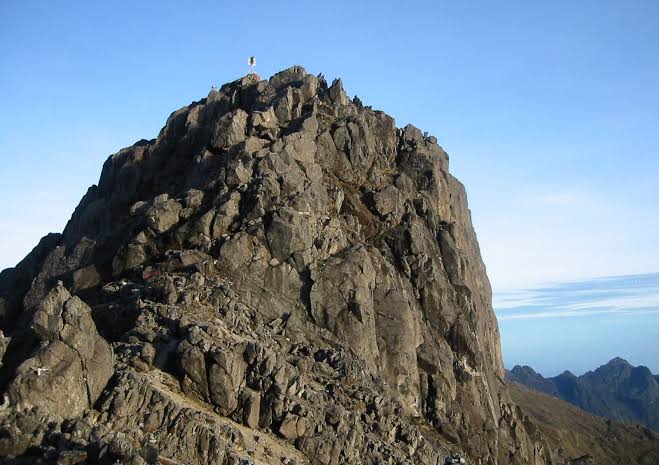
Separate from the city is the mountain known as Mount Hagen, which forms part of the surrounding Highland landscape. The mountain is generally described as being associated with an ancient volcanic system that helped shape the region’s fertile terrain over long geological periods.
Although the mountain shares its name with the city, it is not the location of the urban centre. Instead, it stands within the broader mountainous environment that surrounds the Wahgi Valley. This distinction explains why references to “Mount Hagen” can describe either the city or the nearby mountain, depending on the context.
The Highlands contain numerous volcanic landforms, ridges, and elevated valleys that contribute to the region’s characteristic scenery. These geological features have also influenced the area’s fertile soils, which support coffee cultivation, vegetable farming, and other agricultural activities.
Because different sources may report varying measurements for the mountain itself, it is helpful to distinguish between the city’s elevation, which is generally around 1,600 to 1,700 metres above sea level, and the separate elevation of the mountain. When reading maps or travel resources, checking whether the reference is to the city or the mountain helps avoid confusion.
The city takes its name from the nearby mountain, following a naming pattern found in many parts of the world where settlements are named after prominent natural landmarks.
The name “Mount Hagen” was introduced during the colonial administration period, when European officials recorded and named geographical features as they mapped parts of Papua New Guinea’s Highlands. However, this naming history should not be understood as the beginning of the area’s story. Long before outside documentation, the Wahgi Valley and surrounding mountains were already home to well-established communities with their own languages, cultural traditions, agricultural systems, and place names.
Today, the shared name reflects both the city’s identity as the capital of Western Highlands Province and its relationship with the surrounding Highland environment. In everyday conversation, people often use “Mount Hagen” to refer to the city, while maps, geographical references, or trekking discussions may use the same name when referring to the nearby mountain.
What Is Mount Hagen Famous For?
Mount Hagen is known for far more than its role as the capital of Western Highlands Province. The city is recognised as one of Papua New Guinea’s leading cultural and commercial centres, bringing together agriculture, community life, regional trade, and Highland traditions in one place. While many visitors first hear about the annual Mount Hagen Cultural Show, the city’s identity also includes its productive markets, coffee-growing landscape, diverse communities, and access to the surrounding valleys and mountains.
Rather than being defined by a single attraction, Mount Hagen offers a combination of cultural, economic, and geographical features that make it an important part of Papua New Guinea’s Highlands.
The Mount Hagen Cultural Show
The Mount Hagen Cultural Show, often called the Mount Hagen Show, is one of Papua New Guinea’s best-known cultural gatherings. It brings together cultural groups from Western Highlands Province and many other parts of the country for organised sing-sing performances that celebrate cultural identity through music, dance, ceremonial dress, and artistic expression.
A sing-sing is a public cultural presentation where communities perform songs, dances, drumming, and processions while wearing clothing and decorations prepared for the occasion. Depending on the participating group, these may include feather headdresses, shells, bilum, face paint made from natural pigments, and other forms of ceremonial adornment. The styles vary widely because each community presents its own traditions rather than following a single national pattern.
An important point is that the Mount Hagen Cultural Show is not the festival of one tribe or one language group. Instead, it is a gathering that highlights the diversity of Papua New Guinea, with participants travelling from different provinces to share aspects of their cultural heritage in a public setting.
The event is generally held in August, although the programme and dates can change from year to year. According to the current official tourism calendar, the 2026 Mount Hagen Cultural Show is scheduled for 14–16 August at Queen’s Park. Anyone planning to attend should verify the latest dates and event information before making travel arrangements, as annual schedules may be updated.
Originally established to encourage cultural exchange and bring communities together in a shared public event, the show continues to serve as an opportunity for participants to present their cultural identities while also welcoming visitors interested in learning more about Papua New Guinea’s rich cultural diversity.
Mount Hagen Market
Another defining feature of the city is Mount Hagen Market, one of the Highlands’ busiest centres of everyday commerce. More than simply a place to shop, the market connects producers from surrounding valleys with buyers from the city and neighbouring provinces.
Visitors may find a wide variety of goods depending on the season and daily trading activity, including:
- Fresh vegetables and fruit from Highland farms
- Sweet potatoes (kaukau), potatoes, cabbage, carrots, corn, and leafy greens
- Coffee produced in nearby farming areas
- Bilum bags and locally made handicrafts
- Clothing and household goods
- Betel nut (buai) and other commonly traded products
- Prepared foods offered by local vendors
The market reflects the importance of agriculture in the region, with many sellers bringing produce directly from family gardens and smallholder farms. For local residents, it serves as an essential part of everyday economic life rather than simply a visitor attraction.
When visiting the market, it is considered respectful to ask permission before taking photographs of individuals or market stalls, especially when focusing on portraits or close-up images. Courtesy and respectful interaction help create positive experiences for both visitors and vendors.
Highland Agriculture and Coffee
Agriculture is central to Mount Hagen’s identity. The combination of fertile volcanic soils, regular rainfall, and a cool Highland climate creates favourable conditions for growing a wide variety of crops throughout the year.
One of the region’s best-known agricultural products is Arabica coffee, which is cultivated by many smallholder farmers across the Highlands. Coffee provides an important source of income for numerous households, but it represents only one part of a much broader agricultural system.
Alongside coffee, farmers grow crops such as:
- Sweet potato (kaukau)
- Taro and yam
- Corn
- Potatoes
- Cabbage and broccoli
- Carrots
- Bananas
- Passion fruit
- Peanuts
- Leafy vegetables
Many households combine food gardens for everyday use with crops grown for sale in local markets. This balance between household production and commercial farming contributes to the region’s agricultural diversity and supports both rural communities and urban markets.
Pig raising is also an important part of life in many Highland communities. Depending on the community and occasion, pigs may have practical, economic, and ceremonial significance alongside their role in household livelihoods.
Melpa Cultural Traditions
The area around Mount Hagen has a strong association with the Melpa people, for whom Melpa is both a language and a cultural identity. However, it is important to recognise that modern Mount Hagen is home to residents from many provinces and language groups. As a regional commercial centre, the city reflects considerable cultural diversity rather than representing a single community.
Melpa traditions place importance on relationships between families, clans, customary land, and community leadership. One well-known cultural practice associated with the region is moka, a ceremonial system of reciprocal exchange involving gifts such as pigs and other valued items. Rather than functioning as simple barter or trade, moka strengthens relationships, creates ongoing obligations, and expresses generosity, leadership, and cooperation within wider social networks.
Like many cultural traditions, practices associated with moka may vary between communities and continue to evolve over time.
Highland Landscapes and Birdlife
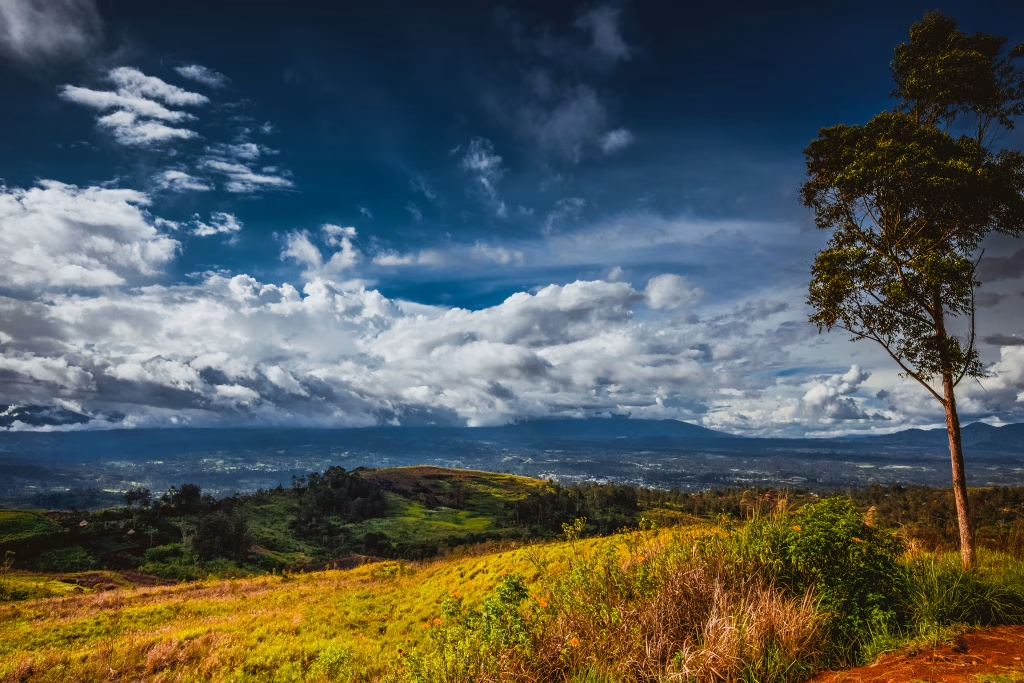
The landscape surrounding Mount Hagen is another reason the region attracts attention. Rolling valleys, cultivated hillsides, forests, mountain ridges, and mist-covered slopes create the characteristic scenery of Papua New Guinea’s central Highlands.
These varied environments support diverse plant and animal life, making the region of interest to nature enthusiasts and birdwatchers. Some visitors hope to observe birds of paradise and other montane bird species that inhabit Highland forests. Because wildlife movements depend on habitat, weather, and seasonal conditions, sightings can never be guaranteed, but knowledgeable local guides can often help visitors better understand the area’s ecology and identify species found in different habitats.
Beyond wildlife, the surrounding landscape offers opportunities to appreciate agricultural valleys, coffee-growing districts, viewpoints, and community-arranged cultural experiences that illustrate how people and the Highland environment continue to shape one another.
A Brief History of Mount Hagen
The history of Mount Hagen extends far beyond the establishment of the modern city. Long before colonial administrations, roads, and air transport connected the Highlands, the Wahgi Valley was already home to thriving communities with well-developed agricultural systems, trade networks, and cultural traditions. Over time, the area evolved from an important Indigenous cultural landscape into one of Papua New Guinea’s leading regional centres.
Understanding Mount Hagen’s history means looking at both its longstanding Indigenous heritage and the later developments that shaped the modern city.
Life in the Western Highlands Before Colonial Contact
For many generations, the Western Highlands supported communities that developed sophisticated ways of living in the mountainous environment. The fertile soils of the Wahgi Valley made intensive agriculture possible, allowing families and clans to cultivate crops while managing gardens that provided food throughout the year.
Agriculture formed the foundation of everyday life, but it was only one part of a much broader social system. Communities also maintained networks of exchange, kinship, customary land stewardship, and ceremonial gatherings that connected neighbouring groups across the Highlands. Relationships between families and clans helped organise responsibilities, cooperation, and the sharing of resources.
Trade took place between different communities, with goods moving across valleys and mountain passes through established exchange networks. These interactions encouraged the movement of useful materials, ideas, and cultural practices while maintaining distinct local identities and languages.
Leadership was often based on community relationships, generosity, and the ability to build cooperation rather than on formal government structures. Ceremonial exchanges, including systems such as moka, reinforced social connections and created long-term relationships between communities.
This long history demonstrates that the Highlands were already home to complex societies with rich cultural traditions before they appeared in written records produced by outside observers.
Early Outside Expeditions
During the early twentieth century, Australian colonial patrols and exploratory expeditions gradually entered parts of Papua New Guinea’s Highlands that had previously received little attention from colonial administrations.
Among the best-known figures associated with these expeditions were Michael (Mick) Leahy and Jim Taylor, who travelled through the Wahgi Valley during the 1930s. Their journals and reports became some of the earliest written descriptions of the region from the perspective of colonial officials and explorers.
It is important to understand these events in their historical context. While the expeditions represented some of the first documented encounters from the outsiders’ perspective, they did not mark the beginning of the region’s history. The valleys they entered were already home to established communities with their own knowledge systems, agricultural practices, social organisation, languages, and histories.
Recognising this distinction helps present the history of Mount Hagen more accurately by acknowledging both Indigenous continuity and the impact of later colonial administration.
The Development of the Town
As colonial administration expanded in the Highlands, Mount Hagen gradually developed into an administrative and commercial centre. Government offices, mission stations, schools, health services, and trading activities became established in and around the growing settlement.
Infrastructure also improved over time. The construction of roads and an airstrip strengthened connections between Mount Hagen and other parts of Papua New Guinea, making it easier for people, agricultural products, and supplies to move across the Highlands.
Agriculture played an important role in the town’s growth. Coffee production expanded alongside existing food gardens, while local markets became increasingly important places where rural producers and urban residents exchanged goods. As transport links improved, Mount Hagen strengthened its position as a regional centre serving surrounding valleys and neighbouring provinces.
The continued development of the Highlands Highway further increased the city’s importance by connecting Western Highlands Province with other major Highland centres and the northern coastal port of Lae.
Mount Hagen After Papua New Guinea’s Independence
When Papua New Guinea gained independence in 1975, Mount Hagen was already an important provincial centre. In the decades that followed, the city continued to expand as government services, education, commerce, transport, and business activity developed alongside population growth.
Migration from neighbouring Highlands provinces contributed to the city’s increasingly diverse character. Today, residents come from many different cultural and linguistic backgrounds, reflecting Mount Hagen’s role as one of the Highlands’ principal commercial and administrative hubs.
Modern Mount Hagen combines contemporary urban life with long-established cultural traditions. Schools, churches, markets, mobile communications, businesses, transport services, government institutions, and community organisations all form part of the city’s daily rhythm. At the same time, cultural events, agricultural practices, local languages, and community relationships continue to contribute to the region’s identity.
Rather than representing a contrast between “traditional” and “modern” life, Mount Hagen illustrates how communities continue to adapt while maintaining connections to their cultural heritage. This combination of historical continuity and ongoing development is one of the defining characteristics of the city today.
The People and Cultures of Mount Hagen
Mount Hagen is often associated with the Melpa people, but the city itself is home to a much broader mix of communities. As the capital of Western Highlands Province and an important regional centre, Mount Hagen attracts residents from across Papua New Guinea for education, business, government services, trade, and employment. This makes the city both culturally and linguistically diverse.
Understanding the people of Mount Hagen means looking beyond festival performances alone. Everyday life includes family relationships, agriculture, education, commerce, community leadership, language, craftsmanship, and cultural practices that continue to evolve alongside modern urban life.
The Melpa People
The Melpa people are one of the major cultural and language groups associated with the Mount Hagen region. In this context, Melpa refers both to an Indigenous language and to the cultural identity shared by many communities living in and around the Wahgi Valley.
For many Melpa communities, family connections, clan relationships, and customary land remain important aspects of community life. Land is not simply viewed as a place to live or farm; it is also connected to family history, identity, and responsibilities that are passed between generations.
Gardening has long been central to everyday life. Families cultivate crops such as sweet potato (kaukau), vegetables, and fruit while also raising pigs and caring for household resources. These activities support daily living and contribute to local markets and ceremonial occasions.
Community leadership has traditionally involved the ability to build relationships, encourage cooperation, and organise exchanges between families and neighbouring groups. Leadership is often associated with communication, generosity, and the ability to strengthen social connections rather than with formal political authority alone.
Although the Melpa people have a strong historical association with the Mount Hagen area, they do not represent every resident of the city. Today, Mount Hagen includes people from many provinces and cultural backgrounds, reflecting its role as one of Papua New Guinea’s major regional centres.
What Is Moka Exchange?
One of the best-known cultural traditions associated with the Western Highlands is moka, a ceremonial system of reciprocal exchange.
Moka is sometimes mistakenly described as simple barter, but the practice is much more complex. Instead of being a straightforward exchange of goods, moka involves relationships that develop over time through generosity, reciprocity, and ongoing social obligations.
During ceremonial exchanges, valuable items may be presented between individuals, families, or communities. Depending on the occasion and local traditions, these may include:
- Pigs
- Shell valuables
- Other culturally significant gifts
Rather than ending when the gifts are exchanged, moka creates continuing relationships between participants. Future exchanges may take place months or even years later, strengthening alliances, expressing appreciation, recognising leadership, or maintaining social connections.
Because moka is based on delayed reciprocity, it differs from ordinary buying and selling. The emphasis is often placed on building relationships and demonstrating generosity instead of completing an immediate transaction.
Like many cultural practices, moka continues to develop over time, and its form and significance may vary between communities.
Sing-Sing and Ceremonial Performance
The word sing-sing is widely used in Papua New Guinea to describe organised cultural performances that combine singing, dancing, music, movement, and ceremonial dress.
During events such as the Mount Hagen Cultural Show, participating groups prepare distinctive presentations that reflect aspects of their own cultural traditions. Performers may wear feather headdresses, shells, woven bilum, body decoration, face paint, and other ceremonial items depending on the customs of their community.
Music often includes kundu drums, bamboo instruments, chanting, and rhythmic singing that accompany group dances and processions. Every performance has its own style, and no single sing-sing represents the traditions of all communities across Papua New Guinea.
It is also helpful to distinguish between public cultural festivals and community ceremonies. Performances presented during organised festivals are designed for public audiences and may be adapted for that setting. They should not automatically be understood as exact reproductions of private ceremonial activities, which may follow different customs and purposes within individual communities.
Bilum and Highland Craftsmanship
One of the most recognisable handmade items found throughout Papua New Guinea is the bilum.
A bilum is a looped string bag made using techniques that have been passed down through generations. Traditionally, artisans produced bilum using plant fibres, although many contemporary makers also work with commercial yarns in a wide range of colours and patterns.
Bilum are valued because they combine practicality with cultural expression. Depending on their size and design, they may be used for carrying food, garden produce, household items, personal belongings, or babies. Designs, colours, and construction methods often vary between regions and communities, reflecting local artistic traditions.
Visitors interested in purchasing a bilum can often find them at local markets or through community artisans. Buying directly from recognised makers helps support local craftsmanship while also encouraging appreciation for the skill involved in producing each piece.
Contemporary Life in Mount Hagen
Although Mount Hagen is internationally known for its cultural festival, everyday life extends far beyond annual celebrations.
The city functions as a modern provincial centre with schools, colleges, churches, government offices, banks, transport services, shops, restaurants, sporting activities, and a growing business community. Mobile phones, internet services, radio, music, and digital communication are now part of daily life for many residents, reflecting broader changes taking place across Papua New Guinea.
Markets remain important places where rural producers meet urban consumers, while buses, public motor vehicles (PMVs), and commercial transport connect the city with surrounding valleys and neighbouring provinces. Students travel for education, businesses support regional trade, and community organisations continue to contribute to civic life.
At the same time, cultural knowledge, local languages, family networks, and community events continue to play meaningful roles alongside contemporary urban development. Rather than replacing one another, modern institutions and cultural traditions often exist together, each contributing to Mount Hagen’s identity in different ways.
This combination of cultural continuity and everyday urban life is one of the defining characteristics of Mount Hagen today. It reflects a city that continues to grow while maintaining strong connections with the people, languages, and communities that have shaped the Western Highlands for generations.
Languages Spoken in Mount Hagen
Language is an important part of everyday life in Mount Hagen. As one of the largest urban centres in Papua New Guinea’s Highlands, the city brings together people from many provinces, each contributing their own languages and cultural backgrounds. While Melpa has a strong historical connection to the region, communication in Mount Hagen also relies heavily on Tok Pisin, English, and numerous other Indigenous languages spoken by residents who have moved to the city for work, education, business, or family reasons.
This multilingual environment reflects Mount Hagen’s role as a regional centre where people from different communities interact every day in markets, schools, government offices, workplaces, and public spaces.
Melpa Language
Melpa is one of the principal Indigenous languages associated with the Mount Hagen area. It is spoken by many people whose families have longstanding connections with the Western Highlands, particularly in and around the Wahgi Valley.
Beyond being a language, Melpa also represents a cultural identity. Through the language, people share oral histories, local knowledge, songs, place names, family traditions, and community customs that have been passed between generations.
Although Melpa remains an important part of the region’s cultural heritage, it should not be viewed as the only language spoken in Mount Hagen. The city’s continued growth and migration from other provinces have created a linguistically diverse urban community where many languages are heard in everyday life.
Tok Pisin
Among the most widely used languages in Mount Hagen is Tok Pisin, one of Papua New Guinea’s national languages.
Tok Pisin serves as a lingua franca, meaning it allows people from different language groups to communicate with one another. In a country with hundreds of Indigenous languages, this shared language plays an important role in daily interaction.
In Mount Hagen, Tok Pisin is commonly heard in places such as:
- Markets and local shops
- Public transport and PMVs
- Government offices
- Businesses and workplaces
- Community events
- Radio broadcasts and other media
- Conversations between people from different language backgrounds
For many residents, Tok Pisin provides a practical way to communicate across the city’s culturally diverse population while allowing people to continue using their own Indigenous languages within their families and communities.
English
English is also used in Mount Hagen, particularly in formal settings.
It is commonly found in:
- Schools and educational institutions
- Government administration
- Business correspondence
- Official documents
- Newspapers and written communication
- Some professional workplaces
Because English is one of Papua New Guinea’s official languages, it plays an important role in education and public administration. However, levels of English use vary between individuals depending on their education, profession, and daily environment. It should not be assumed that every resident uses English in all situations.
Instead, English often exists alongside Tok Pisin and Indigenous languages, with people choosing the language that best fits the context.
Other Papua New Guinean Languages
Mount Hagen’s importance as a commercial and administrative centre has attracted people from many parts of Papua New Guinea. As a result, the city is home to speakers of numerous other Indigenous languages from neighbouring Highlands provinces and beyond.
Residents may come from areas including:
- Enga Province
- Jiwaka Province
- Southern Highlands Province
- Simbu (Chimbu) Province
- Eastern Highlands Province
- Other provinces throughout Papua New Guinea
Each of these communities contributes its own language, traditions, and cultural heritage to the city’s everyday life. This diversity can be seen in neighbourhoods, schools, churches, workplaces, markets, and community organisations where people from different backgrounds interact regularly.
Rather than having a single dominant cultural identity, modern Mount Hagen reflects the broader diversity of Papua New Guinea itself. People often move comfortably between multiple languages depending on who they are speaking with, whether at home, in business, or during public events.
This multilingual character is one of the city’s defining features. It demonstrates how Mount Hagen functions not only as the cultural heart of Western Highlands Province but also as a meeting place where languages, communities, and regional identities come together through everyday social and economic life.
Geography and Climate of Mount Hagen
Mount Hagen’s geography is one of the defining features of the city and the surrounding Western Highlands. Located in the fertile Wahgi Valley at an elevation of approximately 1,600 to 1,700 metres above sea level, the city enjoys a cooler environment than many of Papua New Guinea’s coastal centres. The combination of high altitude, volcanic soils, mountain landscapes, and regular rainfall has helped shape the region’s agriculture, settlement patterns, and everyday life for generations.
Rather than being dominated by a single mountain, the area is characterised by broad valleys, cultivated slopes, forested ridges, and volcanic landforms that create the distinctive scenery of Papua New Guinea’s central Highlands.
Elevation and the Highland Environment
Mount Hagen’s position high above sea level gives it a noticeably different environment from the country’s tropical lowlands. While coastal cities often experience warmer and more humid conditions, Mount Hagen generally has milder daytime temperatures and cooler mornings and evenings.
The city lies within the productive Wahgi Valley, surrounded by rolling hills and mountain ranges that form part of the broader New Guinea Highlands. This landscape includes:
- Fertile agricultural valleys
- Cultivated hillsides and garden areas
- Forest patches and montane vegetation
- Mountain ridges shaped by ancient volcanic activity
- Rivers and smaller streams that support farming and settlements
The region’s volcanic history has contributed to soils that support a wide range of crops, helping make Western Highlands Province one of Papua New Guinea’s most productive agricultural areas.
Although Mount Hagen is associated with nearby mountains, the urban centre itself occupies relatively level valley land, allowing space for residential neighbourhoods, markets, businesses, schools, transport infrastructure, and government facilities.
Mount Hagen Weather Throughout the Year
Mount Hagen experiences a tropical Highland climate, where elevation has a significant influence on weather conditions.
Compared with lower-elevation areas, daytime temperatures are generally moderate, while mornings and evenings often feel noticeably cooler. Cloud cover and mist are also common, particularly around nearby mountain slopes and higher elevations.
Rainfall can occur throughout the year, and local weather conditions may change quickly because of the surrounding mountainous terrain. A bright morning may gradually become cloudy, with afternoon showers developing before clearer conditions return later in the day.
For this reason, weather patterns should be viewed as variable rather than predictable. Visitors and residents alike often prepare for changing conditions by carrying lightweight rain protection alongside clothing suitable for cooler temperatures.
Seasonal Considerations
Although some periods of the year may be relatively drier than others, no season should be considered completely dry. Rain remains possible in every month, and weather can differ between nearby valleys and higher mountain areas.
Several natural factors influence local conditions, including:
- Elevation
- Mountain slopes and valleys
- Cloud formation
- Local wind patterns
- Rainfall associated with tropical weather systems
Because of these variations, conditions experienced in Mount Hagen may differ from those in neighbouring districts or higher elevations within the Western Highlands.
Anyone planning outdoor activities such as birdwatching, cultural visits, or exploring the surrounding valleys should check current weather forecasts closer to their travel dates, as mountain weather can change more rapidly than in flatter regions.
How Geography Supports Agriculture
Mount Hagen’s geography is closely connected to its agricultural importance.
The combination of fertile volcanic soils, regular rainfall, moderate temperatures, and high elevation creates favourable growing conditions for many crops. These environmental characteristics have supported intensive gardening and farming across the Wahgi Valley for generations.
Among the region’s most important agricultural products are:
- Arabica coffee
- Sweet potato (kaukau)
- Potatoes
- Cabbage
- Broccoli
- Carrots
- Corn
- Bananas
- Passion fruit
- Peanuts
- Leafy vegetables
Many households maintain gardens that provide food for their families while also supplying local markets with fresh produce. Coffee cultivation has also become an important source of income for many smallholder farmers, complementing rather than replacing traditional food production.
The surrounding landscape supports more than agriculture alone. Forested ridges, mountain habitats, and cultivated valleys contribute to the region’s biodiversity while providing opportunities for nature observation, birdwatching, photography, and community-arranged visits that highlight the relationship between people and the Highland environment.
Together, Mount Hagen’s geography and climate help explain why the city has developed into one of Papua New Guinea’s leading agricultural and regional centres. The fertile valley, cool Highland conditions, and surrounding mountain landscape continue to shape both everyday life and the wider identity of the Western Highlands.
Agriculture and Food in Mount Hagen
Agriculture has long been at the heart of life in Mount Hagen and the surrounding Wahgi Valley. The region’s fertile volcanic soils, regular rainfall, and cool Highland climate support a wide variety of crops that contribute to household food production as well as regional trade. Farms range from small family gardens to larger commercial operations, creating an agricultural landscape that reflects both long-established gardening traditions and modern market activity.
Food production is closely connected with everyday life in the Western Highlands. Many households cultivate multiple crops throughout the year, while local markets provide important places where growers sell fresh produce to urban residents, retailers, and traders from neighbouring provinces.
Sweet Potato and Highland Gardens
Among all the crops grown in the Highlands, sweet potato, locally known as kaukau, holds a particularly important place.
Kaukau is widely cultivated across the Mount Hagen region and is a familiar crop in many household gardens. It is commonly grown alongside other vegetables and seasonal crops, allowing families to maintain diverse gardens that support everyday food needs.
Rather than focusing on a single crop, many Highland gardens include combinations of:
- Sweet potato (kaukau)
- Taro
- Yam
- Corn
- Leafy vegetables
- Beans
- Bananas
- Seasonal fruits
Garden layouts vary between households and communities depending on local conditions, available land, rainfall, and family preferences. Farmers may also use practices such as rotating crops, managing drainage, or preparing planting mounds where appropriate for local soils and terrain.
These gardens are not simply places of food production. They also reflect generations of agricultural knowledge that has adapted to the Highland environment while continuing to evolve alongside new farming techniques and changing market opportunities.
Coffee Production
Mount Hagen is widely recognised as one of Papua New Guinea’s important coffee-producing regions.
The cooler temperatures and higher elevations of the Western Highlands create favourable growing conditions for Arabica coffee, which is cultivated by many smallholder farmers across the region. Coffee has become an important cash crop for numerous households, providing opportunities to participate in regional and international markets while existing alongside food gardens and other agricultural activities.
Although farming methods differ between producers, the coffee production process commonly includes several stages:
- Growing and maintaining coffee trees.
- Harvesting ripe coffee cherries.
- Removing the fruit through pulping.
- Drying the beans under suitable conditions.
- Preparing the coffee for sale through local buyers or processing facilities.
Coffee is only one component of the local agricultural economy. Most farming households continue to grow food crops alongside coffee, creating diversified farming systems that balance household consumption with income-generating activities.
Fresh Vegetables and Fruit
The productive environment around Mount Hagen supports an impressive variety of vegetables and fruit throughout much of the year.
Depending on local growing conditions and seasonal availability, farms and markets may offer:
- Carrots
- Cabbage
- Broccoli
- Potatoes
- Corn
- Peanuts
- Strawberries
- Passion fruit
- Bananas
- Sugarcane
- Leafy vegetables
- Other locally grown produce
Many of these crops are transported from surrounding valleys into Mount Hagen Market, where they are sold alongside household goods, coffee, bilum, and other regional products.
The market demonstrates how agriculture connects rural communities with the city’s commercial life. Farmers bring produce from surrounding districts, while retailers, restaurants, and households purchase fresh food for daily use. This steady movement of agricultural products helps strengthen economic links between the countryside and the urban centre.
Pigs and Ceremonial Life
Pigs have long held significance in many Highland communities, including parts of the Mount Hagen region. Their importance extends beyond food production and may include economic, social, and ceremonial roles depending on the community and the occasion.
In some contexts, pigs are raised as livestock that contribute to household livelihoods. In others, they may be presented during important community events or ceremonial exchanges such as moka, where gifts help strengthen relationships between families and communities.
The meaning attached to pigs is not the same in every community, and cultural practices can vary considerably across Papua New Guinea. Rather than viewing pigs only as agricultural assets or only as ceremonial symbols, it is more accurate to recognise that they can serve multiple purposes depending on local traditions and circumstances.
Mumu Cooking
One of the best-known traditional cooking methods in Papua New Guinea is mumu.
A mumu is a cooking technique that uses heated stones to prepare food slowly within a covered earth oven or a similarly insulated cooking arrangement. Once stones have been heated, they are layered with food and covered to retain heat while the ingredients cook gradually.
Depending on the occasion and the preferences of those preparing the meal, a mumu may include combinations of:
- Sweet potato (kaukau)
- Taro
- Leafy greens
- Corn
- Bananas
- Meat such as pork or chicken
- Other locally available ingredients
Recipes, ingredients, and preparation methods vary from one community to another. Some mumu are prepared for celebrations, family gatherings, or community events, while others may be organised for special visitors or cultural activities. It should not be assumed that every household prepares mumu regularly or in exactly the same way.
Beyond the food itself, mumu often reflects the cooperative nature of community cooking, with families and neighbours contributing ingredients, preparing the cooking area, and sharing the finished meal together.
Agriculture as Part of Everyday Life
Agriculture continues to shape Mount Hagen’s identity in both practical and cultural ways. Family gardens, coffee farms, livestock, fresh produce markets, and community knowledge all contribute to a landscape where farming remains closely connected with daily routines and regional commerce.
At the same time, agriculture is not isolated from modern life. Farmers use transport networks to reach markets, businesses purchase produce from surrounding districts, and coffee connects local growers with wider supply chains. This combination of longstanding agricultural practices and contemporary economic activity helps explain why Mount Hagen remains one of Papua New Guinea’s most important Highland centres.
Best Things to Do in Mount Hagen
Mount Hagen offers a combination of cultural experiences, agricultural landscapes, mountain scenery, and everyday community life. Rather than focusing on a single attraction, many visitors explore several aspects of the region, from local markets and coffee-growing areas to organised cultural events and Highland viewpoints.
Many experiences are best enjoyed through locally recognised guides, community hosts, or established tour operators, particularly when visiting villages, private agricultural land, or areas outside the city. Community-arranged visits help ensure that local customs, land ownership, and cultural practices are respected.
Attend the Mount Hagen Cultural Show
For many visitors, the Mount Hagen Cultural Show is the highlight of a trip to the Western Highlands. Held annually—usually in August—the event brings together cultural groups from different parts of Papua New Guinea for organised sing-sing performances.
Visitors may experience:
- Group processions featuring performers from multiple provinces
- Traditional and contemporary ceremonial dress prepared for the event
- Music using kundu drums, singing, and other instruments
- Cultural displays representing diverse language groups
- Opportunities to learn about different forms of artistic expression
Because programmes, participating groups, and schedules vary from year to year, it is advisable to check official event information before travelling. During festival periods, accommodation and transport arrangements are often made well in advance, so early planning is recommended.
Photography is generally welcomed in many public festival settings, but it remains courteous to ask permission before taking close portraits or photographing individuals outside organised performances. Respecting requests regarding photography helps support positive interactions between visitors and participants.
Explore Mount Hagen Market
A visit to Mount Hagen Market offers insight into everyday life in the city. Unlike a festival that takes place on selected dates, the market operates as an active commercial centre where people from surrounding districts bring agricultural products and household goods into the city.
Depending on the day and seasonal availability, visitors may see:
- Fresh vegetables from Highland farms
- Fruit grown in nearby valleys
- Bilum made by local artisans
- Clothing and household goods
- Coffee and other agricultural products
- Cooked food prepared by local vendors
The market is a working environment where buyers and sellers conduct daily business. Taking time to observe respectfully provides a better understanding of the region’s economy and the important role agriculture plays in connecting rural communities with the urban centre.
When taking photographs, it is good practice to ask permission first, particularly when photographing people or individual stalls. Respecting personal space and engaging politely with vendors contributes to a positive experience for everyone.
Visit a Coffee Garden
Coffee is closely associated with the Western Highlands, and visiting a coffee-growing area can provide a deeper appreciation of one of the region’s most important agricultural products.
Some community hosts and tourism operators arrange visits to coffee gardens where guests can learn about:
- How coffee trees are cultivated
- Harvesting ripe coffee cherries
- Pulping and drying processes
- The role of smallholder farmers
- Coffee’s contribution to regional agriculture
Because coffee gardens are often located on privately managed land, visits should be arranged in advance through recognised operators or community hosts. Entering farms without permission is not appropriate, even when gardens appear accessible from public roads.
Explore the Wahgi Valley
The Wahgi Valley is one of Papua New Guinea’s best-known Highland landscapes. Beyond the city itself, the valley contains cultivated farmland, rolling hills, rural settlements, and scenic viewpoints that illustrate the close relationship between people and the environment.
Travelling through the valley may provide opportunities to appreciate:
- Agricultural landscapes
- Coffee-growing districts
- Traditional and contemporary garden systems
- Mountain views
- Rural communities and local markets
Some areas are located on customary land or within community-managed spaces. For this reason, organised visits with local guides or hosts are often the most suitable way to explore the region while respecting local customs and access arrangements.
Go Birdwatching Near Mount Hagen
The forests and mountain habitats surrounding Mount Hagen attract birdwatchers interested in Papua New Guinea’s remarkable biodiversity.
The region includes montane forests and cloud forest habitats where a variety of bird species may be found, including several birds of paradise associated with the Highlands. Wildlife sightings naturally depend on weather, habitat conditions, and seasonal activity, so no particular species can be guaranteed.
One recognised birdwatching area is Rondon Ridge, which serves as a base for exploring nearby forest habitats. Other birding locations may also be available depending on local access arrangements and current conditions.
Visitors interested in birdwatching often benefit from experienced local guides who are familiar with bird calls, habitat preferences, and suitable observation areas.
Take a Community-Led Cultural Visit
For travellers interested in learning more about local culture beyond public festivals, community-arranged visits can provide valuable opportunities to engage respectfully with local residents.
Depending on the programme and community, these visits may include:
- Learning about local history and traditions
- Visiting agricultural gardens
- Observing everyday village activities
- Meeting local artisans
- Exploring community landscapes with local guides
Because customs vary between communities, visitors should follow guidance provided by local hosts regarding appropriate behaviour, dress, photography, and participation.
Community-led experiences are generally most meaningful when they are organised through recognised local guides or community organisations that work directly with residents. This approach supports respectful cultural exchange while helping ensure that local communities remain actively involved in how their heritage is presented.
Explore Nearby Natural Areas
Beyond the city, the Western Highlands offer a variety of natural landscapes that showcase the region’s environmental diversity.
Depending on local conditions and available access, visitors may explore areas featuring:
- Forest trails
- Mountain viewpoints
- Agricultural valleys
- Highland ridgelines
- Rivers and surrounding landscapes
- Scenic countryside
Some visitors also include destinations such as the Baiyer Valley or nearby nature areas in their itinerary, although access conditions and facilities can change over time. It is advisable to confirm current arrangements before planning excursions.
Exploring these landscapes offers another perspective on Mount Hagen, highlighting the close connection between geography, agriculture, and community life that has shaped the Western Highlands for generations.
Making the Most of a Visit
Mount Hagen is often appreciated most when visitors combine several experiences rather than focusing on a single attraction. Spending time at the market, exploring the Wahgi Valley, learning about coffee production, attending a cultural event if available, and visiting natural areas together provide a broader understanding of the region.
Approaching each experience with curiosity, patience, and respect for local communities allows visitors to gain a richer appreciation of Mount Hagen as both a modern regional centre and an important part of Papua New Guinea’s diverse Highlands.
The Mount Hagen Cultural Show
The Mount Hagen Cultural Show is one of Papua New Guinea’s best-known cultural festivals and an important annual event in the Western Highlands. It brings together cultural groups from across the country to share music, dance, ceremonial dress, and artistic traditions in a public setting.
For many visitors, the show offers an opportunity to experience the cultural diversity of Papua New Guinea in one location. At the same time, it is important to remember that the performances represent living cultural traditions presented for a festival audience. They should not be viewed as representing every aspect of community life or every cultural practice found throughout the country.
History of the Cultural Show
The Mount Hagen Cultural Show began during the second half of the twentieth century as a gathering that encouraged cultural exchange between different communities in the Highlands and beyond.
Over time, the event expanded to include participants from many provinces across Papua New Guinea. Today it is recognised as one of the country’s most prominent cultural festivals, attracting local residents, domestic travellers, photographers, researchers, and international visitors.
While the format has evolved over the years, the central purpose remains similar: providing a space where cultural groups can present aspects of their heritage through organised performances while celebrating the diversity of Papua New Guinea.
What Happens During the Festival?
Throughout the festival, cultural groups gather to perform sing-sing, featuring coordinated singing, dancing, music, and ceremonial dress.
Visitors can expect to see:
- Colourful feathered headdresses
- Body decoration and face painting
- Shell ornaments and traditional accessories
- Bilum and woven items
- Kundu drums and rhythmic music
- Group dances and ceremonial processions
Each participating group prepares its own presentation according to its traditions. Costumes, songs, dances, and musical styles differ widely between provinces and language groups, making the festival a showcase of Papua New Guinea’s cultural diversity rather than a single uniform tradition.
In addition to performances, visitors may also find cultural displays, craft vendors, food stalls, and opportunities to learn about different communities through conversations with participants and local guides.
When Is the Mount Hagen Cultural Show Held?
The festival is usually held in August, although exact dates are announced by organisers each year.
Because schedules may change, travellers should confirm current event dates before making travel arrangements. During festival periods, demand for flights, accommodation, and local transport is often higher than usual, making early planning advisable.
Where Does the Festival Take Place?
The Mount Hagen Cultural Show is traditionally held at Queen’s Park in Mount Hagen.
The venue provides space for performance arenas, spectator areas, cultural displays, and supporting facilities during the festival. As one of the city’s best-known public event locations, Queen’s Park becomes a gathering place for performers, visitors, media representatives, and local residents during the celebrations.
Photography and Visitor Etiquette
Photography is one of the reasons many people attend the Mount Hagen Cultural Show, as the event presents a wide variety of striking ceremonial dress, artistic detail, and group performances.
While photography is generally accepted during public performances, respectful behaviour remains important. Visitors are encouraged to:
- Ask permission before taking close-up portraits.
- Respect requests if someone prefers not to be photographed.
- Avoid interrupting performers during ceremonies or organised presentations.
- Follow instructions from event organisers and local volunteers.
- Treat participants with courtesy rather than viewing them only as photographic subjects.
Simple gestures such as greeting people politely and asking before taking individual photographs often help create positive interactions.
Supporting Local Communities
Many visitors choose to purchase locally made items such as bilum, carvings, woven crafts, or artwork during the festival. Buying directly from artisans and vendors provides an opportunity to support local craftsmanship while taking home items that reflect regional creativity.
When purchasing handmade products, it is helpful to recognise the work and skill involved in producing them rather than treating them solely as souvenirs.
Visitors can also contribute positively by:
- Respecting cultural performances and community spaces.
- Following guidance from local organisers.
- Using recognised accommodation and transport providers.
- Participating responsibly throughout the event.
These small actions help support a welcoming environment for both residents and future visitors.
Why the Festival Matters
The Mount Hagen Cultural Show is more than a tourism event. It provides an opportunity for communities to present aspects of their cultural heritage, strengthen relationships between participants from different regions, and celebrate the diversity that characterises Papua New Guinea.
For visitors, the festival offers a chance to observe traditions from many cultural groups in one location while learning about the country’s rich linguistic and cultural landscape. For participants, it serves as an occasion to share identity, artistic expression, and community pride with audiences from Papua New Guinea and around the world.
Approached with curiosity and respect, the Mount Hagen Cultural Show offers a memorable introduction to the people and cultures of the Highlands while reminding visitors that the traditions presented on the festival grounds continue to be part of living communities throughout the country.
Travel Guide: How to Get to Mount Hagen
Mount Hagen is one of the main gateways to Papua New Guinea’s Highlands and can be reached by both air and road. As the capital of Western Highlands Province, the city serves as an important transport hub for neighbouring provinces, making it accessible for business travellers, residents, and visitors exploring the region.
The most convenient way to reach Mount Hagen depends on your starting point, travel schedule, and the type of journey you prefer.
Flying to Mount Hagen
For many travellers, flying is the quickest and most practical way to reach Mount Hagen.
The city is served by Kagamuga Airport (HGU), located a short distance from the city centre. The airport handles regular domestic flights that connect Mount Hagen with several major destinations within Papua New Guinea.
Common flight connections include:
- Port Moresby
- Lae
- Goroka
- Other domestic destinations, depending on airline schedules
Flight availability can change throughout the year, and schedules may vary because of weather, operational requirements, or seasonal demand. Travellers should check directly with airlines or authorised booking agents when planning their journey.
Upon arrival at Kagamuga Airport, visitors can continue to the city by taxi or pre-arranged transport provided by accommodation or tour operators.
Travelling by Road
Mount Hagen is also connected to other Highland towns by the Highlands Highway, one of Papua New Guinea’s principal road networks.
The highway links Mount Hagen with communities and regional centres including:
- Goroka
- Kundiawa
- Mendi
- Wabag
- Lae (via connecting sections of the highway)
Road travel provides an opportunity to experience the Highlands landscape, including agricultural valleys, mountain scenery, villages, and roadside markets. However, journeys can be significantly longer than flying and may be affected by road conditions, maintenance work, weather, or other local circumstances.
Travellers planning long-distance road journeys should seek current local travel advice before departure.
Getting Around Mount Hagen
Once in the city, visitors have several options for local transport.
Common ways to travel include:
- Taxis
- Hotel or lodge transport
- Pre-arranged tour vehicles
- Public Motor Vehicles (PMVs)
PMVs are an important part of everyday transport for many local residents, connecting neighbourhoods and nearby communities. Visitors unfamiliar with local routes may find taxis or organised transport more convenient, particularly when travelling with luggage or visiting destinations outside the city centre.
If arranging transport independently, it is generally helpful to confirm fares or travel arrangements before beginning the journey.
Where to Stay
Mount Hagen offers a range of accommodation suitable for different types of travellers.
Options may include:
- Hotels
- Lodges
- Guesthouses
- Business accommodation
- Eco-lodges in surrounding areas
Accommodation availability can become limited during major events, especially the Mount Hagen Cultural Show. Travellers planning to visit during festival periods are encouraged to make reservations well in advance.
When choosing accommodation, many visitors consider factors such as:
- Proximity to the city centre
- Airport access
- Organised transport services
- Restaurant facilities
- Guided tour arrangements
Checking recent information directly with accommodation providers helps ensure that facilities and services meet individual travel needs.
Practical Travel Tips
A little preparation can make travelling to Mount Hagen more comfortable and enjoyable.
Consider the following suggestions:
- Pack clothing suitable for cooler Highland temperatures, especially in the mornings and evenings.
- Bring lightweight rain protection, as showers are possible throughout the year.
- Carry sufficient cash for markets or smaller businesses where electronic payments may not always be available.
- Keep travel documents and valuables secure.
- Confirm transport and accommodation bookings before departure.
- Check current airline schedules and local travel information before travelling.
Visitors should also respect local customs by asking permission before photographing individuals, following guidance provided by community hosts, and recognising that some areas are privately owned or managed under customary land arrangements.
Planning Your Visit
Many travellers combine Mount Hagen with visits to other parts of the Papua New Guinea Highlands, creating itineraries that include cultural experiences, coffee-growing districts, birdwatching, and scenic mountain landscapes.
Allowing extra flexibility in travel plans can be helpful, particularly when using domestic flights or travelling by road, as weather and operational conditions may occasionally affect schedules.
Whether arriving by air or by road, Mount Hagen provides a convenient base for exploring the Western Highlands while offering access to one of Papua New Guinea’s most culturally and geographically distinctive regions.
Travel Tips and Safety Information
Mount Hagen offers visitors the opportunity to experience the culture, landscapes, and everyday life of Papua New Guinea’s Highlands. As with travel to many destinations around the world, a well-prepared and respectful approach can help make your visit more enjoyable.
The information below provides general travel guidance rather than destination-specific guarantees. Conditions, services, and local advice can change over time, so it is always sensible to confirm current information before travelling.
Planning Before You Travel
Preparing ahead of your trip can help reduce unexpected challenges.
Before travelling, consider:
- Checking passport and visa requirements if travelling internationally.
- Confirming domestic flight schedules and accommodation bookings.
- Reviewing current travel information from relevant authorities.
- Purchasing travel insurance that suits your individual circumstances.
- Keeping copies of important travel documents in a secure location.
If your visit includes the Mount Hagen Cultural Show or another major event, booking flights and accommodation well in advance is recommended because demand may increase during these periods.
Health Preparation
The Highlands have a cooler climate than many coastal parts of Papua New Guinea, but visitors should still prepare for changing weather and outdoor activities.
Depending on your travel plans, it may be useful to:
- Pack any personal prescription medicines you require.
- Bring a basic personal first-aid kit.
- Carry sunscreen and a hat for daytime activities.
- Use insect protection where appropriate.
- Stay hydrated during outdoor travel.
If you have questions about recommended vaccinations, medications, or other health preparations, consult a qualified healthcare professional before your trip.
Respect Local Customs
Mount Hagen is home to communities with diverse cultural traditions. Showing respect for local customs helps create positive interactions between visitors and residents.
Helpful practices include:
- Greeting people politely.
- Asking permission before photographing individuals.
- Following guidance provided by community hosts or local guides.
- Respecting cultural sites and ceremonial activities.
- Dressing appropriately for community visits.
- Accepting that some areas are privately owned or managed under customary land arrangements.
If you are unsure whether something is appropriate, asking politely is usually appreciated.
Personal Safety
Like any urban centre, Mount Hagen requires visitors to remain aware of their surroundings.
General personal safety practices include:
- Keeping valuables out of sight when possible.
- Using reputable transport providers.
- Avoiding carrying large amounts of cash unnecessarily.
- Keeping important documents secure.
- Letting someone know your travel plans when visiting more remote areas.
If exploring outside the city, travelling with experienced local guides or recognised tour operators can make it easier to navigate unfamiliar areas while respecting community access arrangements.
Road and Transport Safety
Road conditions in the Highlands can vary depending on weather, maintenance, and local circumstances.
When travelling by road:
- Allow additional travel time.
- Confirm current road conditions before long journeys.
- Wear seat belts where available.
- Follow instructions from transport providers.
- Arrange transport through reputable services whenever possible.
Domestic flight schedules may also change because of weather or operational requirements, so allowing flexibility in travel plans is often helpful.
Weather and Clothing
Mount Hagen’s Highland climate is generally cooler than Papua New Guinea’s lowland regions.
Visitors often find it useful to pack:
- Light clothing for daytime activities.
- A warm layer for cool mornings and evenings.
- Comfortable walking shoes.
- A lightweight waterproof jacket or umbrella.
- Sun protection for clear days.
Because mountain weather can change quickly, preparing for both sunshine and rain is often the most practical approach.
Money and Communication
Many businesses in Mount Hagen accept cash, while electronic payment options may be available at some hotels, larger retailers, and service providers.
Before travelling, consider:
- Carrying enough local currency for markets and smaller purchases.
- Confirming available payment methods with accommodation providers.
- Keeping emergency contact details accessible.
- Checking mobile network coverage if travelling into more remote areas.
Internet access and mobile services continue to expand across Papua New Guinea, although coverage and connection quality may vary depending on location.
Responsible Tourism
Responsible travel helps support local communities while protecting cultural and natural heritage.
Visitors can contribute by:
- Purchasing locally made crafts from recognised artisans.
- Supporting locally owned accommodation and businesses where possible.
- Following local environmental guidelines.
- Avoiding littering in public or natural areas.
- Respecting wildlife and natural habitats without disturbing them.
- Listening to guidance from local hosts during cultural visits.
Thoughtful choices help ensure that tourism benefits both visitors and the communities that welcome them.
Enjoying Mount Hagen Responsibly
Most visits to Mount Hagen are centred on learning about the Highlands, experiencing local culture, exploring agricultural landscapes, and appreciating the region’s natural beauty.
Travelling with realistic expectations, remaining flexible, and showing respect for local people and customs can help create meaningful experiences throughout your visit. Whether attending the Cultural Show, visiting coffee-growing communities, or exploring the Wahgi Valley, a considerate approach allows travellers to better appreciate the rich cultural and environmental heritage of Mount Hagen.
Frequently Asked Questions About Mount Hagen
Where is Mount Hagen located?
Mount Hagen is located in Western Highlands Province in the central Highlands of Papua New Guinea. The city lies within the fertile Wahgi Valley at an elevation of approximately 1,600 to 1,700 metres above sea level, making it one of the country’s major Highland centres.
Is Mount Hagen a city or a mountain?
The name Mount Hagen refers to both a city and a nearby mountain. The city is the capital of Western Highlands Province and serves as an important commercial, cultural, and administrative centre. The nearby mountain gave the city its name, but the urban area itself is located in the Wahgi Valley rather than on the mountain summit.
What is Mount Hagen famous for?
Mount Hagen is best known for:
- The annual Mount Hagen Cultural Show
- The traditions of the Melpa people
- Arabica coffee production
- Fertile Highland agriculture
- The bustling Mount Hagen Market
- Scenic mountain and valley landscapes
- Its role as a regional centre for the Papua New Guinea Highlands
Together, these features have made Mount Hagen one of the country’s best-known destinations in the Highlands.
When is the Mount Hagen Cultural Show held?
The Mount Hagen Cultural Show is usually held in August each year. Exact dates are announced by the organisers, so travellers should check the latest event schedule before making travel arrangements.
What language do people speak in Mount Hagen?
Several languages are spoken in Mount Hagen.
The most commonly used include:
- Melpa, the traditional language associated with the region
- Tok Pisin, widely used for communication between different language groups
- English, particularly in education, government, and business
Because Mount Hagen attracts people from across Papua New Guinea, many other Indigenous languages are also spoken throughout the city.
What is the weather like in Mount Hagen?
Mount Hagen has a tropical Highland climate. Thanks to its elevation, temperatures are generally cooler than in many coastal parts of Papua New Guinea.
Visitors can expect:
- Mild daytime temperatures
- Cooler mornings and evenings
- Rainfall throughout the year
- Weather that can change quickly because of the surrounding mountains
Packing both lightweight clothing and a rain jacket is often a practical choice.
How do you get to Mount Hagen?
Most visitors reach Mount Hagen by:
- Domestic flights through Kagamuga Airport (HGU)
- Road travel via the Highlands Highway from other Highland towns
Flying is often the quickest option, while road travel allows visitors to experience the Highland scenery along the way.
Is Mount Hagen worth visiting?
Many travellers visit Mount Hagen to experience Papua New Guinea’s Highland culture, agricultural landscapes, and mountain scenery.
Depending on individual interests, visitors may enjoy:
- Attending the Mount Hagen Cultural Show
- Visiting local markets
- Learning about coffee production
- Exploring the Wahgi Valley
- Birdwatching in nearby forest habitats
- Joining community-led cultural experiences
The city is often included in broader Highlands itineraries because it combines cultural heritage with everyday regional life.
What food is Mount Hagen known for?
The Mount Hagen region is known for produce grown in its fertile Highland environment.
Common foods include:
- Sweet potato (kaukau)
- Potatoes
- Cabbage
- Carrots
- Corn
- Bananas
- Passion fruit
- Fresh leafy vegetables
The area is also widely recognised for its production of Arabica coffee, which is grown by many smallholder farmers throughout the Western Highlands.
Can visitors buy local handicrafts?
Yes. Visitors can often purchase locally made handicrafts such as:
- Bilum
- Wood carvings
- Woven items
- Traditional artwork
- Handmade souvenirs
Markets and cultural events are common places to find these products. Purchasing directly from artisans where possible helps support local craftsmanship and community livelihoods.
Conclusion
Mount Hagen is one of Papua New Guinea’s most significant Highland cities, offering a unique combination of cultural diversity, agricultural heritage, and striking mountain landscapes. From the traditions of the Melpa people and the internationally recognised Mount Hagen Cultural Show to coffee-growing communities, vibrant local markets, and the fertile Wahgi Valley, the region provides visitors with opportunities to better understand both the history and contemporary life of the Western Highlands.
Whether you are planning a journey, researching Papua New Guinea, or simply learning about one of the country’s most distinctive regions, Mount Hagen represents far more than a single destination. It is a place where Indigenous traditions, multilingual communities, productive farmland, and modern urban life continue to coexist, reflecting the richness and diversity that characterise Papua New Guinea as a whole.
If you’re looking for Papua herbal products, start with a trusted source. Experience authentic, high-quality red fruit products at Cahya Red Fruit Papua New Guinea! We offer a wide variety of items besides Red Fruit Papua New Guinea — including Papua ant nest and Papua kebar grass. Check out our herbal wellness product in our website!