What to Drink During a Fever
When your body feels warm and low on energy, even simple choices like what to drink can make a difference in how comfortable your day feels. Many people naturally reach for drinks that are easy, gentle, and soothing rather than anything heavy or complicated.
General approach
During a fever, the focus is usually not on complex nutrition or strong flavors. Instead, it’s about keeping things light, simple, and easy to sip throughout the day.
Hydration and comfort come first
Fluids play an important role in daily routines, especially when you’re resting more than usual. Drinking regularly helps you stay refreshed, and the act of sipping something warm can feel calming. Rather than large amounts at once, small, steady sips are often more comfortable.
Warm liquids are often preferred
Many people naturally lean toward warm drinks. A cup of something warm can feel gentle on the throat and create a sense of relaxation. This isn’t about intensity—it’s about subtle warmth that feels easy to handle.
Simple and gentle drinks are easier to consume
When your appetite is low, strong flavors or heavy textures can feel overwhelming. That’s why drinks with mild taste and light consistency are often chosen. Some common examples people turn to include:
- Plain warm water
- Light broths
- Diluted fruit drinks
- Herbal infusions
These options are not complicated, and that’s exactly the point. The goal is to make drinking feel effortless rather than forced.
In many homes, especially across Indonesia, there’s also a familiar habit of preparing warm, homemade drinks during rest days. Whether it’s a light ginger infusion or a mild herbal brew, these traditions often focus on comfort and ease rather than anything overly strong.
This is where herbal tea naturally comes in—but we’ll explore that more in the next section.
Where Herbal Tea Fits In
Herbal tea often becomes a natural choice when people are looking for something warm, light, and easy to enjoy during rest days. It’s not just about tradition—there are a few simple reasons why herbal infusions continue to be a go-to option in many homes.
Why herbal tea is commonly chosen
Caffeine free by nature
Most herbal teas are naturally caffeine free, which makes them suitable for times when the body needs rest. Without the stimulating effect of caffeine, the experience feels calmer and more aligned with a slow, quiet routine.
Warm and soothing to sip
A cup of herbal tea brings gentle warmth without being overwhelming. The warmth itself can feel comforting, especially when you’re wrapped in a blanket or lying down. It’s less about intensity and more about a soft, steady sensation.
Light and easy to drink
Herbal teas are typically mild in both flavor and texture. They don’t feel heavy, and they’re often easier to sip compared to thicker or sweeter drinks. This makes them a practical option when your appetite is low but you still want something pleasant to drink.
In many cultures, including in parts of Papua and across Indonesia, herbal drinks are part of everyday life—not only during rest days, but also as a regular habit. The simplicity of boiling water and steeping leaves or roots makes herbal tea accessible to almost anyone.
Hydration role
Contributes to daily fluid intake
While water remains essential, herbal tea can be part of your overall fluid intake. It offers variety without complicating your routine, helping you maintain a steady habit of drinking throughout the day.
Flavor encourages regular sipping
Sometimes, plain water can feel monotonous, especially when you’re not feeling your best. Herbal tea adds a subtle flavor—whether floral, citrusy, or slightly earthy—that can make drinking more enjoyable. This small difference often encourages more frequent sipping.
Instead of replacing water, herbal tea works alongside it. Think of it as a supportive addition—something that makes hydration feel a little more comforting and less repetitive.
Popular Herbal Teas for Comfort
When it comes to choosing an herbal tea during a fever, most people don’t look for anything complicated. The preference usually leans toward familiar, gentle flavors that feel easy to drink and comforting from the first sip.
Below are some commonly chosen herbal teas that fit well into a simple, rest-focused routine.
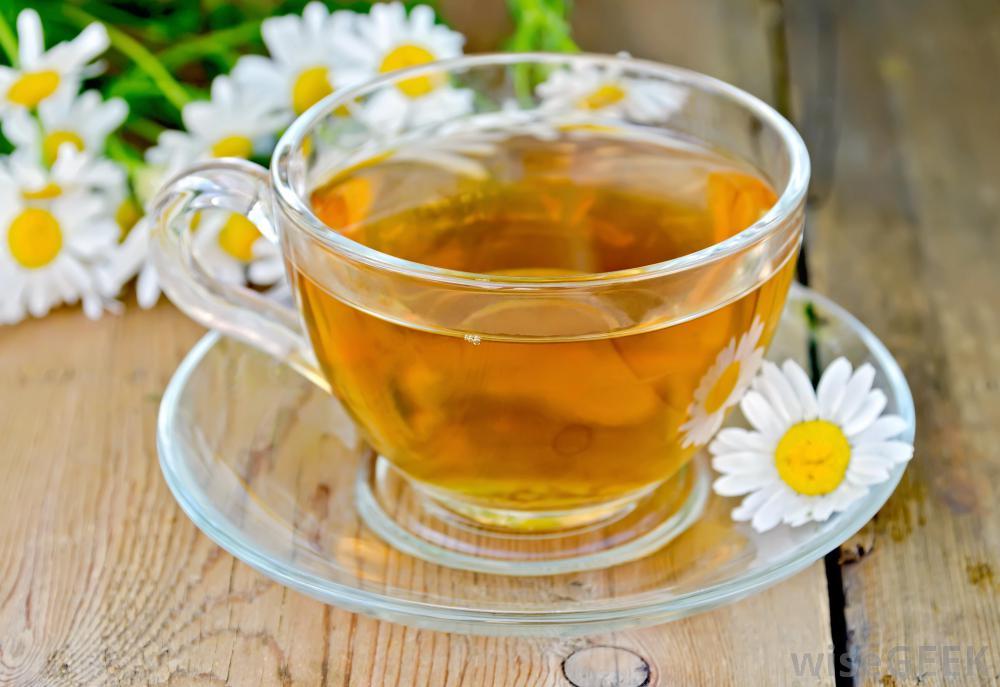
Chamomile
Chamomile is often one of the first options people think of when they want something mild.
- Taste profile: soft, floral, slightly sweet
- Drinking experience: light and calming
- Why people choose it: it feels gentle and not overpowering
Its subtle flavor makes it easy to sip slowly, even when you don’t feel like drinking much.
Ginger
Ginger tea is a classic in many households, especially as a homemade drink.
- Taste profile: warm, slightly spicy, earthy
- Drinking experience: more noticeable warmth compared to other herbs
- Why people choose it: familiar, simple, and easy to prepare from fresh ingredients
In Indonesia, warm ginger drinks are often part of daily habits, not just reserved for rest days.
Peppermint
Peppermint offers a different kind of experience compared to floral or spicy teas.
- Taste profile: fresh, cool, slightly sweet
- Drinking experience: light with a refreshing sensation
- Why people choose it: it feels clean and easy on the palate
Even though it has a cooling note, it’s still commonly enjoyed warm.
Lemongrass
Lemongrass, or serai, is widely used across Southeast Asia.
- Taste profile: light citrus, slightly herbal
- Drinking experience: smooth and aromatic
- Why people choose it: refreshing but still gentle
It’s often prepared simply by simmering stalks in water, making it very accessible.
Fruit-Based Herbal Teas
Fruit-based herbal teas are popular for those who prefer a naturally sweeter taste.
- Taste profile: slightly sweet, fruity, sometimes tangy
- Common blends: peach, apple, berry, hibiscus
- Why people choose it: easier to drink for those who don’t enjoy herbal or earthy flavors
These blends can feel a bit more “flavorful” while still remaining light enough for casual sipping.
Across all these options, the key idea is the same:
choose something that feels easy, pleasant, and not too strong. The goal isn’t variety for the sake of it, but comfort that encourages you to keep drinking throughout the day.
What Makes a Good Herbal Tea for This Situation
Not all herbal teas feel the same when you’re resting with a fever. Some can feel too strong, too sharp, or simply not pleasant to drink. That’s why choosing the right kind of herbal tea is less about trends and more about how it feels in the moment.
A good herbal tea in this situation is one that supports comfort, encourages regular sipping, and fits naturally into a slow, restful routine.
Gentle flavor
The first thing most people notice is taste. When you’re not feeling your best, strong or intense flavors can be overwhelming.
A good choice is:
- Mild and balanced
- Not too bitter or sharp
- Easy to enjoy without effort
Flavors like soft floral notes, light citrus, or subtle fruitiness tend to work well. The goal is to make each sip feel easy, not something you have to push yourself to finish.
Caffeine free
Herbal teas are widely appreciated because they are naturally caffeine free. This makes them more suitable for times when rest is the priority.
Without caffeine:
- The drink feels lighter on the body
- It fits better into a calm, low-energy routine
- You can enjoy it at any time of day without thinking about timing
This simplicity is part of what makes herbal tea such a common choice.
Easy to prepare
During rest days, complicated preparation is the last thing most people want.
A good herbal tea should be:
- Quick to make
- Made with minimal ingredients
- Easy to repeat throughout the day
Even something as simple as steeping dried herbs or adding slices of fresh ingredients to hot water can be enough. The easier it is to prepare, the more likely you are to keep drinking regularly.
Smooth texture
Texture is often overlooked, but it matters more than people realize.
A comfortable herbal tea should feel:
- Light, not heavy
- Smooth on the throat
- Easy to sip in small amounts
Drinks that are too thick, overly sweet, or heavily spiced can feel tiring after a few sips. A lighter texture helps you keep a steady rhythm of drinking without discomfort.
When you combine all these qualities—gentle flavor, no caffeine, simple preparation, and smooth texture—you get a drink that fits naturally into a rest-focused day. It doesn’t demand attention; it simply supports a calm and steady routine.
How to Prepare Herbal Tea
Preparing herbal tea doesn’t need to be complicated. In fact, the simpler the process, the easier it is to make it part of your routine throughout the day. Whether you’re using dried herbs, tea bags, or fresh ingredients, the goal is to create a drink that feels light, warm, and easy to enjoy.
Basic hot brewing
The most common way to prepare herbal tea is by steeping it in hot water. This method works for almost all types of herbal ingredients.
Simple steps:
- Heat water until it is hot but not aggressively boiling
- Place your herbal tea (dried herbs, tea bag, or fresh slices) in a cup
- Pour the hot water over it
- Let it steep for about 5 to 7 minutes
- Remove the herbs or tea bag, then let it cool slightly before drinking
This method keeps everything straightforward while allowing the flavor to come through gently.
Adjusting strength
Not everyone enjoys the same intensity, especially during rest days.
You can easily adjust your tea by:
- Using less herbs for a lighter taste
- Shortening the steeping time for a milder flavor
- Adding more water if the tea feels too strong
A lighter brew is often more comfortable, making it easier to sip regularly without feeling overwhelmed.
Serving temperature
Temperature plays a bigger role than many people expect.
- Warm is usually preferred
- Avoid drinking when it’s too hot
- Let the tea sit briefly until it reaches a comfortable level
A warm cup can feel soothing, while overly hot drinks may feel harsh and difficult to sip slowly.
In the end, preparing herbal tea is less about precision and more about comfort and ease. A simple cup, warm water, and a few minutes of steeping are often all you need to create a drink that fits naturally into a quiet, restful day.
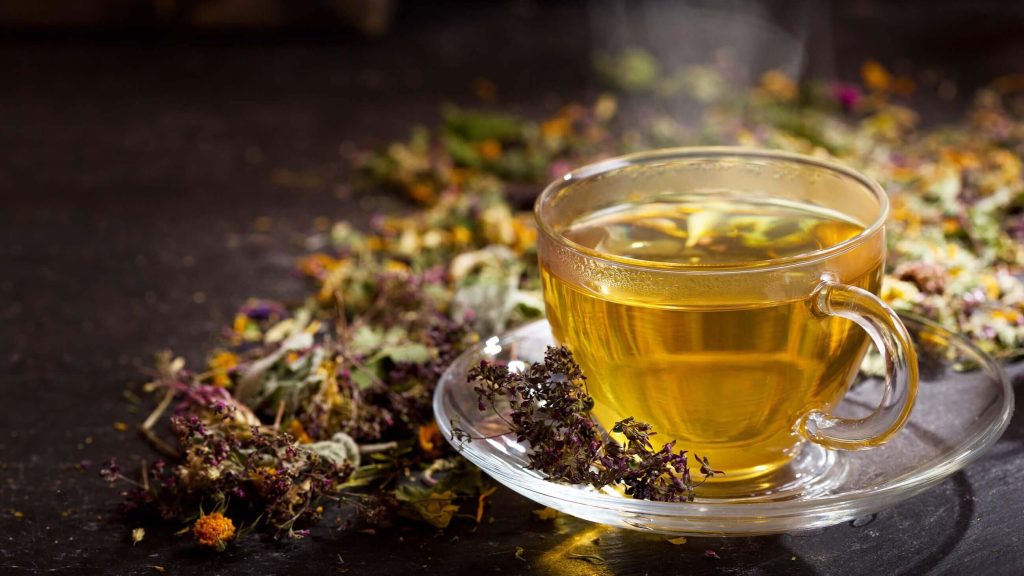
Best Serving Tips
Once your herbal tea is ready, the way you drink it can make a noticeable difference in how comfortable it feels. This isn’t about strict rules—it’s about creating a simple, calming rhythm that fits naturally into a rest day.
Drink slowly
Instead of finishing your tea quickly, try to take small, steady sips.
- Sip little by little rather than all at once
- Pause between sips
- Let the warmth settle gradually
This slower pace often feels more comfortable and helps you stay hydrated without effort.
Keep it simple
When it comes to additions, less is usually better.
- Avoid heavy sweeteners or thick ingredients
- Skip overly rich mixes
- Keep the flavor light and clean
A simple cup of herbal tea is often easier to drink repeatedly throughout the day. The goal is to reduce anything that might feel heavy or overwhelming.
Pair with rest
Herbal tea fits best when it becomes part of a quiet routine.
- Keep a cup nearby while resting
- Take a few sips between naps or breaks
- Let it be part of a calm environment
Rather than treating it as a one-time drink, think of herbal tea as something you return to throughout the day. This gentle habit can make hydration feel more natural and less like a task.
These small habits—slow sipping, simple preparation, and pairing with rest—help turn herbal tea into more than just a drink. It becomes part of a steady, comforting routine that supports how you feel during the day.
Herbal Teas to Avoid or Limit
Not every herbal tea feels pleasant when you’re dealing with a fever. Some blends may be too strong, too heavy, or simply uncomfortable to drink when your appetite and energy are low.
Choosing what not to drink can be just as helpful as choosing what to enjoy. The idea is to keep everything light, smooth, and easy to sip.
Very strong or bitter blends
Herbal teas that are too concentrated or naturally bitter can feel overwhelming.
- Strong flavors may be hard to tolerate
- Bitter notes can linger and reduce the desire to keep drinking
- Over-steeped tea can feel heavier than intended
If a tea tastes too intense, it’s often better to dilute it or switch to a milder option. The goal is to encourage regular sipping, not discourage it.
Highly caffeinated teas
While not technically herbal, some people still reach for traditional teas like black or strong green tea.
- These contain caffeine
- They may not fit well with a rest-focused routine
- The taste can be more astringent compared to herbal infusions
During rest days, many people prefer caffeine-free options that feel lighter and more calming.
Overly sweetened drinks
Adding too much sugar or sweetener can change the entire drinking experience.
- Drinks may feel thick or heavy
- Sweetness can become overwhelming after a few sips
- It may reduce how often you feel like drinking
A lightly flavored tea is usually easier to return to throughout the day compared to something overly sweet.
In general, the best approach is to keep things balanced and gentle. If a drink feels too strong, too stimulating, or too rich, it’s likely not the best fit for a calm, hydration-focused routine.
Common Questions
When people explore herbal tea during a fever, a few practical questions often come up. These are usually about how herbal tea fits into daily habits rather than anything complicated.
Can herbal tea replace water?
Herbal tea can be part of your daily fluid intake, but it’s best seen as a complement to water, not a replacement.
- Water remains the most neutral and essential drink
- Herbal tea adds variety and flavor
- Both can be used together throughout the day
Switching between plain water and herbal tea can make hydration feel less repetitive while still keeping things simple.
Can herbal tea be consumed daily?
Yes, herbal tea is generally enjoyed as part of a daily routine, even outside of rest days.
- Many people drink it regularly for its light and caffeine-free nature
- It can be included in morning, afternoon, or evening routines
- The key is choosing blends that feel comfortable and not too strong
Because of its gentle character, herbal tea fits naturally into everyday habits without needing special preparation.
Should herbal tea be hot or cold?
While herbal tea flower can be enjoyed in different ways, warm is the most commonly preferred option during rest days.
- Warm tea feels more soothing and relaxing
- It’s often easier to sip slowly
- Extremely hot temperatures are usually avoided
Some people may let their tea cool to a lukewarm level before drinking, which can feel more comfortable than very hot or very cold options.
These simple answers all point to the same idea: herbal tea is flexible. It doesn’t need strict rules—just a focus on comfort, ease, and a steady routine.
Final Take
When you’re having a fever, the small things—like what you choose to drink—can shape how comfortable your day feels. There’s no need for anything complicated. Simple, warm, and gentle options are often the most practical.
Wrap up
Herbal tea stands out as a comfort-focused drink that fits naturally into rest days. It’s:
- Caffeine free and easy to enjoy at any time
- Light in flavor, making it easier to sip regularly
- Simple to prepare with minimal effort
More importantly, it supports a steady routine. A warm cup within reach, small sips throughout the day, and a calm environment can make hydration feel effortless rather than forced.
Herbal tea doesn’t replace water, and it doesn’t need to. Instead, it works alongside it—adding variety, warmth, and a sense of ease. The gentle flavors can encourage more frequent drinking, which helps maintain fluid intake during times when you may not feel like eating or drinking much.
In the end, herbal tea is not about strong effects or bold flavors. It’s about creating a soft, consistent rhythm—one that feels manageable, comforting, and easy to return to throughout the day.