Introduction
Clear definition
Peach herbal tea is best understood as a herbal infusion, sometimes called a fruit tisane. This means it is not made from the leaves of Camellia sinensis (the plant used for black, green, or oolong tea), but instead from a mix of dried fruits, flowers, peels, and other botanicals.
In most cases, what people call peach herbal tea is not simply dried peach on its own. Instead, it is a carefully blended fruit infusion designed to capture the recognizable aroma and taste of peach while staying balanced and enjoyable in a cup. These blends are widely available in loose form or as peach tea bags, and they are commonly marketed as:
- Fruity and aromatic
- Suitable for both hot and iced preparation
- Naturally caffeine free
Because the base ingredients are botanical rather than traditional tea leaves, many peach herbal teas fall into the category of caffeine free beverages, making them a popular choice for relaxed, everyday drinking.
It is also helpful to set expectations early: when you see the term peach herbal tea, it usually refers to a peach-flavored botanical blend, not a single-ingredient infusion made only from peach fruit. The flavor you experience in the cup often comes from a combination of peach pieces, complementary fruits, and natural aroma compounds working together.
Peach herbal tea versus peach black tea
One common point of confusion is the difference between peach herbal tea and peach-flavored black or green tea. While they may sound similar, they are quite different in composition and experience.
Here is a simple way to distinguish them:
Base ingredient
- Peach herbal tea: Dried fruits, flowers, and botanicals
- Peach black tea: Black or green tea leaves blended with peach flavor
Caffeine content
- Peach herbal tea: Typically caffeine free
- Peach black tea: Naturally contains caffeine
Flavor profile
- Peach herbal tea: Fruity, sometimes tangy or floral, often lighter and more refreshing
- Peach black tea: Deeper, more robust, with a tea-like body underneath the peach notes
Serving style
- Peach herbal tea: Popular both hot and iced, especially as a summer tea
- Peach black tea: Often enjoyed hot, but also used for iced tea with a stronger base
Many people searching for peach herbal tea are specifically looking for a non–Camellia sinensis option, meaning they want the peach flavor without the intensity or caffeine of traditional tea. That is why understanding this distinction early helps set the right expectations before exploring flavor, ingredients, and preparation.
What Does Peach Herbal Tea Taste Like
Core flavor profile
Peach herbal tea is often described as fruity, aromatic, and softly sweet, with a character that can shift depending on how the blend is built. At its core, the experience is less about sharp intensity and more about a rounded, inviting cup that feels easy to drink.
In many blends, you will notice a combination of these sensory elements:
- Sweet aroma – reminiscent of ripe peach, often the first thing you notice
- Fruity body – a gentle, orchard-like taste that may remind you of peach, apple, or stone fruit
- Light floral notes – subtle softness, especially when flowers like chamomile or petals are included
- Tangy or tart edge – common when hibiscus or rose hips are part of the blend
- Bright citrus lift – a hint of freshness from orange or lemon peel
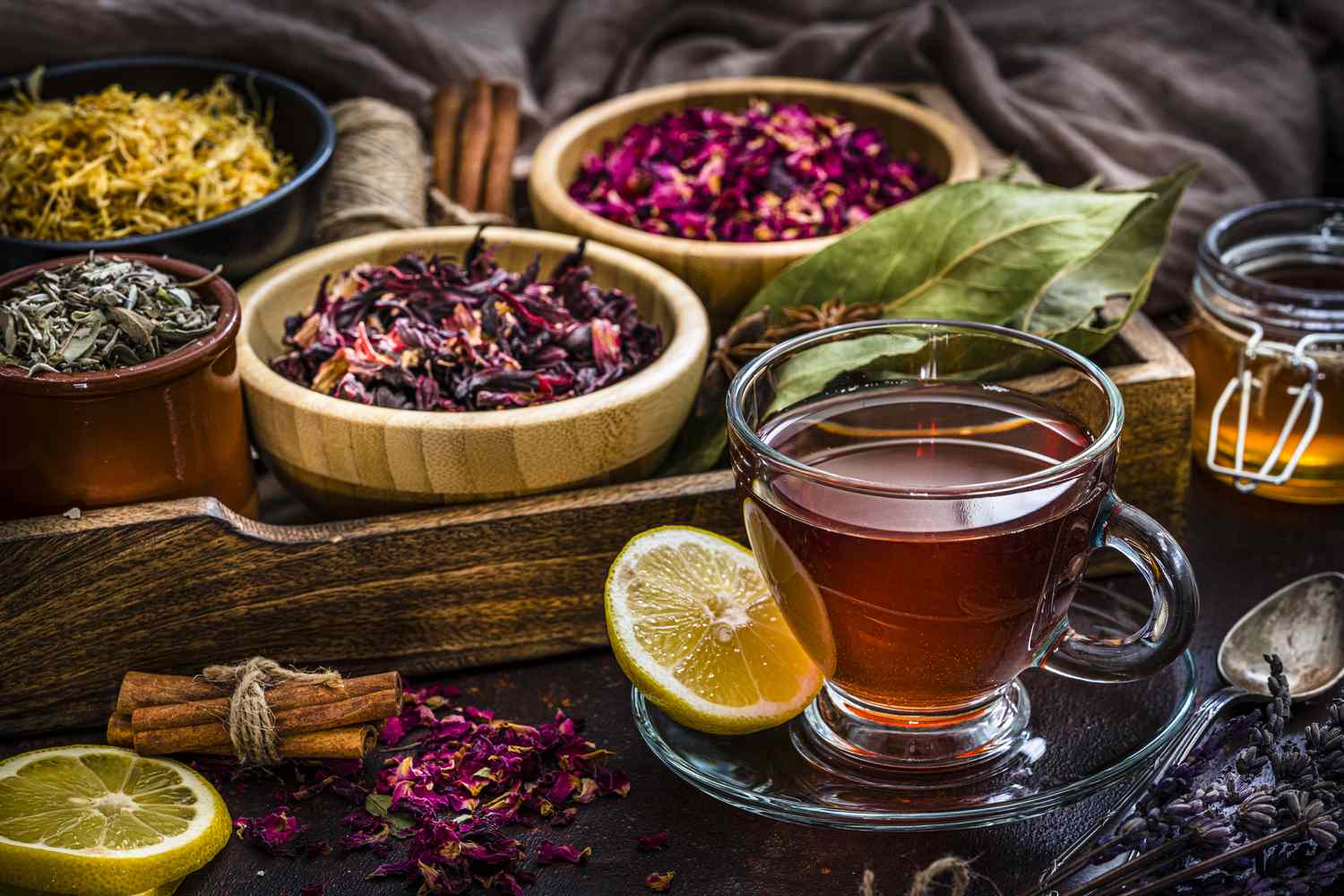
The final cup can vary quite a bit. Some peach herbal teas lean toward a soft and mellow sweetness, while others are more vibrant and tangy, especially those with a deep ruby color from hibiscus.
This variation is not accidental. Many commercial blends combine ingredients like hibiscus, rose hips, apple pieces, and orange peel to create a balanced flavor that feels both refreshing and complete. The peach note acts as the identity, while the other botanicals shape how it is experienced.
Expert sensory explanation
To understand why peach herbal tea tastes the way it does, it helps to look briefly at aroma chemistry, explained in simple terms.
The recognizable scent of peach comes from a group of natural aroma compounds known as volatile compounds. These include:
- Lactones
- Esters
- Aldehydes
- Alcohols
Among these, one compound is often highlighted: γ-decalactone. It is widely associated with the classic peach-like aroma—soft, sweet, slightly creamy, and distinctly fruity.
However, there is an important detail. When peach is dried, its aroma can become lighter and less expressive compared to fresh fruit. This is why many peach herbal tea blends do not rely on dried peach alone.
Instead, formulators build a more complete sensory profile by combining:
- Hibiscus for brightness and tart depth
- Rose hips for a tangy fruit base
- Apple pieces to round out sweetness
- Citrus peels to lift the aroma
- Natural flavor to reinforce the peach identity
This approach helps recreate what you might call the “aroma fingerprint” of peach—a balance of sweetness, fruitiness, and gentle floral notes that feels familiar and satisfying.
In other words, the taste of peach herbal tea is not just about peach itself. It is the result of careful layering, where different botanicals support each other to deliver a fuller, more expressive cup.
Common Ingredients in Peach Herbal Tea
Core ingredients found in current blends
Peach herbal tea blends are rarely built from a single ingredient. Instead, they follow a layered botanical structure, where each component plays a specific role in shaping flavor, aroma, color, and overall balance.
Below are some of the most common ingredients you will find in peach herbal tea, along with their typical function in the blend:
- Peach pieces (dried peach)
Provide the identity of the tea, contributing a soft fruit note and subtle sweetness - Rose hips
Add a tangy, slightly tart fruit body and help build depth in the cup - Hibiscus
Brings a bright tartness and a rich ruby-red color, often defining the visual appearance - Orange peel
Lifts the aroma with a light citrus brightness and adds a refreshing top note - Apple pieces
Round out the flavor with gentle natural sweetness and a fuller mouthfeel - Lemon peel
Enhances freshness and adds a crisp, slightly zesty edge - Chamomile
Introduces soft floral notes and a calming, mellow layer in some blends - Chicory root
Contributes body and a mild roasted depth, sometimes used to anchor the blend - Safflower petals
Mainly visual, adding color contrast and a delicate floral nuance - Spices (such as cinnamon or ginger in some variations)
Add warmth and complexity, especially in blends designed for hot serving - Natural flavor
Helps reinforce and stabilize the peach aroma, especially when dried fruit alone is not enough
Each ingredient may seem simple on its own, but together they form a fruit tea blend that feels complete and balanced in both aroma and taste.
Why these ingredients are blended together
The structure of peach herbal tea is not random. It reflects a deliberate attempt to recreate a well-rounded peach experience using dried botanicals, which naturally behave differently from fresh fruit.
Here is how the blending logic typically works:
- Hibiscus for tartness and color
It gives the infusion a lively, slightly sharp edge and a deep red hue that many people associate with fruit teas - Rose hips for fruit depth
They act as a bridge between tart and sweet, adding a fuller, more layered fruit character - Orange peel for brightness
A small amount can make the aroma feel fresher and more lifted, preventing the blend from feeling flat - Apple pieces for sweetness and body
They help soften sharper elements and create a smoother drinking experience - Peach pieces and flavor for identity
These define the theme of the blend, ensuring the cup clearly reads as “peach” - Optional florals like chamomile for softness
These round out the edges and add a gentle, comforting dimension
This kind of formulation is what gives peach herbal tea its balanced personality. Without these supporting ingredients, the result might feel too sharp, too flat, or lacking in recognizable peach character.
From a broader perspective, this blending approach reflects how modern herbal infusions are crafted: not just to include ingredients, but to build harmony between aroma, taste, and visual appeal.
Is Peach Herbal Tea Caffeine Free
Straight answer
In most cases, yes—peach herbal tea is naturally caffeine free.
This is because it is typically made from a blend of dried fruits, herbal flowers, and botanical ingredients, rather than traditional tea leaves. Since it does not come from Camellia sinensis, it falls into the category of a herbal infusion or fruit tisane, which generally contains no caffeine.
However, there is one important distinction to keep in mind.
Some products labeled as “peach tea” are actually made with black or green tea leaves and then flavored with peach. These versions do contain caffeine, even though they share a similar name and aroma.
How to tell from the label
If you want to choose a caffeine free option, a quick look at the packaging or ingredient list can help. Here are a few simple cues:
- Look for terms like herbal infusion, fruit tea, or tisane
- Check that the ingredients list includes fruits, flowers, peels, or herbs
- Make sure there is no mention of black tea, green tea, or Camellia sinensis
If the blend is built entirely from botanicals such as peach pieces, hibiscus, rose hips, apple, or citrus peel, it is usually safe to assume it is caffeine free by nature.
This is one of the reasons peach herbal tea is often chosen for evening cups, relaxed routines, or casual hydration throughout the day. It offers a flavorful experience without the stronger characteristics associated with traditional tea.
How to Brew Peach Herbal Tea
Standard hot brew
Brewing peach herbal tea hot is the most common method and a good starting point if you want to understand the blend’s full character. Because these teas are made from dried fruits and botanicals, they usually benefit from hotter water and a slightly longer steep compared to delicate leaf teas.
Here is a simple approach you can follow:
- Water temperature: Use near-boiling water
- Steeping time: Around 5 minutes is a common starting point
- Tea amount: Follow the package suggestion or adjust to taste
As the tea steeps, you may notice a few changes:
- The color deepens, especially if hibiscus is present
- The aroma becomes more expressive, releasing fruity and citrus notes
- The flavor builds over time, often becoming slightly more tart with longer steeping
If you prefer a softer, less tangy cup, you can shorten the steep slightly. If you enjoy a brighter, more intense fruit profile, letting it sit a bit longer can bring that out.
Iced peach herbal tea method
Peach herbal tea is widely enjoyed as an iced drink, especially because of its fruity and refreshing profile. Many blends are designed to work just as well cold as they do hot.
To prepare iced peach herbal tea:
- Brew it double strength using hot water
- Let it steep for about 5–7 minutes
- Pour the tea over a glass filled with ice
For extra flavor and presentation, you can add:
- Fresh peach slices
- A sprig of mint
- A strip of citrus peel
This method keeps the drink flavorful even after the ice melts, making it a popular choice for summer tea or casual gatherings.
Cold brew variation
If you prefer a gentler and smoother profile, cold brewing is another option worth exploring. This method extracts flavor more slowly and can highlight different aspects of the blend.
Here is how to do it:
- Add the tea blend to filtered water
- Place it in the refrigerator
- Let it steep for several hours or overnight
Cold brewing often results in:
- Softer tartness
- More delicate aroma
- A smoother, easy-drinking finish
This approach aligns well with a slower, more relaxed tea routine, where flavor develops gradually without heat. It also helps preserve some of the lighter aromatic notes that might shift during hot brewing.
How to Choose a Good Peach Herbal Tea
Ingredient transparency
When selecting a peach herbal tea, one of the most helpful starting points is ingredient clarity. A well-formulated blend usually tells you exactly what is inside, rather than relying on vague descriptions.
Here are a few simple things to look for:
- Clearly listed botanicals
Ingredients such as peach pieces, hibiscus, rose hips, or citrus peel should be easy to identify - Real fruit presence
Some blends include visible dried peach pieces, while others rely more on flavoring - Balance of ingredients
If hibiscus appears first on the list, the tea may lean more tart and deeply colored - Processing or facility notes
Some producers share details about handling, storage, or shared facilities, which can be useful context
A transparent label gives you a better sense of what kind of cup to expect before you even brew it.
Visual and aroma quality indicators
Beyond the label, the appearance and scent of the dry blend can tell you a lot about its quality.
Look for these visual and sensory cues:
- Color vibrancy
Ingredients should appear lively, not dull or faded - Intact pieces
You should be able to recognize fruit chunks, petals, or peels rather than only fine dust - Natural fragrance
The blend should have a fresh, fruity aroma without a stale or overly flat smell - Clean appearance
Minimal powder and no signs of excess moisture or clumping
These indicators often reflect how the ingredients were handled—such as shade drying, careful storage, and moisture control—all of which help preserve aroma and flavor.
Sourcing and formulation quality
A good peach herbal tea is not just about what is included, but also how it is sourced and combined.
Here are a few broader aspects to consider:
- Balanced formulation
A well-designed blend feels rounded, not overly sharp, sweet, or one-dimensional - Freshness and storage discipline
Proper drying and airtight storage help maintain the character of dried botanicals over time - Botanical sourcing
Ingredients that are thoughtfully sourced often show better consistency in aroma and appearance - Connection to local farming communities
Some herbal products highlight relationships with growers, reflecting a more grounded approach to sourcing
In regions rich in plant diversity, including parts of Indonesia such as Papua, there is a long-standing tradition of working closely with local farmers and native botanicals. While peach itself may not be a local crop in those areas, the same principles of respectful sourcing, biodiversity awareness, and careful processing can still apply to how herbal blends are created and shared.
Choosing a tea with this kind of attention behind it can make the experience feel more connected—not just to flavor, but to the broader story of how botanical ingredients are grown and prepared.
Best Times and Ways to Enjoy Peach Herbal Tea
Hot serving moments
Peach herbal tea works beautifully as a warm drink, especially when you want something fruity yet gentle. Without the intensity of traditional tea leaves, it tends to feel lighter and more relaxed.
Some common moments where a hot cup fits naturally:
- Evening wind-down
A caffeine free option that pairs well with quiet, slower routines - Light afternoon break
When you want something flavorful without feeling too heavy - Cool weather comfort
The fruity aroma feels warm and inviting, even without spices
Because of its smooth and aromatic profile, hot peach herbal tea often becomes part of a daily tea ritual, especially for those who enjoy rotating between different botanical infusions.
Iced serving moments
On warmer days, peach herbal tea easily transforms into a refreshing herbal drink. Its natural fruit character makes it especially suited for cold serving.
Here are a few occasions where iced peach herbal tea stands out:
- Summer refreshment
Served over ice, it becomes light, cooling, and easy to sip - Brunch or casual meals
A non-caffeinated option that still feels flavorful and vibrant - Picnics or outdoor gatherings
Its bright color and aroma make it visually appealing in a pitcher - Mocktail base
Can be used as a foundation for simple, fruit-forward drinks
The balance of sweet, tangy, and citrusy notes makes it adaptable without needing much adjustment.
Pairing ideas
Peach herbal tea pairs best with foods that complement its fruit-forward and lightly floral profile rather than overpower it.
You can try pairing it with:
- Fresh stone fruits
Such as peaches, nectarines, or apricots for a layered fruit experience - Citrus slices
Orange or lemon can echo the brightness already present in the tea - Mint leaves
Add a cooling contrast, especially in iced versions - Light biscuits or simple pastries
Mild textures that do not compete with the tea’s aroma - Soft floral desserts
Such as lightly flavored cakes or custards
These combinations help highlight the tea’s natural character while keeping the overall experience balanced and enjoyable.
Peach Herbal Tea FAQ
Is peach herbal tea the same as peach tea
Not always. The term peach tea is often used broadly, and it can refer to different types of drinks.
- Peach herbal tea: A caffeine free herbal infusion made from fruits, flowers, and botanicals
- Peach tea (general use): May include black or green tea leaves flavored with peach
If you are specifically looking for a non–Camellia sinensis option, it is helpful to check whether the product is labeled as a herbal infusion or fruit tea.
Does peach herbal tea contain real peach
Sometimes yes, sometimes partially.
Many blends include dried peach pieces, but it is also common to see formulations that combine:
- Real fruit pieces
- Supporting botanicals like apple, hibiscus, or rose hips
- Natural flavor to enhance the peach aroma
Checking the ingredient list is the easiest way to understand how the peach character is created in a specific blend.
Why is some peach herbal tea red
The red or ruby color you see in many peach herbal teas usually comes from hibiscus and rose hips, not from the peach itself.
These ingredients naturally produce a deep, vibrant infusion, which is why some peach teas look more like berry-colored drinks even though the flavor remains peach-forward.
Can peach herbal tea be served iced
Yes, and in many cases, it is designed for that purpose.
Peach herbal tea is commonly enjoyed:
- Hot, for a more aromatic and cozy experience
- Iced, for a refreshing and fruit-forward drink
Many modern blends are specifically marketed as suitable for both hot and iced preparation, making them quite versatile.
How should dried peach herbal tea be stored
Proper storage helps maintain both flavor and aroma over time. A few simple practices can make a noticeable difference:
- Keep it in a cool, dry place
- Use an airtight container to limit exposure to air
- Protect it from moisture and strong odors
Because dried botanicals can absorb surrounding scents, storing them carefully helps preserve the tea’s original character.
Final Take on Peach Herbal Tea
Suggested conclusion angle
Peach herbal tea can be seen as a flavor-focused botanical infusion, built around the idea of balance rather than a single dominant ingredient. Its identity comes from the interplay between peach aroma, supporting fruits, floral notes, and gentle tartness, all working together in one cup.
What makes it appealing for many people is its caffeine free nature, its flexibility as both a hot or iced drink, and the way it fits easily into a daily routine without feeling heavy or overly complex.
At the same time, the quality of the experience often depends on thoughtful details—ingredient transparency, careful drying, proper storage, and balanced formulation. These are the elements that shape how the tea looks, smells, and tastes from the moment you open the package to the final sip.
For those exploring a broader botanical lifestyle, peach herbal tea offers a simple entry point: a drink that highlights how different plant ingredients can be combined to create something aromatic, refreshing, and easy to enjoy in everyday moments.