Definition
Herbal teas for hydration are simple, plant-based drinks made by infusing herbs, fruits, flowers, or spices in water. You might also hear them called herbal infusions or tisanes. Unlike traditional tea, they are not made from the leaves of the Camellia sinensis plant (the source of green tea, black tea, and oolong).
Instead, herbal teas come from a wide variety of natural ingredients such as:
- Dried flowers like chamomile or hibiscus
- Leaves like peppermint or lemongrass
- Fruits such as apple, berries, or citrus peels
- Roots and spices like ginger
Because they do not contain tea leaves, most herbal teas are naturally caffeine free, making them a popular choice for people who want a gentle, everyday drink.
In everyday life, herbal teas are often seen as a water alternative drink—something that still contributes to fluid intake but offers more flavor and sensory enjoyment. This makes them especially appealing for people who find plain water a bit repetitive.
Why people choose herbal teas for hydration
Many people turn to herbal teas not because they are complicated, but because they are easy to enjoy and fit naturally into daily routines.
1. Flavor variety makes drinking fluids easier
One of the biggest reasons herbal teas are popular is their wide range of flavors. From fruity and slightly sweet to fresh and cooling, there is always something different to try. This variety can make it easier to stay consistent with your daily hydration habits.
For example:
- Fruit blends offer bright, juicy notes
- Floral teas feel light and aromatic
- Herbal leaves bring a clean, refreshing taste
When your drink tastes good, you are more likely to reach for it throughout the day.
2. Suitable for both hot and cold consumption
Herbal teas are flexible. You can enjoy them:
- Hot in the morning or evening
- Iced during warm afternoons
- Cold brewed for a smoother, lighter taste
This adaptability makes them suitable across different climates and personal preferences, including warm tropical environments where refreshing drinks are especially appreciated.
3. Fits easily into daily routines
Herbal teas do not require complicated preparation. A simple steep in water is enough to create a flavorful drink. Because of this, they can be integrated into everyday moments such as:
- Starting the day with a warm cup
- Taking a refreshing break in the afternoon
- Unwinding with a caffeine free drink in the evening
Over time, these small habits can naturally support a more consistent fluid intake without feeling forced.
4. A gentle alternative to caffeinated drinks
For people who want to reduce caffeine or balance their beverage choices, herbal teas provide a reliable option. Since most are caffeine free, they can be enjoyed at any time of day without affecting sleep routines or creating dependency on stimulants.
Can Herbal Teas Support Daily Hydration
Simple explanation
In everyday terms, hydration is simply about getting enough fluids throughout the day to stay refreshed and comfortable. While water is the most direct source, it is not the only way people maintain their fluid intake.
Herbal teas can play a role here because they are mostly made of water. When you prepare a cup of herbal infusion—whether it is hot, iced, or cold brewed—you are still consuming fluid in a form that is easy to enjoy.
This means:
- Herbal teas can contribute to your overall daily fluid intake
- They can be included alongside plain water and other beverages
- They offer a hydration-friendly option without caffeine in most cases
Rather than replacing water completely, herbal teas are best seen as a supporting part of your daily hydration habits. Having multiple enjoyable options often makes it easier to stay consistent.
Why flavor matters
One of the most overlooked aspects of hydration is how much taste influences behavior.
Many people know they should drink more fluids, but plain water can sometimes feel repetitive. This is where herbal teas become especially useful.
1. People tend to drink more when beverages taste good
When a drink has a pleasant flavor—whether it is fruity, floral, or refreshing—you are naturally more inclined to sip it throughout the day. This can lead to a more steady and relaxed hydration pattern.
For example:
- A slightly tart hibiscus blend can feel refreshing in the afternoon
- A mild chamomile infusion can be soothing in the evening
- A citrus or berry blend can make cold drinks more appealing
2. Variety helps build consistency
Drinking the same thing every day can become boring. Herbal teas offer a wide range of flavor profiles, which helps keep things interesting:
- Tart (hibiscus, rosehip)
- Sweet-leaning (apple, peach blends)
- Cooling (peppermint, lemongrass)
- Warm and gently spiced (ginger blends)
By rotating flavors, you create a small sense of novelty in your routine, making it easier to maintain your hydration habits over time.
3. Flavor perception changes how refreshing a drink feels
Interestingly, the combination of ingredients affects how you experience a drink:
- Tart notes can feel more thirst-quenching
- Cooling herbs can feel crisp and clean
- Light sweetness from fruit can make drinks more approachable
This doesn’t change the fluid content itself, but it can influence how satisfying the drink feels—especially in warm weather or after activity.
Best Herbal Teas for Hydration
Fruit based herbal teas
Fruit-based herbal teas are often the easiest starting point. They tend to have a naturally pleasant taste, with mild sweetness or a gentle tartness depending on the ingredients.
Popular options include:
- Peach herbal tea – soft, rounded, slightly sweet flavor
- Berry blends – can be tart, juicy, and vibrant
- Apple and citrus blends – balanced between sweet and refreshing
Flavor profile:
Fruity herbal teas are often described as:
- Lightly sweet without added sugar
- Slightly tangy or bright
- Smooth and easy to drink
Because of this, they are commonly used as hydration-friendly beverages, especially in iced form during warm days.
Floral herbal teas
Floral teas bring a lighter and more aromatic experience. They are often chosen for their gentle taste and delicate fragrance.
Common floral choices:
- Chamomile – mild, soft, slightly apple-like
- Hibiscus – bold color with a tangy, refreshing taste
- Rose-based blends – light, fragrant, subtly sweet
Flavor profile:
- Light and aromatic
- Sometimes slightly tangy (especially hibiscus)
- Smooth and calming in character
These teas work well both hot and iced, depending on your preference.
Fresh and cooling herbs
If you prefer something crisp and refreshing, herbal teas made from leafy herbs are a great option. These are often associated with a “clean” taste.
Common examples:
- Peppermint tea – cool, minty, refreshing
- Lemongrass tea – light citrus aroma with a clean finish
Flavor profile:
- Crisp and fresh
- Cooling sensation on the palate
- Very easy to drink without heaviness
These are especially popular as summer herbal drinks or after meals when you want something light.
Warm and spiced blends
For those who enjoy a bit more depth, warm and mildly spiced herbal teas offer variety without being overwhelming.
Typical ingredients:
- Ginger tea – gently warming with a mild spice
- Simple spice blends – may include cinnamon or other soft spices
Flavor profile:
- Slightly bold but still balanced
- Warm and comforting
- Adds contrast to lighter teas
These blends are often enjoyed hot, adding variety to your hydration routine, especially during cooler moments of the day.
Across all these categories, one thing stays consistent:
herbal teas offer flavor diversity that can make daily hydration feel less repetitive and more enjoyable.
By exploring different types—fruity, floral, fresh, or spiced—you can build a rotation that fits your taste and keeps you reaching for your cup throughout the day.
What Makes a Good Hydration Friendly Herbal Tea
Ingredient transparency
A good herbal tea usually starts with a clear and simple ingredient list.
Look for:
- Recognizable ingredients such as dried fruits, leaves, flowers, or roots
- Names you can easily identify (e.g., apple pieces, hibiscus petals, peppermint leaves)
- Minimal unnecessary additives
When ingredients are clearly listed, it becomes easier to understand what you are drinking and how it might taste. This also helps you explore flavor preferences more intentionally.
Flavor balance
For daily hydration, balance is key. A tea that is too strong or too artificial can make it harder to enjoy regularly.
A well-balanced herbal tea should feel:
- Smooth rather than harsh
- Light enough to sip throughout the day
- Naturally flavorful without being overwhelming
For example:
- A fruit blend should not be overly sour or overly sweet
- A mint tea should feel refreshing, not sharp
- A spiced blend should be gentle, not overpowering
When the flavor feels balanced, you are more likely to drink it consistently—which supports your overall hydration habits.
Aroma quality
Aroma is often the first sign of a good herbal tea.
Before even tasting, a quality tea should have a clean and natural smell. Depending on the ingredients, you might notice:
- Floral notes (light and soft)
- Fruity notes (bright and slightly sweet)
- Herbal notes (fresh and green)
If the aroma feels dull or overly artificial, the drinking experience may not be as enjoyable.
Visual quality
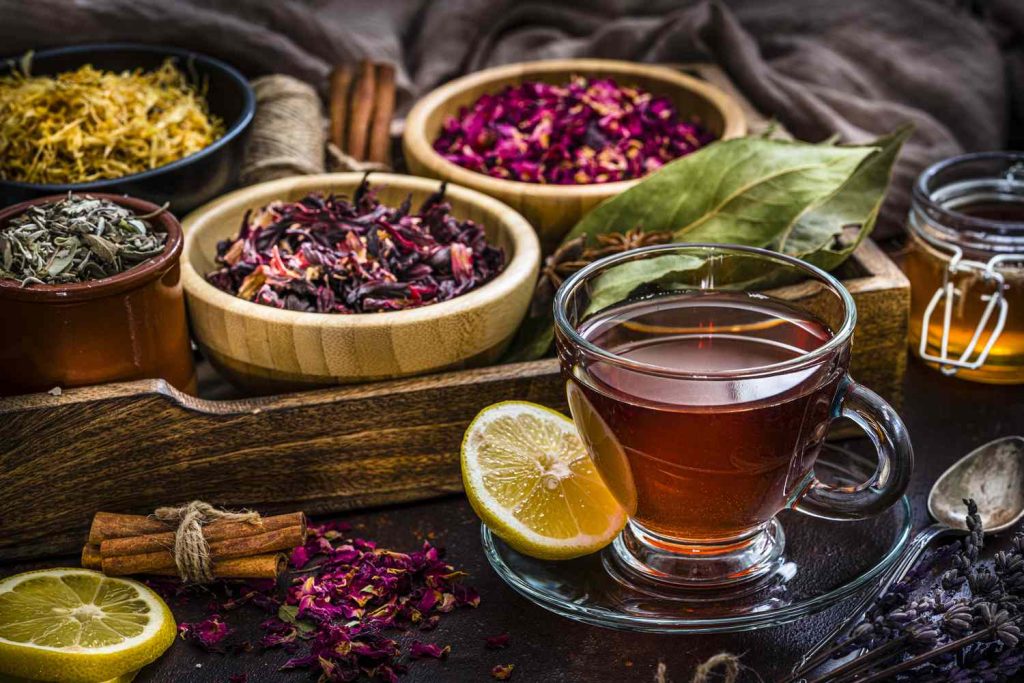
The appearance of dry herbal tea can tell you a lot about its quality.
Look for:
- Vibrant, natural colors (not faded or overly dark)
- Whole or larger pieces of herbs, fruits, or flowers
- Minimal dust or very fine particles
Teas with visible, well-preserved ingredients often provide a clearer flavor and more pleasant brewing experience.
Sourcing and processing
How herbal tea ingredients are handled after harvesting has a strong impact on flavor and freshness.
Key factors include:
- Proper drying methods – helps preserve aroma and color
- Moisture control – prevents ingredients from becoming stale or clumped
- Clean storage conditions – protects from unwanted odors or contamination
Well-handled ingredients tend to release their flavor more clearly when steeped, resulting in a more satisfying cup.
Choosing a good hydration-friendly herbal tea does not require expert knowledge. By paying attention to ingredients, balance, aroma, appearance, and handling, you can find options that are both enjoyable and easy to include in your daily routine.
How to Prepare Herbal Teas for Hydration
Hot brewing method
Hot brewing is the most traditional and widely used method. It works well for almost all types of herbal teas, from floral blends to fruit and spice infusions.
How to do it:
- Heat water until it is near boiling
- Add your herbal tea (loose leaves or tea bag) into a cup or teapot
- Pour the hot water over the ingredients
- Let it steep for about 5 to 7 minutes
- Strain if needed, then enjoy
Tips:
- If the flavor feels too strong, reduce steeping time
- If it feels too light, add more herbs or steep slightly longer
- Covering your cup while steeping can help retain aroma
Hot herbal tea is often enjoyed during quiet moments, such as in the morning or evening.
Iced herbal tea method
Iced herbal tea is a great option when you want something more refreshing, especially in warm climates. It keeps the flavor but adds a cooling sensation.
How to do it:
- Brew your herbal tea using hot water (same as above)
- Make it slightly stronger than usual (use more tea or longer steeping)
- Let it cool for a few minutes
- Pour over a glass filled with ice
Optional additions:
- Fresh fruit slices (orange, lemon, berries)
- A few mint leaves for extra freshness
This method creates a bright, refreshing drink that feels lighter and more energizing throughout the day.
Cold brew method
Cold brewing is a slower method, but it produces a smoother and softer flavor. This is especially useful for fruit-based or floral herbal teas.
How to do it:
- Add herbal tea to a jar or bottle of cold water
- Place it in the refrigerator
- Let it steep for 4 to 8 hours (or overnight)
- Strain if needed, then serve cold
Why people like this method:
- Produces a smoother, less sharp taste
- Brings out gentle fruity or floral notes
- Very convenient—just prepare and leave it overnight
Cold brew herbal tea is often described as light, clean, and easy to sip, making it a great option for all-day hydration.
Each preparation method offers a slightly different experience:
- Hot brewing highlights aroma and depth
- Iced tea enhances refreshment
- Cold brew creates a softer, smoother flavor
You can switch between these methods depending on your mood, the weather, or the type of herbal tea you are using.
Hot vs Iced Herbal Teas for Hydration
Hot tea
Hot herbal tea is often associated with calm, slow moments. The warmth helps release aroma, making the drinking experience feel more full and comforting.
Why people choose hot herbal tea:
- The aroma is more noticeable when warm
- Feels comforting during quiet routines
- Easy to prepare quickly
When it fits best:
- Morning routines
- Evening wind-down moments
- Cooler weather or indoor settings
Hot tea invites slower sipping, which can turn hydration into a more mindful habit rather than something rushed.
Iced tea
Iced herbal tea offers a completely different experience. It feels lighter, brighter, and more refreshing—especially in warm or humid environments.
Why people choose iced herbal tea:
- Cooling and refreshing sensation
- Often feels more thirst-quenching
- Easy to drink in larger amounts
When it fits best:
- Midday or afternoon
- Warm climates and sunny days
- After light activity or outdoor time
The cooler temperature can make the drink feel more refreshing, which may encourage more frequent sipping throughout the day.
Choosing based on preference
There is no need to choose only one. Both hot and iced herbal teas can be part of the same routine.
Some simple ways to approach it:
- Start your day with a warm herbal infusion
- Switch to iced or cold brew during the afternoon
- Return to a hot cup in the evening
You can also use the same tea blend in different ways:
- A berry blend as iced tea for a refreshing drink
- The same blend hot for a deeper, more aromatic experience
In the end, what matters most is consistency. Whether hot or iced, herbal teas work best for hydration when they are easy to enjoy and fit naturally into your day.
How to Include Herbal Teas in Daily Hydration Routine
Morning
The morning is a gentle place to start your hydration routine. After a night of rest, many people prefer something light and easy to drink.
Good choices for the morning:
- Light floral teas like chamomile
- Mild herbal blends with a soft aroma
- Lemongrass for a clean, fresh start
Why it works:
- Gentle flavors are easy on the palate
- Warm tea can feel comforting as you begin your day
- Helps establish an early hydration habit
You do not need anything strong here—just something that feels smooth and inviting.
Afternoon
As the day becomes more active, many people look for something more refreshing. This is where fruit-based and citrus blends can shine.
Good choices for the afternoon:
- Berry blends
- Apple and citrus infusions
- Peach herbal tea
How to enjoy it:
- Serve iced or slightly chilled
- Add fresh fruit slices for variety
Why it works:
- Fruity flavors feel more refreshing
- Cooler temperature suits warmer hours
- Encourages steady sipping throughout the day
This is often the easiest time to increase fluid intake naturally because the drink feels enjoyable.
Evening
In the evening, the focus usually shifts to something calm and simple. Since most herbal teas are naturally caffeine free, they fit comfortably into this part of the day.
Good choices for the evening:
- Chamomile or floral blends
- Light herbal infusions with soft flavors
- Mild mint or lemongrass
Why it works:
- Warm drinks can feel relaxing
- Simple flavors are easy to enjoy without overstimulation
- Helps maintain hydration without relying on sugary drinks
Keeping it light and gentle is usually the best approach at this time.
Rotation strategy
One of the simplest ways to stay consistent with herbal teas is to rotate flavors. Drinking the same blend every day can become repetitive, even if you enjoy it.
How to rotate effectively:
- Keep 2–4 different blends available
- Alternate between fruity, floral, and fresh flavors
- Switch between hot and iced preparation
Why rotation helps:
- Prevents boredom
- Keeps your routine interesting
- Encourages you to reach for your drink more often
Even small changes—like switching from a berry blend to peppermint—can make your routine feel new again.
By spreading herbal tea throughout your day—morning, afternoon, and evening—you create a natural rhythm. Over time, this rhythm can make hydration feel effortless and enjoyable rather than something you have to remember.

Storage and Freshness Tips
Proper storage
The goal of proper storage is to protect your herbal tea from air, light, heat, and moisture.
Best practices:
- Use airtight containers (glass jars, tins, or sealed pouches)
- Store in a cool and dry place
- Keep away from direct sunlight
Why this matters:
- Air exposure can reduce aroma over time
- Heat can dull delicate flavors
- Light can affect color and overall quality
A well-stored herbal tea will usually smell fresh as soon as you open the container.
Avoid moisture and odor contamination
Herbal teas are sensitive to their environment. Because they are dried, they can easily absorb moisture and nearby smells.
Things to avoid:
- Storing near the stove, sink, or humid areas
- Leaving containers open for long periods
- Keeping tea close to strong-smelling items (like spices or coffee)
Why this matters:
- Moisture can cause clumping or spoil the texture
- Strong odors can change the tea’s natural aroma
- Exposure to humidity can make the flavor feel flat
Keeping your tea in a stable, dry environment helps maintain its original character.
Shelf life awareness
Herbal teas do not last forever, but they also do not need to be rushed. Over time, the main change you will notice is a gradual loss of flavor and aroma.
Simple signs to check:
- The aroma becomes faint or dull
- Colors look faded compared to when first opened
- The brewed tea tastes weaker than expected
Practical tip:
- Try to use your herbal tea within a reasonable time after opening
- Buy in amounts that match your usage, especially if you rotate flavors
Freshness is closely tied to enjoyment. When your tea smells vibrant and tastes clear, it naturally becomes more appealing—making it easier to maintain your hydration routine.
Common Questions About Herbal Teas for Hydration
Are herbal teas better than water
Herbal teas and water serve a similar purpose when it comes to daily fluid intake, but they are not exactly the same.
A simple way to look at it:
- Water is the most direct and neutral option
- Herbal teas add flavor and variety
Herbal teas can complement water, not replace it entirely. Many people find that having both options makes it easier to stay consistent throughout the day.
Can herbal tea be consumed daily
Yes, herbal tea can be enjoyed daily as part of a balanced fluid intake.
Because most herbal teas are:
- Caffeine free
- Light and easy to prepare
- Available in many flavors
They fit naturally into everyday routines. The key is to keep things varied and enjoyable so it does not feel repetitive.
Do herbal teas contain caffeine
Most herbal teas do not contain caffeine because they are not made from tea leaves.
However, there are a few things to keep in mind:
- Pure herbal infusions (like chamomile, peppermint, or fruit blends) are typically caffeine free
- Some blends may include traditional tea leaves, which do contain caffeine
If you prefer non-caffeine drinks, checking the ingredient list is always a good habit.
Can herbal teas be served cold
Yes, herbal teas can be served cold, and this is actually very common.
You can enjoy them in several ways:
- Brew hot and pour over ice
- Chill after brewing
- Use the cold brew method for a smoother taste
Cold herbal tea is especially popular in warm weather because it feels more refreshing and easy to drink throughout the day.
These simple answers highlight an important idea: herbal teas are not complicated. They are flexible, easy to prepare, and can fit into many different lifestyles without much effort.
Final Take
Wrap up
Herbal teas offer a simple and enjoyable way to support your daily hydration routine. Made from herbs, fruits, herbal flowers, and spices, they provide a wide range of flavors without relying on traditional tea leaves or caffeine.
Throughout this guide, a few key ideas stand out:
- Herbal teas contribute to daily fluid intake and can sit comfortably alongside water
- Flavor variety encourages consistency, making it easier to drink regularly
- Different types of herbal teas—fruity, floral, fresh, or spiced—bring their own character
- Preparation methods like hot brewing, iced tea, and cold brew allow flexibility
- Quality and storage play an important role in maintaining taste and freshness
What makes herbal teas especially practical is how easily they fit into everyday life. A warm cup in the morning, a refreshing iced blend in the afternoon, or a light infusion in the evening can naturally create a rhythm around hydration.
There is no single “best” tea for everyone. The most effective approach is to explore different flavors, adjust how you prepare them, and find what you genuinely enjoy drinking.
In the end, herbal teas are not about replacing water or following strict routines. They are about making hydration feel more natural, varied, and enjoyable—one cup at a time.