Introduction
Over the past few years, the world has grown more aware of how vital a strong immune system truly is. The global health challenges following the pandemic reminded many people that prevention begins from within. This awareness has sparked a growing interest in lifestyle habits, functional nutrition, and natural supplements that can help the body stay resilient against everyday stressors and infections.
In this context, immune active supplements have emerged as one of the most talked-about categories in modern wellness. Unlike regular multivitamins, these formulations are specifically designed to support and regulate immune performance at a cellular level. They work by supplying essential nutrients—such as vitamins, minerals, and phytonutrients—that assist in the body’s defense mechanisms, helping immune cells respond effectively when needed.
The demand for these supplements is also being shaped by a shift in consumer preference. Many people now seek natural, plant-based solutions with verifiable bioactive compounds. Ingredients like curcumin from turmeric, echinacea extract, and Papua red fruit oil (Pandanus conoideus) are gaining recognition for their scientifically studied potential to balance and strengthen immune responses.
At its core, an immune active supplement isn’t just a “booster.” It’s a targeted nutritional approach that helps the immune system maintain harmony—strong enough to protect, yet balanced enough to avoid overreaction. This blend of modern science and traditional herbal wisdom reflects a deeper understanding of how the human body defends itself, and how nature provides the tools to support it.
How the Immune System Works
The immune system functions as the body’s natural defense network—an intricate collaboration of cells, tissues, and signaling molecules working tirelessly to recognize and eliminate potential threats. From the moment bacteria, viruses, or toxins enter the body, this system coordinates a rapid, highly organized response to keep us protected.
At its foundation, immunity operates through two interconnected layers:
- Innate immunity, the body’s first line of defense, acts swiftly and non-specifically. It includes physical barriers such as the skin and mucous membranes, along with internal defenders like macrophages, natural killer (NK) cells, and neutrophils. These cells identify invaders based on general danger signals and destroy them before they can spread.
- Adaptive immunity, on the other hand, is more specialized. It involves T-cells and B-cells, which recognize specific antigens and develop memory of them. Once trained, these cells can respond more efficiently when encountering the same pathogen again, forming the basis of long-term immune protection.
Nutrition plays a central role in both layers. The body relies on a constant supply of vitamins, minerals, and antioxidants to keep immune cells functioning optimally. For example, vitamin C supports white blood cell activity, zinc contributes to the formation of new immune cells, and vitamin E shields these cells from oxidative stress. When these nutrients are lacking, the immune system becomes sluggish, making it harder to fend off infections.
Antioxidants also deserve special mention because they help maintain the balance between free radicals and the body’s defense enzymes. When oxidative stress overwhelms this balance, immune cells may become damaged or less responsive. Hence, a diet or supplement regimen rich in antioxidants helps sustain immune efficiency and resilience over time.
Factors That Weaken Immunity
A strong immune system relies on daily nourishment and balance, yet modern living often disrupts these essentials. Several interconnected factors can gradually wear down the body’s defenses, leaving it more susceptible to fatigue, infection, and chronic inflammation. Understanding these influences is the first step toward restoring immune strength naturally.
1. Chronic Stress and Lack of Rest
Emotional and physical stress elevate cortisol levels—a hormone that, when persistently high, suppresses immune cell activity. Over time, this dampens the body’s ability to respond to pathogens effectively. Irregular sleep patterns intensify the problem, reducing the production of cytokines, proteins that coordinate immune communication during rest.
2. Nutrient Deficiencies
The immune system cannot perform well without its building blocks. Insufficient intake of key nutrients such as vitamins A, C, D, and E, as well as zinc, weakens cellular repair and antibody production. These deficiencies are common in processed diets lacking in fresh fruits, vegetables, and whole foods, causing immune functions to slow down or misfire.
3. Environmental Pollution and Oxidative Stress
Airborne toxins, cigarette smoke, and industrial pollutants introduce free radicals into the body. These unstable molecules damage cell membranes and DNA, triggering a cycle of oxidative stress. When the antioxidant defense system becomes overwhelmed, immune cells lose vitality, and inflammation spreads silently through tissues.
4. Aging and Inflammaging
As we grow older, the immune system undergoes natural changes. The number of naïve T-cells declines, while inflammatory mediators increase—a phenomenon often referred to as “inflammaging.” This chronic, low-grade inflammation accelerates tissue wear and slows healing, making older adults more vulnerable to infections and degenerative conditions.
Everyday stressors may seem minor individually, but together they can erode immune capacity. Replenishing nutrients, ensuring adequate rest, and minimizing exposure to toxins are foundational steps toward restoring balance.
What Makes a Supplement “Immune Active”?
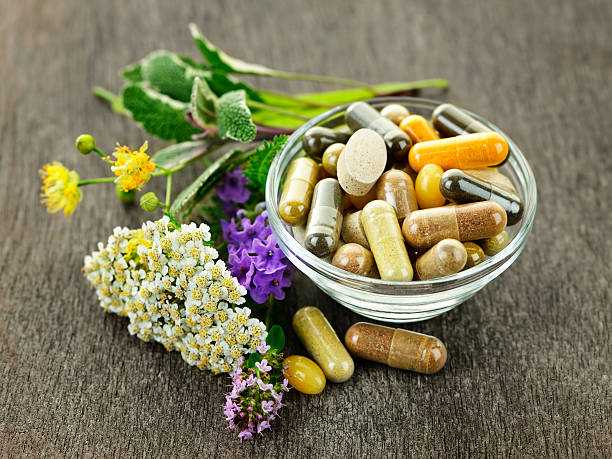
Not every supplement designed for health automatically supports immune function. The term “immune active” refers to formulations specifically created to influence immune activity through targeted biological mechanisms. These products do more than just fill nutritional gaps—they interact with immune pathways to help the body maintain optimal vigilance and balance.
At their core, immune active supplements contain functional ingredients that:
- Encourage the formation and activity of immune cells such as lymphocytes and macrophages.
- Guard cells against oxidative stress by neutralizing free radicals.
- Regulate cytokine responses to prevent excessive inflammation or immune overreaction.
Depending on their composition, these supplements can be grouped into three broad categories:
- Vitamin-based formulas, often containing vitamins C, D, and E, known for enhancing immune cell resilience and tissue repair.
- Mineral-based blends, featuring zinc and selenium, which support DNA synthesis, enzyme function, and the maturation of immune cells.
- Plant or herbal-based products, derived from natural sources such as Papua red fruit (Pandanus conoideus), turmeric, or spirulina, which combine antioxidants and phytonutrients for broader immune modulation.
The mechanisms behind these ingredients are both complementary and multifaceted. Some compounds act as free radical scavengers, shielding immune cells from oxidative damage. Others influence signaling pathways, helping to control inflammatory markers like TNF-α or IL-6. Certain bioactives even stimulate antibody formation, strengthening the body’s long-term defense memory.
A truly effective immune active supplement therefore works on multiple fronts—protecting, regulating, and supporting immune responses in harmony. This balanced approach prevents overstimulation while ensuring the body is ready to respond when challenges arise.
Key Ingredients in Immune Active Supplements
Every immune active supplement draws its power from carefully chosen ingredients that support distinct yet interconnected aspects of immune health. These nutrients work in synergy—some protecting cells from oxidative harm, others driving the production of antibodies or immune-signaling molecules. Understanding each key ingredient helps clarify how these formulations truly make a difference.
Vitamin C
Vitamin C, or ascorbic acid, is perhaps the most recognized immune-supporting nutrient. It assists in the production and activation of white blood cells, the body’s primary defenders against infection. Beyond that, it contributes to collagen synthesis, maintaining the integrity of skin and mucous barriers—our first lines of defense against pathogens.
This vitamin also functions as a potent antioxidant, neutralizing free radicals generated during immune responses. Because it’s water-soluble, the body cannot store large amounts, making regular intake from fruits like guava, oranges, and kiwi or through supplements essential for maintaining protection.
Vitamin E (α-tocopherol)
Vitamin E plays a different yet equally vital role. As a fat-soluble antioxidant, it embeds within cell membranes, shielding them from lipid peroxidation. This action preserves the structural stability of immune cells, particularly T-cells, allowing them to recognize and combat invading pathogens effectively.
Its biological form, α-tocopherol, is especially efficient in maintaining immune performance by reducing oxidative damage in lipid-rich tissues. Adequate levels of this vitamin have been linked to improved antibody production and reduced inflammatory responses, underscoring its role in long-term immune vitality.
Beta-Carotene and Vitamin A
Beta-carotene, a plant pigment found in brightly colored fruits and vegetables, serves as a precursor to vitamin A (retinol). Once converted, it contributes to the formation of mucosal barriers lining the respiratory and digestive tracts—critical zones where pathogens first attempt entry.
Vitamin A also supports immune surveillance, the process by which immune cells detect abnormal or infected cells. Insufficient intake can impair this mechanism, weakening the body’s initial response. Foods such as carrots, sweet potatoes, and red fruit oil provide rich natural sources of beta-carotene, offering protection at the cellular level.
Zinc and Selenium
These two trace minerals often appear together in immune-focused supplements because of their synergistic functions. Zinc is necessary for the development and activation of lymphocytes, while selenium acts as a cofactor in antioxidant enzymes like glutathione peroxidase, which shields immune tissues from oxidative stress.
Their combined presence supports DNA synthesis, accelerates tissue repair, and maintains the stability of immune cell membranes. Diets rich in nuts, seeds, seafood, and whole grains naturally provide these minerals, but supplementation can be beneficial for those with increased physiological demands or dietary restrictions.
Each of these ingredients contributes a unique mechanism that, when combined, creates a well-rounded defense system. Yet among natural immune modulators, one stands out for its rare concentration of antioxidants and bioactives—Papua red fruit, a remarkable botanical source that bridges traditional wisdom and modern science.
Papua Red Fruit – Nature’s Secret Immune Active Ingredient
Among the many natural sources of immune-enhancing nutrients, few are as distinctive as Papua red fruit (Pandanus conoideus Lam). This tropical fruit, native to the highlands of Papua, Indonesia, has been used for generations as both food and traditional medicine. Known locally as buah merah or kuansu, it stands out for its deep crimson hue—a sign of its extraordinary richness in carotenoids and other antioxidants that protect the body from cellular stress.
What Is Papua Red Fruit?
Papua red fruit grows abundantly in the fertile volcanic soils of Papua and Papua New Guinea. The fruit has a long, cylindrical shape with a striking red outer layer and oily flesh inside. Traditionally, locals consume its oil during festivals or as a daily tonic believed to improve stamina, endurance, and overall vitality.
The oil extracted from this fruit has drawn scientific interest for its nutrient density. It contains natural forms of β-carotene, α-tocopherol (vitamin E), and unsaturated fatty acids, all of which are vital for immune balance. In recent years, researchers have started to recognize red fruit oil as a functional food supplement, capable of supporting immune resilience through multiple pathways.
Bioactive Compounds That Support Immunity
The unique potency of Papua red fruit comes from its complex blend of bioactive molecules that work in harmony:
- β-carotene acts as a provitamin A, supporting epithelial tissues that form the body’s first line of defense while also enhancing immune cell communication.
- α-tocopherol (vitamin E) helps preserve the structure of immune membranes, preventing oxidative injury and maintaining T-cell responsiveness.
- Oleic and linoleic acids deliver mild anti-inflammatory effects, contributing to smoother immune regulation and reduced cytokine overproduction.
- Phenolic compounds and carotenoid synergy create a powerful antioxidant network, neutralizing free radicals that would otherwise weaken immune responses.
This natural combination is rare—few single plants contain such a balanced mixture of lipid-soluble antioxidants and essential fatty acids in one source.
Scientific Studies on Immune Effects
Several Indonesian researchers have explored the physiological effects of Papua red fruit oil. Sarungallo et al. (2015) observed that supplementation increased the activity of antioxidant enzymes such as superoxide dismutase (SOD) and catalase, both crucial for defending cells against oxidative stress. More recently, Lestari et al. (2023) found that red fruit oil reduced inflammatory cytokines like IL-6 and TNF-α in experimental models, indicating a measurable calming effect on excessive immune responses.
Animal studies also reported improved lymphocyte counts and overall immune balance after consistent consumption of the oil. These findings suggest that Papua red fruit not only shields immune cells from damage but also helps sustain the system’s internal equilibrium—vital for long-term health and resilience.
Comparison with Common Immune Ingredients
| Ingredient | Primary Compound | Mechanism | Uniqueness |
| Vitamin C | Ascorbic acid | Enhances white blood cell function | Water-soluble only |
| Vitamin E | α-tocopherol | Protects lipid membranes | Common synthetic forms |
| Papua Red Fruit | β-carotene + α-tocopherol | Dual antioxidant and anti-inflammatory synergy | Natural blend in one oil |
Papua red fruit’s advantage lies in its natural composition—providing both water-insoluble and fat-soluble antioxidants together, something rarely found in standard supplements.
How to Consume Papua Red Fruit Oil
For general immune support, 1–2 teaspoons daily of Papua red fruit oil—or its capsule equivalent (approximately 500–1000 mg)—is considered sufficient. It’s best consumed with meals that include healthy fats to enhance nutrient absorption.
Reputable products available in Indonesia are BPOM-registered, ensuring safety and quality under Peraturan BPOM No. 30/2023. Whether in liquid or capsule form, consistent use as part of a balanced diet may help sustain immune performance and overall vitality naturally.
The Science Behind Immune-Boosting Antioxidants
Behind every strong immune system lies a finely tuned balance between oxidative processes and the body’s ability to neutralize them. When this balance tips toward excess oxidation—known as oxidative stress—immune cells lose efficiency, communication between cytokines becomes chaotic, and inflammation begins to spiral. This is why antioxidants are fundamental not just for general health, but for maintaining immune precision.
Antioxidants act as molecular shields, intercepting free radicals before they can damage vital structures such as cell membranes and DNA. During an immune response, white blood cells release reactive oxygen species (ROS) to destroy invading microbes. While essential, this process also generates oxidative byproducts that can harm the very cells responsible for defense. Vitamins and phytonutrients with antioxidant properties—like β-carotene, vitamin E, and various phenolic compounds—help restore stability after such bursts of activity.
Papua red fruit oil (Pandanus conoideus) exemplifies how nature integrates these protective systems. Its carotenoids and tocopherols interact to sustain the health of both innate and adaptive immune responses. The lipid-soluble antioxidants in red fruit oil embed directly within cell membranes, maintaining flexibility and preventing oxidative degradation, while its phenolic components circulate in the bloodstream to neutralize reactive molecules.
Scientific investigations have highlighted several measurable effects:
- Enhanced macrophage and natural killer (NK) cell activity, key elements of innate defense.
- Stabilization of inflammatory markers, preventing immune overactivation.
- Improved antioxidant enzyme function, which supports detoxification and tissue repair.
This dual mechanism—antioxidant protection combined with controlled inflammation—creates an environment where immune cells can operate efficiently without being compromised by oxidative pressure. In other words, antioxidants don’t merely “boost” the immune system; they fine-tune it, ensuring strength and precision coexist.
Choosing the Right Immune Active Supplement
Selecting an effective immune supplement goes far beyond reading the label or chasing popular claims. True immune-active formulations are defined by quality, bioavailability, and scientific validation—not just by the number of ingredients listed. A mindful approach ensures that what you consume genuinely contributes to immune resilience rather than offering only superficial benefits.
Key Quality Indicators
When evaluating an immune active supplement, several factors distinguish a trustworthy product from an average one:
- Natural Source and Bioavailability
Nutrients derived from plants or natural oils are generally easier for the body to absorb and utilize. Look for supplements containing naturally occurring compounds such as β-carotene, α-tocopherol, and unsaturated fatty acids rather than synthetic isolates. - Absence of Fillers or Artificial Additives
Clean formulations without unnecessary coloring agents, preservatives, or chemical stabilizers are safer for long-term use and reduce the risk of unwanted side effects. - Verified Potency
High-quality red fruit oil products often indicate laboratory-measured values—for example, carotenoids ≥ 6000 ppm and α-tocopherol ≥ 1200 ppm—to confirm that their nutrient levels align with clinical efficacy ranges. - Regulatory Compliance
Ensure that the product is BPOM-certified, which means it has passed Indonesia’s strict safety and quality assessments. Always check the registration number and expiry date to confirm authenticity.
These standards not only reflect safety but also demonstrate transparency and respect for consumer trust—values that define a reputable supplement brand.
Red Fruit Oil as an All-in-One Natural Immune Support
Among many options on the market, Papua red fruit oil stands out for offering multiple immune-enhancing nutrients in a single natural extract. Its combination of provitamin A (from β-carotene), vitamin E (α-tocopherol), and healthy unsaturated fats provides a complete spectrum of antioxidant and anti-inflammatory benefits rarely found together in other sources.
What makes it particularly valuable is its dual-action mechanism: it both neutralizes oxidative stress and helps modulate inflammatory signaling. This means it supports immune balance without overstimulation—ideal for daily preventive care. Furthermore, the oil’s nutritional profile makes it safe for consistent use, aligning with the concept of a functional food supplement that nourishes while protecting.
For those seeking a natural, well-rounded approach to immune health, red fruit oil represents a thoughtful alternative to synthetic blends, combining traditional Papuan wisdom with modern scientific understanding.

Where to Get Authentic Immune Active Supplements
As the popularity of immune active products grows, so does the variety available in the marketplace. Unfortunately, this also opens the door to low-quality or counterfeit items that fail to deliver the expected benefits. To truly experience the potential of a natural immune supplement, it’s essential to choose one that has been responsibly sourced, scientifically tested, and transparently distributed.
A trusted reference for genuine Papua red fruit oil is jualbuahmerah.com—a platform known for its commitment to quality, authenticity, and education about Indonesian herbal heritage. Every product offered here is carefully sourced from Papuan farmers, ensuring that traditional cultivation practices are respected and that local communities benefit directly from the trade.
What sets jualbuahmerah.com apart is its emphasis on scientific verification. The red fruit oil available through this site undergoes laboratory testing to confirm carotenoid and tocopherol content, guaranteeing nutrient potency. All listed products carry BPOM registration, ensuring compliance with national safety and labeling standards. This provides peace of mind for consumers who value both quality and traceability.
In addition, the platform promotes ethical and sustainable sourcing, maintaining a supply chain that protects Papua’s ecological balance while empowering small-scale producers. By purchasing from verified channels like this, customers not only support their own health but also contribute to a sustainable herbal economy rooted in Indonesian tradition.
Authentic immune active supplements—especially those derived from Papua red fruit—offer more than nutritional value; they represent a connection between modern wellness and indigenous knowledge that has stood the test of time.
FAQs
1. How long until I feel the effects of an immune supplement?
The timeframe varies depending on your nutritional status, diet, and consistency of use. Most people notice better stamina and fewer minor ailments after several weeks of regular intake, as immune balance takes time to rebuild. Supplements work cumulatively, not instantly, so consistent consumption alongside healthy habits—balanced meals, adequate sleep, and stress control—yields the best results.
2. Can I take multiple immune supplements together?
Yes, but moderation is essential. Combining several products with overlapping nutrients (for example, multiple sources of vitamin C or zinc) can lead to excessive intake. It’s safer to choose a comprehensive formula or a natural oil like Papua red fruit, which already contains multiple synergistic compounds in balanced concentrations. When in doubt, consult a healthcare professional to tailor supplementation to your needs.
3. Is red fruit oil safe for children and elderly people?
When properly dosed, BPOM-registered red fruit oil is considered safe for a wide range of age groups. Its nutrients—β-carotene, α-tocopherol, and natural fatty acids—are components commonly found in food. For children, smaller servings are recommended, while older adults may benefit from steady daily use to support immune balance and energy. As with any supplement, it’s best to seek medical advice for those with existing health conditions or who are taking prescribed medication.
4. What’s the difference between synthetic and natural immune boosters?
Synthetic supplements are produced in laboratories to mimic the structure of natural nutrients, while natural immune boosters come directly from plant or food sources. The key difference lies in bioavailability—how efficiently the body absorbs and utilizes them. Natural compounds, especially when bound within their original plant matrix (like carotenoids in Papua red fruit oil), tend to integrate more seamlessly with human metabolism. This often translates to gentler, more sustained support compared to isolated synthetic forms.
Conclusion
The concept of an immune active supplement represents a modern approach to preventive health—one that bridges nutritional science with the wisdom of nature. Instead of temporarily “boosting” the immune system, these supplements aim to nourish and regulate it, supporting the body’s ability to adapt, defend, and recover in a balanced way.
Nutrients such as vitamin C, vitamin E, zinc, and beta-carotene remain the foundation of immune nutrition, yet the discovery of Papua red fruit (Pandanus conoideus Lam) adds a remarkable new dimension. Its naturally occurring blend of carotenoids, tocopherols, and unsaturated fatty acids provides a potent combination of antioxidant and anti-inflammatory properties. Studies have shown how these compounds help reduce oxidative stress, modulate cytokine activity, and reinforce the integrity of immune cells—all essential for maintaining wellness in today’s demanding environment.
By choosing authentic, BPOM-certified products made from Papua red fruit, individuals gain access to a nutrient-dense oil that embodies both tradition and scientific validation. It’s a natural, evidence-based option for those seeking sustainable immune support without resorting to synthetic additives or unverified claims.
Strengthening your body’s defense begins with consistent care—from the food you eat to the supplements you trust. To explore premium-quality, laboratory-tested Papua red fruit oil, visit jualbuahmerah.com and discover how nature’s nutrients can help you maintain vitality and protection every day.
Experience authentic, high-quality red fruit products at Cahya Red Fruit Papua New Guinea! We offer a wide variety of items besides Red Fruit Papua New Guinea — including Papua ant nest and Papua kebar grass. Check out our herbal wellness product in our website!