Introduction
In the lush highlands of Melanesia, a striking fruit with a deep crimson hue has quietly thrived for centuries. Known scientifically as Pandanus conoideus Lam, this vibrant tropical plant is locally celebrated as red fruit—or buah merah in Indonesian—and holds a sacred place in the traditional diets and healing practices of Papua New Guinea and West Papua.
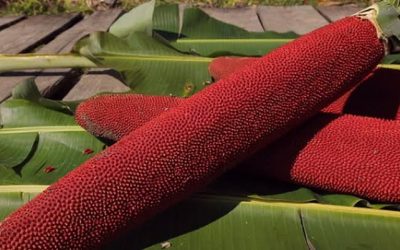
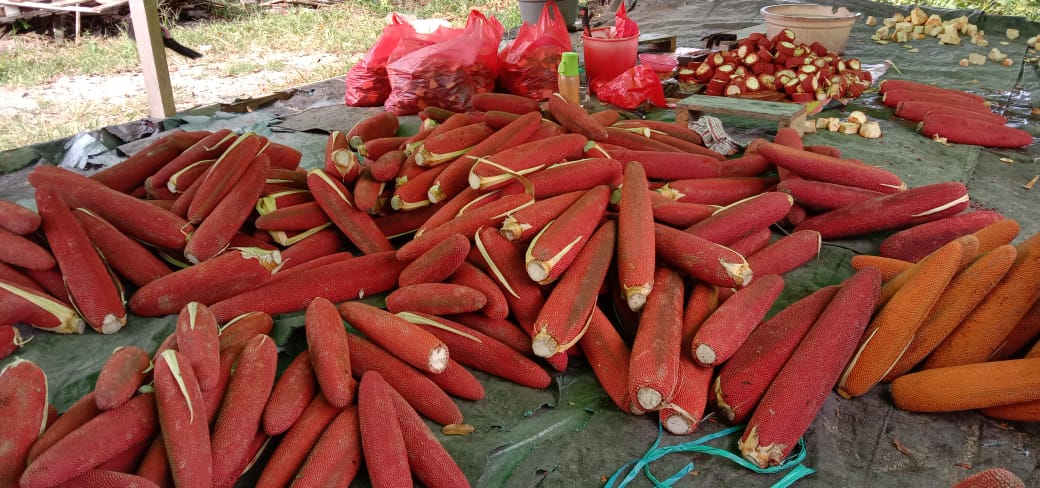
Elongated like a torch and encased in a spiky, fibrous skin, the fruit is instantly recognizable by its rich red color, which signals a dense concentration of natural antioxidants and carotenoids. It’s this vivid pigment—and the potent compounds behind it—that have attracted the attention of global researchers and natural health enthusiasts alike.
As word spreads beyond its indigenous roots, Papua New Guinea red fruit is being reintroduced to the world, not just as a local delicacy or traditional remedy, but as a potent superfood with compelling health-supporting properties. Its cold-pressed oil, in particular, has gained popularity for its antioxidant content, while capsules and extracts are now emerging in nutraceutical markets worldwide.
More than just a passing trend, this fruit represents the deep botanical wisdom of Papua’s indigenous communities—and its journey from traditional medicine to modern wellness is only beginning.
The Origins and Cultural Significance of Papua New Guinea Red Fruit
Papua New Guinea red fruit has deep roots in the highlands of the island, especially in regions like Wamena, Enga, Hela, and the Western Highlands. In these mountainous areas, the fruit grows abundantly in fertile volcanic soil and is an essential part of everyday life among many indigenous communities.
Among tribes such as the Dani, Huli, Asmat, and Enga, this fruit has long served more than just nutritional needs. It’s been revered as a life-giving plant, often used in traditional ceremonies to symbolize strength, vitality, and abundance. During key life events—births, weddings, harvest rituals—the fruit is shared as a gesture of well-being and community blessing.
Its role in traditional medicine is just as significant. For generations, local healers have used it to support stamina during long treks, speed up recovery from wounds, and promote general wellness. Hunters would consume it before heading into the forests, believing it enhanced endurance and protected against illness. These uses weren’t based on myth alone but passed down through lived experience and community observation.
Even today, in the remote highlands where modern infrastructure is limited, the red fruit continues to be gathered, prepared, and honored according to long-held customs. Its presence in cultural practices speaks to a deeper understanding—one where food, healing, and spiritual balance are inseparable.
Traditional Processing and Extraction
Before red fruit oil became a product on health store shelves, it was processed in kitchens and villages using techniques handed down through generations. The traditional method begins by roasting the fruit to soften its tough outer layers. Once the skin is peeled away, the fibrous pulp inside is manually squeezed or kneaded to extract a thick, reddish oil. This painstaking work, often done by hand or with simple wooden tools, results in a nutrient-dense paste that villagers use in cooking or as a topical remedy.
Over time, as the fruit gained wider recognition beyond Papua’s highlands, new methods emerged to improve efficiency and preserve its nutritional value. Modern producers now favor cold-pressing and centrifuge extraction, which help retain heat-sensitive compounds like carotenoids and vitamin E. These techniques reduce oxidation and maintain the oil’s vibrant color and potency without using synthetic preservatives.
Environmental considerations have also come into sharper focus. Sustainable harvesting practices ensure that the fruit is collected at peak ripeness without damaging the wild-growing plants. In many areas, local cooperatives work together to protect native red fruit trees, fostering a model where ecological balance supports economic opportunity.
This evolution—from village tradition to advanced processing—demonstrates how indigenous wisdom and modern science can work hand in hand, preserving the essence of the fruit while making it more accessible to the world.
Scientific Composition and Nutrition Profile
Papua New Guinea red fruit stands out in the world of natural health not just for its color, but for the complex nutritional profile hidden within its vivid flesh. Scientific analysis reveals a dense concentration of beneficial compounds—particularly natural lipids and plant-based antioxidants—that contribute to its growing reputation as a functional food.
At the heart of its potency are carotenoids, especially β-carotene, α-carotene, and β-cryptoxanthin. These pigments give the oil its red hue and serve as vital precursors to vitamin A, a nutrient essential for vision, immune health, and cellular repair. Unlike synthetic versions, these natural forms are more bioavailable and less likely to accumulate to toxic levels.
Equally notable is its high content of α-tocopherol, the most active form of vitamin E in the human body. In some studies, its concentration rivals that of well-known sources like sunflower oil. This fat-soluble antioxidant plays a key role in stabilizing cell membranes and protecting tissues from oxidative damage.
The oil’s fatty acid composition is also impressive. It’s particularly rich in oleic acid (C18:1), a monounsaturated fat known to support heart health. Linoleic acid (C18:2), an essential omega-6 fatty acid, contributes to skin integrity and inflammatory regulation. Palmitic acid (C16:0), while more common in the diet, adds to its emollient properties when used topically.
Beyond fats and pigments, red fruit contains measurable levels of polyphenols and phenolic acids, plant compounds that help neutralize free radicals and may modulate inflammation. These contribute to its overall antioxidant capacity, which some researchers have compared favorably with that of olive and palm fruit oil in ORAC (Oxygen Radical Absorbance Capacity) testing.
All these elements come together to form a nutritionally dense profile, supporting its traditional use and modern appeal as a health-supporting oil.

Scientifically Proven Health Benefits
The traditional knowledge surrounding Papua New Guinea red fruit is increasingly supported by modern research. Studies from Indonesian universities and Papua New Guinea institutions have uncovered promising biological effects—especially in the areas of oxidative stress, metabolic health, and sign of immune function. Here’s a closer look at what science says about the benefits of this unique oil.
1. Antioxidant Protection
One of the most researched aspects of red fruit oil is its ability to neutralize oxidative stress. The combination of carotenoids and α-tocopherol helps combat free radicals, which are unstable molecules linked to aging and chronic disease. Laboratory studies show that this synergy enhances the body’s natural antioxidant defenses at the cellular level, reducing damage to lipids, proteins, and DNA.
2. Cardiovascular Health
Animal-based experiments suggest that red fruit oil may help regulate cholesterol levels. In one Indonesian study, rodents fed with red fruit extract showed reduced total cholesterol, lower triglyceride levels, and a favorable shift in HDL-to-LDL ratios. These effects are likely due to the high content of oleic and linoleic acids, which are known to influence lipid metabolism and reduce arterial inflammation.
3. Liver and Metabolic Support
Research also points to the oil’s protective effects on the liver. When tested in models exposed to chemical toxins, red fruit oil helped preserve liver enzyme balance and reduced tissue damage. This hepatoprotective action is believed to stem from its antioxidant and anti-inflammatory components, which support detoxification pathways and may enhance fat metabolism.
4. Immune and Anti-Inflammatory Function
In terms of immune support, red fruit oil has shown potential to modulate inflammatory responses. Studies have observed a reduction in key pro-inflammatory markers such as TNF-α and IL-6 after supplementation. At the same time, the antioxidant-rich composition helps fortify immune defenses, making it a potentially useful adjunct in managing chronic low-grade inflammation.
5. Anti-Cancer Potential
Preliminary laboratory studies have explored the oil’s impact on various tumor cell lines. While it is not a treatment or cure, findings suggest that components in red fruit oil may slow down cell proliferation in certain types of cancer cells under controlled conditions. Researchers emphasize that these results are early-stage and should be viewed as complementary to—not a replacement for—conventional medical approaches.
6. Nutritional Role in Eye and Skin Health
Thanks to its concentration of β-carotene and vitamin E, red fruit oil offers natural protection for eye tissue and skin. These compounds help defend against UV-induced damage, oxidative stress, and age-related changes. Some users report improved skin hydration and elasticity when the oil is used both internally and topically, although more clinical data is still needed.
Research and Clinical Studies
The growing interest in Papua New Guinea red fruit has prompted a number of academic institutions across Melanesia and Southeast Asia to explore its nutritional and therapeutic value more systematically. While many findings are still in pre-clinical stages, the body of evidence continues to expand, helping to validate traditional use with scientific backing.
Collaborative efforts between Cenderawasih University in Indonesia and the University of Papua New Guinea have led to some of the most comprehensive investigations. Their research focuses on both the biochemical makeup of the fruit and its physiological effects in animal models.
A 2015 study by Sarungallo et al. analyzed the fruit’s oil composition, confirming high levels of β-carotene and α-tocopherol along with an array of unsaturated fatty acids. These results laid the groundwork for understanding its antioxidant potential and dietary applications.
Building on this, Lestari et al. (2023) conducted experiments on lipid metabolism and oxidative biomarkers. Their findings indicated that supplementation with red fruit oil improved antioxidant enzyme activity and reduced markers of liver stress in rats exposed to toxins.
More recently, a 2024 study by Wiyarta and colleagues assessed the oil’s anti-inflammatory and immunomodulatory effects. Their results showed a statistically significant decrease in circulating inflammatory cytokines, particularly TNF-α and IL-6, which are commonly elevated in metabolic and autoimmune disorders.
Importantly, these studies have also addressed safety concerns. Toxicology tests indicate that red fruit oil has a high safety threshold, with an LD50 greater than 2000 mg/kg in animal models—suggesting it is non-toxic when consumed in reasonable doses of immunity. Furthermore, no carcinogenic effects have been reported in available studies, and the oil is generally well-tolerated when introduced into the diet.
While human trials are still limited, this growing body of research provides a solid foundation for its continued use and exploration in nutraceutical contexts.
How to Use Papua New Guinea Red Fruit
For those new to this tropical superfood, understanding how to use it properly is key to unlocking its potential benefits. Whether consumed as an oil, capsule, or food ingredient, Papua New Guinea red fruit offers a versatile addition to both wellness routines and culinary traditions.
Recommended Dosage and Intake
Traditionally, the oil is taken in small daily amounts. Many local users consume one to two teaspoons per day, often in the morning, to support stamina and general health. When used in supplement form, red fruit oil is typically offered in 500 mg to 1000 mg capsules. The dosage can vary based on individual needs, but starting with the lower end is often advised, especially for first-time users. You can also mix it with tea.
For individuals with specific health concerns, it’s wise to consult a healthcare provider before incorporating red fruit oil into a daily regimen—especially if taking medication or managing chronic conditions.
Culinary and Supplementary Uses
Red fruit oil has a naturally mild, slightly earthy taste that blends well into various foods. It can be added to smoothies, drizzled over cooked dishes, or mixed into soups and porridge. In traditional settings, it’s often combined with root vegetables or leafy greens.
Beyond internal use, the oil is occasionally applied topically, thanks to its vitamin E and fatty acid content. Some people use it as a skin conditioner, particularly for dry or aging skin. Its emollient properties may help soothe minor irritation or improve skin texture over time.
Storage and Handling
To preserve its quality, red fruit oil should be stored in dark, airtight glass bottles, away from heat and direct sunlight. Exposure to light and oxygen can degrade its antioxidant compounds, reducing its effectiveness.
Signs that the oil has oxidized include a dull or brownish color, a sharp or rancid odor, and a change in taste. If any of these are present, the oil should not be used, as its nutritional value may have diminished.
Authenticity, Sustainability, and Ethical Sourcing
As the demand for Papua New Guinea red fruit grows, so does the importance of verifying product quality and ensuring ethical sourcing. From visual characteristics to community impact, there are several ways to distinguish genuine red fruit oil from diluted or counterfeit products.
Identifying Genuine Papua New Guinea Red Fruit Products
Real red fruit oil has a dense, uniform consistency and a vibrant deep red color. It should appear slightly viscous and smooth, without signs of separation or artificial coloring. High-quality oils are often lab-tested to confirm their active compound levels.
Look for products that specify a carotenoid content of at least 6000 ppm and α-tocopherol levels around 1200 ppm or higher. These markers reflect proper harvesting and extraction methods, ensuring the oil retains its natural potency.
Be cautious of products that appear overly watery, unusually bright, or contain added dyes. Clear labeling, lab reports, and country-of-origin information are all signs of a trustworthy supplier.
Sustainability and Local Livelihoods
The red fruit industry plays an important role in supporting indigenous farmers across the highlands of Papua New Guinea. When harvested and traded ethically, it provides income opportunities while preserving local biodiversity. Many growers follow traditional land stewardship practices, harvesting fruits only at maturity and allowing trees to regenerate naturally.
Fair-trade cooperatives and community-led initiatives help ensure that the benefits of global demand reach the people who have cultivated and protected this fruit for generations. Supporting such sources not only promotes quality but also strengthens cultural and ecological resilience.
Regulation and Safety
In Indonesia, products derived from red fruit must comply with BPOM (Badan Pengawas Obat dan Makanan) regulations, which include guidelines for herbal supplements, packaging, and permissible health claims. Papua New Guinea has similar oversight through its Department of Health, ensuring that locally produced oils meet safety and labeling standards before export.
Consumers should prioritize products that are registered with these regulatory bodies, as they are more likely to have undergone safety testing and quality assurance.

Where to Buy Authentic Papua Red Fruit
As red fruit oil continues to attract attention for its natural health benefits, the market has seen a surge in both genuine and imitation products. Knowing where to buy from makes a significant difference—not just in quality, but in ensuring your purchase supports ethical production and verified safety standards.
The most reliable sources are those that offer lab-tested, cold-pressed red fruit oil, ideally with full transparency about origin, processing, and nutritional content. Look for products that are BPOM-registered in Indonesia or certified by relevant health authorities in Papua New Guinea. These certifications help confirm the oil has passed safety and quality assessments.
One trusted platform that provides these assurances is jualbuahmerah.com. The site specializes in authentic Papua red fruit products, offering detailed lab results, origin information, and a selection tailored for both personal wellness and family use. Whether you’re looking for pure cold-pressed oil, easy-to-use capsules, or blended formulations designed for specific health goals, the site provides clarity and consistency in every batch.
What sets high-quality suppliers apart is their commitment to traceability—from how the fruit is harvested to how the oil is packaged. Avoid vague or generic listings, especially those lacking ingredient breakdowns or harvest details.
Buying from reputable sources doesn’t just protect your health—it also supports indigenous communities and sustainable trade, ensuring that this powerful fruit continues to thrive both in the wild and in wellness routines around the world.
FAQs
What makes Papua New Guinea red fruit different from Indonesian red fruit?
While both varieties come from the same species (Pandanus conoideus Lam), regional differences in soil, climate, and cultivation methods lead to variations in nutrient concentration and flavor. Red fruit from Papua New Guinea often comes from wild or semi-wild trees in highland areas, which may yield higher levels of natural antioxidants. However, both share similar traditional uses and health benefits.
Is it safe for children and pregnant women?
Generally, red fruit oil is considered safe when used in moderate amounts. That said, children, pregnant women, and individuals with specific medical conditions should consult a healthcare provider before starting any new supplement, especially if they’re already taking medications or managing a health issue.
Can it lower cholesterol naturally?
Studies in animals have shown that red fruit oil may help improve cholesterol profiles by lowering LDL (bad cholesterol) and triglyceride levels. While these findings are promising, more human-based research is needed. It can be considered a supportive food in a heart-healthy lifestyle but should not replace prescribed treatments.
Is it vegan and halal-certified?
Red fruit oil is plant-based and typically contains no animal-derived ingredients, making it suitable for vegan diets. Some producers also obtain halal certification, particularly in Indonesia, to meet dietary and religious standards. Always check the label or product description to confirm certification details.
Also Read: Is Your Immune System Weak on Your Period? Find Out
Conclusion
Papua New Guinea red fruit is more than just an exotic plant—it’s a symbol of cultural heritage, environmental richness, and evolving health traditions. From the sacred ceremonies of the highland tribes to the laboratories of modern researchers, its journey reflects a deep connection between nature and wellness.
Backed by centuries of indigenous knowledge and growing scientific evidence, red fruit oil stands out for its antioxidant-rich profile, essential fatty acids, and potential to support heart, liver, immune, and skin health. It’s not a cure-all, but it offers real promise as part of a balanced, plant-forward lifestyle.
As awareness of this tropical superfood grows, so does the importance of choosing responsibly sourced and authentically processed products. Supporting ethical suppliers helps preserve local ecosystems, empower indigenous farmers, and ensure the integrity of what you consume.
If you’re ready to explore this extraordinary fruit for yourself, start with a trusted source. Experience authentic, high-quality red fruit products at Cahya Red Fruit Papua New Guinea! We offer a wide variety of items besides Red Fruit Papua New Guinea — including Papua ant nest and Papua kebar grass. Check out our herbal wellness product in our website!