Introduction
Hidden deep within the highlands of Papua lies a fruit with striking crimson flesh and a reputation that’s quickly moving beyond its native land. Known locally as buah merah, Pandanus conoideus has long been a staple in the traditional diets and healing practices of indigenous Papuan communities. But today, this uniquely vibrant fruit is stepping into the spotlight as a promising functional food with scientific backing.
Often overshadowed by more mainstream tropical fruits, Pandanus conoideus is now capturing the attention of researchers, nutritionists, and health-conscious consumers alike. Its growing appeal comes from an impressive concentration of natural antioxidants — especially carotenoids and tocopherols — compounds known for their role in cellular protection, immune support, and metabolic balance.
What sets it apart isn’t just tradition or color, but a body of emerging scientific research. From peer-reviewed journals to university-led studies, evidence is mounting that this fruit offers real, measurable health benefits — not just folk wisdom passed down through generations. This article explores the bioactive compounds inside Pandanus conoideus, how they work in the body, and how to safely incorporate this red fruit oil into your health routine.
What Is Pandanus Conoideus?
Pandanus conoideus belongs to the Pandanaceae family, a group of tropical plants known for their distinctive long leaves and fruit-bearing species. While many in this family are used ornamentally or culinarily in Southeast Asia, this particular species stands out for its deep red oil-rich fruit and its unique cultural significance in the Papuan highlands.
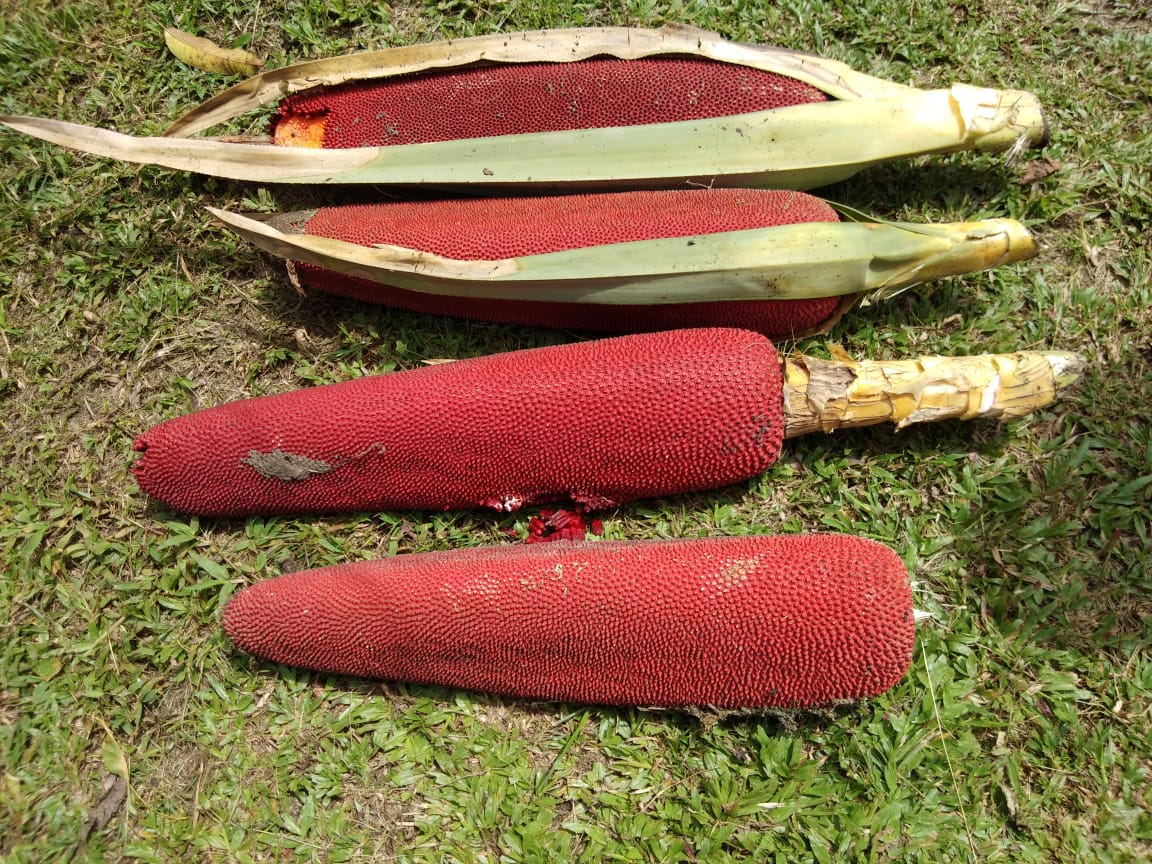
Locally referred to as buah merah in Indonesia, it also goes by kuansu in some tribal languages and marita in parts of Papua New Guinea. The fruit is unmistakable — large, cylindrical, and covered in fibrous scales. When ripe, it reveals a brilliant red pulp that yields a thick, nutrient-dense oil upon extraction.
This plant grows best in high-altitude regions such as Wamena and Jayawijaya in Papua, where the cool climate and rich volcanic soil contribute to its phytochemical richness. Farmers often harvest it by hand, using sustainable methods passed down through generations.
Among indigenous Papuan communities, buah merah has been used for centuries in traditional ceremonies and as a food-based remedy. It is believed to help with endurance during physical labor, improve male fertility, and aid recovery from illness. These traditional uses, though anecdotal, are now being explored through a scientific lens, offering intriguing insights into their possible biochemical basis.
Cultivars and Regional Variations
There isn’t just one kind of buah merah — over the years, several cultivars have been identified, each with distinct characteristics. Among the most nutritionally valuable are Mbarugum, Memeri, and Edewewits. These types are particularly high in β-carotene and tend to produce oil with richer color and thicker consistency.
Each cultivar reflects not only its environment but also the local knowledge systems around cultivation and processing. Some yield more oil, others store better, and a few are prized specifically for their medicinal qualities. This diversity contributes to the fruit’s versatility and the growing scientific interest in its potential as a nutraceutical resource.
Nutritional Composition and Bioactive Compounds
Pandanus conoideus is more than just a striking fruit — its vibrant color signals a dense concentration of beneficial compounds. Scientific analysis reveals a complex mix of nutrients that contribute to its health-supportive reputation, particularly as a natural source of antioxidants and essential fatty acids.
Carotenoids: Pro-Vitamin A Powerhouses
One of the most notable features of buah merah oil is its extraordinary carotenoid content. It’s especially rich in β-carotene, α-carotene, and β-cryptoxanthin — all of which serve as precursors to vitamin A. These pigments give the oil its deep red hue and are vital for maintaining vision, immune function, and skin health.
What makes Pandanus conoideus stand out is the concentration and diversity of its carotenoids. The synergy among these compounds contributes to stronger antioxidant effects, helping neutralize free radicals and reduce the burden of oxidative stress on cells.
Tocopherols: Natural Vitamin E for Cell Defense
Alongside carotenoids, the oil contains high levels of α-tocopherol, a potent form of vitamin E. This fat-soluble antioxidant plays a key role in protecting cell membranes from damage, supporting immune health, and maintaining healthy skin integrity.
Research by Gunawan et al. (2021) highlighted that α-tocopherol in red fruit oil maintains stability even during storage, making it a reliable source of this vital nutrient over time.
Healthy Fatty Acids: Balancing the Body’s Fats
The oil’s fat profile is dominated by three key fatty acids:
- Oleic acid (C18:1) – a monounsaturated fat also found in olive oil, known for cardiovascular support.
- Linoleic acid (C18:2) – an essential omega-6 fatty acid involved in skin barrier function and inflammation control.
- Palmitic acid (C16:0) – a saturated fat present in many plant oils, though in balanced levels here.
This composition contributes to better lipid metabolism and overall cardiovascular health when consumed in appropriate doses.
Phenolic Compounds and Phytosterols
Pandanus conoideus also contains phenolic compounds, which are known for their anti-inflammatory and anti-aging properties. These act by modulating inflammatory pathways and supporting cellular repair mechanisms.
In addition, phytosterols found in the oil may contribute to cholesterol regulation by interfering with its absorption in the gut — an effect that has been explored in other plant-based oils and is now being studied in red fruit oil.
Nutritional Comparison: Red Fruit Oil vs. Olive and Palm Oil
| Nutrient/Compound | Pandanus Conoideus Oil | Olive Oil | Palm Oil |
| β-carotene (mg/100g) | Very high | Low | Moderate |
| α-tocopherol (Vitamin E) | High | Moderate | Low |
| Oleic Acid (%) | ~35–40% | ~70–80% | ~40–45% |
| Linoleic Acid (%) | ~30–35% | ~10% | ~10% |
| Saturated Fat (%) | ~20–25% | ~14% | ~50% |
| Antioxidant Activity | Strong | Moderate | Moderate |
This table highlights Pandanus conoideus oil’s unique positioning: richer in antioxidants than most common oils, and with a balanced fatty acid profile that supports both heart and metabolic health.
Pandanus Conoideus Benefits – What Science Says
The therapeutic potential of buah merah isn’t just based on tradition — it’s grounded in growing scientific evidence. Researchers have examined its bioactive compounds and their physiological effects in laboratory settings, animal models, and preliminary human contexts. Here’s what the research reveals so far.
1. Potent Antioxidant and Anti-Aging Effects
At the heart of red fruit oil’s protective properties lies its powerful antioxidant activity. The synergy between carotenoids and α-tocopherol enables it to effectively neutralize Reactive Oxygen Species (ROS) — unstable molecules that cause cellular damage over time.
By reducing oxidative stress, the oil helps slow down cellular aging, preserve skin elasticity, and protect DNA from mutation. Gunawan et al. (2021) and Sarungallo et al. (2015) both confirmed that extracts from Pandanus conoideus display significant free radical scavenging capacity, especially when extracted using cold-press or low-heat methods to preserve active compounds.
2. Supports Heart and Cholesterol Health
One of the key benefits seen in experimental studies is the oil’s ability to improve lipid profiles. In animal trials, regular supplementation with red fruit oil led to lower LDL (bad cholesterol) and higher HDL (good cholesterol) levels, while also reducing triglycerides. This indicates its potential to help prevent atherosclerosis and support long-term cardiovascular health.
The fatty acid balance — particularly the presence of oleic and linoleic acids — works synergistically with phytosterols to support cholesterol metabolism. These findings align with current understandings of how plant-based oils can contribute to heart-friendly diets.
3. Boosts Immunity and Inflammatory Response
Carotenoids and phenolic compounds in buah merah oil have shown anti-inflammatory activity, particularly in modulating key immune pathways. In laboratory settings, extracts reduced pro-inflammatory cytokines such as IL-6 and TNF-α, which are commonly elevated in chronic inflammatory conditions.
This modulatory effect may help the body respond more effectively to infections or inflammatory triggers, enhancing overall immune resilience — especially when consumed as part of a nutrient-dense diet.
4. Liver Detox and Protection
The liver is particularly vulnerable to oxidative damage, especially in the presence of environmental toxins or processed foods. Research by Wiyarta et al. (2023) highlighted the hepatoprotective qualities of buah merah oil, noting reductions in ALT and AST enzyme levels — key indicators of liver inflammation.
This suggests that the oil may help shield liver cells from oxidative assault and support detoxification processes naturally, particularly in the context of dietary or metabolic stress.
5. Anti-Cancer Potential
In vitro studies have explored the ability of carotenoid-rich red fruit oil to inhibit the proliferation of certain tumor cell lines. While these findings are preliminary and not directly transferable to clinical use, they suggest that the antioxidant-rich matrix may create an internal environment less conducive to abnormal cell growth.
It’s important to clarify that red fruit oil is not a cure for cancer, but it may offer supportive antioxidant protection when used alongside conventional treatments or in preventive wellness strategies.
6. Regulates Blood Sugar and Metabolism
Studies using animal models indicate that buah merah oil may help stabilize blood glucose levels and improve insulin sensitivity. Its healthy fat content, combined with anti-inflammatory effects, contributes to better glucose uptake and lipid metabolism.
This makes it a potentially valuable supplement for individuals managing metabolic syndrome, prediabetes, or type 2 diabetes — though more human studies are needed to confirm these effects.
7. Promotes Skin and Eye Health
The high β-carotene content in red fruit oil converts to retinol, a form of vitamin A essential for eye health, particularly night vision. It also supports skin regeneration, helping maintain moisture, smoothness, and barrier function.
In tandem, α-tocopherol acts as a shield against UV-induced skin damage, making the oil a natural ally for both internal and topical antioxidant defense.

Research and Scientific Evidence
Although buah merah has deep roots in traditional use, its journey into modern science is relatively recent. In the last two decades, several Indonesian and international research teams have begun examining its biochemical properties and therapeutic potential. The results so far point to a promising future — though some areas still call for deeper clinical investigation.
Key Scientific Publications
Sarungallo et al. (2015) conducted one of the earliest comparative analyses on the carotenoid content of Pandanus conoideus. Their study examined different extraction methods and found that cold-pressed oil retained significantly more β-carotene and tocopherol compared to heat-treated versions. This insight helped establish the importance of gentle processing for preserving nutritional value.
Gunawan et al. (2021) focused on the stability of α-tocopherol in red fruit oil during storage. Their findings confirmed that, when stored properly, the oil maintained its antioxidant integrity over several months — a crucial factor for product quality and shelf life.
Lestari et al. (2024) expanded the analysis by mapping the antioxidant mechanisms of the oil. Using in vitro assays, they demonstrated how the oil’s combination of carotenoids and phenolic compounds neutralized free radicals and inhibited lipid peroxidation — key processes involved in chronic inflammation and age-related degeneration.
Safety Profile and Toxicology
A significant milestone in establishing buah merah as a safe nutraceutical was the LD50 test, which measures the lethal dose threshold in animal models. Pandanus conoideus oil was classified as non-toxic, with an LD50 exceeding 2000 mg/kg body weight. This benchmark confirms its suitability for long-term dietary supplementation in moderate doses.
No major adverse effects were observed during these toxicity studies, and subsequent analysis found no mutagenic or genotoxic risks when the oil was consumed as part of a balanced diet.
Human Studies: Still in Development
While laboratory and animal data are encouraging, it’s important to note the current gap in large-scale human clinical trials. Most findings are derived from preclinical research or small-scale studies, which means further investigation is needed to fully validate the therapeutic claims in human populations.
However, the consistency of results across different research teams and methodologies provides a strong foundation for continued exploration — especially as demand for evidence-based natural supplements continues to rise.
How to Use Pandanus Conoideus Safely
For those new to buah merah, understanding how to incorporate it into daily life — safely and effectively — is key. While the oil is nutrient-dense and beneficial, it’s also potent, meaning the right form, dosage, and storage are important for maximizing benefits while minimizing risk.
Recommended Dosage
Experts generally suggest a daily intake of 5 to 10 ml of red fruit oil for adults — roughly one to two teaspoons. This amount offers a good balance between nutritional support and safety. When consumed in capsule form, the equivalent dosage typically ranges from 500 to 1000 mg per serving.
To optimize absorption of fat-soluble nutrients like carotenoids and vitamin E, it’s best to take the oil after meals that contain some dietary fat. This supports better bioavailability and nutrient uptake.
Usage Forms
Pandanus conoideus is available in several formats, making it accessible for different preferences and lifestyles:
- Pure oil: The traditional form, ideal for both culinary use and direct supplementation. It can be added to warm rice, drizzled over vegetables, or taken by the spoonful.
- Capsules: A convenient option for those seeking precise dosing without the strong flavor or aroma. Popular among travelers and busy professionals.
- Topical application: Some skincare enthusiasts use red fruit oil externally to hydrate and nourish the skin. Its antioxidant content may help support skin repair and improve texture.
Each format retains the core nutrients, but consumers should ensure the product is cold-pressed and free from additives for maximum benefit.
Storage and Shelf Life
To maintain potency, proper storage is essential. The oil should be kept in amber-colored glass bottles to protect it from light, and stored at temperatures below 25°C. Exposure to heat or direct sunlight can degrade carotenoids and vitamin E, reducing the oil’s effectiveness.
Shelf life typically spans up to 12 months when stored correctly. Signs that the oil may be past its prime include:
- A noticeable fading of the red color
- An off-putting or rancid smell
- A sharp increase in peroxide value, indicating oxidation
Consumers should also avoid cross-contamination — use clean, dry spoons or droppers each time to preserve freshness.
Potential Side Effects and Precautions
While Pandanus conoideus oil is generally safe for most people when used in recommended amounts, there are a few considerations to keep in mind. As with any functional food or supplement, individual responses can vary based on health status, allergies, and concurrent medications.
Mild Digestive Reactions
Some individuals may experience slight digestive discomfort, such as bloating or soft stools, particularly when first starting to take red fruit oil or when consuming more than the suggested dose. These effects are usually temporary and can often be avoided by beginning with a smaller amount and gradually increasing.
Allergy Considerations
Although rare, hypersensitivity to carotenoids or other plant-based compounds can occur. Those with known sensitivities to pigmented fruits or vitamin A derivatives should consult a healthcare professional before introducing this oil into their routine.
Pregnancy and Lactation
There is currently limited clinical data on the use of buah merah oil during pregnancy and breastfeeding. Due to its high concentration of fat-soluble vitamins, pregnant and lactating women are advised to seek medical advice before supplementing. This ensures safety for both mother and baby, especially if other vitamin A-rich foods or supplements are also being consumed.
Not a Substitute for Medical Treatment
Despite its strong antioxidant profile and promising research, red fruit oil should be viewed as nutritional support, not a replacement for medication or clinical therapies. Its benefits are best realized when incorporated into a healthy, balanced lifestyle.
Buying Authentic Pandanus Conoideus Products
As the popularity of buah merah oil grows, so does the risk of encountering diluted or mislabeled products. Ensuring authenticity and quality is crucial, especially when using the oil for health purposes. Here’s how to make informed choices.
How to Identify Quality Oil
Genuine Pandanus conoideus oil stands out for its rich, uniform red color and thick, smooth texture. It should not appear watery or separated, nor should it contain artificial fragrances or color enhancers.
Key indicators of a high-quality product include:
- Deep crimson hue, which signals high carotenoid content.
- No sediment or separation in the bottle — pure oil should be well-integrated.
- A lab report or certificate of analysis showing levels of β-carotene, α-tocopherol, and absence of harmful contaminants.
Reputable producers typically provide transparency about their sourcing and processing methods, which is a good sign of product integrity.
Importance of BPOM Certification
In Indonesia, the National Agency of Drug and Food Control (BPOM) regulates herbal supplements under Regulation No. 30/2023. Certified products must undergo testing for safety, efficacy, and quality.
To ensure you’re buying a legitimate supplement:
- Look for a BPOM registration number on the label.
- Confirm the expiration date and batch number.
- Check that the product is labeled as food-grade or supplement-grade, not cosmetic.
BPOM certification is your assurance that the oil meets established safety and manufacturing standards — especially important when consumed regularly.
Trusted Source
For those seeking reliable, ethically sourced red fruit oil, jualbuahmerah.com is a recommended provider. Their products are lab-tested, BPOM-registered, and sourced directly from highland farmers in Papua using sustainable practices.
What sets them apart is traceability — the ability to follow the product from harvest to bottle. This transparency builds confidence, especially for customers prioritizing both health and environmental impact.

Frequently Asked Questions
What’s the difference between Pandanus conoideus and red palm oil?
Though both oils share a reddish color due to carotenoids, they come from entirely different plants. Pandanus conoideus is a fruit native to Papua and belongs to the Pandanaceae family, while red palm oil is extracted from the oil palm (Elaeis guineensis). Red fruit oil contains higher levels of β-carotene and α-tocopherol with a more balanced fatty acid profile. It’s also free from industrial refining, making it a cleaner option for many health-conscious consumers.
Can Pandanus conoideus help lower cholesterol?
Studies in animal models suggest that buah merah oil may improve cholesterol balance by lowering LDL and increasing HDL levels. This effect appears to be linked to its healthy fats and phytosterols. While human trials are limited, its inclusion in a heart-friendly diet shows promise as a natural cholesterol support.
Is it suitable for vegans and halal consumers?
Yes. Red fruit oil is plant-based, contains no animal derivatives, and can be produced under halal standards. Consumers should still check product labels for halal certification if that’s a personal requirement, especially when buying capsules.
How long until results are noticeable?
Since this is a nutritional supplement, effects vary depending on the individual’s health status, diet, and consistency of use. Some people report improved energy and digestion within a few weeks, while metabolic or skin-related changes may take longer. Regular, long-term use is typically recommended for best outcomes.
Is it safe for children and seniors?
In general, red fruit oil is well-tolerated by people of all ages. For children, smaller doses should be used, often half of the adult recommendation, and introduced gradually. Seniors may benefit from its antioxidant and anti-inflammatory properties, but as always, it’s wise to consult a healthcare provider, especially if other medications are involved.
Conclusion
Pandanus conoideus — known to many as buah merah — is more than just a striking red fruit from the highlands of Papua. Backed by emerging scientific studies, it offers a unique blend of carotenoids, tocopherols, healthy fats, and phenolic compounds that support key areas of health including antioxidant defense, metabolic balance, and immune function.
While not a miracle cure, it has shown measurable benefits in early research, particularly for cholesterol management, liver protection, and cellular health. Its value lies in consistent, responsible use — as part of a nutritious diet and well-rounded wellness plan.
For those looking to try this traditional yet modern superfood, quality matters. Choosing BPOM-certified products from trusted sources like jualbuahmerah.com ensures you’re getting authentic red fruit oil that’s lab-tested, ethically sourced, and handled with care from Papua’s soil to your shelf.
Incorporating this powerful oil into your routine is a small step that may bring lasting benefits. Whether you’re focused on prevention, recovery, or simply nourishing your body more naturally, buah merah offers a grounded and research-supported way to do just that.
Experience authentic, high-quality red fruit products at Cahya Red Fruit Papua New Guinea! We offer a wide variety of items besides Red Fruit Papua New Guinea — including Papua ant nest and Papua kebar grass. Check out our herbal wellness product in our website!