Introduction to Papua New Guinea
Papua New Guinea is one of the most fascinating countries in the Pacific region. Known for its extraordinary cultural diversity, rugged mountains, dense rainforests, and vibrant traditions, the country offers a combination of natural beauty and human history that is difficult to find anywhere else in the world. Many people searching for Papua New Guinea facts are surprised to learn how many languages, tribal cultures, and ecosystems exist within a single nation.
Although modern cities and global influences continue to grow, many communities across Papua New Guinea still maintain traditions that have been passed down through generations. This blend of ancient customs and modern life makes the country especially interesting for travelers, researchers, and anyone curious about world cultures.
Where Papua New Guinea Is Located
Papua New Guinea occupies the eastern half of the island of New Guinea, which is the second-largest island in the world after Greenland. The western half of the island belongs to Indonesia, while Papua New Guinea forms an independent nation on the eastern side.
The country is part of the Melanesian region of the Pacific Ocean, alongside nearby island nations such as Fiji, Solomon Islands, and Vanuatu. Papua New Guinea also lies just north of Australia, separated by the Torres Strait. Its location between Southeast Asia and the Pacific has shaped both its environment and cultural history for thousands of years.
In addition to the mainland, Papua New Guinea includes hundreds of smaller islands scattered across the Pacific. These islands contribute to the country’s incredible environmental diversity, with landscapes ranging from volcanic mountains and tropical rainforests to coral reefs and coastal mangroves.
The capital city, Port Moresby, is located on the southern coast of the mainland. While it serves as the political and economic center of the country, much of Papua New Guinea remains rural and geographically isolated due to its rugged terrain.
Why Papua New Guinea Is Unique
One of the most remarkable Papua New Guinea facts is that the country is considered one of the most culturally diverse places on Earth. Hundreds of indigenous communities continue to live across the country, each with its own customs, oral histories, ceremonial practices, and local identity.
Geography has played a major role in creating this diversity. Mountain ranges, dense forests, rivers, and swamps separated communities for centuries, allowing languages and traditions to develop independently. In some areas, villages located only short distances apart may still maintain distinct cultural practices and dialects.
Papua New Guinea is also internationally recognized for its biodiversity. The country’s rainforests, rivers, reefs, and mountains support an enormous range of plant and animal species. Many species found in Papua New Guinea do not naturally occur anywhere else in the world. Scientists and conservation groups often describe the island of New Guinea as one of the planet’s major biodiversity hotspots.
Another feature that makes Papua New Guinea unique is the continued importance of traditional life. In many regions, clan relationships, ceremonial exchanges, farming practices, and oral storytelling remain central parts of daily life. Even as roads, technology, and urbanization expand, cultural traditions still hold strong importance across many communities.
For visitors and readers alike, Papua New Guinea stands out not only because of its landscapes and wildlife, but also because of the deep cultural heritage that continues to shape everyday life throughout the country.
Fascinating Papua New Guinea Facts About Culture
Culture is one of the main reasons Papua New Guinea attracts worldwide attention. The country contains an extraordinary variety of traditions, languages, ceremonies, and artistic expressions that have developed over thousands of years. Many anthropologists and cultural researchers consider Papua New Guinea one of the richest cultural regions anywhere in the world.
Papua New Guinea Has Over 800 Languages
One of the most famous Papua New Guinea facts is the country’s incredible number of languages. Linguists estimate that more than 800 languages are spoken across Papua New Guinea, making it one of the most linguistically diverse countries on Earth.
This means that a significant percentage of the world’s languages exist within a single nation. Some language groups are spoken by large populations, while others may only be used within a few villages. In remote regions, communities separated by mountains, rivers, or forests often developed their own languages independently over many generations.
An especially interesting detail is that villages located only a few kilometers apart may speak completely different languages. Historically, difficult geography limited interaction between communities, helping preserve unique local speech patterns and cultural identities.
Papua New Guinea recognizes three official languages:
- English
- Tok Pisin
- Hiri Motu
English is commonly used in government, schools, and formal communication. Tok Pisin, a creole language influenced by English and local languages, is widely spoken across the country and acts as a shared language between communities. Hiri Motu is used in some southern regions and has historical importance connected to trade and communication.
Language in Papua New Guinea is closely tied to identity, ancestry, and oral tradition. Many communities continue to pass down stories, songs, genealogies, and local knowledge through spoken language rather than written records. Because of this, language preservation is often viewed as an important part of maintaining cultural heritage.
Traditional Tribes Still Preserve Ancient Customs
Papua New Guinea is home to many indigenous groups that continue to preserve traditional customs and ceremonial practices. While modern influences have reached most regions, many communities still maintain cultural traditions connected to ancestry, spirituality, farming, warfare history, and social identity.
The Highlands region is especially well known for tribal traditions. Highlands communities developed in relative isolation for centuries due to steep mountains and difficult terrain. As a result, many cultural practices remained highly localized and distinct.
Traditional ceremonies often include:
- Elaborate body paint
- Decorative shells and beads
- Feathered headdresses
- Drumming and chanting
- Ceremonial dances
- Handcrafted ornaments
Bird-of-paradise feathers are particularly important in ceremonial dress and are widely associated with Papua New Guinea’s cultural identity. Different colors, patterns, and decorations may represent clan connections, status, or regional traditions.
Clan identity continues to play a major role in many communities. Families and clans traditionally share responsibilities related to land, ceremonies, conflict resolution, and social support. Oral storytelling also remains deeply important, with myths, historical accounts, and cultural lessons often passed down through generations by spoken narrative.
Although lifestyles continue to evolve, traditional knowledge and ceremonial gatherings still hold strong cultural value in many parts of the country.
The Sing-Sing Festivals Are Major Cultural Events
Among the most visually striking Papua New Guinea traditions are the famous sing-sing festivals. A sing-sing is a large cultural gathering where tribes and community groups come together to perform dances, songs, and ceremonial displays.
Participants often wear highly detailed traditional clothing decorated with feathers, paint, woven materials, shells, and carved ornaments. The performances are designed not only to entertain, but also to celebrate identity, ancestry, and cultural heritage.
Two of the best-known cultural festivals are:
- The Goroka Show
- The Mount Hagen Festival
These events attract participants from many different tribal groups across the Highlands and other regions. During the festivals, communities showcase traditional dances, music, and ceremonial attire that reflect their local customs.
The sing-sing festivals also play an important role in cultural preservation. Younger generations have opportunities to learn traditional dances, songs, carving styles, and ceremonial practices from older community members. In this way, festivals help maintain cultural continuity while also encouraging pride in local identity.
For visitors, these gatherings provide a rare opportunity to witness the diversity of Papua New Guinea culture in a single setting. However, cultural etiquette and respectful behavior remain important, especially when attending ceremonies connected to local traditions or spiritual practices.
Papua New Guinea Geography Facts
Papua New Guinea has one of the most varied landscapes in the Pacific region. The country’s geography includes towering mountains, active volcanoes, tropical islands, dense rainforests, wide river systems, and coral coastlines. This environmental diversity has shaped not only the natural world, but also the development of communities and cultures across the country.
Papua New Guinea Is One of the World’s Largest Island Countries
Papua New Guinea occupies the eastern side of the island of New Guinea, along with hundreds of surrounding islands scattered across the Pacific Ocean. The country is often described as one of the world’s largest island nations because of its extensive mainland and island territories.
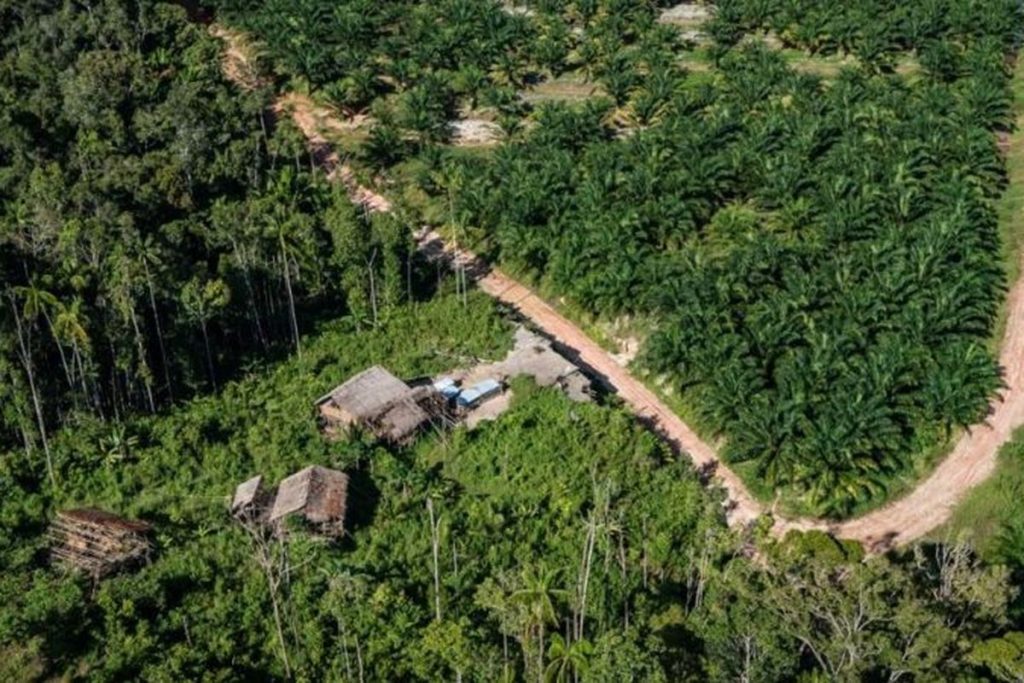
Its geography is extremely rugged. Mountain ranges stretch across much of the mainland, while thick rainforests cover large areas of lowland and highland terrain. Rivers cut through valleys and swamps, creating natural barriers that historically limited travel between communities.
The country also sits within a geologically active region known as the Pacific Ring of Fire. Because of this, Papua New Guinea contains several volcanoes and experiences occasional seismic activity. Some volcanic islands are known for their dramatic landscapes and fertile soils.
This complex geography contributed to the development of isolated communities over many centuries. In many parts of the country, difficult travel conditions encouraged villages to remain relatively independent from one another. As a result, unique languages, customs, and traditions developed across different regions.
Papua New Guinea’s landscapes can vary dramatically within short distances. Coastal regions often feature tropical heat and humid conditions, while mountainous areas may experience much cooler temperatures. Dense forests, waterfalls, and steep valleys remain common throughout much of the interior.
The Highlands Are Cooler Than Many Expect
Many people imagine Papua New Guinea as entirely hot and tropical, but the Highlands region has a noticeably cooler climate due to its high elevation. Some mountain areas rise thousands of meters above sea level, creating temperatures that are milder than coastal regions.
The Highlands are among the most populated areas of the country. Fertile volcanic soils and cooler weather support agriculture, making the region important for farming and food production. Communities in the Highlands cultivate crops suited to elevated terrain, including sweet potatoes, vegetables, and coffee.
Coffee production is especially important in many Highland provinces. The cooler temperatures and mountain conditions support Arabica coffee cultivation, and Papua New Guinea coffee has gained international recognition for its distinctive flavor characteristics.
The Highlands are also known for dramatic scenery. Mountain valleys, forested ridges, and cloud-covered peaks create landscapes that appear very different from the tropical beaches often associated with Pacific islands.
Because transportation infrastructure can be limited, some Highland communities remain relatively remote even today. Small airstrips, mountain roads, and walking paths continue to play important roles in regional travel.
The Sepik River Is Culturally Important
The Sepik River is one of the largest river systems in the Pacific region and is considered one of the most culturally significant waterways in Papua New Guinea. Flowing through remote rainforest areas in the northern part of the country, the river supports many villages and communities along its banks.
For generations, the Sepik River has served as an important transportation route connecting settlements throughout the region. Canoes remain widely used in many river communities, especially in areas where roads are limited.
The Sepik region is internationally known for traditional wood carvings, ceremonial art, and spiritual traditions. Local artisans create detailed masks, sculptures, drums, and ceremonial objects that reflect ancestral stories and community beliefs.
In many villages, ceremonial houses play important cultural roles. These structures may contain carvings, ritual objects, and symbols connected to clan history and spiritual traditions. Artistic styles can vary significantly between communities, reflecting the cultural diversity found throughout the river region.
The Sepik River environment also supports rich biodiversity. Wetlands, forests, and river ecosystems provide habitats for fish, birds, reptiles, and many tropical plant species. The combination of natural beauty and cultural heritage makes the Sepik one of Papua New Guinea’s most fascinating regions.
Papua New Guinea Wildlife and Nature Facts
Papua New Guinea is widely recognized as one of the world’s richest regions for biodiversity. Its rainforests, mountains, coral reefs, wetlands, and islands support an enormous variety of plants and animals. Because many ecosystems remained isolated for long periods, the country became home to countless unique species found nowhere else on Earth.
Scientists, conservation groups, and wildlife enthusiasts often view Papua New Guinea as one of the most important natural environments in the Pacific region.
Home of the Bird-of-Paradise
One of the most famous Papua New Guinea wildlife facts is that the country is closely associated with the bird-of-paradise. These birds are known for their bright feathers, elaborate displays, and unusual courtship dances.
Birds-of-paradise are considered national symbols of Papua New Guinea and hold cultural importance in many communities. Their feathers have traditionally been used in ceremonial dress, especially in Highlands festivals and tribal celebrations.
Many species of bird-of-paradise live within the forests of New Guinea island. Some have long tail feathers, shimmering colors, or highly specialized plumage used during mating displays. Male birds often perform complex dances and movements to attract females, making them especially famous among wildlife photographers and researchers.
Papua New Guinea’s forests provide important habitats for these birds because they contain dense vegetation, abundant rainfall, and relatively isolated ecosystems. Different species may inhabit mountain forests, lowland jungles, or cloud forests depending on elevation and climate conditions.
The bird-of-paradise has become internationally connected with Papua New Guinea’s identity, appearing in art, cultural symbolism, tourism materials, and national imagery.
Papua New Guinea Contains One of the World’s Largest Tropical Rainforests
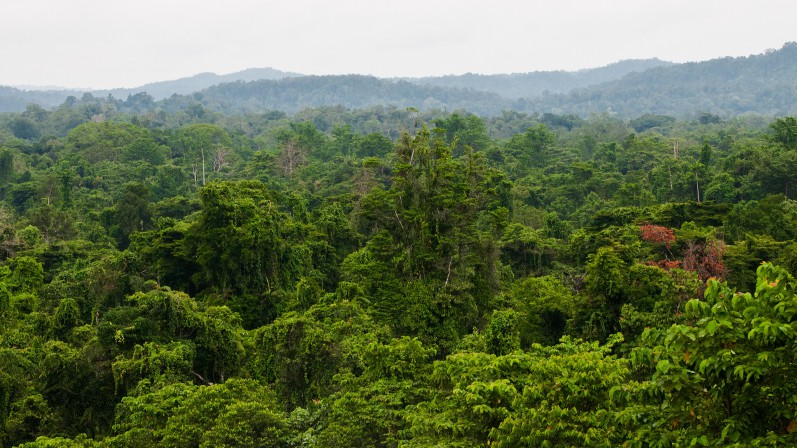
Large sections of Papua New Guinea are covered by tropical rainforest, including lowland jungles, swamp forests, and mountain cloud forests. These forests form part of one of the largest remaining tropical rainforest systems in the Asia-Pacific region.
The rainforest environment supports extraordinary biological diversity. Thousands of plant species, insects, birds, reptiles, amphibians, and mammals live within these ecosystems. Many species are endemic, meaning they naturally occur only in Papua New Guinea and nearby parts of New Guinea island.
Researchers continue discovering new species in remote regions, especially in mountainous or isolated forest areas that remain difficult to access. This ongoing scientific interest highlights how biologically complex the region still is.
Some rainforest animals found in Papua New Guinea include:
- Tree kangaroos
- Cassowaries
- Cuscus marsupials
- Colorful parrots
- Monitor lizards
- Rare frogs and insects
The island’s isolation helped many species evolve separately from animals found in mainland Asia or Australia. Because of this, Papua New Guinea contains a fascinating combination of Asian and Australasian wildlife influences.
Rainforests also play important roles in local communities. Forest resources may provide building materials, traditional foods, woven fibers, and medicinal plants used in cultural practices. Knowledge about rainforest plants is often passed through generations as part of traditional ecological understanding.
Coral Reefs and Marine Biodiversity
Papua New Guinea is not only famous for its forests and mountains, but also for its marine ecosystems. The country lies within the Coral Triangle, a region recognized as one of the richest marine biodiversity zones on Earth.
Coral reefs surrounding Papua New Guinea support a huge variety of marine life, including:
- Reef fish
- Sea turtles
- Coral species
- Sharks
- Rays
- Crustaceans
- Dolphins
The combination of warm tropical waters and healthy reef systems makes Papua New Guinea an internationally respected destination for diving and marine exploration.
Many islands and coastal regions contain coral reefs that remain relatively undisturbed compared to more heavily developed tourism destinations. Divers are often drawn to the area because of colorful coral gardens, underwater volcanic formations, and the chance to observe rare marine species.
Milne Bay Province is especially well known for marine biodiversity and diving opportunities. Coastal communities throughout the country also maintain strong cultural connections to the ocean through fishing traditions, navigation knowledge, and island trade routes.
The relationship between people and nature remains deeply connected in many parts of Papua New Guinea. Forests, rivers, reefs, and mountains are not only natural environments, but also part of cultural identity and traditional life.
Papua New Guinea Food Facts
Food in Papua New Guinea reflects the country’s diverse geography, climate, and cultural traditions. Coastal communities, Highlands villages, island settlements, and rainforest regions often prepare different local foods depending on the crops and natural resources available nearby.
Traditional cooking methods remain important in many areas, and meals are commonly connected to family gatherings, ceremonies, and community events. Staples such as root crops, tropical fruits, fish, and palm products continue to shape everyday cuisine across the country.
Sago Is an Important Traditional Food
One of the most important traditional foods in many lowland areas of Papua New Guinea is sago. Sago is a starch extracted from the trunk of certain palm trees and has served as a major staple food for generations.
Preparing sago can be a labor-intensive process. After the inside of the palm trunk is processed and washed, the starch is collected and dried before cooking. The finished product may be prepared in different forms depending on local traditions.
In some communities, sago is cooked into soft porridge-like dishes, while in others it may be baked or wrapped in leaves. Because it stores relatively well and grows in swampy lowland environments, sago became especially important in river and coastal regions where other crops can be harder to cultivate.
Sago remains closely connected to traditional food culture in several parts of Papua New Guinea today. It is often eaten alongside fish, greens, coconut-based dishes, or local vegetables.
Sweet Potato Is Important in Highlands Communities
In the Highlands region, sweet potato is one of the most widely cultivated and consumed foods. The crop became especially important because it grows well in cooler mountain climates and supports farming in elevated valleys.
Sweet potatoes are commonly cooked in earth ovens, sometimes called mumu ovens, where heated stones are used to slowly cook food underground. This traditional cooking method is still widely used for ceremonies, celebrations, and communal meals.
In addition to sweet potatoes, Highland agriculture often includes:
- Greens and leafy vegetables
- Bananas
- Sugar cane
- Beans
- Taro
- Local fruits
Agriculture remains central to daily life in many rural communities. Families often maintain gardens close to villages, and farming knowledge is passed through generations.
Food preparation in Papua New Guinea is frequently connected to social relationships and hospitality. Community feasts and ceremonial exchanges may involve large amounts of shared food, reinforcing clan ties and cultural traditions.
Papua New Guinea Coffee Is Internationally Known
Papua New Guinea coffee has gained recognition in international markets, particularly for Arabica varieties grown in the Highlands. The combination of volcanic soils, high elevations, and cooler mountain temperatures creates favorable growing conditions for coffee cultivation.
Coffee farming became more established during the twentieth century and continues to support many rural communities today. Smallholder farms play a major role in production, especially in Highland provinces where coffee is cultivated on family-owned land.
Papua New Guinea coffee is often associated with flavor profiles that may include fruity, floral, or earthy characteristics depending on the growing region and processing methods. Because many farms are located in remote mountain areas, coffee production is closely tied to local geography and seasonal conditions.
Coffee also contributes to the country’s export economy and connects rural farming communities with international trade networks. In some Highland regions, coffee farming has become an important source of income alongside traditional agriculture.
Beyond coffee, Papua New Guinea also produces tropical crops such as cocoa, coconuts, and vanilla in different parts of the country. These agricultural products reflect the wide range of climates and landscapes found across the islands and mainland.

Papua New Guinea History Facts
Papua New Guinea has a long and complex history shaped by ancient migration, indigenous traditions, colonial influence, and modern independence. Archaeological evidence suggests that humans have lived on the island of New Guinea for tens of thousands of years, making it one of the oldest continuously inhabited regions in the Pacific.
Over time, communities developed highly diverse languages, farming systems, trade networks, and cultural traditions across mountains, forests, islands, and river valleys.
Ancient Human Settlement
One of the most remarkable Papua New Guinea facts is that the island of New Guinea was settled by humans very early in human migration history. Researchers believe people arrived in the region tens of thousands of years ago during ancient migration movements through Southeast Asia and the Pacific.
Because New Guinea was connected to Australia by lower sea levels during prehistoric periods, early populations were able to move across broader land areas before rising oceans separated the islands.
Over many centuries, communities adapted to extremely different environments, including coastal regions, swamps, rainforests, and mountainous Highlands valleys. Independent agricultural systems eventually developed in some Highland areas, where people cultivated crops and managed fertile valley landscapes long before outside contact became common.
The country’s difficult geography encouraged cultural separation between communities, helping create the enormous diversity of languages and traditions still present today.
Archaeologists and historians continue studying ancient settlement sites across Papua New Guinea to better understand migration patterns, early agriculture, and social development in the Pacific region.
Colonial History
European contact with Papua New Guinea increased during the nineteenth century, eventually leading to periods of colonial administration by several foreign powers.
Different regions of the country were controlled at various times by:
- Germany
- Britain
- Australia
Northern areas were once administered by Germany, while southern territories came under British influence before later being administered by Australia. During the twentieth century, Australia managed much of the territory under changing political arrangements.
World War II brought major conflict to parts of Papua New Guinea. Several regions became strategically important due to their location in the Pacific theater. Military activity affected local communities, transport routes, and coastal areas throughout the war period.
Papua New Guinea eventually gained independence in 1975 and became a sovereign nation within the Commonwealth. Since independence, the country has continued developing its political institutions while maintaining strong cultural diversity across its provinces and communities.
Today, traditional customs and modern government systems exist side by side in many parts of the country.
Kokoda Track Historical Significance
The Kokoda Track is one of the most historically important locations in Papua New Guinea. This narrow jungle route crosses mountainous terrain in the southeastern part of the country and became internationally known during World War II.
The track was the site of intense military campaigns between Allied and Japanese forces. Difficult rainforest conditions, steep mountain paths, heavy rainfall, and limited supplies made the route extremely challenging for everyone involved.
Today, the Kokoda Track is remembered both for its wartime history and its cultural significance to local communities living along the route. Villages in the region continue to maintain strong connections to the land and the stories associated with the track.
The area has also become a destination for trekking tourism. Travelers who hike the Kokoda Track often experience dense rainforest landscapes, mountain scenery, river crossings, and interactions with local communities along the way.
For many visitors, the Kokoda Track represents not only a historical site, but also an opportunity to better understand Papua New Guinea’s geography, resilience, and cultural heritage.
Papua New Guinea Society and Daily Life Facts
Daily life in Papua New Guinea varies greatly between regions, communities, and environments. Modern urban centers exist alongside remote villages where traditional customs continue to shape everyday routines. Across much of the country, family connections, clan identity, land relationships, and community cooperation remain deeply important.
Despite increasing modernization, many social traditions continue to influence how communities organize work, ceremonies, leadership, and cultural responsibilities.
Most Communities Remain Closely Connected to Land and Tradition
Land has strong cultural and social importance throughout Papua New Guinea. In many areas, land is not viewed simply as property, but as part of ancestral identity and community heritage.
Traditional land ownership systems remain common across the country. Rather than individual ownership alone, land is often connected to clans or extended family groups. Rights to use land may be linked to ancestry, family history, and long-standing community relationships.
This close connection to land affects many aspects of daily life, including:
- Farming and food production
- Housing and village organization
- Ceremonial activities
- Community responsibilities
- Cultural identity
Clan systems continue to play major social roles in many communities. Clans may help organize ceremonies, resolve disputes, maintain traditions, and support family networks during important life events.
In rural regions, oral tradition remains highly valued. Elders may pass down local histories, stories, songs, and cultural knowledge through spoken communication and communal gatherings. This helps preserve traditions even in places where written records are less central to daily life.
Urban and Rural Lifestyles Differ Greatly
Life in Papua New Guinea can look very different depending on whether someone lives in a city or a remote village.
Port Moresby, the capital city, contains government offices, businesses, universities, transportation networks, and modern infrastructure. Like many growing cities, it combines traditional cultural influences with contemporary urban life.
At the same time, large parts of the country remain rural and geographically isolated. In some Highlands or rainforest communities, transportation may still depend on walking trails, river travel, or small aircraft due to difficult terrain.
Rural villages often maintain stronger connections to subsistence farming, traditional housing styles, and local ceremonies. Gardens and small-scale agriculture remain important parts of everyday life in many communities.
Differences between urban and rural areas may include:
- Access to roads and transportation
- Communication technology
- Education and healthcare facilities
- Employment opportunities
- Food sources and markets
Even with these differences, cultural identity and clan relationships often remain important in both city and village environments.
Christianity Blended With Local Customs
Christianity is widely practiced throughout Papua New Guinea, but local cultural traditions also continue to shape spiritual and community life in many regions.
Missionary influence expanded during the colonial period, and churches became established across much of the country. Today, Christian churches are common in both urban and rural communities.
However, religious practices are often blended with local customs, ceremonies, music, and community traditions. In some regions, traditional values and Christian beliefs exist side by side in ways that reflect local cultural adaptation.
For example, community gatherings, feasts, singing traditions, and ceremonial exchanges may include both Christian and local cultural elements. Music and group participation remain especially important in many religious events.
This blending of traditions demonstrates how Papua New Guinea communities have adapted outside influences while continuing to preserve aspects of local identity and heritage.
Across the country, social life is often strongly community-oriented. Family networks, clan relationships, shared ceremonies, and collective responsibilities continue to influence everyday experiences for many people.
Surprising Expert-Level Papua New Guinea Facts
Papua New Guinea is full of surprising details that many people outside the Pacific region rarely hear about. Beyond its famous tribes and rainforests, the country contains remarkable examples of cultural adaptation, environmental diversity, and geographic isolation that continue to interest researchers, travelers, and historians.
These lesser-known Papua New Guinea facts help explain why the country is considered one of the most unique places in the world.
Some remote communities in Papua New Guinea remained largely isolated from outside contact until relatively recent decades. Rugged mountain ranges, dense forests, and limited transportation infrastructure made travel extremely difficult for much of the country’s history. In certain Highland valleys, communities developed independently for generations before sustained interaction with outsiders became more common.
Papua New Guinea also contains more languages than all of Europe combined. This extraordinary linguistic diversity developed because communities were separated by mountains, rivers, swamps, and forests over long periods of time. Instead of forming one dominant language group, hundreds of smaller languages continued evolving independently.
Geography played an enormous role in shaping cultural development throughout the country. Some villages were separated by steep valleys or dense jungle terrain that limited communication and travel. Over centuries, this isolation contributed to distinct traditions, artistic styles, social structures, and ceremonial practices between neighboring regions.
The Highlands valleys are another surprising feature of Papua New Guinea. Although the country is famous for rugged mountains, some elevated valleys support dense agriculture and long-established farming systems. Fertile volcanic soils and cooler climates helped communities cultivate crops successfully in mountain environments for many generations.
Papua New Guinea’s rainforests are also known for traditional plant knowledge. Communities across the country have long used rainforest plants in cultural practices, food preparation, building materials, dyes, and local traditions. Knowledge about plants is often passed through oral teaching and practical experience within families and clans.
The country is also part of the Coral Triangle, one of the richest marine ecosystems on Earth. This region contains extraordinary coral and fish diversity, making Papua New Guinea globally important for marine biodiversity. Coastal waters surrounding the islands support colorful reef systems and a wide range of tropical marine species.
Another fascinating fact is how different Papua New Guinea can feel from one region to another. Coastal island communities, Highland villages, rainforest settlements, and urban areas may each have distinct traditions, languages, foods, architectural styles, and ceremonial practices. This level of cultural variation within a single country is rare on a global scale.
Even today, many traditions continue to remain active rather than existing only as historical displays. Ceremonial dances, clan gatherings, storytelling, carving traditions, and local festivals still play meaningful roles in community life throughout many regions of Papua New Guinea.
Because of this combination of living tradition, environmental diversity, and geographic complexity, Papua New Guinea continues to attract attention from anthropologists, linguists, conservationists, historians, and travelers from around the world.

Interesting Papua New Guinea Facts for Travelers
Papua New Guinea offers experiences that are very different from many mainstream travel destinations. Visitors are often drawn to the country because of its cultural diversity, dramatic landscapes, wildlife, and traditional festivals. From mountain villages and rainforest rivers to coral reefs and island communities, the country contains a wide range of environments and cultural experiences.
Travel in Papua New Guinea can be adventurous due to the country’s rugged terrain and regional diversity, but many travelers consider the experience highly rewarding because of the opportunity to encounter living traditions and unique natural environments.
Best Regions for Culture
The Highlands region is one of the best-known areas for experiencing traditional culture in Papua New Guinea. Highland communities are famous for ceremonial dress, sing-sing festivals, tribal identity, and agricultural traditions.
Events such as the Goroka Show and Mount Hagen Festival bring together performers from many different cultural groups. Visitors attending these festivals can observe dances, music, feather decorations, body paint, and ceremonial customs that reflect the country’s cultural diversity.
The Sepik River region is another important destination for cultural exploration. Villages along the river are widely recognized for wood carving traditions, ceremonial houses, and artistic heritage. Many travelers visit the Sepik area to learn about local craftsmanship and river-based community life.
In both regions, respectful interaction is important. Local customs, ceremonies, and sacred spaces may carry deep cultural meaning for communities.
Best Regions for Nature
Papua New Guinea’s landscapes provide opportunities to experience rainforests, mountains, islands, coral reefs, and tropical wildlife.
Milne Bay Province is especially well known for marine biodiversity and diving opportunities. Coral reefs in the region support colorful fish, sea turtles, and extensive coral formations connected to the Coral Triangle ecosystem.
Rainforest regions throughout the mainland also attract travelers interested in birdwatching and biodiversity. Papua New Guinea is internationally known for bird-of-paradise species, tropical parrots, and other wildlife found within dense forest habitats.
The country’s islands and coastal areas offer very different scenery compared to the Highlands. Some island regions feature white-sand beaches, volcanic landscapes, mangroves, and traditional fishing communities connected closely to the ocean.
Travelers interested in trekking often explore mountain regions such as the Kokoda Track, where rainforest trails cross steep valleys and historically significant landscapes.
Respectful Cultural Etiquette
Cultural respect is especially important when traveling in Papua New Guinea. Many communities continue to maintain strong traditional customs, and visitors are generally encouraged to approach local culture thoughtfully and respectfully.
A few commonly recommended etiquette practices include:
- Ask permission before photographing people
- Respect ceremonies and sacred spaces
- Dress modestly in village settings
- Listen carefully to local guides and hosts
- Avoid interrupting traditional events
- Show appreciation for community hospitality
Because customs may differ between regions and cultural groups, travelers often benefit from learning local expectations before visiting villages or attending ceremonies.
Building respectful relationships with local communities can greatly enrich the travel experience. Many visitors find that conversations, storytelling, music, and shared meals become some of the most memorable parts of visiting Papua New Guinea.
The country’s combination of cultural richness and natural diversity makes it one of the Pacific’s most distinctive travel destinations for people interested in history, anthropology, nature, and traditional cultures.
FAQ About Papua New Guinea
What Is Papua New Guinea Famous For?
Papua New Guinea is famous for its cultural diversity, tribal traditions, rainforests, wildlife, and extraordinary number of languages. The country is also known for bird-of-paradise species, sing-sing festivals, mountain landscapes, coral reefs, and traditional art such as wood carvings and ceremonial decorations.
How Many Languages Are Spoken in Papua New Guinea?
More than 800 languages are spoken in Papua New Guinea, making it one of the most linguistically diverse countries in the world. English, Tok Pisin, and Hiri Motu are the country’s official languages, but many communities continue using local indigenous languages in daily life.
What Animals Are Unique to Papua New Guinea?
Papua New Guinea is home to many unique animals, including bird-of-paradise species, tree kangaroos, cassowaries, cuscus marsupials, colorful parrots, and rare tropical frogs. Many species found in the country are endemic, meaning they naturally occur only in this region.
What Food Is Popular in Papua New Guinea?
Common traditional foods include sago, sweet potatoes, taro, bananas, fish, tropical fruits, and leafy vegetables. Cooking methods often vary between coastal and Highland communities. Coffee from Papua New Guinea is also internationally recognized.
Why Is Papua New Guinea Culturally Diverse?
Papua New Guinea became highly culturally diverse because communities developed separately across mountains, forests, rivers, and islands for long periods of time. Geographic isolation allowed languages, customs, and traditions to evolve independently in different regions.
What Is the Capital of Papua New Guinea?
The capital city of Papua New Guinea is Port Moresby, located on the southern coast of the mainland. It serves as the country’s political, administrative, and economic center.
What Are the Main Tribes in Papua New Guinea?
Papua New Guinea contains hundreds of tribal and cultural groups rather than a small number of dominant tribes. Some of the best-known groups are found in the Highlands region, where ceremonial traditions and sing-sing festivals are especially prominent.
Is Papua New Guinea Part of Indonesia?
No, Papua New Guinea is an independent country. It occupies the eastern half of the island of New Guinea, while the western half belongs to Indonesia.
Conclusion
Papua New Guinea is one of the world’s most culturally and environmentally diverse countries. From remote mountain communities and ancient traditions to tropical rainforests and coral reefs, the country offers an extraordinary combination of human heritage and natural beauty.
Many Papua New Guinea facts stand out because of the country’s remarkable diversity. Hundreds of languages, distinct tribal traditions, rich biodiversity, and geographically isolated communities have shaped a society unlike anywhere else in the Pacific region.
Whether people are interested in culture, wildlife, history, geography, or travel, Papua New Guinea continues to attract attention for its unique landscapes and living traditions. Its festivals, forests, rivers, islands, and communities provide insight into a part of the world where cultural identity and natural environments remain deeply connected.
For readers exploring Papua New Guinea for the first time, the country offers endless opportunities to learn about one of the planet’s most fascinating and diverse nations.
If you’re looking for Papua herbal products, start with a trusted source. Experience authentic, high-quality red fruit products at Cahya Red Fruit Papua New Guinea! We offer a wide variety of items besides Red Fruit Papua New Guinea — including Papua ant nest and Papua kebar grass. Check out our herbal wellness product in our website!