Introduction to the Papua New Guinea Environment
Papua New Guinea is home to one of the most diverse natural environments in the world. Located in the southwestern Pacific Ocean and occupying the eastern half of the island of New Guinea along with hundreds of smaller islands, the country contains a remarkable variety of ecosystems within a relatively compact geographic area. Dense tropical rainforests, rugged mountain ranges, wide river systems, coastal mangroves, wetlands, and coral reefs all contribute to the richness of the Papua New Guinea environment.
The landscape of Papua New Guinea is shaped by dramatic elevation changes. In the highlands, mountain peaks like mount hagen rise above cool cloud forests and mist-covered valleys, while lower elevations are dominated by humid tropical rainforest ecosystems. Along the coast, mangrove forests and river deltas transition into warm marine habitats filled with coral reefs and seagrass beds. This diversity of habitats supports a wide range of plant and animal life, making Papua New Guinea one of the most biologically rich regions in the Pacific.
The country is widely recognized for its rainforest coverage. Large portions of Papua New Guinea forests remain relatively intact compared to many other tropical regions around the world. These forests provide habitat for thousands of plant species, birds, mammals, amphibians, and insects. Many species found in Papua New Guinea exist nowhere else on Earth due to the island’s long geographic isolation and complex terrain.
Papua New Guinea also forms part of the wider Melanesian ecological region, an area known for high biodiversity and important marine ecosystems. Its surrounding waters are connected to the Coral Triangle, a marine zone famous for extraordinary coral and fish diversity. Coastal reefs, island ecosystems, and mangrove habitats support both wildlife and traditional coastal communities.
Overview of Papua New Guinea’s Natural Landscape
The Papua New Guinea environment includes several major ecosystem types that work together to create a highly interconnected natural system.
Tropical rainforests cover much of the mainland and many offshore islands. These forests range from dense lowland rainforest to cooler montane and cloud forests found at higher elevations. Some areas receive heavy rainfall throughout the year, supporting thick vegetation and year-round plant growth.
Mountain ecosystems are another defining feature of Papua New Guinea nature. The central highlands contain steep valleys, volcanic landscapes, alpine grasslands, and isolated forest habitats. Because many mountain areas are difficult to access, some ecosystems have remained relatively undisturbed for long periods.
River systems also play a major ecological role. Large rivers such as the Sepik River support wetlands, floodplains, and freshwater habitats that are closely connected to local livelihoods and biodiversity. Wetlands provide habitat for fish, birds, reptiles, and aquatic plants while also helping regulate seasonal water flow.
Along the coastline, mangrove forests help stabilize shorelines and create important nursery habitats for marine life. Offshore coral reefs support colorful fish populations, reef organisms, and broader ocean ecosystems linked to the Pacific region.
Together, these environments make Papua New Guinea one of the world’s important biodiversity hotspots. Scientists continue to study the country’s ecosystems because many areas remain biologically underexplored.
Why Papua New Guinea’s Environment Is Globally Important
The Papua New Guinea environment is considered globally significant for several reasons. One major factor is the scale of its remaining tropical rainforest coverage. Large forest landscapes still exist across the country, particularly in remote mountainous and island regions. These forests provide habitat continuity for wildlife and contribute to regional ecological stability.
Another important feature is the high number of endemic species. Endemic species are plants and animals that naturally occur in only one geographic region. Due to Papua New Guinea’s isolated valleys, mountains, and islands, many species evolved separately over long periods. This process created highly specialized ecosystems with unusual wildlife and plant diversity.
Birds are among the best-known examples of Papua biodiversity. The country is famous for colorful bird-of-paradise species, many of which are found only within New Guinea and nearby islands. Papua New Guinea wildlife also includes tree kangaroos, cuscus species, rare frogs, unique insects, orchids, and marine organisms that attract scientific interest from around the world.
Marine biodiversity is equally important. Papua New Guinea lies within the Coral Triangle, a region recognized for having some of the highest coral reef diversity on Earth. Coral reefs around Papua New Guinea support reef fish, sea turtles, crustaceans, and countless smaller marine species that form complex underwater ecosystems.
The country’s natural environment is also closely connected to indigenous communities. Many local groups have maintained long-standing relationships with forests, rivers, and coastal ecosystems through traditional land management practices and environmental knowledge passed down through generations.
Because of its ecological diversity, relatively intact habitats, and unique species, Papua New Guinea remains an important area for environmental research, conservation efforts, and biodiversity studies throughout the Pacific region.
Papua New Guinea Rainforests
Papua New Guinea contains one of the largest remaining tropical rainforest regions in the world. Forests cover much of the mainland and many surrounding islands, creating an enormous network of interconnected ecosystems. These rainforests support wildlife habitats, freshwater systems, traditional food sources, and ecological processes that shape the wider Pacific environment.
The Papua New Guinea rainforest is known for its dense vegetation, towering trees, rich soils in some regions, and year-round humidity. In many remote areas, forests remain difficult to access because of rugged mountain terrain, river systems, and limited transportation infrastructure. As a result, large portions of the forest landscape still retain natural characteristics that have disappeared in some other tropical regions.
Rainforests in Papua New Guinea are not uniform. Environmental conditions change dramatically depending on altitude, rainfall, soil type, and distance from the coast. This variation has created multiple forest ecosystems, each supporting different plant and animal communities.
The forests also play an important role in local livelihoods. Many rural communities depend on rainforest environments for food, building materials, transport routes, and traditional cultural practices. Forest plants, rivers, and wildlife are often closely connected to daily life in both lowland and highland regions.
One of the Largest Tropical Rainforest Regions in the World
Papua New Guinea forests form part of the broader New Guinea tropical forest system, which is considered one of the largest tropical wilderness areas in the Asia-Pacific region. These forests stretch across mountains, river valleys, swampy lowlands, and coastal plains.
Lowland rainforest dominates many areas near sea level. These forests are typically warm, humid, and extremely dense. Tall canopy trees create shaded conditions below, where vines, ferns, palms, mosses, and understory plants thrive. Heavy rainfall supports rapid plant growth throughout the year.
Rainforest ecosystems are especially important for biodiversity. A single forest area may contain hundreds of tree species along with birds, insects, reptiles, and mammals occupying different ecological layers from the forest floor to the upper canopy.
Papua ecosystems are also closely tied to freshwater systems. Forested watersheds help regulate river flow and support wetland environments downstream. In mountainous regions, forests influence local rainfall patterns and help stabilize slopes during periods of heavy rain.
For many communities, the rainforest is not viewed simply as wilderness. Instead, it is often seen as part of a lived environment connected to identity, cultural traditions, and local knowledge systems.
Types of Forest Ecosystems
Papua New Guinea contains several distinct forest ecosystems, each shaped by elevation, climate, and geography.
Lowland Rainforest
Lowland rainforest is one of the most extensive ecosystem types in Papua New Guinea. These forests are generally found in warm tropical areas below the mountains and often contain extremely high plant diversity.
Large hardwood trees dominate the canopy while dense vegetation covers the forest floor. Lowland rainforests support many bird species, insects, reptiles, amphibians, and mammals. Rivers and swamps frequently intersect these forests, creating additional freshwater habitats.
Because of stable temperatures and abundant rainfall, biological productivity in these forests remains high throughout the year.
Montane Forest
Montane forests occur at higher elevations in Papua mountains and highland regions like Goroka. Temperatures are cooler compared to lowland environments, and vegetation gradually changes as altitude increases.
Trees in montane forests are often shorter and covered with mosses, lichens, and epiphytic plants. Ferns become increasingly common, while cloud cover and mist contribute to consistently damp conditions.
Many species living in montane environments are specially adapted to cooler temperatures and isolated mountain habitats. Some species occur only within certain valleys or mountain ranges.
Cloud Forest
Cloud forests develop at higher elevations where persistent moisture from clouds and fog creates a unique ecosystem. These forests are often visually striking due to thick moss growth, twisted trees, and heavy humidity.
Cloud forests support specialized plant communities including orchids, mosses, and small flowering plants adapted to constant moisture. Bird and amphibian diversity can also be very high in these environments.
Because many cloud forests are isolated by steep mountains, they may contain species found nowhere else in the world.
Mangrove Ecosystems
Mangrove forests grow along parts of the Papua New Guinea coastline where saltwater and freshwater mix. These coastal ecosystems are highly important for both marine biodiversity and shoreline stability.
Mangrove tree roots help reduce coastal erosion by trapping sediment and slowing wave movement. They also create sheltered nursery habitats for fish, crabs, and juvenile marine organisms.
In addition to ecological functions, mangrove environments are often linked to traditional fishing practices and coastal food systems.
Expert Insight: Isolated Geography Created Unique Ecosystems
One of the most fascinating aspects of Papua ecology is how geography shaped biological evolution across the island.
Papua New Guinea contains rugged mountains, isolated valleys, offshore islands, and difficult terrain that naturally separated populations of plants and animals over long periods. These geographic barriers limited movement between habitats, allowing species to evolve independently in different locations.
For example, mountain ridges sometimes isolated wildlife populations from neighboring valleys for thousands of years. Over time, differences in climate, food sources, and habitat conditions contributed to the development of distinct species and subspecies.
This isolation explains why Papua New Guinea biodiversity is exceptionally high compared to many regions of similar size. Scientists studying the country’s forests frequently encounter species with highly localized distributions.
Plant evolution also followed similar patterns. Some orchids, ferns, and rainforest trees occur only within particular mountain systems or island environments. Even insects and amphibians may differ significantly between neighboring ecological zones.
The combination of tropical climate, complex geography, and long-term ecological isolation helped create one of the world’s richest tropical ecosystems. Today, researchers continue to study Papua New Guinea rainforests because many remote forest regions remain only partially documented from a scientific perspective.
Wildlife and Biodiversity in Papua New Guinea
Papua New Guinea is widely recognized as one of the world’s major biodiversity hotspots. Its tropical rainforests, mountain ecosystems, wetlands, rivers, and coral reefs support an enormous variety of wildlife species across both land and sea. Many of these species are endemic, meaning they naturally occur only in New Guinea and surrounding islands.
The country’s ecological diversity is influenced by geography, climate variation, and long periods of natural isolation. Steep mountain ranges separate habitats into distinct ecological zones, while islands and remote valleys create additional separation between species populations. As a result, Papua New Guinea wildlife includes a remarkable mix of birds, mammals, reptiles, amphibians, insects, marine organisms, and plant species.
Scientists continue to study Papua biodiversity because many areas remain biologically underexplored. New species are still occasionally documented in remote forests and mountainous regions, especially among insects, frogs, orchids, and small mammals.
Home of the Bird-of-Paradise
Few animals are more closely associated with Papua New Guinea nature than the bird-of-paradise. These birds are internationally known for their striking feathers, elaborate courtship displays, and wide variety of colors and shapes.
Many bird-of-paradise species are found only within New Guinea and nearby islands. Their habitats range from lowland rainforest to cloud forest environments high in the mountains. Different species occupy different ecological zones depending on elevation, forest type, and food availability.
Bird-of-paradise behavior is especially well known for its mating rituals. Male birds often perform highly coordinated dances or display specialized plumage to attract females. Some species clear sections of forest floor for performances, while others display from branches high in the canopy.
These birds also hold cultural significance in many local communities. Feathers have historically been used in ceremonial clothing and traditional decorations in certain regions. Their presence in stories, art, and cultural symbolism reflects the close relationship between wildlife and cultural identity across Papua New Guinea.
Beyond bird-of-paradise species, Papua New Guinea is home to hundreds of additional bird species including parrots, cockatoos, kingfishers, pigeons, cassowaries, hornbills, and raptors.
Rare and Endemic Species
The Papua New Guinea environment supports a large number of unusual and endemic species that evolved under isolated tropical conditions.
Tree Kangaroos
Tree kangaroos are among the country’s most distinctive mammals. Unlike ground-dwelling kangaroos found in Australia, these animals are adapted for life in forest canopies.
Tree kangaroos have strong limbs, long tails for balance, and the ability to move through dense branches in mountainous rainforest habitats. Several species live in Papua New Guinea forests, particularly in montane and cloud forest ecosystems.
Because many populations live in remote regions, researchers are still studying their behavior and habitat distribution.
Cuscus Species
Cuscus are marsupials related to possums and are commonly found in tropical forest habitats. They are known for slow movement, thick fur, and strong climbing abilities.
Different cuscus species inhabit various islands and mainland forest environments. Their coloration and size may vary depending on habitat and geographic isolation.
These nocturnal mammals often spend much of their time in trees feeding on leaves, fruit, and flowers.
Exotic Insects and Orchids
Papua New Guinea contains extraordinary insect diversity. Butterflies, beetles, stick insects, moths, and other invertebrates occupy nearly every forest layer.
Large birdwing butterflies are among the best-known insect species in the region. Many rainforest insects display bright colors, camouflage adaptations, or specialized ecological relationships with plants.
The country is also famous for orchid diversity. Tropical forests and cloud forests provide ideal growing conditions for thousands of orchid varieties. Some orchids grow on tree branches as epiphytes, while others grow directly from forest soil or moss-covered surfaces.
Because remote mountain habitats remain difficult to access, botanists continue discovering previously undocumented plant species.
Marine Biodiversity
Marine ecosystems surrounding Papua New Guinea are equally diverse. Coral reefs, seagrass beds, lagoons, and coastal mangroves support complex ocean habitats connected to the Coral Triangle.
Reef environments contain colorful coral formations along with reef fish, sea turtles, crustaceans, mollusks, and countless smaller marine organisms. Some reef systems around Papua New Guinea are considered among the richest marine habitats in the Pacific region.
Marine biodiversity supports local fisheries, tourism activities, and broader ocean ecosystem stability.
Papua New Guinea as a Biodiversity Hotspot
Papua New Guinea is often classified as a global biodiversity hotspot because of its exceptionally high species richness combined with large areas of relatively intact habitat.
The country contains thousands of plant species, many of which are endemic to specific mountain systems, valleys, or islands. Rainforest ecosystems alone may contain immense botanical diversity within a relatively small area.
Scientists estimate that many species in Papua New Guinea remain undocumented or only partially studied. Remote geography, dense forests, and limited access continue to make biological research challenging in certain regions.
Amphibians are one example of this ongoing scientific discovery. New frog species have periodically been identified in isolated rainforest habitats where little previous biological surveying occurred.
The same pattern applies to insects, reptiles, orchids, fungi, and marine organisms. Some ecosystems in Papua mountains and isolated valleys remain among the least scientifically explored environments on Earth.
Biodiversity in Papua New Guinea is important not only because of species numbers, but also because ecosystems remain interconnected across forests, wetlands, rivers, mountains, and coastal zones. These ecological connections help support long-term environmental stability and habitat diversity across the country.
The richness of Papua wildlife species continues to attract researchers, conservation groups, birdwatchers, divers, photographers, and nature enthusiasts interested in tropical ecosystems and Pacific biodiversity.
Rivers, Wetlands, and Marine Ecosystems
The Papua New Guinea environment is strongly shaped by water systems. Rivers, wetlands, mangroves, coral reefs, and coastal ecosystems form interconnected habitats that support biodiversity across the country. These environments also play important roles in transportation, fishing traditions, food systems, and cultural life for many local communities.
From large river networks flowing through rainforest valleys to coral reefs surrounding tropical islands, aquatic ecosystems are among the most important natural features in Papua New Guinea. Freshwater and marine habitats support thousands of plant and animal species while helping maintain ecological balance across surrounding landscapes.
The Importance of the Sepik River
The Sepik River is one of the largest and most well-known river systems in Papua New Guinea. Flowing through remote rainforest regions and extensive wetlands, the river supports both ecological diversity and long-standing cultural traditions.
The Sepik River environment includes floodplains, marshes, oxbow lakes, swamp forests, and freshwater channels that provide habitat for fish, reptiles, birds, and aquatic plants. Seasonal flooding helps replenish wetland ecosystems and supports nutrient cycling throughout the region.
Many villages along the Sepik River rely on waterways for transportation and daily activities. Canoes remain an important form of travel in certain areas where roads are limited or absent. Fishing and river-based food gathering are also closely connected to local livelihoods.
Wetland habitats surrounding the river contain high biodiversity. Waterbirds, amphibians, freshwater fish, crocodiles, and insects all form part of the wider ecosystem. Dense vegetation along riverbanks provides shelter and breeding grounds for many species.
The Sepik region is also widely known for its cultural traditions, wood carving, and close relationship between communities and the surrounding natural environment. Forests, rivers, and wetlands are often deeply connected to local identity and traditional ecological knowledge.
Coral Reefs and Ocean Ecosystems
Papua New Guinea lies within the Coral Triangle, a marine region recognized for extraordinary biodiversity. The surrounding seas contain coral reefs, lagoons, seagrass beds, volcanic island coastlines, and deep ocean habitats that support a wide variety of marine life.
Coral reefs are among the country’s most important marine ecosystems. These reefs are built by coral organisms that create complex underwater structures providing habitat for countless marine species.
Papua coral reefs support reef fish, sea stars, sea cucumbers, crustaceans, mollusks, sea turtles, and many smaller organisms that depend on healthy reef environments. Reef ecosystems also contribute to food chains extending far beyond coastal waters.
The warm tropical waters surrounding Papua New Guinea allow coral communities to develop in both shallow and deeper marine environments. Different reef systems may contain varying coral formations depending on water temperature, currents, and local geography.
Marine biodiversity in Papua New Guinea attracts divers, underwater photographers, marine researchers, and ecotourism visitors interested in coral reef ecosystems. Areas such as Milne Bay and island reef systems are especially known for underwater biodiversity and reef scenery.
Ocean ecosystems are also closely linked to coastal communities. Fishing traditions, small-scale coastal harvesting, and local knowledge of marine environments have long been part of life in many island and shoreline regions.
Mangroves and Coastal Protection
Mangrove forests are another important part of the Papua marine ecosystem. These coastal forests grow where saltwater and freshwater meet, often along sheltered shorelines, estuaries, and river mouths.
Mangrove trees have specialized root systems that allow them to survive in muddy coastal environments influenced by tides. Their roots trap sediment and help reduce shoreline erosion caused by waves and changing water conditions.
Mangrove ecosystems also function as nursery habitats for marine life. Young fish, crabs, shrimp, and other aquatic species often develop within the sheltered root systems before moving into larger coastal or reef environments.
Bird species, reptiles, and insects also rely on mangrove habitats for nesting and feeding. In some areas, mangrove forests form an ecological transition zone between rainforest ecosystems and marine environments.
Beyond biodiversity, mangroves contribute to broader coastal stability. They help buffer shorelines from strong wave activity and support sediment buildup that shapes coastal landscapes over time.
Many local communities traditionally use mangrove areas for fishing access, small-scale harvesting, and coastal transport routes. Because these ecosystems connect land and sea environments, they remain important components of Papua New Guinea ecology.
Together, rivers, wetlands, mangroves, and coral reefs create one of the most ecologically diverse aquatic systems in the Pacific region. These environments support wildlife, sustain local communities, and contribute to the overall richness of the Papua New Guinea natural environment.
Indigenous Communities and the Environment
The relationship between indigenous communities and the Papua New Guinea environment is deeply connected to everyday life, cultural traditions, and local knowledge systems. Across the country, forests, rivers, mountains, wetlands, and coastal ecosystems are often viewed not only as natural landscapes, but also as places tied to ancestry, identity, and community history.
Papua New Guinea is home to hundreds of distinct cultural and language groups like Hiri Motu language or Tok Pisin language, many of which developed close environmental knowledge over generations of living within rainforest, river, highland, and island ecosystems. This long interaction with the natural environment contributed to traditional practices related to food gathering, seasonal observation, land use, and resource management.
Although lifestyles differ between regions, many communities continue to maintain strong connections to local ecosystems and traditional environmental knowledge.
Traditional Ecological Knowledge
Traditional ecological knowledge refers to local understanding of weather patterns, forests, rivers, wildlife behavior, seasonal cycles, and natural resources developed through long-term experience.
In Papua New Guinea, this knowledge often varies by region because ecosystems themselves differ greatly between coastal areas, islands, wetlands, and mountain environments.
Communities living in rainforest regions may have detailed knowledge of forest plants, tree species, animal habitats, and seasonal fruit cycles. Highland communities often observe weather changes, soil conditions, and mountain ecology differently from coastal groups that rely more heavily on marine and tidal systems.
Traditional environmental knowledge may include:
- Recognizing seasonal changes through bird behavior or plant flowering
- Understanding river conditions and rainfall patterns
- Identifying edible forest plants and food resources
- Managing fishing or harvesting periods according to seasonal cycles
- Using natural materials for housing, weaving, tools, and transport
In some areas, traditional practices historically helped regulate the use of natural resources by limiting harvesting during certain periods or protecting particular habitats.
This knowledge is often passed through oral traditions, practical experience, storytelling, and daily interaction with the environment rather than through written systems.
Land Ownership and Environmental Stewardship
One of the unique aspects of Papua New Guinea is that much of the land is traditionally owned or managed by local communities rather than centralized institutions. This customary land system means forests, rivers, and coastal areas are often closely connected to family groups, clans, or village communities.
Because communities maintain long-standing relationships with specific landscapes, environmental stewardship can be closely tied to cultural responsibility and local identity.
In many rural regions, people depend directly on surrounding ecosystems for gardening, fishing, building materials, freshwater access, and transportation routes. Forests and rivers are therefore not separated from community life but integrated into everyday activities.
Traditional stewardship practices vary widely between regions. In some locations, communities maintain forest areas used for hunting or gathering while protecting important water sources or culturally significant sites.
Mountain communities may focus on maintaining garden systems adapted to highland conditions, while coastal communities often manage fishing grounds and mangrove environments based on local experience and seasonal observations.
These relationships between people and ecosystems are an important part of Papua ecology because they reflect how human communities have adapted to diverse environments across the country over long periods.
Traditional Foods From the Environment
The Papua New Guinea natural environment provides a wide variety of traditional food sources that differ according to geography and ecosystem type.
In lowland and wetland regions, sago is an important traditional food. Sago starch is processed from certain palm species growing in swampy tropical environments. It has been used for generations in many river and lowland communities.
Forest environments also provide fruits, nuts, leafy plants, mushrooms, and other edible resources gathered seasonally from surrounding ecosystems. Different regions have their own traditional foods depending on local biodiversity and climate conditions.
River systems contribute freshwater fish and other aquatic food sources in inland areas. Along the coast and island regions, marine foods such as reef fish, shellfish, and sea resources play important roles in local diets.
In mountain regions, cooler temperatures and fertile valleys support different agricultural traditions and food-growing practices compared to coastal environments.
Traditional food systems are often closely connected to seasonal cycles and local environmental knowledge. Communities may adjust harvesting activities based on rainfall, river conditions, migration patterns, or seasonal plant growth.
These food traditions also reflect the ecological diversity of Papua New Guinea itself. Forest ecosystems, wetlands, coral reefs, rivers, and mountain landscapes each support distinct environmental conditions that influence how communities interact with local natural resources.
The relationship between indigenous communities and the environment remains one of the defining features of Papua New Guinea nature and culture. Across the country, ecosystems and traditional ways of life continue to influence one another through long-standing environmental connections.

Environmental Challenges in Papua New Guinea
Like many biodiverse tropical regions, Papua New Guinea faces a range of environmental challenges connected to land use, urban growth, climate conditions, and changing resource demands. Although large areas of forest and marine habitat remain relatively intact, some ecosystems are experiencing increasing pressure from human activity and environmental change.
The scale and type of environmental issues vary across the country. Remote mountain forests may face different pressures compared to coastal cities, island ecosystems, or lowland river regions. In many areas, communities are balancing economic development, infrastructure needs, and environmental protection while also adapting to changing environmental conditions.
Understanding these challenges helps provide a broader picture of the Papua New Guinea environment and the factors influencing its ecosystems today.
Deforestation and Land-Use Pressure
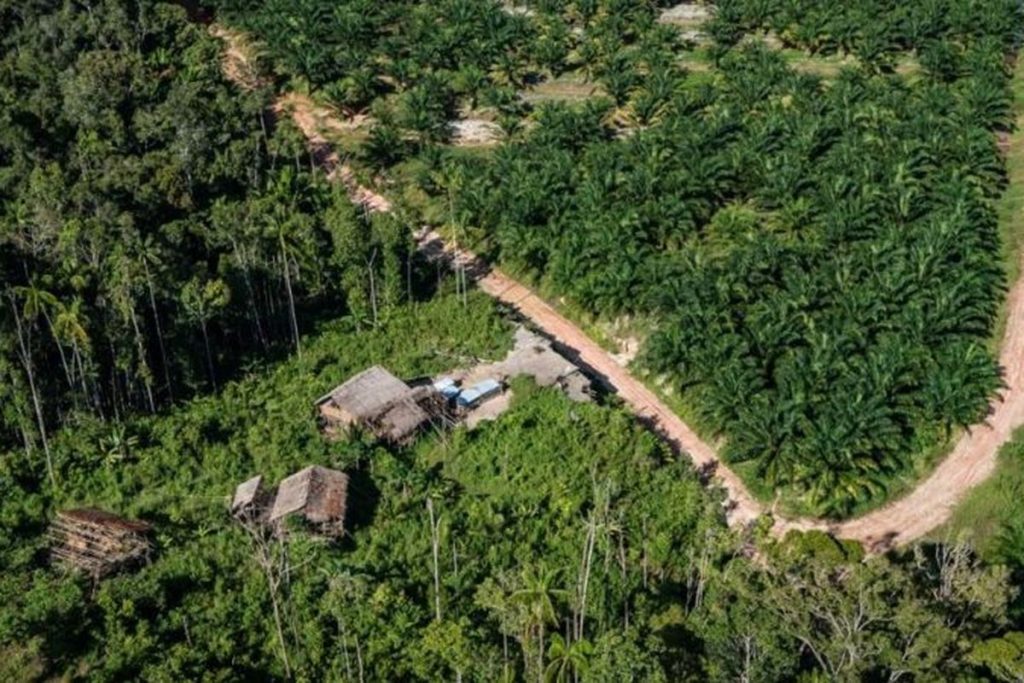
Forests cover much of Papua New Guinea, but some areas have experienced increasing land-use pressure over time. Logging activities, agricultural expansion, infrastructure development, and changing land practices can contribute to forest loss and habitat fragmentation in certain regions.
Deforestation does not occur evenly across the country. Some remote rainforest areas remain largely intact, while others closer to roads, ports, or development zones may experience more rapid environmental change.
When forests are cleared or fragmented, wildlife habitats can become separated into smaller sections. This fragmentation may affect species movement, breeding patterns, and access to food sources. Species adapted to dense rainforest conditions are often especially sensitive to habitat disruption.
Changes in land cover may also influence river systems and soil stability. Forest vegetation helps regulate water flow, reduce erosion, and maintain watershed conditions in tropical environments. In steep mountainous areas, vegetation loss can increase the risk of soil disturbance during periods of heavy rainfall.
Agricultural expansion is another factor shaping some landscapes. Different regions may transition portions of forest land into gardens, plantations, or mixed-use environments depending on local economic activities and population growth.
Because Papua New Guinea contains exceptionally high biodiversity, land-use changes can have significant ecological effects in areas where species distributions are highly localized.
Climate and Weather Changes
Papua New Guinea’s environment is also influenced by changing climate and weather patterns. Tropical ecosystems are naturally shaped by rainfall, temperature, seasonal winds, and ocean conditions, so shifts in these systems may affect both natural habitats and coastal communities.
Coastal areas are among the environments most sensitive to changing weather conditions. Some shoreline regions experience increased coastal erosion, flooding, or saltwater intrusion during strong storms or unusually high tides.
Rainfall variability can also influence river systems, agriculture, wetlands, and forest ecosystems. Some regions may experience heavier rainfall periods, while others face longer dry conditions than historically expected.
Mountain ecosystems are particularly sensitive because species living in cooler high-altitude environments often occupy narrow ecological ranges. Changes in temperature or moisture conditions may gradually influence vegetation zones and wildlife habitats in certain areas.
Coral reefs are also affected by ocean conditions. Coral ecosystems depend on stable environmental factors such as water temperature and water quality. Periods of unusually warm ocean temperatures may place stress on reef systems in some marine regions.
Because Papua New Guinea contains ecosystems ranging from alpine highlands to tropical coral reefs, environmental changes may affect different habitats in very different ways.
Plastic Waste and Urban Environmental Issues
Urban environmental challenges are becoming increasingly important in some towns and cities across Papua New Guinea. Population growth, changing consumption patterns, and expanding urban areas can create additional pressure on waste management systems and local infrastructure.
Plastic waste is one of the visible environmental concerns in certain urban and coastal areas. Improper disposal of plastic materials may contribute to pollution in rivers, drainage systems, beaches, and nearshore marine habitats.
In areas with limited waste collection infrastructure, litter accumulation can affect waterways and surrounding ecosystems, especially during heavy rainfall when debris is carried into rivers or coastal environments.
Urban expansion may also influence nearby wetlands, mangrove systems, and coastal habitats. As cities grow, balancing infrastructure development with environmental management becomes increasingly important.
Water quality, drainage systems, and waste disposal practices are often closely connected to environmental conditions in densely populated areas. These issues are not unique to Papua New Guinea and are common in many rapidly developing tropical regions.
Despite these environmental pressures, many forest, river, and marine ecosystems across Papua New Guinea continue to retain high ecological value. Ongoing conservation projects, community initiatives, and environmental awareness efforts aim to support long-term sustainability while recognizing the country’s unique biodiversity and cultural connections to nature.
Conservation and Sustainability Efforts
Conservation and sustainability efforts in Papua New Guinea involve a combination of community participation, protected areas, environmental organizations, and traditional stewardship practices. Because the country contains extensive rainforest, mountain, wetland, and marine ecosystems, conservation approaches often vary depending on local geography and cultural traditions.
Many conservation initiatives in Papua New Guinea focus on balancing environmental protection with the needs of local communities. Since much of the land is traditionally managed by indigenous groups, local participation is often an important part of environmental decision-making and resource management.
Conservation activities may involve rainforest protection, marine conservation, biodiversity research, sustainable land use, wildlife monitoring, and environmental education programs. In some regions, communities, researchers, and organizations work together to support long-term ecosystem management while maintaining traditional connections to the environment.
Protected Areas and Conservation Projects
Papua New Guinea contains national parks, wildlife management areas, marine conservation zones, and community-managed protected regions designed to help preserve biodiversity and important ecosystems.
Protected areas may include rainforest habitats, mountain ecosystems, wetlands, coral reefs, and coastal environments. Some projects focus on safeguarding habitats for rare wildlife species, while others emphasize broader ecosystem protection and sustainable land use.
Wildlife management areas are particularly important in Papua New Guinea because they often involve cooperation between local communities and conservation groups. In these systems, communities may continue traditional activities while also participating in habitat protection and wildlife monitoring.
Marine conservation projects are also increasingly important in coastal and island regions. Coral reefs, mangrove forests, and seagrass habitats support fisheries, biodiversity, and coastal stability, making marine ecosystem protection a priority in some areas.
Conservation organizations and research groups frequently study Papua biodiversity because many ecosystems remain scientifically important and relatively underexplored. Field studies may focus on birds, amphibians, forest ecology, marine biodiversity, or climate-related environmental changes.
Environmental education programs also contribute to conservation awareness by helping communities, schools, and visitors better understand local ecosystems and biodiversity.
Community-Led Conservation
Community-led conservation is one of the defining features of environmental protection in Papua New Guinea. Since much land remains under customary ownership, local communities often play direct roles in managing forests, rivers, reefs, and wildlife habitats.
Traditional ecological knowledge can contribute to conservation efforts through long-established practices related to seasonal harvesting, land stewardship, and resource management.
In some regions, communities establish locally managed conservation zones to help maintain forest or marine ecosystems while still supporting sustainable livelihoods. These approaches may involve limiting certain activities in sensitive areas or protecting habitats important for wildlife breeding and biodiversity.
Sustainable forest management initiatives sometimes encourage selective land use practices that reduce environmental pressure while maintaining local economic activities.
Community involvement is particularly important because Papua New Guinea ecosystems are highly diverse and geographically complex. Local residents often possess detailed environmental knowledge about species behavior, seasonal conditions, river systems, and forest landscapes.
Conservation efforts are generally most effective when they reflect both ecological priorities and local cultural connections to the environment.
Ecotourism and Environmental Awareness
Ecotourism has become one way of promoting environmental awareness while supporting interest in Papua New Guinea nature and biodiversity.
Birdwatching tourism is especially popular because Papua New Guinea is home to many bird-of-paradise species and other tropical birds found nowhere else in the world. Researchers, photographers, and bird enthusiasts often visit rainforest and highland regions to observe wildlife in natural habitats.
Diving tourism is another important area connected to marine conservation awareness. Coral reefs around Papua New Guinea attract divers interested in reef biodiversity, underwater photography, and marine ecosystems associated with the Coral Triangle.
Island environments, lagoons, coral gardens, and reef walls provide opportunities for observing tropical fish, coral formations, and other marine life.
Cultural tourism also overlaps with environmental interest in some regions. Visitors may learn about traditional relationships with forests, rivers, or coastal ecosystems through guided experiences connected to local communities.
Responsible tourism can help increase awareness of biodiversity and conservation while encouraging appreciation for tropical ecosystems and indigenous environmental knowledge.
At the same time, sustainability discussions in Papua New Guinea often emphasize the importance of protecting ecosystems without separating them from the people who live within them. Forests, rivers, reefs, and mountains are not only important ecological systems but also part of everyday life for many communities across the country.
As environmental awareness continues to grow globally, Papua New Guinea remains an important example of how biodiversity, traditional stewardship, and conservation efforts intersect within one of the world’s richest tropical environments.
Interesting Expert-Level Facts About the Papua New Guinea Environment
Papua New Guinea contains some of the most biologically fascinating and geographically complex ecosystems in the world. Its combination of tropical climate, mountainous terrain, island geography, and ecological isolation has created environments that continue to attract scientific attention today.
Many parts of the country remain relatively underexplored from a biological perspective, especially in remote mountain forests and isolated valleys. As a result, Papua New Guinea is often considered one of the last major tropical regions where scientists still regularly encounter previously undocumented species and ecosystems.
The following facts help illustrate why the Papua New Guinea environment is globally significant from both ecological and scientific perspectives.
PNG Contains Some of the Least Explored Forests on Earth
Large sections of Papua New Guinea rainforest remain difficult to access because of steep mountains, dense vegetation, heavy rainfall, and limited transportation networks.
In some areas, researchers travel by small aircraft, river canoe, or extended trekking routes to reach remote ecosystems. Certain mountain valleys and forest regions have experienced very limited scientific surveying compared to tropical regions elsewhere in the world.
Because of this isolation, some habitats continue to preserve ecological conditions that have changed little over long periods.
Scientists Still Discover New Species in Remote Areas
Biologists working in Papua New Guinea periodically identify species that were previously unknown to science. Discoveries often include frogs, insects, orchids, reptiles, and small mammals living in isolated habitats.
Mountain cloud forests are especially important for biodiversity research because many species living there occupy extremely narrow ecological ranges.
Some amphibians, for example, may exist only within a single mountain range or forest system. Insects and orchids also show very high levels of localized diversity.
Marine environments surrounding Papua New Guinea continue to reveal new reef organisms and lesser-known marine species as underwater exploration expands.
Some Mountain Ecosystems Exist Only Within Isolated Valleys
Papua mountains create natural barriers between ecosystems. Deep valleys and steep ridges often separate habitats from one another, limiting species movement over long periods.
This geographic isolation contributed to independent evolution in many regions. As species adapted to local environmental conditions, neighboring valleys sometimes developed different ecological communities despite being relatively close together geographically.
In some highland areas, vegetation zones shift rapidly over short distances because of altitude and rainfall differences. Lowland tropical rainforest can transition into montane forest and eventually cloud forest within a relatively compact geographic area.
These environmental transitions help explain why Papua ecology is so unusually diverse.
Coral Reefs Around PNG Are Among the Richest Marine Habitats Globally
Papua New Guinea lies within the Coral Triangle, a marine region known for extraordinary coral and reef fish diversity.
Coral reefs around the country support highly complex underwater ecosystems filled with reef fish, corals, crustaceans, mollusks, sea turtles, and countless smaller organisms.
Some reef environments contain exceptionally high coral species diversity compared to many other parts of the world. The combination of warm tropical waters, island geography, and ocean current systems helps support this marine richness.
Different reef systems may also vary significantly between islands, lagoons, coastal reefs, and deeper offshore habitats.
Traditional Ecological Systems Often Regulate Hunting and Harvesting Seasons
In many communities, traditional ecological knowledge historically helped regulate how natural resources were used throughout the year.
Seasonal observations involving rainfall, river conditions, fish movement, plant growth, or animal behavior sometimes influenced hunting, fishing, or harvesting practices.
Certain areas or periods may have been temporarily avoided or used selectively depending on local traditions and environmental conditions.
Although practices vary widely across Papua New Guinea’s many cultural groups, these systems often reflected long-term observation of local ecosystems and seasonal environmental patterns.
Highlands Ecosystems Differ Dramatically From Coastal Rainforests
One of the most striking features of Papua New Guinea nature is how quickly ecosystems can change across the country.
Highland regions may experience cool temperatures, cloud-covered forests, mossy vegetation, and alpine grasslands. In contrast, lowland coastal areas are typically hot, humid, and dominated by tropical rainforest or mangrove ecosystems.
Wildlife species also differ between these environments. Mountain forests support species adapted to cooler conditions, while lowland rainforests and coastal habitats contain very different ecological communities.
This environmental variation contributes to the country’s exceptional biodiversity despite its relatively compact geographic size.
From cloud forests in isolated mountains to coral reefs surrounding tropical islands, the Papua New Guinea environment remains one of the most ecologically diverse regions in the Pacific. Its landscapes continue to provide valuable insight into tropical biodiversity, species evolution, and the relationship between geography and ecosystem development.

Best Natural Destinations in Papua New Guinea
Papua New Guinea contains a wide range of natural destinations shaped by rainforest ecosystems, volcanic islands, mountain landscapes, wetlands, and coral reefs. Because the country’s geography changes dramatically between regions, visitors can experience very different environments within the same nation.
Some destinations are known for cloud forests and cool highland scenery, while others are recognized for marine biodiversity, river systems, or dense tropical rainforest habitats. Many areas also reflect the close relationship between local communities and surrounding ecosystems.
The following regions are among the best known for showcasing the diversity of the Papua New Guinea environment.
Highlands Ecosystems
The Papua New Guinea highlands are famous for dramatic mountain scenery, cool temperatures, and extensive forest ecosystems. Compared to humid coastal areas, highland regions often feel noticeably cooler because of their elevation.
Mountain landscapes include steep valleys, forest-covered slopes, grasslands, and cloud forests that are frequently covered in mist. In higher elevations, vegetation changes from dense rainforest into mossy montane forest environments rich in ferns, orchids, and epiphytic plants.
These ecosystems support unique wildlife adapted to cooler mountain conditions. Certain bird species, tree kangaroos, and amphibians are associated mainly with highland forest habitats.
The highlands are also important for understanding Papua ecology because environmental conditions can shift rapidly over short distances. Travelers moving between valleys may notice major changes in vegetation, rainfall, and temperature patterns.
Birdwatchers and nature enthusiasts often visit highland areas to observe bird-of-paradise species in forest habitats. Mountain trekking routes also provide opportunities to experience remote rainforest and cloud forest landscapes.
Milne Bay and Island Ecosystems
Milne Bay Province is widely recognized for marine biodiversity and island ecosystems connected to the Coral Triangle.
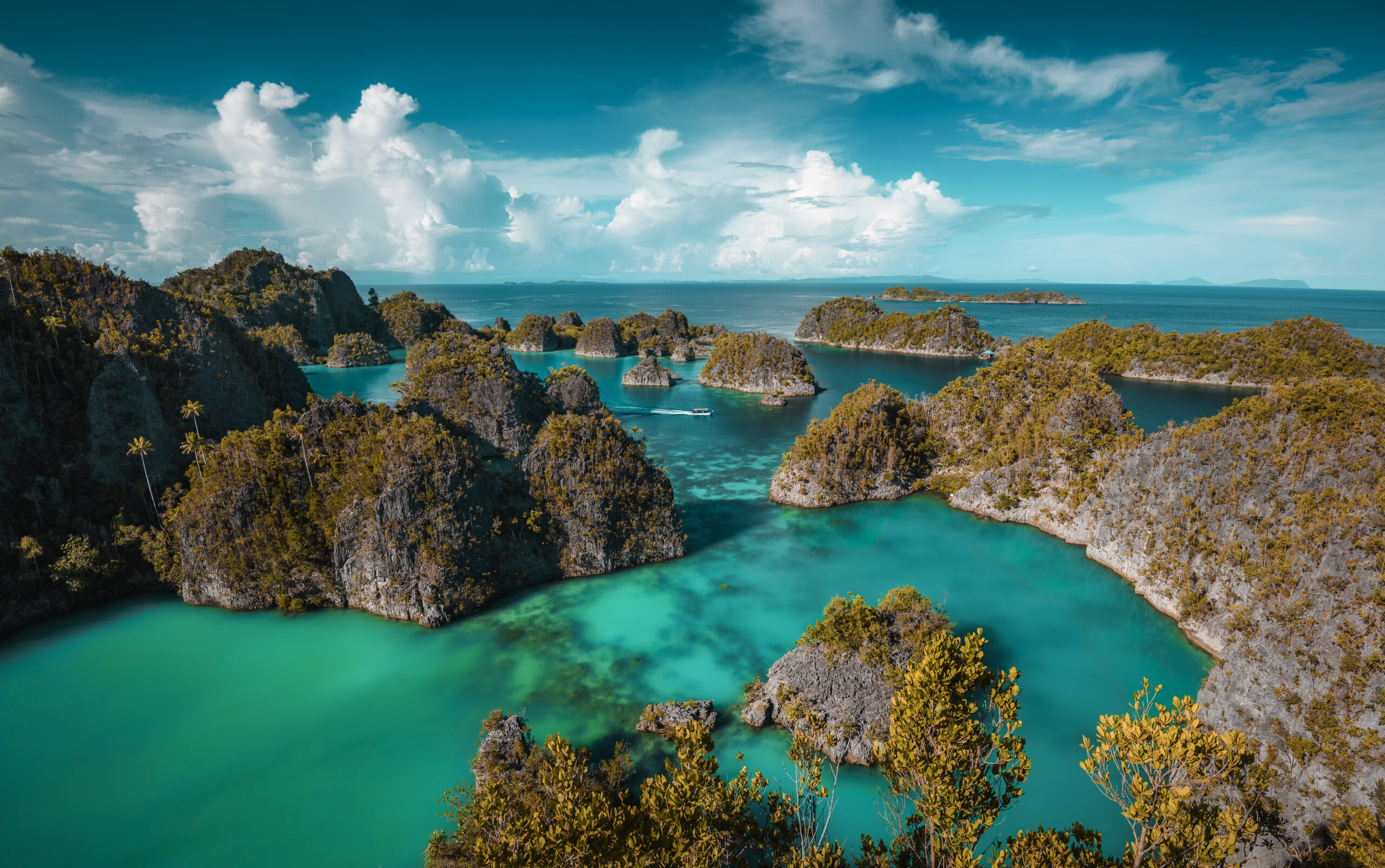
The region contains coral reefs, lagoons, small islands, mangrove forests, and tropical coastlines supporting diverse marine habitats. Clear tropical waters and extensive reef systems make Milne Bay especially popular among divers and underwater photographers.
Coral reefs in the area support reef fish, coral formations, sea turtles, and a wide variety of smaller marine organisms. Different reef environments may include shallow coral gardens, reef walls, seagrass habitats, and sheltered lagoon ecosystems.
Island environments also contain rainforest habitats and coastal vegetation shaped by tropical climate conditions and ocean influences.
Because many islands remain relatively isolated, local ecosystems can vary significantly between neighboring areas. Some islands support unique combinations of coastal forest, mangrove habitat, and marine biodiversity within compact geographic spaces.
Milne Bay is often viewed as one of the best regions for experiencing the marine side of Papua New Guinea nature.
Sepik River Region
The Sepik River region is one of the country’s most culturally and environmentally distinctive areas.
The river system flows through extensive rainforest and wetland landscapes that support rich biodiversity and interconnected freshwater habitats. Floodplains, swamp forests, and marsh environments create ideal conditions for fish, reptiles, birds, and aquatic plant species.
Travel through the Sepik region often centers around river transport because waterways remain major transportation routes in many areas.
The surrounding rainforest and wetland ecosystems provide insight into how freshwater environments shape local ecological systems and community life.
The region is also known for traditional artistic practices, including wood carving and ceremonial traditions closely connected to river culture and surrounding natural landscapes.
From an environmental perspective, the Sepik River demonstrates how rivers, wetlands, forests, and communities interact within tropical ecosystems.
Kokoda Track Natural Scenery
The Kokoda Track is internationally known for both historical significance and rugged natural landscapes.
The trail passes through rainforest-covered mountains, river crossings, steep valleys, and dense tropical vegetation. Travelers moving along the route experience a range of ecological zones shaped by altitude and changing weather conditions.
Rainforest ecosystems along the Kokoda region contain tropical plants, moss-covered forest areas, waterfalls, and mountain streams. High humidity and frequent rainfall contribute to lush vegetation throughout much of the route.
Wildlife in the area includes birds, insects, amphibians, and forest species adapted to mountainous rainforest environments.
The Kokoda region also illustrates the physical diversity of Papua New Guinea landscapes. Within relatively short distances, ecosystems may shift from lowland rainforest into cooler montane forest environments.
For many visitors, the trail provides an opportunity to observe how mountains, forests, rivers, and tropical climate interact across one of the country’s most rugged natural regions.
Together, these destinations highlight the extraordinary environmental diversity found across Papua New Guinea. From cloud forests and mountain valleys to coral reefs and tropical wetlands, the country contains a remarkable variety of ecosystems that continue to shape its wildlife, landscapes, and cultural traditions.
FAQ Section
What is the environment like in Papua New Guinea?
The Papua New Guinea environment is extremely diverse and includes tropical rainforests, mountain ecosystems, wetlands, rivers, mangrove forests, coral reefs, and island habitats. The country is known for its dense forests, rugged highlands, rich marine ecosystems, and high biodiversity. Environmental conditions vary greatly between coastal regions, river systems, and mountainous inland areas.
Why is Papua New Guinea biodiverse?
Papua New Guinea is biodiverse because of its tropical climate, varied geography, and long geographic isolation. Mountains, valleys, islands, and rainforest habitats created separate ecological zones where many species evolved independently over long periods. This isolation contributed to the development of many endemic plants and animals found nowhere else in the world.
What animals live in Papua New Guinea?
Papua New Guinea wildlife includes bird-of-paradise species, tree kangaroos, cassowaries, parrots, cuscus species, reptiles, frogs, butterflies, and thousands of marine organisms. The country is also home to many insects, orchids, reef fish, and forest animals adapted to tropical rainforest ecosystems.
Does Papua New Guinea have rainforests?
Yes, Papua New Guinea contains extensive tropical rainforest coverage across both the mainland and surrounding islands. These forests include lowland rainforest, montane forest, cloud forest, and mangrove ecosystems. Papua New Guinea rainforests are considered among the most biologically rich tropical forest systems in the Pacific region.
What environmental challenges does Papua New Guinea face?
Some environmental challenges in Papua New Guinea include deforestation, habitat fragmentation, plastic waste, urban environmental pressure, coastal erosion, and changing climate conditions. Environmental impacts vary by region and may affect forests, rivers, wetlands, coral reefs, and coastal ecosystems differently.
Why are Papua New Guinea coral reefs important?
Papua New Guinea coral reefs are important because they support high marine biodiversity within the Coral Triangle. Reef ecosystems provide habitat for fish, corals, crustaceans, sea turtles, and many smaller marine organisms. Coral reefs also contribute to fisheries, tourism, and coastal ecological stability.
How do indigenous communities protect the environment?
Many indigenous communities in Papua New Guinea maintain traditional ecological knowledge related to forests, rivers, wildlife, and seasonal environmental patterns. Community stewardship, customary land management, and local conservation practices often play important roles in protecting natural ecosystems and managing natural resources sustainably.
What is the Coral Triangle?
The Coral Triangle is a marine region in the Pacific and Southeast Asia known for exceptionally high coral and marine biodiversity. Papua New Guinea is part of this region along with several neighboring countries. The Coral Triangle contains some of the world’s richest coral reef ecosystems and supports thousands of marine species.
Conclusion
Papua New Guinea is one of the world’s most environmentally diverse countries, containing tropical rainforests, mountain ecosystems, rivers, wetlands, mangrove forests, and coral reefs spread across both mainland and island landscapes. Its geography and long ecological isolation helped create extraordinary biodiversity, including many endemic species found nowhere else on Earth.
From cloud forests in the highlands to marine habitats within the Coral Triangle, the Papua New Guinea environment supports complex ecosystems that continue to attract scientific interest and conservation attention. Rivers such as the Sepik, extensive rainforest systems, and rich coral reef environments all contribute to the country’s ecological importance within the Pacific region.
The relationship between indigenous communities and nature also remains an important part of Papua New Guinea ecology. Traditional environmental knowledge, customary land stewardship, and local cultural connections to forests and rivers continue to shape how many communities interact with surrounding ecosystems.
Although Papua New Guinea faces environmental pressures such as deforestation, urban waste challenges, and changing climate conditions, large areas of forest and marine habitat still retain significant ecological value. Ongoing conservation efforts, community participation, and growing environmental awareness continue to support the protection of these diverse natural systems.
As one of the planet’s major biodiversity hotspots, Papua New Guinea offers a unique example of how tropical rainforests, mountain environments, river systems, and coral reef ecosystems can exist together within a single interconnected landscape.
If you’re looking for Papua herbal products, start with a trusted source. Experience authentic, high-quality red fruit products at Cahya Red Fruit Papua New Guinea! We offer a wide variety of items besides Red Fruit Papua New Guinea — including Papua ant nest and Papua kebar grass. Check out our herbal wellness product in our website!