How Homemade Tea Can Support Your Immune System
A Quick Look at How Immunity Works
Your immune system is your body’s natural defense network, constantly working to protect you from harmful invaders like viruses, bacteria, and other pathogens. It includes a combination of physical barriers (like your skin and mucous membranes), cells (such as white blood cells and antibodies), and specialized molecules that work together to fight off infections and heal wounds. Drinking the correct tea may boost your immune system.
There are two main components to your immunity:
- Innate Immunity: Your body’s first line of defense, designed to respond quickly and non-specifically to threats.
- Adaptive Immunity: This is a slower but more precise defense, learning and remembering pathogens to mount a stronger defense the next time you’re exposed.
Your lifestyle and diet play a crucial role in how well your immune system functions. A healthy diet rich in antioxidants, vitamins, and minerals can help keep your immune cells in top shape, reduce oxidative stress, and support your body’s ability to fight inflammation. The same goes for herbal teas—many herbs and plant compounds, when consumed regularly, can contribute to overall immune system support.
Tea, in particular, plays a valuable role in immune health by offering hydration, providing antioxidants, and modulating inflammation. The warmth of hot tea also helps soothe your respiratory system, while the bioactive compounds in tea—such as polyphenols, flavonoids, and essential oils—can help maintain gut health, support inflammation balance, and enhance immune responses.
In short, while tea alone won’t fight off infections, when combined with a healthy lifestyle, it can certainly help support your immune system.
Why Tea and Herbs Are So Popular for Immune Support
Herbal teas have been celebrated for centuries not only for their comforting warmth but also for their potential health benefits. When it comes to immune support, the popularity of teas lies in their ability to provide hydration, deliver phytochemicals, and offer soothing properties—all of which can positively influence immune health.
Hot infusions like tea offer multiple advantages for the body:
- Hydration: Staying hydrated is essential for overall health, including immune function. Proper hydration helps maintain optimal blood flow and supports the body’s natural detoxification processes.
- Warmth: The comforting warmth of tea can help soothe sore throats and congested respiratory systems, providing immediate relief, especially during cold seasons.
- Phytochemicals: The plant compounds in tea—like polyphenols, flavonoids, and essential oils—have powerful effects on the body. These compounds are known to:
- Help gut barrier function: A large portion of the immune system resides in the gut. Teas rich in antioxidants and polyphenols can help maintain gut health, which in turn supports immune resilience.
- Regulate inflammatory pathways: Many teas, especially green tea and herbal infusions, have been shown to modulate inflammatory signaling pathways (such as NF-κB and cytokines). Inflammation plays a critical role in immune responses, and keeping it balanced is essential for maintaining immune function.
- Help gut barrier function: A large portion of the immune system resides in the gut. Teas rich in antioxidants and polyphenols can help maintain gut health, which in turn supports immune resilience.
Importantly, while herbal teas can support your immune system, they are not a replacement for professional medical treatment when needed. Teas can provide a boost, but they should be seen as part of a broader strategy to maintain overall health, rather than a quick fix for illness.
Core Ingredients for Homemade Immune Teas (Science-Backed)
When it comes to supporting your immune system with homemade teas, certain ingredients stand out due to their proven health benefits. These ingredients have been studied for their ability to help reduce inflammation, fight oxidative stress, and improve immune cell function. Below, we’ll take a closer look at the most popular immune-boosting ingredients you can incorporate into your tea recipes.
Green Tea: Polyphenol-Packed Immune Ally
Green tea is often hailed as one of the most powerful beverages for immune health. It’s rich in catechins (especially EGCG), a type of polyphenol that has demonstrated antioxidant, anti-inflammatory, and immunomodulatory effects.
Scientific evidence shows that the components in green tea can:
- Support natural killer (NK) cell activity: These are key immune cells that help your body fight off infections and tumors.
- Reduce inflammatory mediators: Polyphenols in green tea can help modulate inflammation by reducing the levels of certain inflammatory molecules (like cytokines).
Adding green tea to your immune-support routine could help maintain immune cell function and enhance your body’s ability to defend against threats.
Ginger: Warming Root With Anti-Inflammatory Power
Ginger is one of the most widely used herbs in traditional medicine, particularly for its ability to support digestive health and reduce nausea. But its role in immune health is equally important. Ginger contains gingerols, shogaols, and other bioactive compounds that give it its signature spicy kick—and these compounds have demonstrated antioxidant and anti-inflammatory properties.
Research suggests that ginger can help:
- Reduce oxidative stress: By neutralizing free radicals in the body, ginger can prevent damage to cells and tissues.
- Modulate inflammation: Ginger is often used to ease conditions related to inflammation, such as joint pain and respiratory issues.
Including ginger in your tea helps fight inflammation and may even offer some relief if you’re dealing with cold or flu symptoms.
Turmeric: Golden Spice for Inflammation Balance
Turmeric, often associated with the vibrant yellow color in curries, contains curcumin, its primary active compound. Curcumin has been shown to have potent anti-inflammatory effects, and it plays a role in modulating several immune-related pathways in the body.
Research indicates that turmeric can:
- Balance inflammation: It helps regulate the body’s inflammatory response, which is important for immune system health.
- Enhance immune function: By interacting with immune cells, curcumin may support the body’s ability to fight infections and manage stress.
For better absorption of curcumin, it’s commonly paired with black pepper (which contains piperine) and a fat source. This combination boosts curcumin’s bioavailability, making it more effective in supporting your immune health.
Citrus and Hibiscus: Natural Vitamin C and Polyphenols
Citrus fruits (like lemons, oranges, and limes) and hibiscus are two standout ingredients when it comes to supporting your immune system. Both are rich in vitamin C, a key nutrient known to boost the immune system by stimulating the production of white blood cells and acting as an antioxidant.
Key benefits:
- Citrus: High in vitamin C and flavonoids, which help protect the body from oxidative stress and support overall immune resilience.
- Hibiscus: Contains anthocyanins, another group of potent antioxidants that support immune function and may even reduce the severity of colds.
The combination of these ingredients in tea helps provide a natural defense against seasonal illnesses and promotes overall health.
Echinacea, Elderberry, and Classic “Cold Season” Herbs
When the weather turns chilly, many people turn to echinacea and elderberry as go-to herbs for immune support. Both have been traditionally used to help prevent or reduce the severity of colds and respiratory infections.
Echinacea: Some studies suggest that echinacea may help:
- Reduce the severity and duration of cold symptoms, especially when taken early.
- Stimulate immune cell activity, which may boost the body’s ability to fight off pathogens.
Elderberry: Rich in anthocyanins (like those in hibiscus), elderberry is often used for its ability to:
- Support upper respiratory health by helping to reduce symptoms like congestion and sore throat.
- Boost vitamin C levels, which is essential for immune function.
Though beneficial, these herbs should be used with caution. For instance, echinacea may not be suitable for those with autoimmune conditions, and elderberry should be consumed with care to avoid allergic reactions.
Honey and Cinnamon: Soothing Add-Ons
Honey and cinnamon aren’t just tasty—they also offer a range of health benefits that can support your immune system.
- Honey: Particularly darker varieties like manuka honey, has antioxidant and antimicrobial properties. It’s soothing for sore throats and may even help fight bacteria, making it a wonderful addition to immune-supporting teas. (Note: Honey should never be given to children under 1 year old due to the risk of botulism.)
- Cinnamon: Contains polyphenols, which offer antioxidant and anti-inflammatory benefits. Cinnamon has also been used to help balance blood sugar levels, which can indirectly support immune function by stabilizing energy levels.
Together, honey and cinnamon add flavor and a range of immune-boosting properties to any tea.
7 Homemade Tea Recipes for Immune System Support
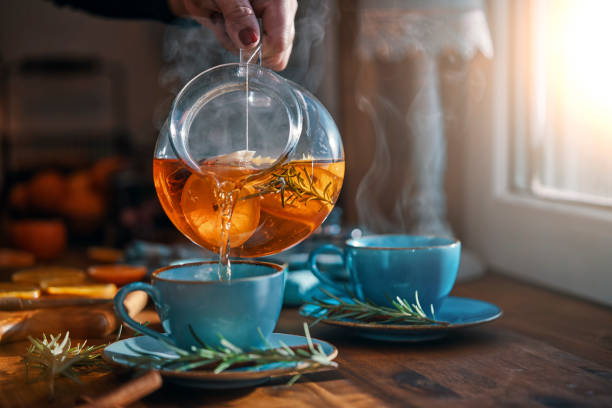
Now that we’ve discussed some powerful immune-boosting ingredients, let’s dive into the fun part—actual recipes! These tea blends incorporate some of the most effective herbs and ingredients for supporting your immune system. Each recipe is designed to be simple, enjoyable, and packed with health benefits.
1. Classic Ginger–Lemon Immune Tea
Ingredients (1 serving):
- Fresh ginger slices (about 1–2 inches)
- Fresh lemon juice (from 1/2 lemon) + lemon peel (optional)
- Honey (optional, but avoid for children under 1 year old)
Method:
- In a small pot, bring about 1–2 cups of water to a boil.
- Add the ginger slices and reduce heat. Let it simmer for 10–15 minutes.
- Remove from heat, strain out the ginger, and stir in the fresh lemon juice and honey.
- Serve hot and enjoy!
Why It Helps:
- Ginger: Acts as a powerful anti-inflammatory and antioxidant, reducing oxidative stress and boosting immune response.
- Lemon: Rich in vitamin C and flavonoids, lemon enhances immune cell function and helps fight off infections.
2. Turmeric–Ginger “Jamu-Inspired” Immune Tea
Ingredients:
- Fresh turmeric root (1–2 inches), peeled and crushed
- Fresh ginger root (1 inch), peeled and crushed
- A pinch of black pepper
- Optional: Lemongrass or tamarind for added flavor
- Honey (optional)
Method:
- In a saucepan, combine the turmeric and ginger with 2 cups of water. Bring to a simmer for about 10 minutes.
- Add a pinch of black pepper to enhance the absorption of curcumin.
- Strain the tea and stir in a teaspoon of honey, if desired.
- Serve hot, and enjoy this aromatic and soothing tea.
Why It Helps:
- Turmeric and ginger work together to reduce inflammation and support immune function. The addition of black pepper helps the body absorb curcumin, the active compound in turmeric, more effectively.
3. Green Tea With Citrus and Honey
Ingredients:
- Green tea leaves or tea bag (1 serving)
- 1 slice of lemon or orange
- Honey (optional)
Method:
- Brew the green tea in hot water (around 70–80°C) for about 2–3 minutes.
- Add a slice of lemon or orange and stir in honey once the tea has cooled slightly.
- Serve hot or iced, and enjoy!
Why It Helps:
- Green tea is rich in EGCG (epigallocatechin gallate) and other polyphenols, which help regulate immune function and reduce inflammation.
- Citrus provides an additional boost of vitamin C, which is essential for immune health.
4. Hibiscus–Cinnamon–Clove “Ruby Defense” Tea
Ingredients:
- Hibiscus petals (1–2 tablespoons)
- 1 cinnamon stick
- A few whole cloves
Method:
- Boil 2 cups of water and add the hibiscus petals, cinnamon stick, and cloves.
- Simmer for 10–15 minutes, allowing the flavors to meld.
- Strain and serve hot.
Why It Helps:
- Hibiscus is packed with anthocyanins and vitamin C, offering strong antioxidant support.
- Cinnamon and cloves add warming, anti-inflammatory properties, which may help soothe a sore throat and boost circulation.
5. Echinacea–Peppermint “Cold Season” Infusion
Ingredients:
- Dried echinacea root or echinacea tea bag (1 serving)
- Peppermint leaves (1–2 teaspoons)
Method:
- Steep the echinacea root or tea bag in hot water for 5–10 minutes.
- Add the peppermint leaves to the tea and let them steep for an additional 2–3 minutes.
- Strain and serve hot.
Why It Helps:
- Echinacea is commonly used to reduce the duration and severity of colds.
- Peppermint has soothing properties and supports digestion, making this a great tea for comfort during cold season.
6. Chamomile–Lemon Balm “Rest & Repair” Tea
Ingredients:
- Chamomile flowers (1–2 teaspoons or 1 tea bag)
- Lemon balm leaves (1–2 teaspoons)
Method:
- Steep the chamomile flowers and lemon balm leaves in hot water for 5–7 minutes.
- Strain and serve hot, preferably before bed.
Why It Helps:
- Chamomile and lemon balm have calming effects, helping you to relax and sleep better.
- Better sleep is linked to improved immune function, as your body repairs itself during rest.
7. Papua Red Fruit–Infused Herbal Tea (Buah Merah Twist)
Ingredients:
- Mild herbal tea base (such as ginger and lemongrass, or chamomile)
- A few drops of Papua red fruit oil (buah merah oil, as per product guidelines)
Method:
- Brew your base herbal tea (such as ginger-lemongrass or chamomile) as usual.
- Once the tea is brewed and slightly cooled, add the recommended amount of Papua red fruit oil (based on your product’s instructions).
- Stir and enjoy!
Why It Helps:
- Papua red fruit oil is rich in carotenoids and vitamin E, both powerful antioxidants that support immune cell function and help protect against oxidative stress.
- Combining red fruit oil with a mild herbal base provides extra support for your skin and mucosal barriers, which play a crucial role in immune defense.

Deep Dive: How Papua Red Fruit (Buah Merah) Supports Immune Health
What Makes Papua Red Fruit So Special?
Papua red fruit is a rare fruit native to the island of Papua, Indonesia. It’s been traditionally used by local communities to support general health and stamina. What sets this fruit apart is its high concentration of beneficial compounds, particularly in its oil and puree. These compounds include:
- Carotenoids: Provitamin A compounds like beta-carotene which play a critical role in immune function, vision, and skin health.
- Tocopherols (Vitamin E): These antioxidants help protect cells from oxidative damage and support overall immune resilience.
- Unsaturated fatty acids: Including oleic acid and linoleic acid, which are known for their anti-inflammatory effects and their ability to support cardiovascular health.
The combination of these nutrients makes Papua red fruit a powerful ally in supporting your immune system and overall health.
Antioxidant and Immunomodulatory Effects
The high concentration of carotenoids and tocopherols in Papua red fruit gives it a potent antioxidant capacity. These antioxidants help protect your cells from damage caused by oxidative stress, which can negatively impact immune cell function and lead to inflammation.
Research on the fruit has shown that it has significant immunomodulatory effects, meaning it helps regulate the immune system’s response. This can be particularly beneficial in maintaining balanced immune function—helping the body defend against infections while preventing excessive inflammation that can lead to autoimmune conditions.
Key benefits:
- Antioxidant support: The carotenoids and tocopherols found in red fruit can help neutralize free radicals, reducing oxidative stress that could otherwise dysregulate immune responses.
- Immunomodulation: These compounds may help ensure the immune system’s responses are appropriate—not too weak (leading to infections) and not too strong (leading to autoimmune reactions).
Why Combining Buah Merah With Tea Makes Sense
Integrating Papua red fruit oil into your tea routine offers a unique way to enhance your immune-supporting efforts. Here’s why combining red fruit oil with tea makes sense:
- Hot tea provides hydration, which is essential for maintaining healthy immune function and supporting the body’s natural detoxification processes.
- Polyphenols from tea (like catechins in green tea or anthocyanins in hibiscus) complement the antioxidant action of red fruit oil, working synergistically to protect your body from oxidative stress.
- Fat-soluble absorption: Because carotenoids and tocopherols are fat-soluble, adding red fruit oil to your tea allows for better absorption of these beneficial compounds compared to other methods.
Together, tea and red fruit oil support gut health, enhance skin and mucosal barrier integrity, and help regulate oxidative stress and inflammation. This makes for a highly effective immune-supporting ritual.
Practical Ways to Use Papua Red Fruit in Your Tea Ritual
To incorporate Papua red fruit into your tea ritual, follow these simple steps:
- Ginger–Turmeric Tea: After brewing your ginger and turmeric tea, add a few drops of Papua red fruit oil (based on product guidelines) once it has cooled slightly. The oil blends well with the tea’s natural oils and enhances its immune-boosting properties.
- Chamomile Night-Time Tea: Add a drop or two of red fruit oil to your chamomile tea for an extra dose of antioxidants before bedtime.
- Lemon Water: For a caffeine-free option, simply stir in some Papua red fruit oil into warm water with lemon. This is a refreshing way to start your day while supporting your immune system.
It’s important to follow the product’s instructions for the amount of red fruit oil to use, as consistency is key for its effects. Larger doses aren’t necessary—small, regular servings can have a big impact.
Safety and Who Should Be Careful
While Papua red fruit offers excellent health benefits, there are a few groups of people who should exercise caution:
- Pregnant or breastfeeding women: It’s always a good idea to consult with a healthcare provider before adding new supplements or oils to your routine during pregnancy or breastfeeding.
- People with chronic health conditions: If you have liver disease or are on medications (especially immunosuppressive drugs), it’s essential to consult with a healthcare provider before adding Papua red fruit oil to your diet.
- Children: Always check the age recommendations and follow product instructions carefully. It’s best to consult a pediatrician before introducing any new supplement to a child’s routine.
Papua red fruit is best used as a complementary addition to a healthy lifestyle and should not be relied upon as a sole treatment for medical conditions. Always pair its use with a balanced diet and regular exercise.
How Much Homemade Immune Tea Is Reasonable Per Day?
Balancing Benefits With Moderation
As with any health habit, moderation is key. For most healthy adults, consuming 2–3 cups per day of herbal teas with immune-boosting ingredients is a reasonable and safe amount. This allows you to enjoy the benefits without overwhelming your system with too much of any one ingredient.
However, there are a few things to consider:
- Herbal teas like ginger, turmeric, and cinnamon are generally safe in moderate amounts. But very high doses may cause digestive discomfort or interfere with certain medications. For example:
- Ginger in large quantities could potentially irritate the stomach lining.
- Turmeric can sometimes interfere with certain medications, such as blood thinners, due to its natural blood-thinning properties.
- Cinnamon can be problematic in excess for people with certain health conditions like liver issues.
- Ginger in large quantities could potentially irritate the stomach lining.
If you’re planning to drink large quantities of any herbal tea regularly, it’s best to check with a healthcare provider, especially if you have specific medical conditions or take medications.
How Long to Use Immune Teas
You can enjoy milder teas like ginger-lemon, hibiscus, or green tea on a daily basis as part of a long-term wellness routine. These teas are gentle enough to be included regularly without concern, offering ongoing immune support throughout the year.
However, some targeted herbs—such as echinacea and elderberry—are often used more effectively during the cold season or for short periods of time. These herbs are more potent, and prolonged use may not be necessary or suitable for everyone. It’s always a good idea to use these herbs in cycles (e.g., a couple of weeks during the cold season) rather than continuously.
Before using any herbal supplement or concentrated ingredient like Papua red fruit oil regularly, it’s wise to consult a healthcare provider, especially if you plan to use it over a longer period.
Safety First: When Homemade Tea Is Not Enough
Signs You Need Medical Help, Not Just Tea
Although drinking tea can support your immune system, it’s essential to recognize when you need medical attention. If you experience any of the following, it’s time to seek help from a healthcare professional rather than relying solely on herbal remedies:
- High fever that lasts more than a few days.
- Difficulty breathing or shortness of breath.
- Chest pain or severe discomfort.
- Persistent or worsening symptoms that don’t improve after a few days, such as severe cough, sore throat, or congestion.
- Recurrent infections or chronic fatigue that seems to never go away, despite taking immune-boosting measures.
These symptoms could be signs of a more serious condition that requires medical treatment. Never hesitate to consult a healthcare professional if you’re concerned about your health.
Interactions and Special Conditions
Certain individuals should be cautious when using herbal teas, especially if they have underlying health conditions or are taking medications. Here are some key considerations:
- Autoimmune Diseases: Some herbs like echinacea may stimulate the immune system, which could potentially interfere with medications used to treat autoimmune conditions (e.g., rheumatoid arthritis, lupus). Always check with a healthcare provider before using immune-boosting herbs if you have an autoimmune disorder.
- Blood Thinners: Herbs like turmeric and ginger have natural blood-thinning properties. If you’re on blood-thinning medications (e.g., warfarin), it’s important to consult your doctor before consuming large amounts of these herbs.
- Pregnancy and Breastfeeding: Pregnant or breastfeeding women should be cautious with certain herbs, as they may have effects on hormones or the baby. Always check with a healthcare provider before adding new herbs or teas to your routine during pregnancy or while nursing.
- Kidney or Liver Disease: If you have kidney or liver issues, it’s particularly important to be cautious with herbal teas, as some herbs may affect liver enzymes or kidney function. Always consult your healthcare provider before starting any new herbal tea regimen.
Conclusion: Tea as a Supportive, Not a Sole Solution
While herbal teas are excellent for supporting your immune system, they should be used as part of a balanced approach to health. Teas should complement a healthy lifestyle that includes a nutritious diet, regular physical activity, proper sleep, and stress management. They should not replace medical treatment for serious health concerns.
If you’re ever in doubt about whether an herbal tea is right for you, or if you experience any unusual symptoms, always consult a healthcare provider. Staying informed and being mindful of your body’s needs will help you use herbal teas in a way that supports your long-term health and wellbeing.
Putting It All Together: Build Your Own Immune Tea Ritual
Step-by-Step Daily Ritual
Incorporating immune-boosting teas into your daily routine can be easy and enjoyable. Here’s a sample daily tea ritual to help you get started:
- Morning: Start your day with a cup of green tea with citrus. Green tea’s polyphenols (especially EGCG) are a great way to wake up your immune system. The vitamin C from citrus will further boost your immune defense.
- Afternoon: In the afternoon, enjoy a cup of ginger-lemon tea or hibiscus-cinnamon tea. Both are excellent for maintaining energy and immune function throughout the day. Ginger helps with inflammation, while hibiscus provides antioxidant support.
- Evening: Wind down with a chamomile-lemon balm tea, adding a small serving of Papua red fruit oil for extra antioxidant protection. The calming properties of chamomile and lemon balm will help you relax and promote better sleep, which is crucial for immune health.
Having a set routine like this not only helps keep your immune system supported but also gives you time to enjoy a peaceful tea break each day.
Combine With Other Immune-Supporting Habits
While tea can be a powerful tool in your immune support toolkit, don’t forget to incorporate other healthy habits into your daily life. Here are some tips to optimize your immune health:
- Balanced meals: Ensure you’re eating a variety of nutrient-dense foods, including plenty of fruits, vegetables, lean proteins, and healthy fats.
- Adequate sleep: Aim for 7–9 hours of sleep per night. Poor sleep can weaken the immune system and make you more susceptible to illness.
- Physical activity: Light daily movement—such as walking, stretching, or yoga—can boost circulation and support your immune health.
- Stress management: Engage in stress-relieving activities, such as breathwork, journaling, or even prayer, to help manage stress levels, which can affect immune function.
By combining a healthy lifestyle with the power of immune-boosting teas, you’re creating a solid foundation for your body’s natural defenses.
Conclusion: Homemade Tea and Papua Red Fruit as Gentle Allies
Incorporating homemade teas into your daily routine can be a simple, enjoyable, and effective way to support your immune system. Whether it’s the anti-inflammatory power of ginger, the antioxidant-rich green tea, or the unique benefits of Papua red fruit Indonesia oil, these natural remedies can complement a healthy lifestyle and help enhance your immune resilience.
Remember, while tea is a wonderful addition to your wellness routine, it should be part of a holistic approach to health—not a replacement for professional medical treatment. A balanced diet, proper sleep, regular physical activity, and stress management all work together to keep your immune system strong and ready to face whatever comes your way.
By creating your own personalized immune tea ritual, you’re not just supporting your body’s defenses, but you’re also embracing a mindful and enjoyable practice that nurtures both your health and well-being. Drink up, stay healthy, and enjoy the benefits of nature’s offerings!