Introduction to Papua and West Papua
Understanding Papua and West Papua
Papua and West Papua are two well-known regions located in the easternmost part of Indonesia. Together, they form the Indonesian side of the island of New Guinea, one of the world’s largest islands. These regions are widely recognized for their dramatic natural landscapes, cultural diversity, and long-standing indigenous traditions.
The terms “Papua” and “West Papua” are often used together because the regions share many historical, environmental, and cultural connections. At the same time, each area also has its own regional characteristics, communities, and local identities that make it unique within Indonesia.
Papua and West Papua are known for their vast rainforests, mountain ranges, river systems, coastal villages, and island ecosystems. Large parts of the regions remain covered by tropical forest, while many communities continue to maintain traditions that have been passed down through generations.
The island of New Guinea itself is geographically significant because it sits between Southeast Asia and the Pacific region. This location contributed to the development of diverse ecosystems and hundreds of distinct indigenous cultures across the island over long periods of time.
Today, Papua and West Papua attract attention for several reasons, including:
- Cultural diversity and traditional customs
- Marine biodiversity and tropical forests
- Indigenous arts and crafts
- Mountain and coastal landscapes
- Unique wildlife found nowhere else
- Traditional foods and local lifestyles
Although modern cities and infrastructure exist in many parts of the region, some remote valleys, forests, and islands remain relatively isolated compared to other parts of Indonesia. This combination of traditional and modern influences creates a distinctive cultural atmosphere across Papua and West Papua.
Why Papua and West Papua Are Unique
One of the most remarkable aspects of Papua and West Papua is their biodiversity. The regions are home to dense rainforests, mangroves, coral reefs, alpine environments, and river ecosystems that support a wide variety of plant and animal species.
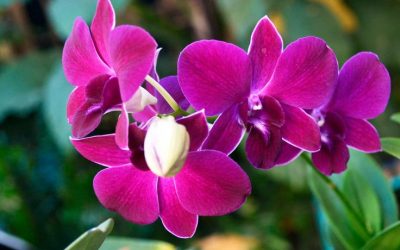
Many people associate Papua with birds-of-paradise, colorful butterflies, tropical orchids, and marine life found in Raja Ampat. The surrounding seas are part of the Coral Triangle, an area known internationally for its rich underwater ecosystems and coral diversity.
The human diversity of Papua and West Papua is equally significant. Hundreds of indigenous ethnic groups live across the region, each with its own traditions, languages, artistic expressions, and social customs. Some communities are located in mountain valleys, while others live along rivers, coastal areas, forests, or island environments.
Traditional knowledge continues to play an important role in daily life in many areas. Local communities often maintain close relationships with forests, rivers, and the sea through farming, fishing, gathering, carving, and ceremonial traditions.
Compared to many other Indonesian regions, Papua and West Papua also stand out because of their dramatic geography. Visitors and researchers often describe the landscape as highly varied, including:
- Snow-capped mountain ranges in high elevations
- Thick tropical rainforests
- River networks and swamps
- Limestone islands and coral reefs
- Coastal mangrove systems
- Highland valleys and grasslands
The cultural landscape is equally diverse. Traditional dances, wood carving, ceremonial clothing, music, and architecture differ greatly between communities. Coastal traditions may look very different from highland customs because geography shaped how communities developed over time.
Another unique aspect is language diversity. Papua is considered one of the most linguistically diverse regions in the world. Hundreds of local languages are spoken across villages and tribal communities, while Bahasa Indonesia serves as the common national language used for communication between groups.
Papua and West Papua are also increasingly discussed in conversations about environmental conservation, sustainable tourism, and cultural preservation. Areas such as Raja Ampat, Cenderawasih Bay, and the Baliem Valley have become internationally recognized destinations because of their natural beauty and cultural significance.
For many travelers, researchers, and cultural observers, Papua and West Papua offer a different perspective on Indonesia’s diversity. The regions combine ancient traditions, ecological richness, and striking geography in ways that are rarely found elsewhere.
Geography of Papua and West Papua
Location and Regional Divisions
Papua and West Papua are located on the western half of the island of New Guinea, far to the east of Indonesia’s more densely populated islands such as Java and Sumatra. The eastern half of New Guinea belongs to the independent country of Papua New Guinea, while the western half is part of Indonesia.
The Papua region covers a very large area that includes mountains, forests, rivers, wetlands, coastal zones, and island chains. Because of its size and geographic complexity, the region has been divided into several administrative provinces over time.
In simplified terms, the Indonesian Papua region today includes multiple provinces that are commonly grouped into two broader regional references:
- Papua
- West Papua
People often still use these names in general conversation even though additional provinces now exist administratively within the wider Papua region.
The provincial divisions were created to support regional governance and administration across areas that are geographically remote and culturally diverse. Different provinces have their own capitals, local governments, and regional characteristics.
Some important urban centers in the region include:
- Jayapura
- Manokwari
- Sorong
- Timika
- Wamena
These cities function as transportation, trade, education, and cultural centers connecting coastal and inland communities.
Despite the existence of cities and transportation routes, many parts of Papua and West Papua remain difficult to access because of mountains, forests, and limited road networks. In some places, small aircraft or boats are still among the most practical forms of transportation.
Geography strongly influences daily life throughout the region. Coastal communities may depend more on fishing and marine resources, while highland communities often focus on agriculture and valley-based settlements.
The combination of remote terrain and environmental diversity helped shape the development of many distinct cultural groups across Papua and West Papua over long periods of time.
Mountains, Forests, and Islands
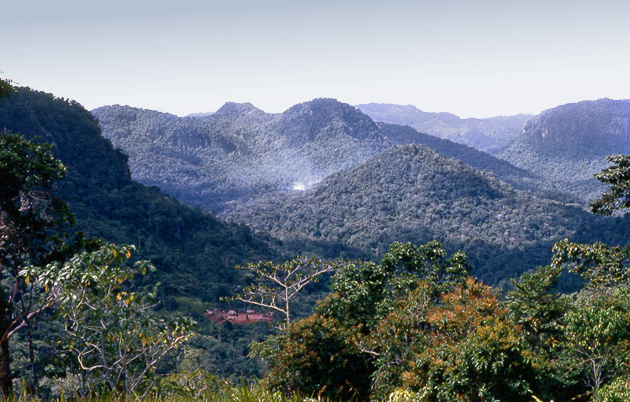
Papua and West Papua contain some of the most varied landscapes in Indonesia. The region includes towering mountain ranges, dense tropical rainforests, swamp ecosystems, winding rivers, and island chains surrounded by coral reefs.
One of the best-known geographic features is the Jayawijaya mountain range. These highlands stretch across central Papua and include some of the highest elevations in Indonesia. Mountain valleys in this region are home to communities that developed distinctive traditions shaped by the cooler climate and rugged terrain.
The highland environment differs greatly from the coastal regions. Temperatures in mountain areas are generally cooler, and the landscapes include valleys, steep ridges, and grass-covered slopes alongside forested areas.
The forests of Papua and West Papua are among the largest remaining tropical rainforest areas in the Asia-Pacific region. These forests contain enormous ecological variety and support countless species of plants, birds, insects, and mammals.
Different forest types can be found across the region, including:
- Lowland tropical rainforests
- Mountain forests
- Cloud forests at higher elevations
- Mangrove forests near coastal areas
- Wetland and swamp ecosystems
Large river systems also shape the environment and transportation routes in many areas. Rivers often serve as important connections between villages and forests, especially in places where roads are limited.
Along the coast, Papua and West Papua include many islands and marine ecosystems. Raja Ampat is one of the most internationally recognized island regions because of its coral reefs and marine biodiversity. Smaller islands, limestone formations, lagoons, and shallow reef systems create distinctive coastal scenery across the region.
Marine ecosystems in Papua and West Papua support:
- Coral reefs
- Mangrove forests
- Seagrass beds
- Tropical fish populations
- Sea turtles and other marine animals
The natural diversity of the region contributes to both local livelihoods and tourism activities such as snorkeling, diving, birdwatching, and cultural travel.
Expert Insight: Geography Shaped Cultural Diversity
Many experts believe geography played a major role in the cultural diversity found across Papua and West Papua today.
Mountain ranges, deep valleys, rivers, and forests often separated communities from one another for long periods of time. Because travel between regions could be difficult, many groups developed their own languages, customs, artistic traditions, and social systems independently.
In the highlands, isolated valleys allowed communities to preserve traditional lifestyles and local identities across generations. Agricultural practices, ceremonial traditions, and village structures evolved in ways closely connected to the mountain environment.
Coastal and island communities experienced different influences because they interacted more frequently with maritime trade routes and neighboring coastal groups. Fishing traditions, boat-building techniques, and marine knowledge became important parts of daily life in these areas.
The environment also influenced housing styles, clothing materials, food preparation, and ceremonial practices. Communities adapted their lifestyles to local ecosystems using resources available in forests, rivers, mountains, or coastal zones.
Even today, geography continues to shape transportation, communication, tourism, and regional identity across Papua and West Papua. In many places, natural landscapes remain closely connected to cultural traditions and community life.

Culture and Traditions in Papua and West Papua
Indigenous Tribes and Communities
Papua and West Papua are home to hundreds of indigenous ethnic groups, making the region one of the most culturally diverse areas in Indonesia. Each community has its own traditions, social structures, artistic styles, and local knowledge shaped by generations of connection to the environment.
Some of the better-known indigenous groups include:
- Dani
- Asmat
- Biak
- Arfak
- Korowai
- Mee
- Yali
- Sentani communities
These groups live across different landscapes ranging from highland valleys to river systems, coastal villages, forests, and island regions.
The Dani people are widely associated with the central highlands and the Baliem Valley area. Traditional farming practices, community gatherings, and ceremonial customs are important parts of life in many highland communities.
The Asmat people are known internationally for their wood carving traditions and river-based culture in the southern lowland regions. Carved sculptures, ceremonial objects, and artistic storytelling remain closely connected to social and spiritual traditions in many Asmat communities.
Coastal groups such as the Biak people developed strong maritime traditions because of their close relationship with island and ocean environments. Fishing, navigation, and coastal trade historically influenced many aspects of daily life.
In the Arfak mountain areas of West Papua, communities developed traditions connected to forest environments and cooler highland ecosystems. Cultural practices often reflect close relationships with nature and local ecological knowledge.
Traditional social structures vary between communities. In some regions, village leadership is guided by elders, clan relationships, or customary systems passed down through generations. Community cooperation often plays an important role in ceremonies, farming activities, construction, and social gatherings.
Although modernization and urban development continue to influence many areas, traditional customs remain visible in festivals, family life, ceremonies, arts, and local identity throughout Papua and West Papua.
Traditional Arts and Ceremonies
Traditional arts are an important part of cultural expression across Papua and West Papua. Different communities use art, music, dance, carving, and ceremonial clothing to preserve stories, beliefs, identity, and social traditions.
Wood carving is one of the most recognized artistic traditions in the region. In many communities, carvings are created from locally sourced wood and may feature symbolic human figures, animals, ancestral themes, or patterns inspired by nature.
The Asmat cultural region is especially well known for detailed carving traditions. Canoes, shields, drums, and ceremonial sculptures are often decorated with intricate designs connected to community storytelling and heritage.
Body painting and ceremonial dress are also important in many cultural celebrations. Natural pigments, feathers, woven materials, shells, and plant fibers may be used during dances, festivals, and traditional gatherings.
Bird feathers, especially from birds-of-paradise and other tropical species, have historically been used as decorative elements in ceremonial attire in some communities. Traditional ornaments may also include beads, woven accessories, or carved decorative pieces.
Music and dance traditions vary widely across Papua and West Papua. Cultural performances often include:
- Drum rhythms
- Group dances
- Chants and vocal traditions
- Ceremonial songs
- Community celebrations
The tifa drum is one of the best-known traditional musical instruments in Papua. It is commonly used during dances and cultural performances in both coastal and inland areas.
Many dances are performed collectively and may represent themes connected to community identity, nature, historical events, or traditional storytelling. Festivals and cultural gatherings provide opportunities for communities to preserve and share these traditions with younger generations.
Today, cultural performances are sometimes presented during tourism events, regional celebrations, and cultural exhibitions, helping introduce wider audiences to the diversity of Papua and West Papua traditions.
Local Languages and Communication
Papua and West Papua are among the most linguistically diverse regions in the world. Hundreds of local languages are spoken across villages and indigenous communities throughout the region.
Because many communities historically lived in geographically isolated areas, languages developed separately over long periods of time. Mountain valleys, forests, rivers, and island environments often limited regular interaction between groups, contributing to remarkable language diversity.
Different villages may speak entirely different local languages even when located relatively close to one another geographically.
These languages are used in everyday communication, oral storytelling, ceremonies, songs, and cultural traditions. Oral history remains especially important in many communities where knowledge and traditions are passed down verbally between generations.
At the same time, Bahasa Indonesia serves as the national language and is widely used in education, government, media, transportation, and communication between different ethnic groups.
In urban areas such as Jayapura, Sorong, and Manokwari, it is common for people to speak both Bahasa Indonesia and local languages depending on the social setting.
Language diversity is considered an important part of Papua and West Papua’s cultural identity. Efforts to preserve local languages continue through cultural programs, community education, storytelling traditions, and local arts.
The coexistence of hundreds of indigenous languages alongside the national language reflects the broader cultural richness of the region and highlights how geography influenced the development of distinct local identities over time.
Nature and Biodiversity
Rainforests and Ecosystems
Papua and West Papua are widely known for their extensive natural ecosystems, many of which remain relatively undisturbed compared to other tropical regions. The area contains large stretches of rainforest, mountain habitats, wetlands, mangroves, and coastal ecosystems that support extraordinary biological diversity.
Tropical rainforests cover significant portions of the region and play an important role in the local environment. These forests contain thousands of plant species, towering trees, vines, ferns, mosses, and dense vegetation layers that create habitats for wildlife across different elevations.
The rainforest environment changes depending on altitude and geography. Lowland forests are generally warm and humid with thick vegetation, while higher mountain areas may contain cooler cloud forests covered in mist and moss.
Some of the major ecosystem types found across Papua and West Papua include:
- Lowland tropical rainforest
- Mountain forest ecosystems
- Cloud forests
- Mangrove forests
- River wetlands and swamp forests
- Coastal reef systems
Cloud forests are especially notable in high-elevation areas where moisture and cooler temperatures create unique growing conditions for orchids, mosses, and highland plant species.
Mangrove ecosystems are commonly found along coastal areas and river mouths. These forests help support marine life, stabilize shorelines, and provide habitats for fish, birds, and crustaceans.
River systems are also environmentally significant. Large rivers and floodplains connect inland forests with coastal ecosystems and serve as important transportation routes for some communities.
Because Papua and West Papua contain many remote and geographically isolated areas, certain ecosystems have remained relatively intact over long periods of time. This isolation contributed to the development of many unique species found only in New Guinea and surrounding islands.
Wildlife Unique to Papua
Papua and West Papua are internationally recognized for their wildlife diversity. Many animal species found in the region are endemic, meaning they are naturally found only in New Guinea and nearby islands.
Among the most famous animals are the birds-of-paradise, known for their colorful feathers and elaborate courtship displays. These birds are often associated with the forests of Papua and have become cultural symbols of the region’s biodiversity.
Different species of birds-of-paradise inhabit various forest environments, particularly in mountainous and remote rainforest areas.
Another distinctive animal group found in Papua is tree kangaroos. Unlike the ground-dwelling kangaroos commonly associated with Australia, tree kangaroos are adapted to forest life and spend much of their time in trees.
Other wildlife found across Papua and West Papua includes:
- Cassowaries
- Crowned pigeons
- Cockatoos and parrots
- Cuscus marsupials
- Tree frogs
- Butterflies and beetles
- Reptiles and freshwater fish
The region is also known for its rich insect diversity, especially large butterflies with striking wing patterns. Tropical forest environments support countless smaller species that contribute to ecological balance.
Papua’s plant diversity is equally remarkable. Forests contain many varieties of orchids, tropical hardwoods, palms, and medicinal plants traditionally used by local communities.
Birdwatching has become one of the region’s well-known nature tourism activities because Papua offers opportunities to observe species rarely seen elsewhere.
Researchers and conservation groups often describe Papua and West Papua as globally important areas for biodiversity because of the combination of rainforest ecosystems, island geography, and endemic species.
Raja Ampat and Marine Biodiversity
Raja Ampat is one of the best-known marine regions in West Papua and is frequently recognized for its underwater biodiversity and island scenery.
Located off the northwest coast of New Guinea, Raja Ampat consists of hundreds of islands, small limestone formations, lagoons, and coral reef systems surrounded by clear tropical waters.
The region lies within the Coral Triangle, an area often described as one of the richest marine biodiversity zones on Earth. Warm waters, coral ecosystems, and ocean currents support an extraordinary variety of marine species.
Marine environments in Raja Ampat include:
- Coral reefs
- Seagrass beds
- Mangrove coastlines
- Small island ecosystems
- Deep ocean habitats
Divers and marine researchers are drawn to Raja Ampat because of its wide range of reef fish, corals, sea turtles, rays, and reef ecosystems.
Snorkeling and diving are among the most popular tourism activities in the region. Many visitors travel to Raja Ampat to experience colorful coral reefs and underwater landscapes.
The islands are also known for dramatic natural scenery featuring limestone cliffs, forest-covered islets, hidden lagoons, and coastal viewpoints.
Beyond tourism, marine ecosystems are important for local communities that rely on fishing and coastal resources in daily life. Traditional ecological knowledge often influences how communities interact with marine environments and natural resources.
Conservation efforts in some areas focus on maintaining reef health, protecting marine habitats, and encouraging sustainable tourism practices that help reduce environmental pressure on fragile ecosystems.
The global attention received by Raja Ampat has also increased broader awareness of Papua and West Papua’s environmental significance, especially in discussions about marine conservation and tropical biodiversity.

Food and Daily Life
Traditional Foods
Traditional food in Papua and West Papua reflects the region’s geography, natural resources, and cultural diversity. Communities in coastal areas, forests, and mountain regions developed food traditions based on ingredients available in their local environments.
One of the most widely recognized traditional foods is papeda, a soft textured dish made from sago starch. Papeda is commonly associated with eastern Indonesia and remains an important staple food in many Papuan communities.
The dish is usually served warm and paired with fish, vegetables, or soups containing local herbs and spices. Its texture is smooth and slightly elastic, making it distinct from rice-based meals commonly found in other parts of Indonesia.
Sago itself plays a major role in traditional food culture across many lowland and coastal areas. The starch is extracted from sago palm trees, which grow well in swampy tropical environments.
Sago-based foods may include:
- Papeda
- Sago cakes
- Roasted sago preparations
- Simple baked snacks
- Traditional ceremonial foods
In coastal regions, fresh seafood is an important part of daily meals. Fish, shellfish, and sea-based ingredients are commonly prepared using grilling, smoking, boiling, or roasting techniques.
Forest ingredients are also traditionally used in some communities, including leafy greens, tubers, bananas, and local fruits gathered from surrounding environments.
In highland areas, sweet potatoes have historically been an important food source. Highland farming communities often cultivate root crops and vegetables adapted to cooler mountain conditions.
Traditional cooking methods frequently involve natural materials such as leaves, bamboo, heated stones, or wood-fired preparation techniques. Community gatherings and ceremonies may also include shared cooking traditions that strengthen social connections.
Today, modern Indonesian foods are widely available in cities and towns throughout Papua and West Papua, but traditional dishes continue to hold cultural importance in many communities and celebrations.
Highlands Versus Coastal Lifestyles
Daily life in Papua and West Papua varies greatly depending on geography. Mountain environments, forests, rivers, and coastal regions all shaped how communities traditionally lived and worked.
In the highlands, many communities developed agricultural lifestyles centered around mountain valleys and fertile upland areas. Farming has long been an important activity in these regions, with crops adapted to cooler temperatures and elevated terrain.
Common features of highland communities include:
- Terraced or valley farming
- Root crop cultivation
- Close-knit village structures
- Communal traditions
- Mountain footpaths and local trade routes
Sweet potatoes, vegetables, and other crops are commonly grown in highland agricultural systems. Traditional farming knowledge has often been passed down through generations and adapted to mountainous conditions.
By contrast, coastal communities traditionally developed lifestyles connected to rivers, islands, and the sea. Fishing, canoe travel, and marine resource gathering became important aspects of everyday life in many coastal and island settlements.
Coastal communities are often associated with:
- Fishing traditions
- Boat-making skills
- Seafood-based diets
- River and sea transportation
- Mangrove and reef environments
River systems are especially important in some lowland regions where waterways function as transportation routes between villages and forests.
Urbanization and modernization have influenced both coastal and highland communities over time. Schools, markets, transportation networks, and communication technology continue to expand in many areas.
Even so, traditional knowledge and local customs remain visible in farming methods, fishing practices, ceremonies, food preparation, and community life across the region.
Traditional Houses and Architecture
Traditional architecture in Papua and West Papua reflects the diversity of local environments and cultural traditions. Housing styles differ significantly between mountain, coastal, forest, and island communities.
One of the most recognizable traditional structures is the honai house, commonly associated with highland communities such as the Dani people.
Honai houses are small circular structures typically built using natural materials including wood, grass, and thatched roofing. The compact design helps retain warmth in cooler mountain climates.
Characteristics of honai houses often include:
- Rounded shape
- Thick thatched roofs
- Minimal windows
- Wooden framework
- Elevated warmth retention
These houses traditionally served as family living spaces and gathering areas within village communities.
In coastal regions, stilt houses are more common because they are adapted to wet environments, tidal conditions, and river systems. Elevated construction helps protect homes from flooding and improves airflow in humid tropical climates.
Coastal and river-based houses may feature:
- Wooden stilts
- Raised flooring
- Open ventilation
- Palm or leaf roofing
- Riverfront access
Building materials are often sourced from nearby forests and natural environments. Local knowledge about climate, rainfall, airflow, and terrain strongly influences architectural design.
Traditional houses are not only practical structures but also cultural symbols connected to community identity and heritage. In some regions, certain building styles may still be used during ceremonies, festivals, or cultural tourism activities.
Modern housing has become increasingly common in urban areas and larger towns, but traditional architecture remains an important part of cultural representation throughout Papua and West Papua.
Tourism and Attractions
Raja Ampat
Raja Ampat is one of the most internationally recognized destinations in West Papua and is often associated with marine tourism, tropical island scenery, and underwater biodiversity.
Located off the northwest coast of New Guinea, the region consists of hundreds of islands surrounded by coral reefs, lagoons, and clear turquoise waters. Limestone formations covered in tropical vegetation create the dramatic island landscapes frequently seen in travel photography.
Many visitors travel to Raja Ampat for snorkeling and diving experiences. The area is widely known for colorful coral reefs, tropical fish species, and rich marine ecosystems connected to the Coral Triangle.
Popular tourism activities in Raja Ampat include:
- Snorkeling
- Scuba diving
- Island hopping
- Birdwatching
- Kayaking
- Coastal photography
The region also attracts travelers interested in nature-focused tourism and quieter island environments compared to more crowded destinations elsewhere in Southeast Asia.
Some islands contain small villages where local communities participate in tourism through guiding services, homestays, transportation, and handicrafts. Sustainable tourism discussions are increasingly important in Raja Ampat because reef ecosystems are sensitive to environmental pressure.
Beyond underwater attractions, Raja Ampat is also known for panoramic viewpoints overlooking limestone islands and shallow lagoons. These landscapes contribute to the region’s reputation as one of Indonesia’s most visually distinctive coastal destinations.
Baliem Valley
The Baliem Valley is one of the best-known highland regions in Papua and is often associated with mountain scenery and indigenous cultural traditions.
Located in the central highlands, the valley is surrounded by mountains and elevated landscapes that create cooler temperatures compared to coastal areas. The region is commonly linked to the Dani people and other highland communities.
Travelers visiting the Baliem Valley are often interested in:
- Highland village experiences
- Traditional cultural festivals
- Mountain trekking
- Valley scenery
- Local agricultural traditions
The area became more widely known internationally because of its unique mountain environment and relatively isolated cultural history.
Traditional highland lifestyles remain an important part of the region’s identity. Farming systems, communal customs, and ceremonial gatherings continue to shape everyday life in many villages.
One of the most recognized cultural events associated with the region is the Baliem Valley cultural festival, where communities may present traditional dances, mock tribal performances, music, and ceremonial clothing.
Mountain landscapes, grass-covered valleys, and forested hills also make the area appealing for trekking and nature tourism. Hiking routes often connect villages and provide opportunities to observe highland scenery and local daily life.
Asmat Cultural Region
The Asmat region in southern Papua is widely known for its wood carving traditions and river-based culture.
Large river systems and swamp forests shape transportation and settlement patterns throughout the area. In many places, rivers remain important connections between villages and surrounding forests.
The Asmat people are internationally recognized for intricate wood carvings featuring symbolic patterns, human figures, ceremonial objects, and storytelling themes.
Tourism interest in the region often focuses on:
- Traditional carving culture
- River transportation experiences
- Indigenous arts and crafts
- Cultural festivals
- Forest and wetland environments
Carved sculptures and ceremonial objects are considered important expressions of cultural identity and artistic heritage.
Because of the region’s remote geography, travel to some Asmat areas may involve river journeys and smaller transportation networks compared to more urban destinations.
Visitors interested in cultural tourism are often drawn to the opportunity to learn about traditional craftsmanship and community life shaped by river ecosystems.
Cenderawasih Bay
Cenderawasih Bay is another important natural attraction associated with Papua’s marine biodiversity.
Located along the northern coast of Papua, the bay is known for its calm waters, marine ecosystems, and opportunities to observe large sea animals in natural environments.
One of the most well-known tourism experiences in the area involves whale shark encounters. In certain parts of the bay, whale sharks are occasionally seen near traditional fishing platforms, attracting nature-focused travelers and underwater photographers.
The region is also valued for:
- Coral reef ecosystems
- Snorkeling opportunities
- Marine wildlife observation
- Island scenery
- Coastal conservation areas
Compared to some busier diving destinations, parts of Cenderawasih Bay are considered relatively remote and less crowded.
Marine biodiversity remains one of the region’s defining features, with coral reefs supporting many tropical fish and ocean species. Conservation awareness has become increasingly important as tourism activity grows.
For travelers interested in nature, marine ecosystems, and quieter coastal environments, Cenderawasih Bay represents another example of the ecological richness found across Papua and West Papua.
Differences Between Papua and West Papua
Administrative and Regional Distinctions
Papua and West Papua are closely connected geographically and culturally, but they are also separate administrative regions within Indonesia.
In general conversation, people often use the names “Papua” and “West Papua” to describe broad areas on the Indonesian side of New Guinea. However, the regions have different provincial administrations, local capitals, and governance structures.
Papua has commonly been associated with areas around the central highlands and eastern parts of Indonesian New Guinea, while West Papua is generally associated with the northwestern side of the island.
Some well-known cities connected to these regions include:
- Jayapura in Papua
- Manokwari in West Papua
- Sorong in West Papua
- Wamena in Papua
Administrative boundaries have changed over time as additional provinces were created within the broader Papua region. Even with these changes, many people still use the traditional regional terms for simplicity.
The regions also differ geographically in certain ways. Papua is often linked to expansive mountain systems and inland valleys, while West Papua is widely associated with island tourism areas and coastal marine environments.
Transportation patterns may also differ depending on the terrain. Highland regions in Papua can be more isolated because of steep mountains and valleys, while some coastal areas in West Papua are connected through maritime routes and island networks.
Despite administrative differences, both regions share many broader cultural and environmental characteristics connected to the island of New Guinea.
Tourism Focus Differences
Tourism discussions about Papua and West Papua often highlight different attractions depending on the region.
West Papua is frequently associated with marine tourism and island destinations, especially Raja Ampat. The area has gained international recognition for diving, snorkeling, coral reefs, and tropical island scenery.
Travelers visiting West Papua are often interested in:
- Marine biodiversity
- Diving and snorkeling
- Island landscapes
- Coastal ecotourism
- Birdwatching in forested island areas
Raja Ampat has become one of Indonesia’s most recognizable nature tourism destinations because of its underwater ecosystems and limestone island formations.
Papua, by contrast, is more commonly associated with highland culture and mountain landscapes. The Baliem Valley and surrounding highland areas are often highlighted for cultural tourism experiences connected to indigenous communities and mountain scenery.
Tourism in Papua may focus more on:
- Highland traditions
- Cultural festivals
- Mountain trekking
- Valley landscapes
- Indigenous village experiences
While these distinctions are common, both regions contain a mixture of coastal, forest, river, and mountain environments. Travelers can find cultural and ecological diversity throughout the broader Papua area.
Tourism infrastructure also varies widely depending on location. Some destinations have more developed visitor facilities, while others remain remote and accessible only through limited transportation routes.
Cultural and Ecological Variations
Papua and West Papua share many cultural similarities, but local traditions and ecological conditions vary between communities and landscapes.
One major difference involves the influence of coastal versus mountain environments. Communities living near the sea often developed traditions connected to fishing, navigation, and marine resources, while highland groups adapted to farming and mountain conditions.
For example:
- Coastal communities may emphasize fishing traditions and boat-making skills
- Highland communities may focus more on agriculture and valley settlement systems
- Forest communities may develop traditions linked to rivers and rainforest resources
Different tribal groups are concentrated in different regions. Highland areas are strongly associated with groups such as the Dani and Yali peoples, while coastal and island regions include communities such as the Biak and Asmat peoples.
Artistic traditions also vary geographically. Some communities are known for wood carving, while others are recognized for weaving, ceremonial dress, music, or dance traditions.
Ecological differences are equally significant. Papua contains major mountain systems and high-altitude valleys, while West Papua is particularly known for island ecosystems and marine biodiversity.
Examples of environmental variation include:
- Alpine mountain environments
- Tropical rainforest ecosystems
- Mangrove coastlines
- Coral reef systems
- River wetlands and swamps
- Island archipelagos
These environmental conditions shaped food traditions, housing styles, transportation methods, and social organization over long periods of time.
Although Papua and West Papua are often grouped together geographically, the regions contain remarkable local diversity that continues to influence culture, tourism, and daily life today.

Interesting Expert-Level Facts
Papua and West Papua contain many unique environmental and cultural characteristics that attract researchers, travelers, historians, and conservation groups from around the world. The following facts help illustrate why the region is considered one of the most distinctive parts of Indonesia and the wider Asia-Pacific area.
Papua Contains One of the Largest Remaining Tropical Rainforest Regions in the Asia-Pacific
Large portions of Papua and West Papua are still covered by tropical rainforest ecosystems. These forests stretch across mountains, river valleys, wetlands, and lowland plains, creating habitats for countless plant and animal species.
Compared to many tropical regions that experienced extensive urban expansion over long periods, parts of Papua remain relatively remote and less densely populated. This helped preserve large forest landscapes and ecological corridors important for biodiversity.
The forests also support traditional livelihoods for many local communities through fishing, gathering, farming, and forest-based cultural practices.
Some Communities Maintain Oral Traditions Passed Down for Generations
In many Papuan cultures, storytelling and oral communication remain important methods for preserving knowledge and history.
Traditional stories may include:
- Community origins
- Ancestral narratives
- Ecological knowledge
- Ceremonial practices
- Local legends
- Navigation and landscape memory
Because hundreds of local languages exist across Papua and West Papua, oral traditions developed in highly diverse forms depending on the community and environment.
Songs, chants, dances, and ceremonial gatherings are often closely connected to the preservation of cultural memory and identity.
Papua Bird Species Are Among the Most Visually Distinctive Globally
Papua and surrounding New Guinea regions are famous for bird diversity, especially birds-of-paradise.
These birds are known for elaborate feather displays, bright coloration, and complex courtship behaviors. Different species inhabit forests across various elevations and ecological zones.
In addition to birds-of-paradise, Papua is also home to:
- Crowned pigeons
- Cassowaries
- Cockatoos
- Parrots
- Kingfishers
- Forest songbirds
The combination of island geography, rainforest isolation, and varied elevations contributed to the evolution of many visually distinctive bird species.
Raja Ampat Sits Within One of the Richest Marine Biodiversity Zones on Earth
Raja Ampat is located within the Coral Triangle, a marine region widely recognized for extraordinary underwater biodiversity.
The surrounding waters contain extensive coral reef systems that support large numbers of fish species, marine invertebrates, and reef ecosystems.
Marine researchers often study the area because of its ecological richness and the interaction between coral reefs, mangroves, seagrass beds, and island habitats.
The region’s clear waters and coral diversity also contributed to its international reputation as a diving destination.
Highlands Agriculture Adapted to Mountainous Terrain Long Before Modern Infrastructure
Communities in Papua’s highlands developed agricultural systems suited to steep valleys and cooler mountain climates long before modern transportation and infrastructure expanded into the region.
Farming methods were adapted to local terrain, rainfall patterns, and available crops. Sweet potatoes became especially important in many highland communities because they grow well in elevated environments.
Traditional agricultural knowledge often involved close cooperation within villages and careful understanding of local environmental conditions.
Indigenous Ecological Knowledge Influences Local Resource Traditions
Across Papua and West Papua, many indigenous communities developed systems of environmental understanding shaped by long-term interaction with forests, rivers, mountains, and coastal ecosystems.
This ecological knowledge may include:
- Seasonal fishing patterns
- Forest resource management
- Traditional navigation routes
- Plant uses and food preparation
- Wildlife observation
- Community conservation customs
In some areas, customary traditions influence how natural resources are used and shared within communities.
Researchers and cultural observers often emphasize that traditional ecological knowledge forms an important part of Papua’s cultural heritage and environmental identity.
Sustainable Tourism and Cultural Respect
Respecting Local Customs
Papua and West Papua are culturally diverse regions where many communities continue to maintain strong local traditions and customary practices. Visitors interested in cultural tourism are generally encouraged to approach local communities with respect, patience, and cultural awareness.
Customs can differ greatly between regions, villages, and ethnic groups. What may be considered normal in one community could be viewed differently in another, especially in remote or traditionally oriented areas.
One widely recommended practice is asking permission before photographing people, ceremonies, or traditional homes. In some communities, photography may be welcomed during festivals or tourism activities, while in others it may be considered more sensitive.
Travelers are often encouraged to:
- Ask politely before taking photos
- Respect community guidelines and local advice
- Dress appropriately in villages and ceremonial areas
- Follow instructions from local guides
- Observe cultural events respectfully
Supporting local artisans and guides is another way visitors can contribute positively to communities. Traditional carvings, woven crafts, musical instruments, and locally produced artwork often represent important cultural traditions as well as local livelihoods.
Community-based tourism experiences may also help travelers gain a deeper understanding of local culture while encouraging more direct interaction with local residents.
In some regions, guides from local communities provide cultural explanations, nature interpretation, and assistance navigating remote environments. This can help visitors better understand local customs while supporting community participation in tourism activities.
Respectful tourism is generally viewed as important because Papua and West Papua contain many communities with strong cultural identities and long-standing traditions connected to the land and environment.
Environmental Awareness
Papua and West Papua are internationally recognized for their biodiversity, including rainforests, coral reefs, mangroves, mountain ecosystems, and wildlife habitats.
Because many tourism activities take place in environmentally sensitive areas, environmental awareness is an important part of responsible travel in the region.
Marine destinations such as Raja Ampat and Cenderawasih Bay are known for delicate coral reef systems that can be affected by pollution, physical damage, and unsustainable tourism practices.
Common responsible tourism practices may include:
- Avoiding contact with coral reefs
- Reducing plastic waste
- Following local conservation guidelines
- Respecting wildlife habitats
- Staying on designated trekking paths
- Using environmentally conscious tour operators when possible
Forest and mountain environments also require careful management because some ecosystems are fragile and difficult to restore once damaged.
In wildlife observation areas, maintaining distance from animals and minimizing disturbance are commonly encouraged practices. This helps reduce stress on wildlife while preserving natural behavior patterns.
Many local communities maintain close relationships with natural resources through fishing, farming, and forest-based traditions. Environmental protection is therefore connected not only to biodiversity but also to cultural continuity and local livelihoods.
Sustainable tourism discussions in Papua and West Papua often focus on balancing economic opportunities, conservation goals, and cultural preservation. Community participation is increasingly recognized as an important part of maintaining responsible tourism practices across the region.
For many visitors, experiencing Papua and West Papua responsibly means appreciating both the natural environment and the cultural traditions that have developed alongside it over generations.
FAQ Section
What is the difference between Papua and West Papua
Papua and West Papua are separate administrative regions located on the Indonesian side of the island of New Guinea. Papua is often associated with central and eastern highland areas, while West Papua is commonly linked to the northwestern coastal and island regions.
Papua is widely known for mountain landscapes and highland cultural traditions, while West Papua is especially recognized for marine destinations such as Raja Ampat. Both regions share strong cultural diversity, tropical ecosystems, and indigenous traditions.
What tribes live in Papua and West Papua
Hundreds of indigenous ethnic groups live across Papua and West Papua. Some of the better-known communities include the Dani, Asmat, Biak, Arfak, Mee, Yali, and Korowai peoples.
Different groups developed distinct languages, customs, arts, and lifestyles shaped by local environments such as mountains, forests, rivers, and coastal areas.
What is Papua and West Papua famous for
Papua and West Papua are known for biodiversity, indigenous cultures, tropical rainforests, coral reefs, and dramatic natural landscapes.
The regions are especially famous for:
- Raja Ampat marine tourism
- Birds-of-paradise
- Highland cultures
- Traditional wood carving
- Tropical rainforest ecosystems
- Cultural diversity and local languages
Many travelers also associate the region with adventure tourism, diving, trekking, and cultural exploration.
Is Raja Ampat in West Papua
Yes. Raja Ampat is located in West Papua and is one of Indonesia’s best-known marine tourism destinations.
The region consists of hundreds of islands surrounded by coral reefs and clear tropical waters. It is widely recognized for snorkeling, diving, island scenery, and marine biodiversity.
What food is popular in Papua
Papeda is one of the most widely recognized traditional foods in Papua and West Papua. It is made from sago starch and is commonly served with fish or soup-based dishes.
Other traditional foods include:
- Sago-based dishes
- Fresh seafood
- Sweet potatoes in highland areas
- Forest vegetables and local fruits
Food traditions often vary between coastal and mountain communities.
What animals are unique to Papua
Papua and West Papua are home to many unique species, including birds-of-paradise, tree kangaroos, cassowaries, crowned pigeons, and colorful tropical butterflies.
The region’s isolation and ecological diversity contributed to the development of many endemic species found only in New Guinea and surrounding islands.
Why is Papua biodiversity important
Papua biodiversity is important because the region contains extensive rainforests, coral reefs, mangroves, mountain ecosystems, and many endemic species.
These ecosystems support wildlife habitats, local livelihoods, traditional ecological knowledge, and environmental balance across the wider Asia-Pacific region.
Papua and West Papua are also globally recognized for marine biodiversity, especially in Raja Ampat and surrounding reef systems.
What languages are spoken in Papua and West Papua
Hundreds of indigenous languages are spoken across Papua and West Papua, making the region one of the most linguistically diverse areas in the world.
Bahasa Indonesia is widely used as the national language for communication, education, and government, while local languages remain important in community life, storytelling, ceremonies, and cultural traditions.
Conclusion
Papua and West Papua are regions of remarkable cultural and environmental diversity located in the easternmost part of Indonesia. From mountain valleys and tropical rainforests to coral reefs and island ecosystems, the regions contain landscapes and traditions that differ greatly across communities and environments.
The cultural richness of Papua and West Papua is reflected in indigenous languages, traditional arts, local customs, architecture, music, and long-standing community traditions shaped by geography and history.
At the same time, the region’s biodiversity — including birds-of-paradise, rainforest ecosystems, and marine environments such as Raja Ampat — continues to attract attention from travelers, researchers, and conservation groups around the world.
Understanding Papua and West Papua involves appreciating both their similarities and their regional differences. Coastal and highland communities, forest and island ecosystems, and modern and traditional influences all contribute to the identity of the region today.
Whether explored through culture, nature, food, wildlife, or tourism, Papua and West Papua offer a deeper perspective on the diversity found across Indonesia and the island of New Guinea.
If you’re looking for Papua herbal products, start with a trusted source. Experience authentic, high-quality red fruit products at Cahya Red Fruit Papua New Guinea! We offer a wide variety of items besides Red Fruit Papua New Guinea — including Papua ant nest and Papua kebar grass. Check out our herbal wellness product in our website!